
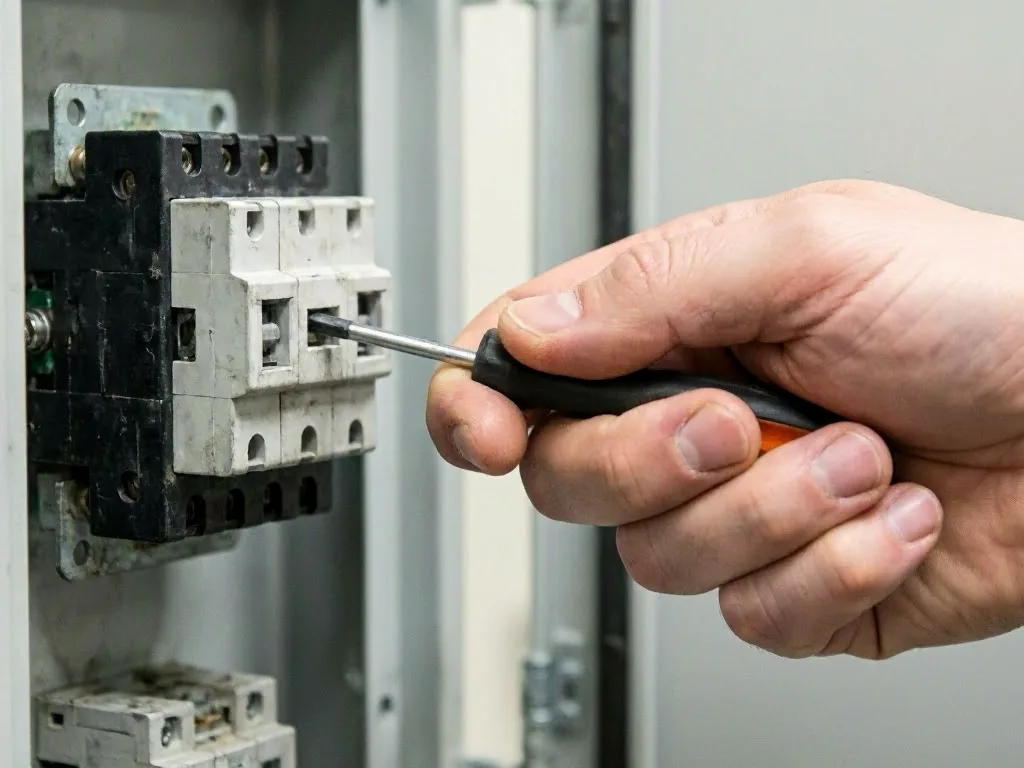
Site Assessment & Scope Definition
A site assessment checks attic access, roof vents, fan location, and nearby wiring. This sets the work limits before parts are chosen and gives the client a clear scope.
Attic fans help move hot air from roof spaces during warm Highland summers. We plan wiring around older homes, tight access, and low freeze risk.
Highland homes face strong summer heat in roof spaces. Older homes may also have small panels, crowded circuits, or limited attic paths. Customers need a fan that matches the roof layout and available power.
We start with a site check, not a fan sale. Our crew maps the circuit, checks the panel, measures access limits, and looks for roof leaks or blocked vents. Low freeze risk changes the plan because cold damage is less likely than heat buildup and poor airflow.
Homeowners get a tested fan circuit and clear records of the work. Shops and industrial spaces may need stronger controls or a dedicated circuit. We tell you when a fan won't help until insulation, intake vents, or panel work is fixed.
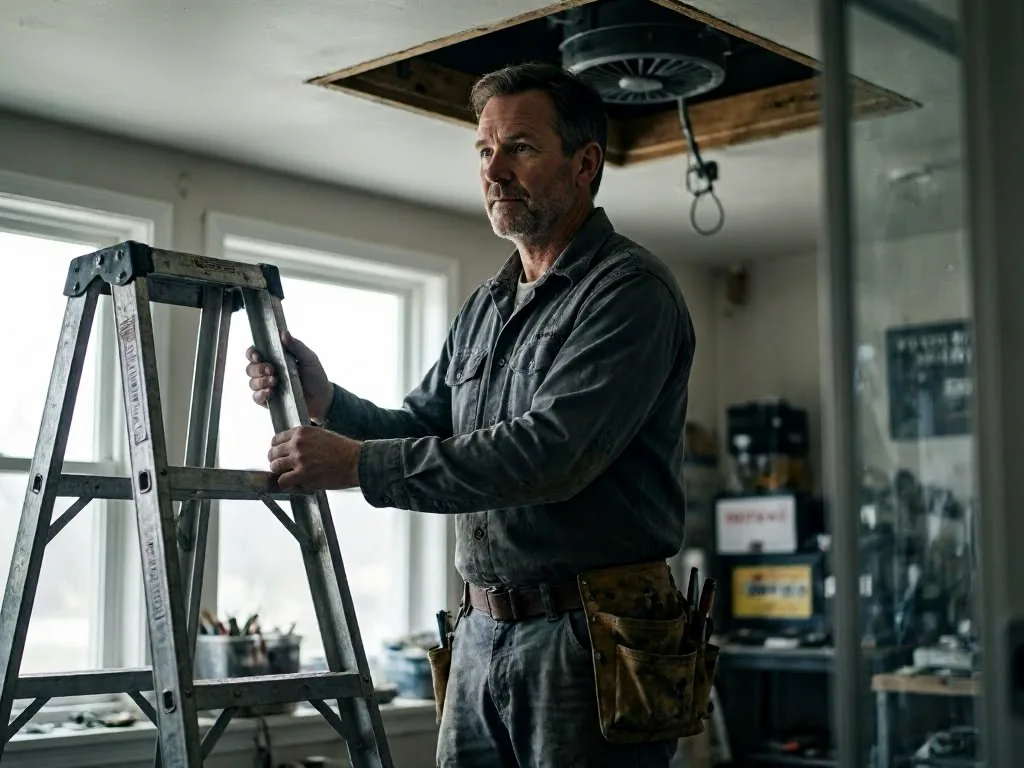
Attic Fan Installation is a specialized service that solves a specific on-site problem for homes and businesses in the area.
According to U.S. Bureau of Labor Statistics , U.S. Electricians had a median annual wage of $62,350. A labor-cost benchmark for electrically wired attic-fan installation work.
Source: U.S. Bureau of Labor Statistics·Year: 2024
Data from U.S. Bureau of Labor Statistics shows that employment of electricians in the United States.818,700 jobs in 2024, indicating the size of the core trade workforce for residential electrical installations such as hardwired attic fans.
Source: U.S. Bureau of Labor Statistics·Year: 2024
Lower attic heat can reduce strain on cooling equipment.
A dedicated circuit can reduce nuisance breaker trips.
Better airflow helps limit heat trapped near roof materials.
Tested controls make fan use easier for homeowners and staff.
Proper seals reduce the chance of water entry around the fan.
Highland homes gain a plan suited to warm summers and low freeze risk.
A site assessment checks attic access, roof vents, fan location, and nearby wiring. This sets the work limits before parts are chosen and gives the client a clear scope.
A load calculation and circuit trace test the panel, breaker, cable, and shared loads. The result shows whether the fan needs new power or a safer circuit.
An airflow path inspection checks intake vents, blocked channels, insulation, and roof openings. This prevents a motor from running against poor air flow.
NEC wiring practice guides cable support, grounding, switching, and protection. The customer receives a fan circuit that matches the planned load and control method.
Testing and verification check motor operation, switch response, breaker behavior, and roof seals. Highland work receives a final review suited to warm summers and low freeze risk.
A Highland homeowner may notice a hot upstairs room and a fan that stops after short use. The cause may be a weak switch, poor airflow, or a circuit shared with other loads. We isolate the circuit, inspect the attic path, and test the fan before changing parts.
County permit needs are checked when wiring or roof work changes.
We trace the circuit before adding fan power. This helps prevent an overloaded panel and exposes unsafe wire before installation.
Fan size follows the roof space and vent path. We won't sell a fan when blocked intake vents or poor insulation will limit the result.
We explain when a permit pull or inspection may apply. You receive plain guidance before work begins, without hidden process terms.
Tight attic paths need careful wire routing and support. We plan the route before pulling cable. Which limits damage to finished areas.
Highland roof spaces can hold intense summer heat. We place controls and equipment for daily use. While checking older panels common in the area.
SanBernardino-Electrician.com provides complete Attic Fan Installation in Highland. Here's what you get,
Attic Fan Installation cost depends on roof access, fan type, circuit condition, controls, and permit needs. New circuits or panel work add scope beyond a basic fan replacement.
Basic scope
Existing circuit, accessible attic, one fan, standard control, and final operation test.
Added wiring scope
New cable, switch work, airflow checks, roof seal review, and inspection guidance.
Full correction scope
Dedicated circuit, panel changes, access limits, vent concerns, multiple controls, and county permit coordination.
Final cost depends on fan type, access, wiring, roof conditions, and required permit work.
This table compares the main decisions that affect fan fit, safety, and approval.
| Decision Factor | Existing Circuit | New Circuit or Panel Work |
|---|---|---|
| Best fit | Accessible fan replacement | Added motor load |
| Main check | Circuit tracing | Load calculation |
| Local concern | Older panel condition | County permit review |
| Roof work | Existing opening | New seal check |
| Typical setting | Single-family home | Shop or industrial site |
Regulatory framework
The National Electrical Code provides rules for safe electrical wiring, grounding, and circuit protection. Local work may follow the code cycle adopted by the authority having jurisdiction.
www.nfpa.orgRegulatory framework
San Bernardino County may oversee permits and inspections for electrical work in its jurisdiction. Permit needs depend on the project scope and property.
The local process starts with a site check and ends with testing and verification.
San Bernardino County may control permit and inspection steps.
Property records, panel photos, fan details, and roof access notes help define the work.
These details support safer circuit tracing and scope planning.
Attic Fan Installation in Highland improves attic airflow for homes, shops, and small industrial sites.
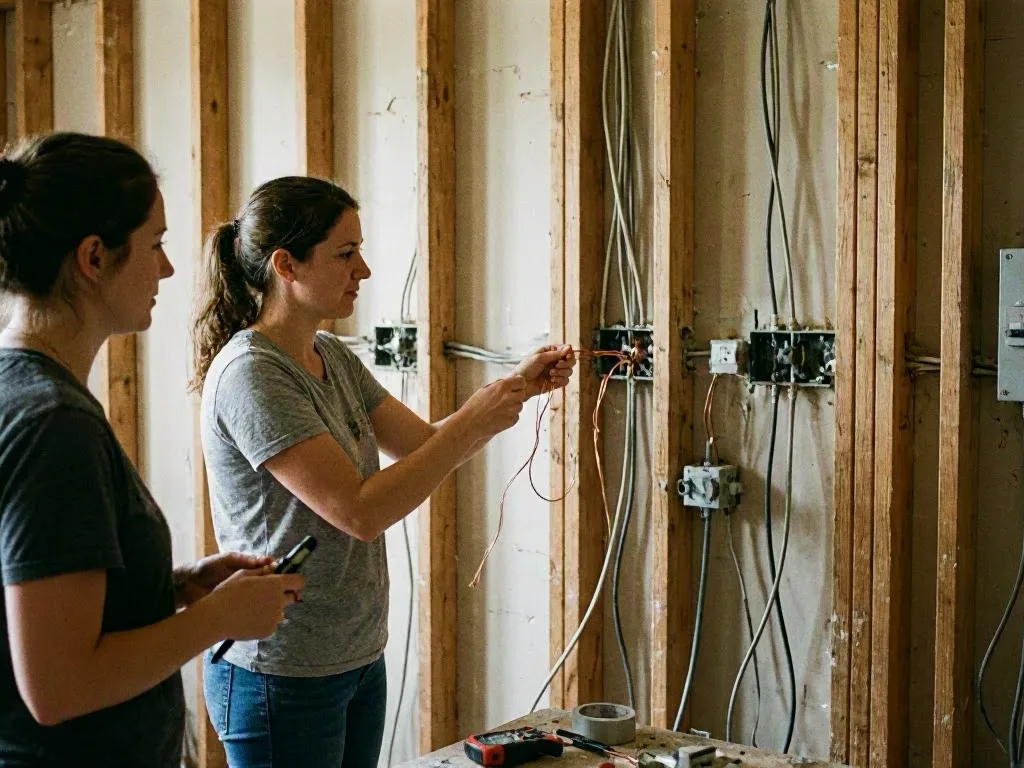
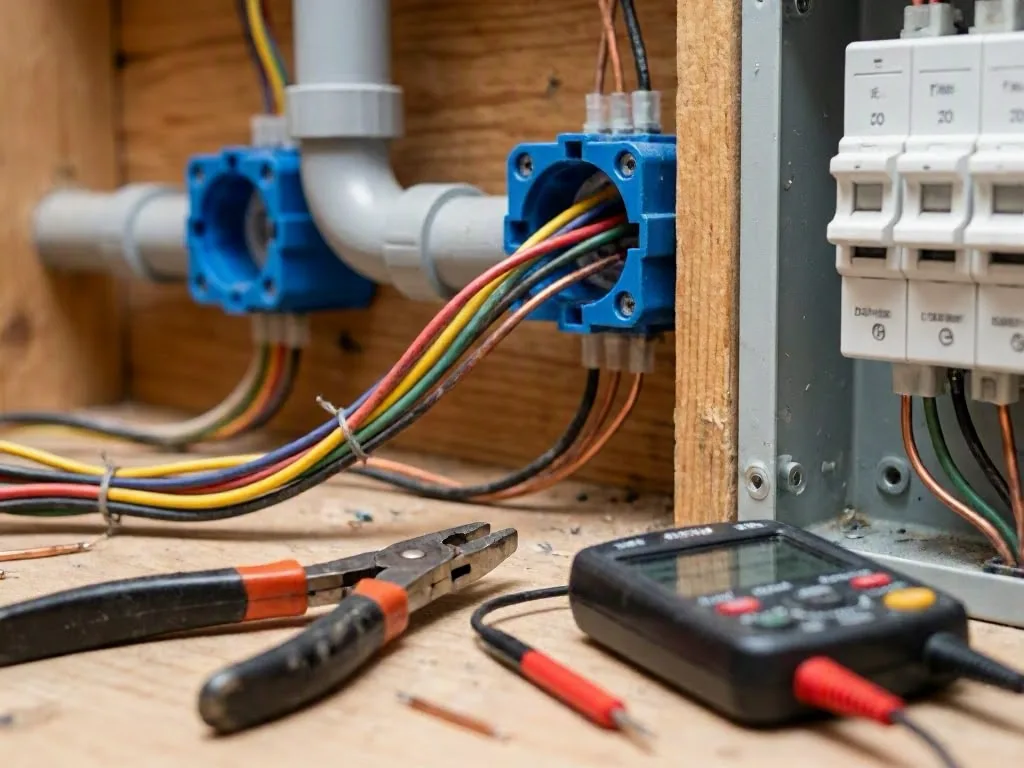
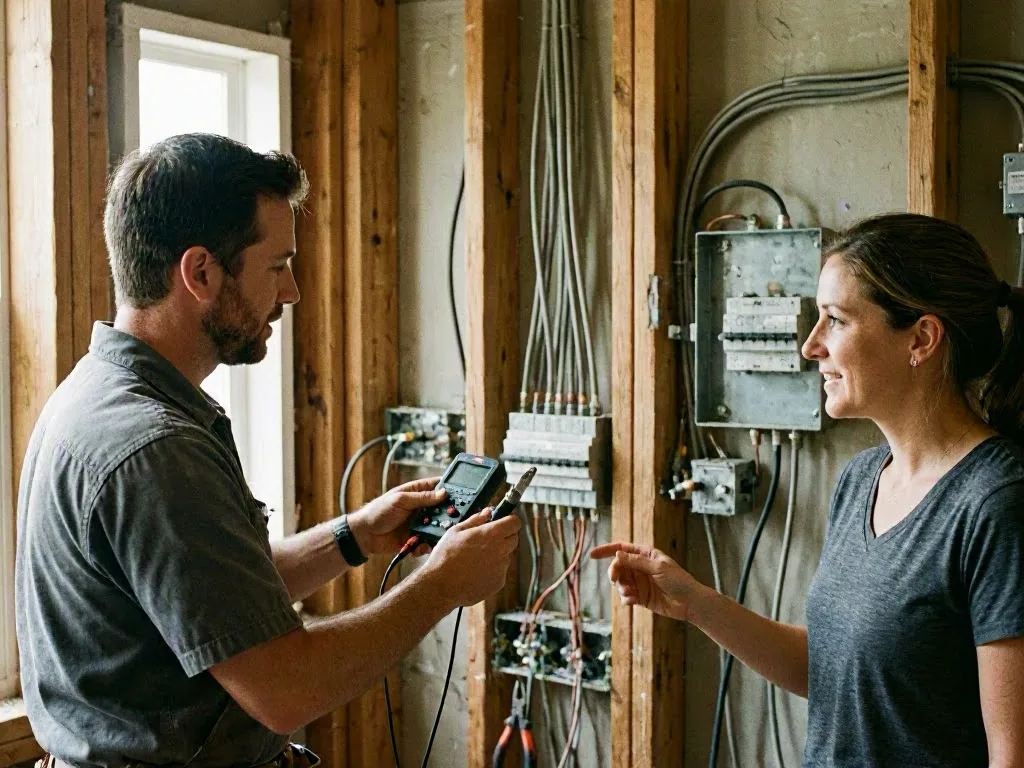
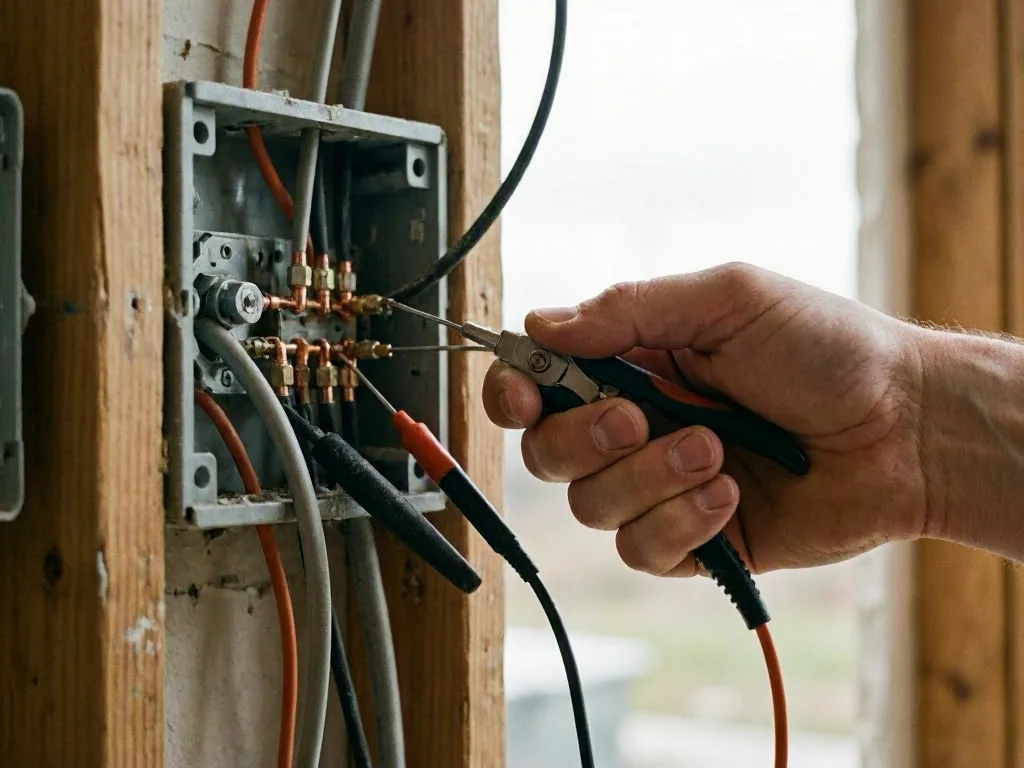
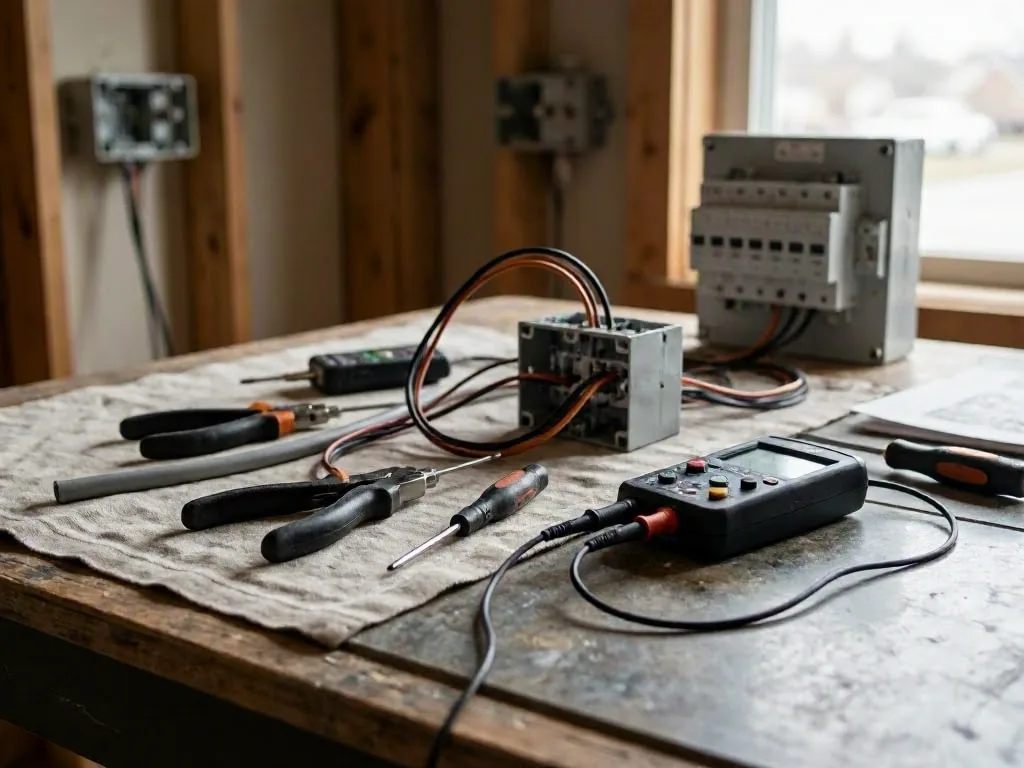
You’ll receive a first site assessment. With emergency dispatch or same-day scheduling when the issue is urgent.
Call SanBernardino-Electrician.com at +1 271-0200 for urgent electrical help or to plan your next upgrade.
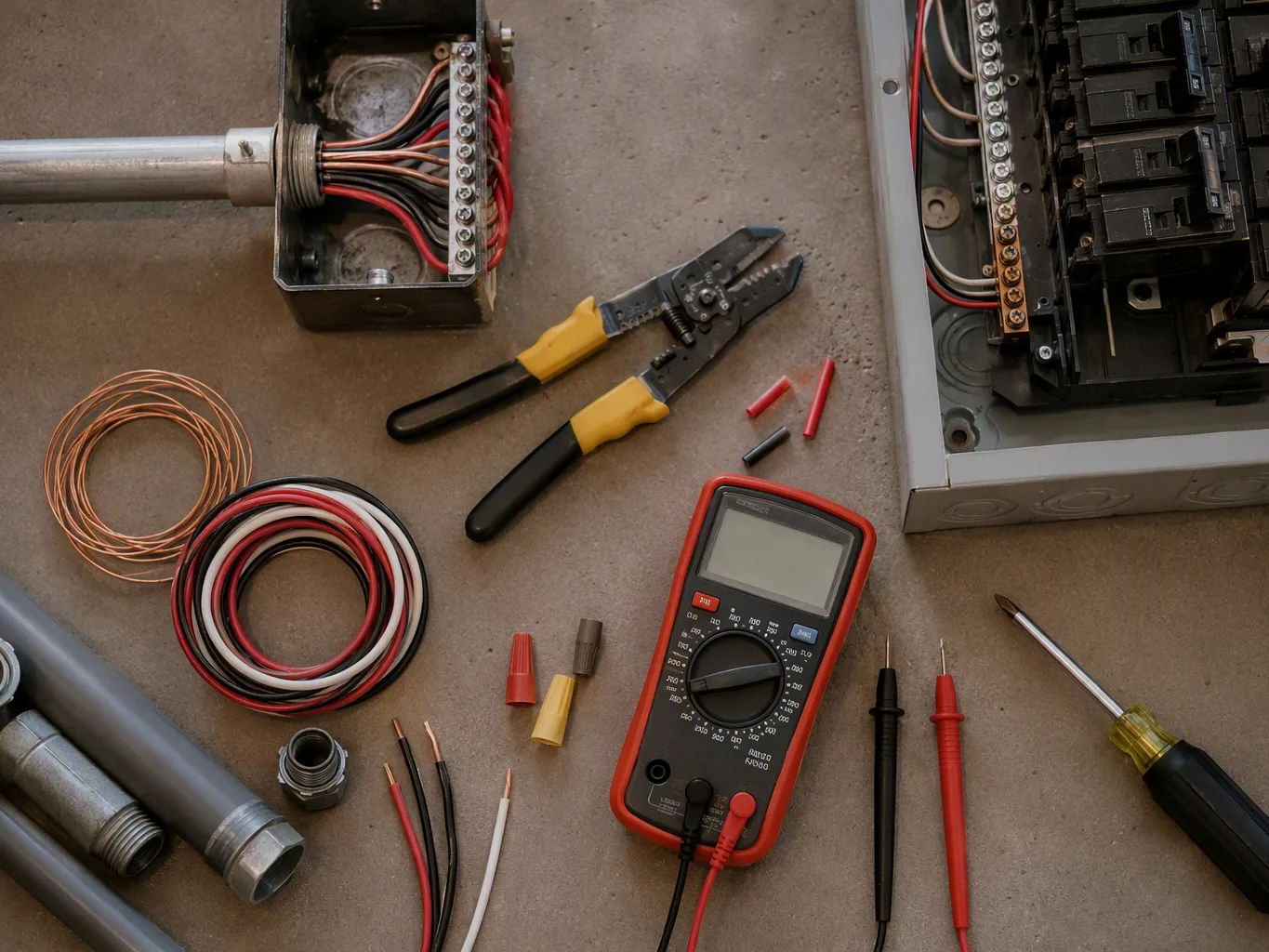
Limited attic access can hide the cause when a fan stops again after a quick switch change. In Highland, CA, we isolate the fan circuit, trace the cable, inspect the motor, and check blocked intake vents. The safe next step is a full diagnosis before another part is fitted. This prevents repeated faults and shows whether wiring, airflow, or the fan itself needs work.
A property owner in Highland, CA schedules a sale inspection after buyers notice a hot upper floor. The attic fan may run, yet poor vents or a weak circuit can threaten comfort and business continuity. We test the fan, check the panel, and contain unsafe power before recommending work. The owner receives documented findings, permit guidance, and a choice between repair, replacement, or added ventilation.
A property manager comparing installers for Highland, CA rental homes needs safe access and simple records. We coordinate entry with the owner or manager, explain the fan scope, and identify any permit step. The decision stays clear because the customer sees the wiring plan before approving work.