What is included in dedicated circuit installation?
Electrical cable, a circuit breaker, panel connections, a receptacle, and final testing are included in the planned installation. We first check the equipment load and panel capacity. Then we route the cable, connect the breaker, fit the receptacle, and verify the finished circuit. The exact work depends on the equipment point and access through the property.
What should be checked before dedicated circuit installation is scheduled?
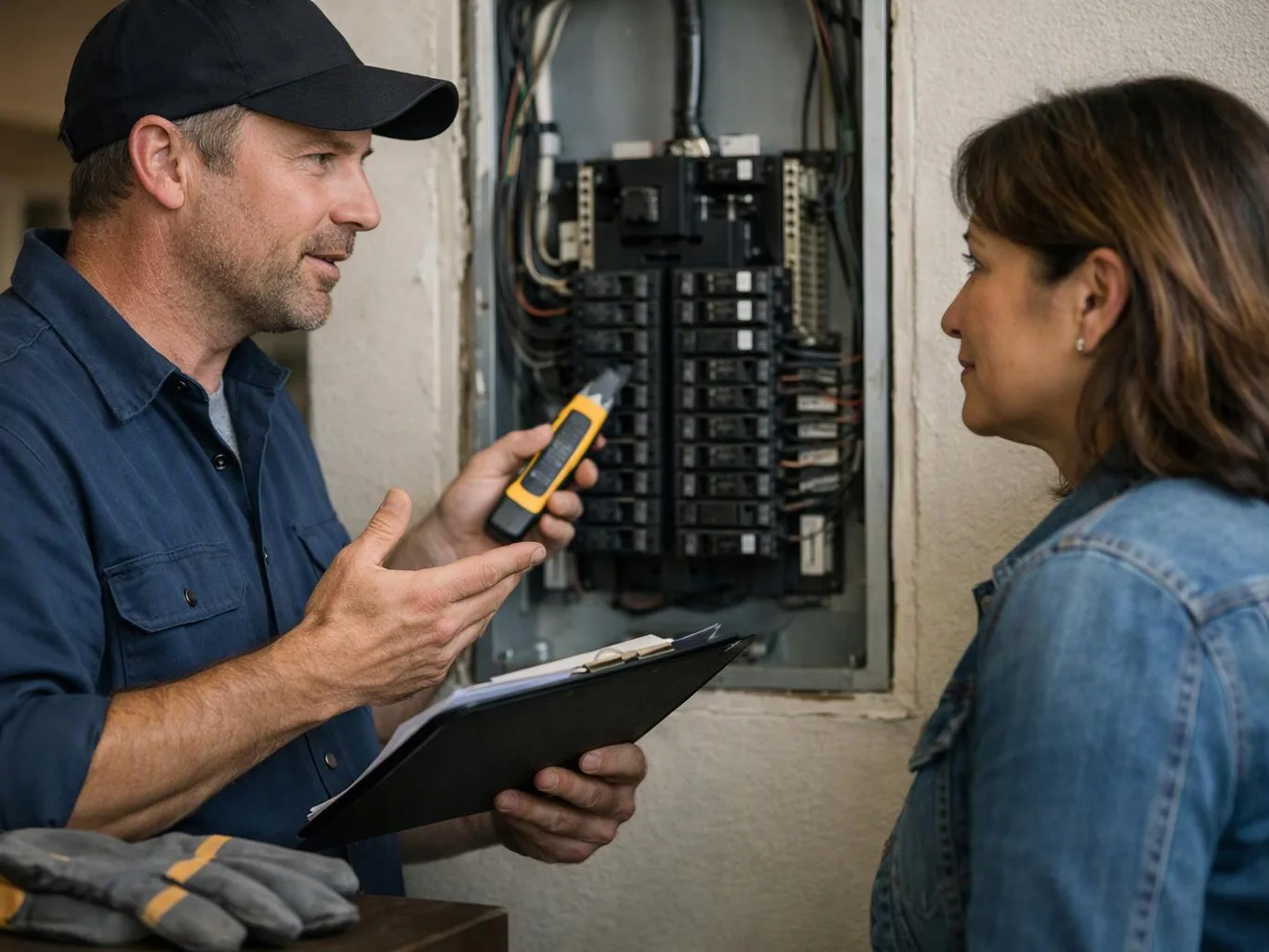
Panel capacity and the equipment load should be checked before scheduling the work. We inspect breaker space, existing wiring, grounding, the cable route, and the planned receptacle location. Access also matters because walls, ceilings, and finished surfaces can affect the installation path. These checks help define the work and the quote.
Who is a good fit for dedicated circuit installation, and who needs a different service?
Homes and businesses adding equipment or separating a high-demand load are good fits for dedicated circuit installation. We assess the panel and equipment before confirming the scope. A dead outlet, utility outage, damaged service entrance, or faulty panel may need troubleshooting or repair first. We explain that distinction during the assessment.
What happens at each stage of dedicated circuit installation?
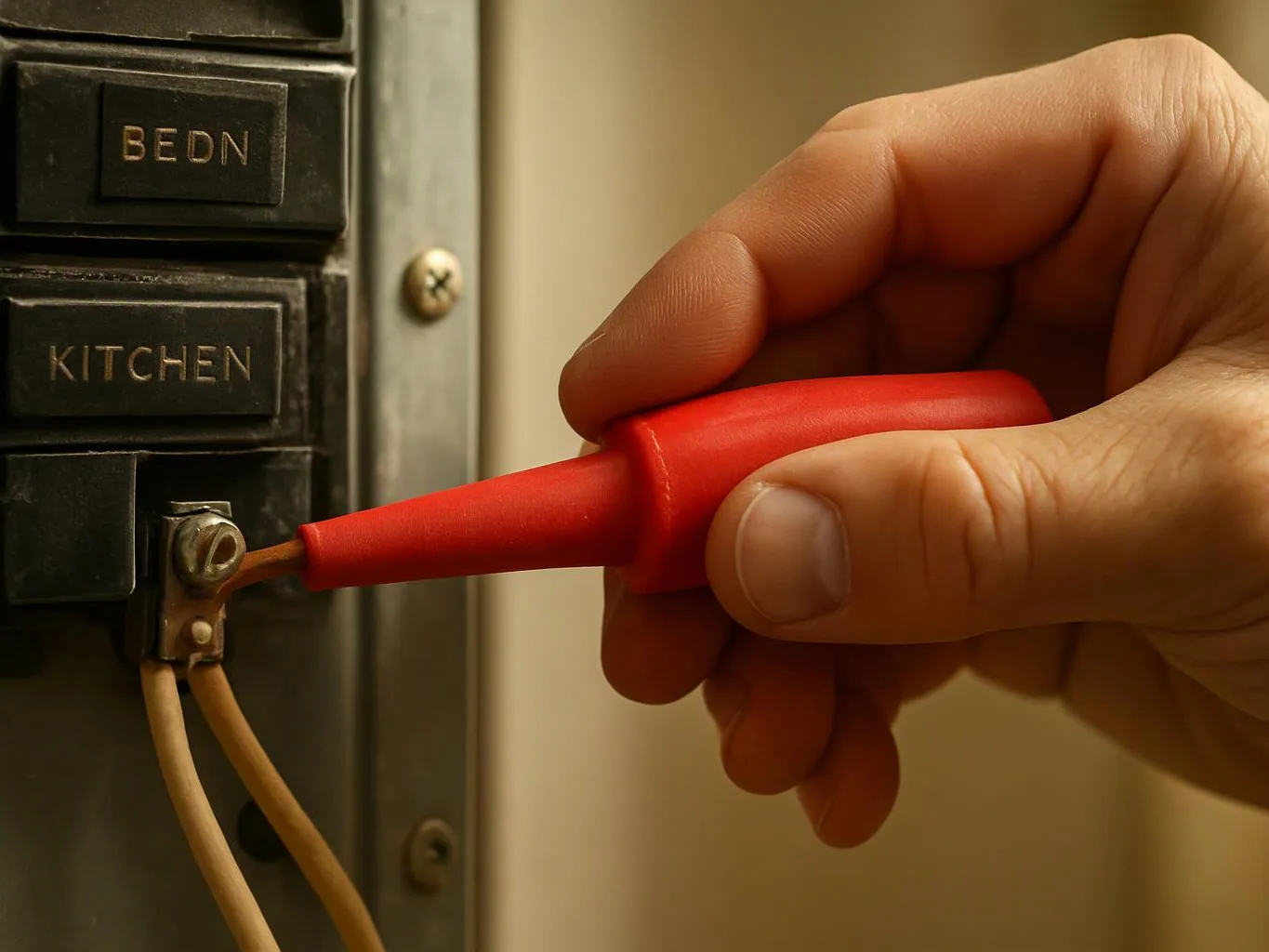
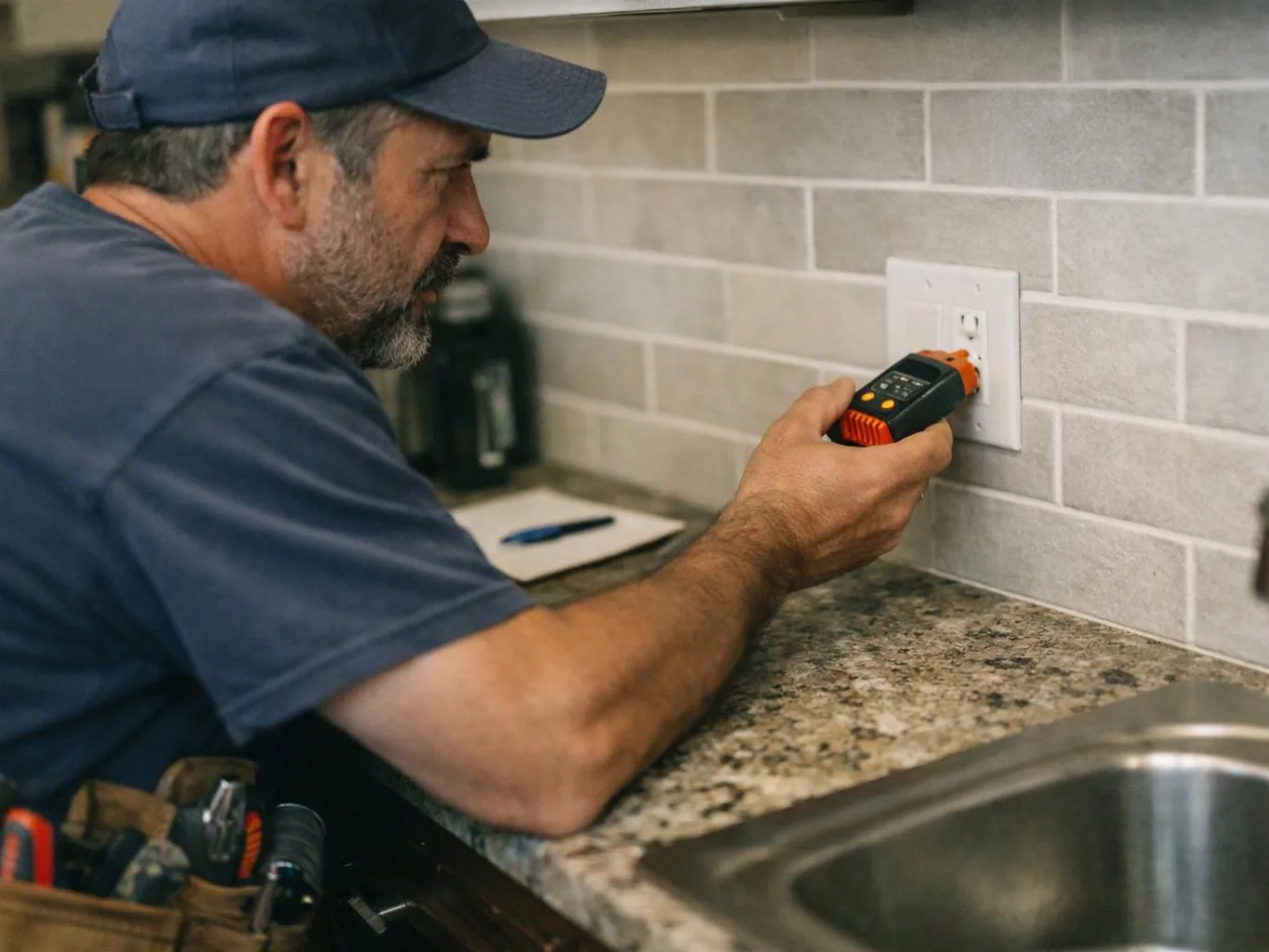
The work moves from inspection to circuit planning, installation, connection, and testing. We check the panel and load, plan the cable route, install the breaker and wiring, connect the receptacle, and verify the finished circuit. We also explain the panel connection and intended equipment use before the work is complete.
Which panel issue can change the installation scope?
Limited panel capacity can change the installation scope. We check available breaker space, service capacity, existing connections, and signs of panel damage. A panel upgrade or service entrance upgrade may be needed when the existing system cannot support the planned load. We explain that added work before installation begins.
When should a tripping breaker lead to an electrical assessment?
A breaker that trips repeatedly should lead to an electrical assessment before the equipment is used again. We inspect the load, receptacle, wiring, breaker, and panel connection to find the cause. A burning smell, buzzing panel, or sparking outlet calls for urgent electrical attention because those signs can indicate a serious hazard.