What problems can indicate inadequate electrical grounding?
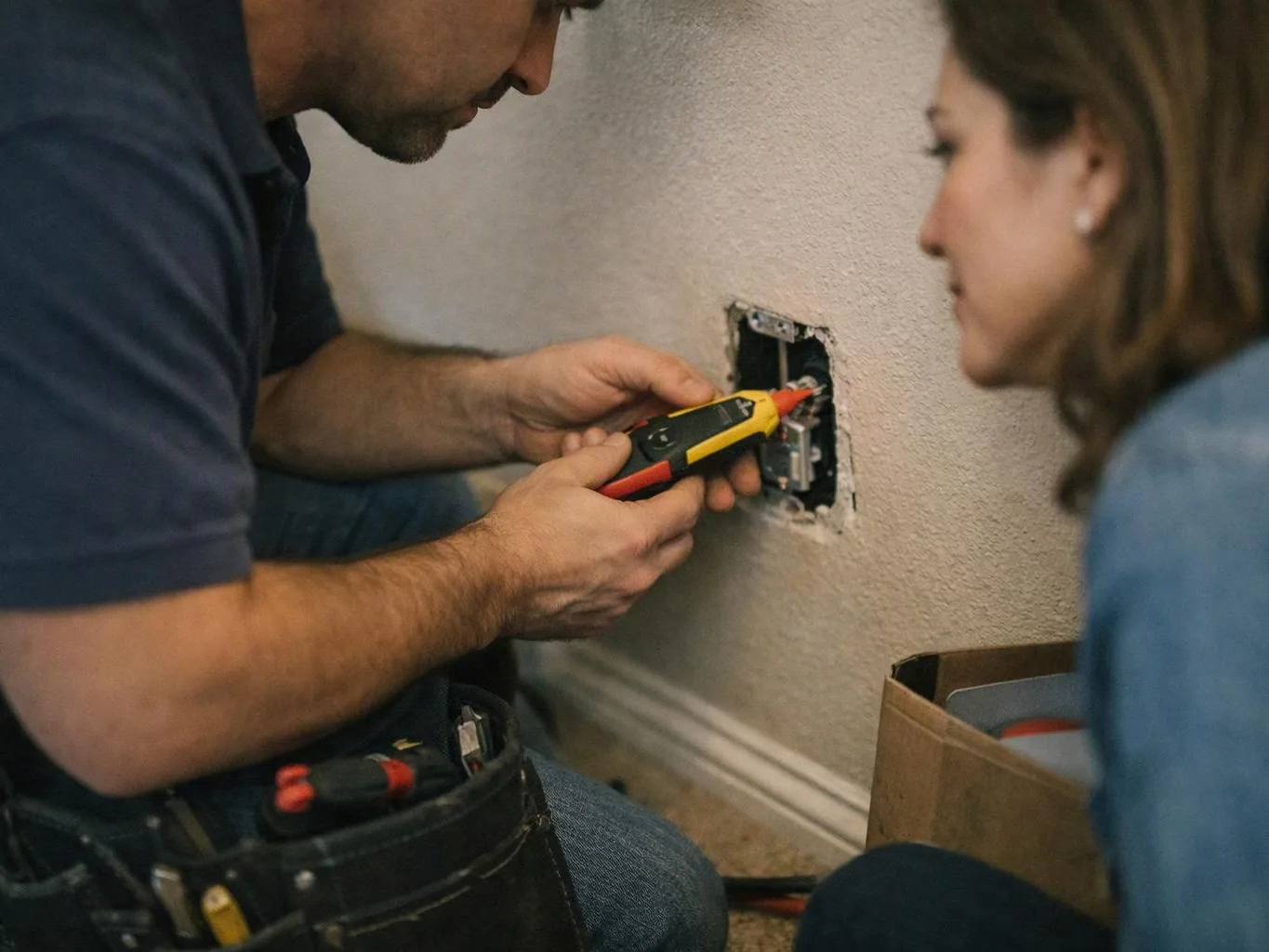
Outlet faults, electrical shocks, flickering lights, corroded connections, and surge damage can indicate inadequate grounding. We inspect the affected circuit, grounding conductor, panel connection, and bonding points. Customers should stop using an outlet that shocks, sparks, smells hot, or repeatedly trips a breaker until we assess it.
How does a grounding visit move from the first call to the last step?
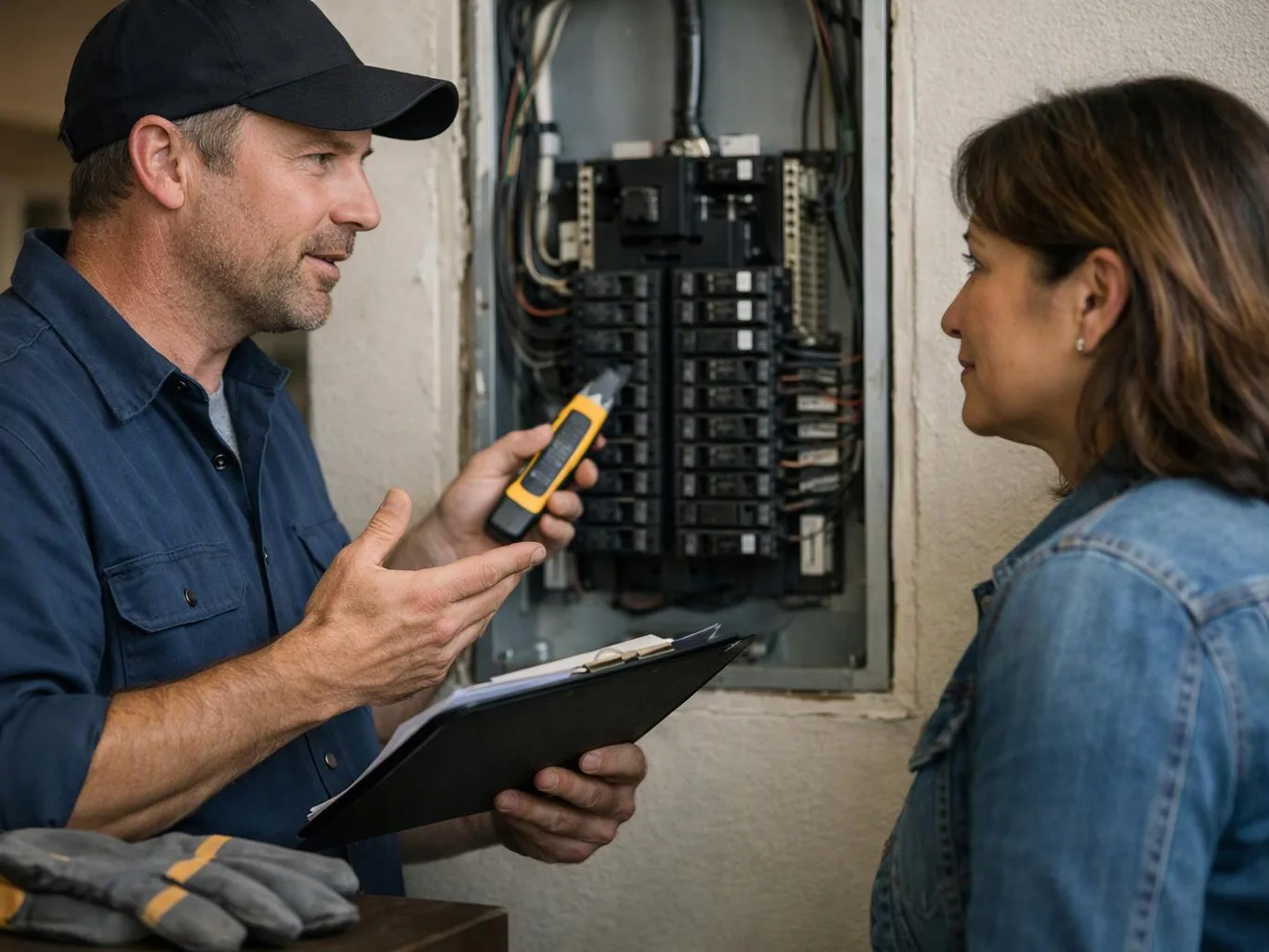
The visit moves from symptom review to circuit inspection, grounding checks, repair approval, and final testing. We first identify the affected outlet or circuit. We then explain the findings, provide a free estimate, complete the approved work, and verify the repaired path before discussing care or follow-up needs.
Which part of the property decides the grounding work scope?
The panel connection and the affected circuit usually decide the grounding work scope. We also check outlet boxes, grounding conductors, bonding points, and access to the wiring. A local outlet fault may need a focused repair, while missing or damaged grounding paths can require broader circuit work.
How can I tell whether grounding work fits my property?
Grounding work fits a property with shocks, ungrounded outlets, unexplained surges, or circuits that show grounding faults. A visible outlet problem does not prove the full circuit is grounded. We inspect the outlet and trace its circuit before choosing grounding correction, outlet repair, rewiring, or another service.
What should I do before someone checks a sparking outlet?
Turn off the affected circuit if you can do so safely, and stop using the outlet. Do not touch damaged parts or keep resetting a tripped breaker. We inspect the outlet, wiring, circuit, and panel connection to identify whether the cause is grounding failure, loose wiring, or another electrical hazard.
When does surge damage point to a grounding concern?
Surge damage points to a grounding concern when several devices fail or the affected circuit shows other warning signs. We check the grounding path, bonding points, panel connections, and surge protection needs. Customers should preserve damaged equipment details, because that information helps connect the symptom to the circuit inspection.
Why does a two-prong outlet need a closer circuit check?
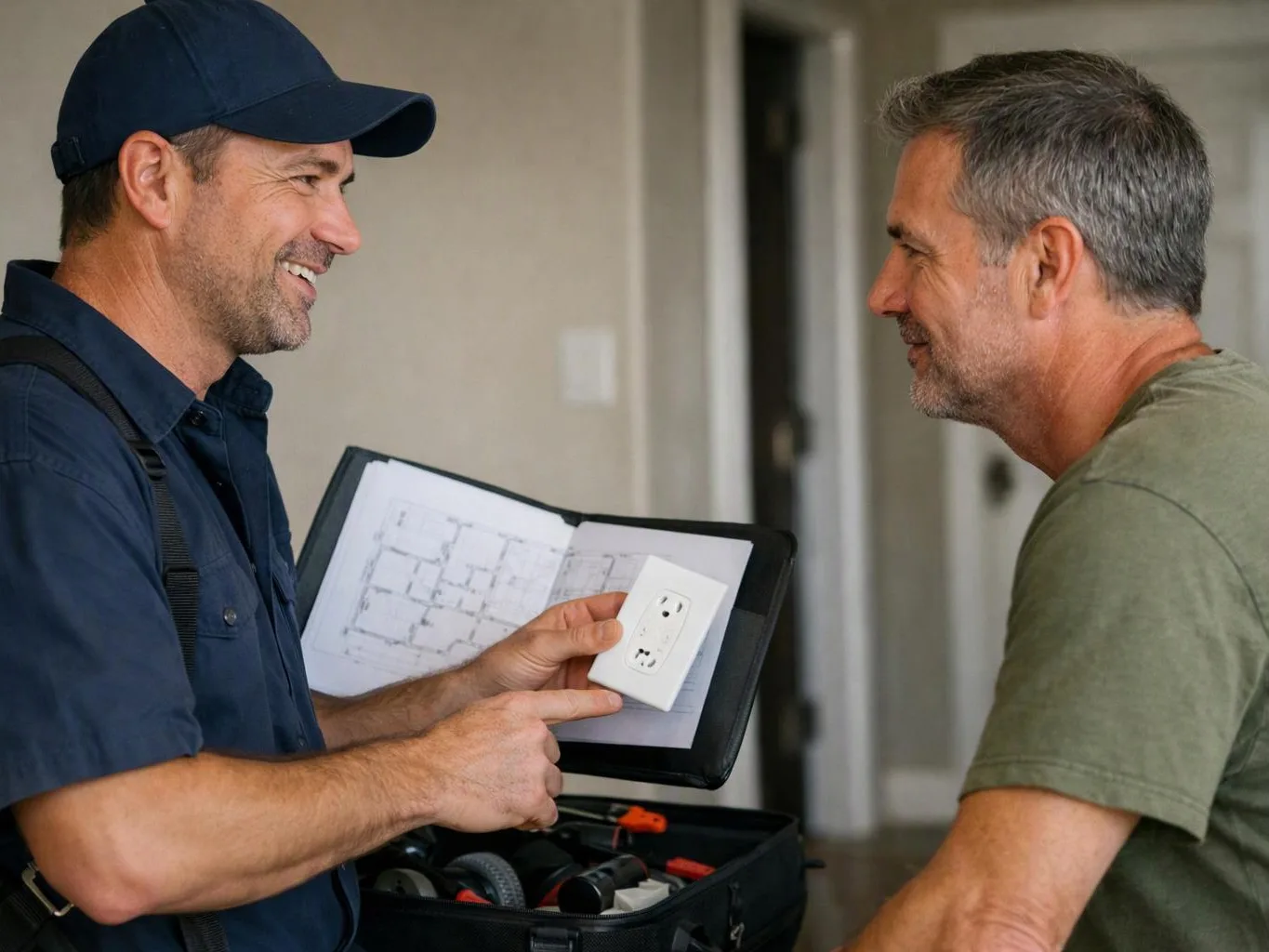
A two-prong outlet signals that the receptacle may not have an equipment grounding path. We trace the circuit and inspect the box, conductors, and panel before recommending a replacement. Installing a different outlet without checking the circuit can leave the underlying grounding problem unresolved.