What problems can electrical panel repair address?
Panel corrosion, loose connections, burned terminals, and faulty breakers are problems electrical panel repair can address. San Bernardino Electrician inspects the affected parts and checks nearby wiring before recommending the work. A focused repair fits isolated damage, while wider enclosure or capacity problems can call for a larger panel project. We explain that distinction before work begins.
How does a panel repair visit move from the first call to the last step?
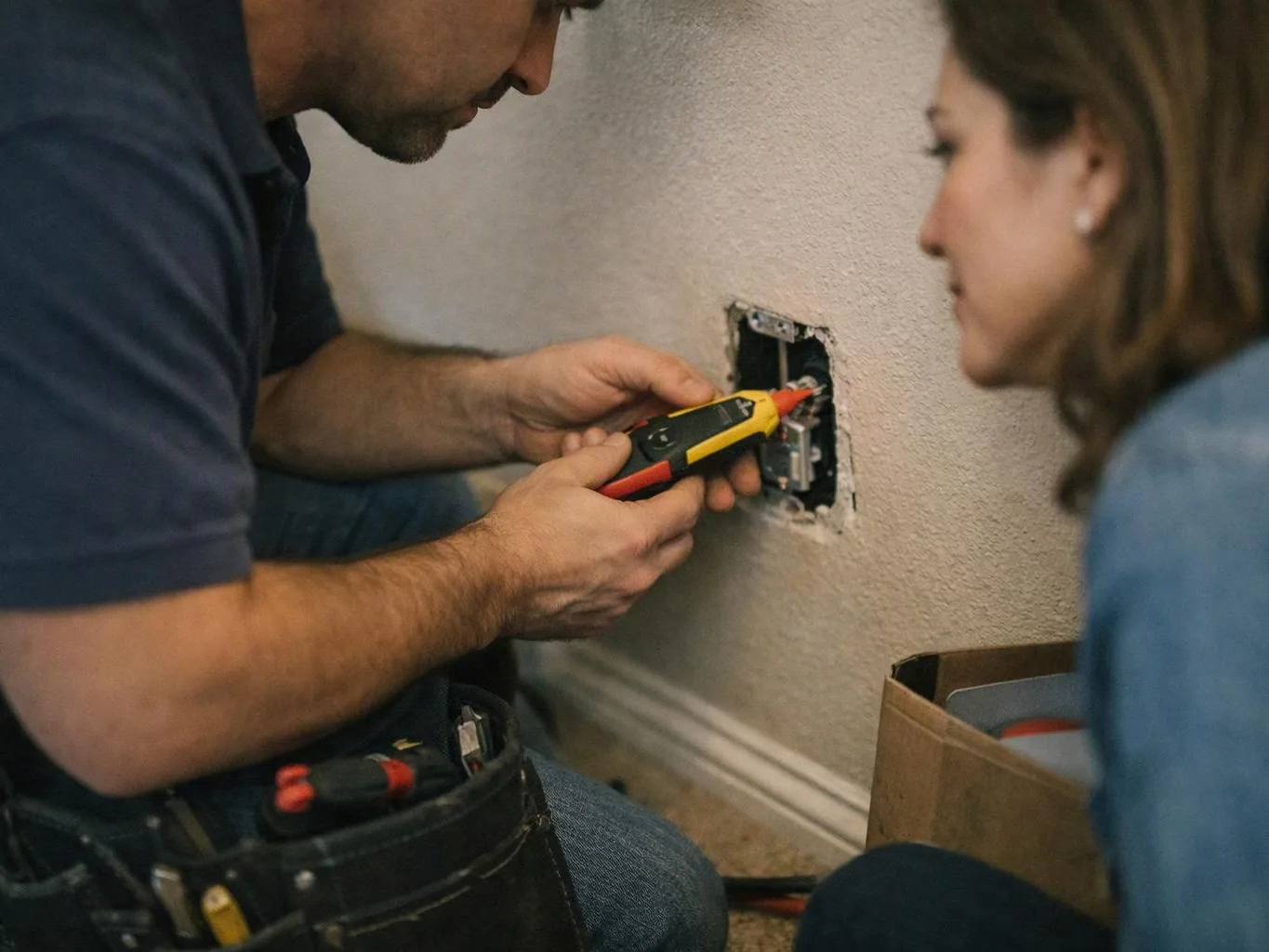
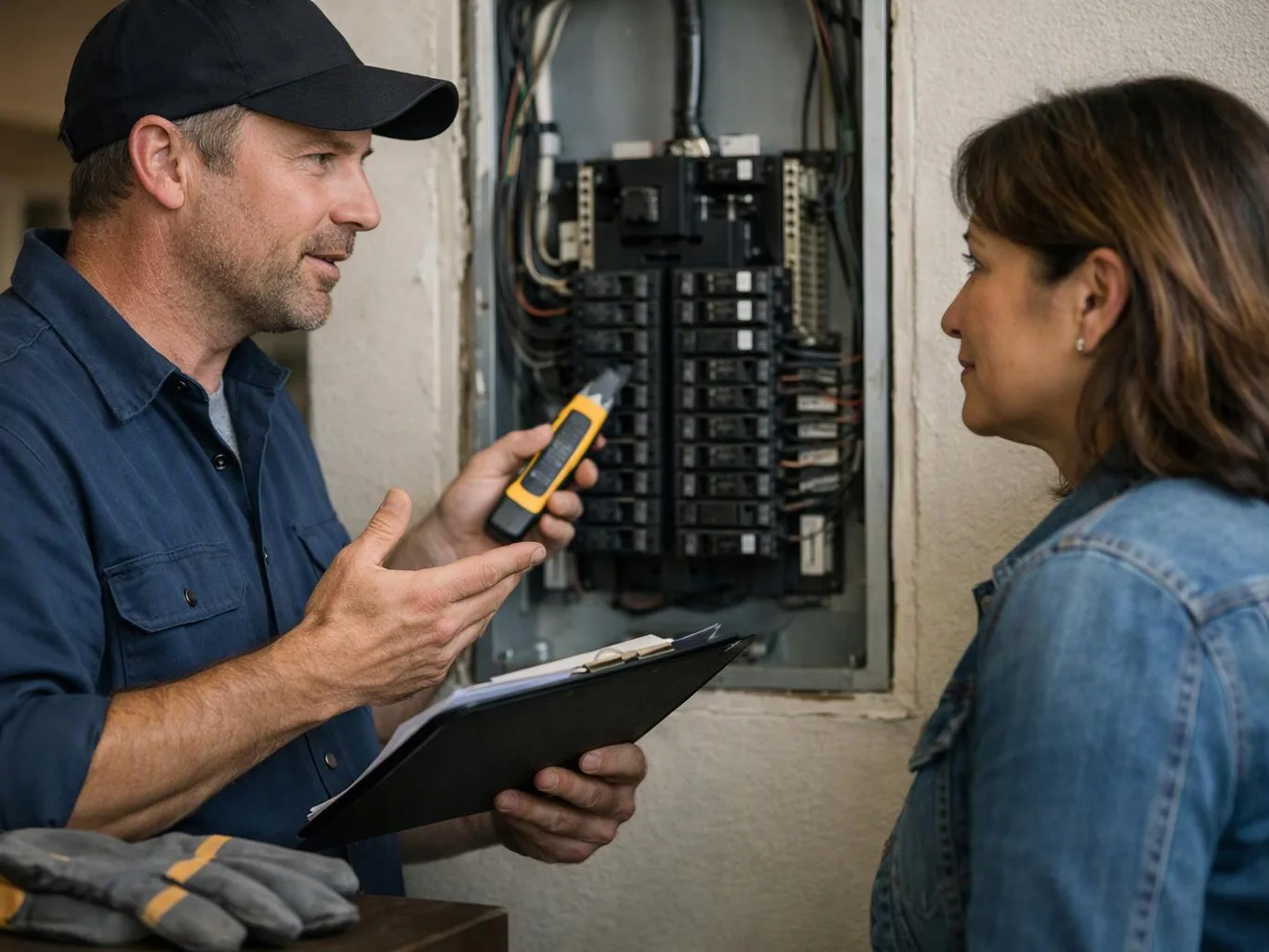
The visit moves from symptom review to panel inspection, circuit tracing, repair planning, approved work, and final testing. We first discuss the issue and property access. Next, our team checks breakers, terminals, connections, and load concerns. After the repair, testing and verification confirm what was addressed, and we explain the completed scope.
Which part of the property decides the scope of panel repair?
The electrical panel and its connected circuits decide the repair scope. The inspection considers the enclosure, breaker contacts, terminals, conductor condition, grounding, and circuit load. Access to the panel also affects how the work is planned. A fault limited to one breaker differs from damage that reaches wiring or the service entrance.
When does panel repair fit a property?
Panel repair fits a property when the fault is isolated to repairable panel parts or connections. We inspect the equipment before making that decision. A faulty breaker, loose conductor, or damaged terminal may suit focused work. A panel with broad damage, poor capacity, or related service entrance issues may need a larger electrical project.
Why does a breaker keep tripping after it is reset?
A repeatedly tripping breaker can indicate a circuit overload, faulty breaker, loose connection, or wiring fault. We trace the affected circuit and inspect the panel before resetting it again. The check includes breaker contact, terminal condition, connected wiring, and load. Stop repeated resets if the panel smells burned, feels hot, or makes a buzzing sound.
What should I provide before requesting a panel assessment?
The panel location, visible symptoms, affected circuits, and recent electrical changes help us plan the assessment. Photos can show the panel label and outside condition, but you should not remove the cover. Tell us if lights flicker, outlets are dead, or a breaker trips. We then use those details with our inspection findings.
How can panel repair address a burned terminal?
A burned terminal requires inspection of the terminal, conductor, breaker contact, and nearby panel parts. We first isolate the affected circuit and check whether heat damaged the wire or enclosure. The repair scope then covers the parts that can be safely repaired. Wider damage can change the work from a terminal repair to a panel replacement discussion.