What causes flickering lights and power loss?
Bad connections often cause flickering lights and power loss. Loose wiring, overloaded circuits, faulty switches, failing breakers, and damaged outlets can create similar symptoms. We trace the affected circuit and test each relevant part. A burning smell, buzzing panel, warm switch plate, or sparking outlet calls for prompt attention.
What does the crew look at first during electrical troubleshooting?
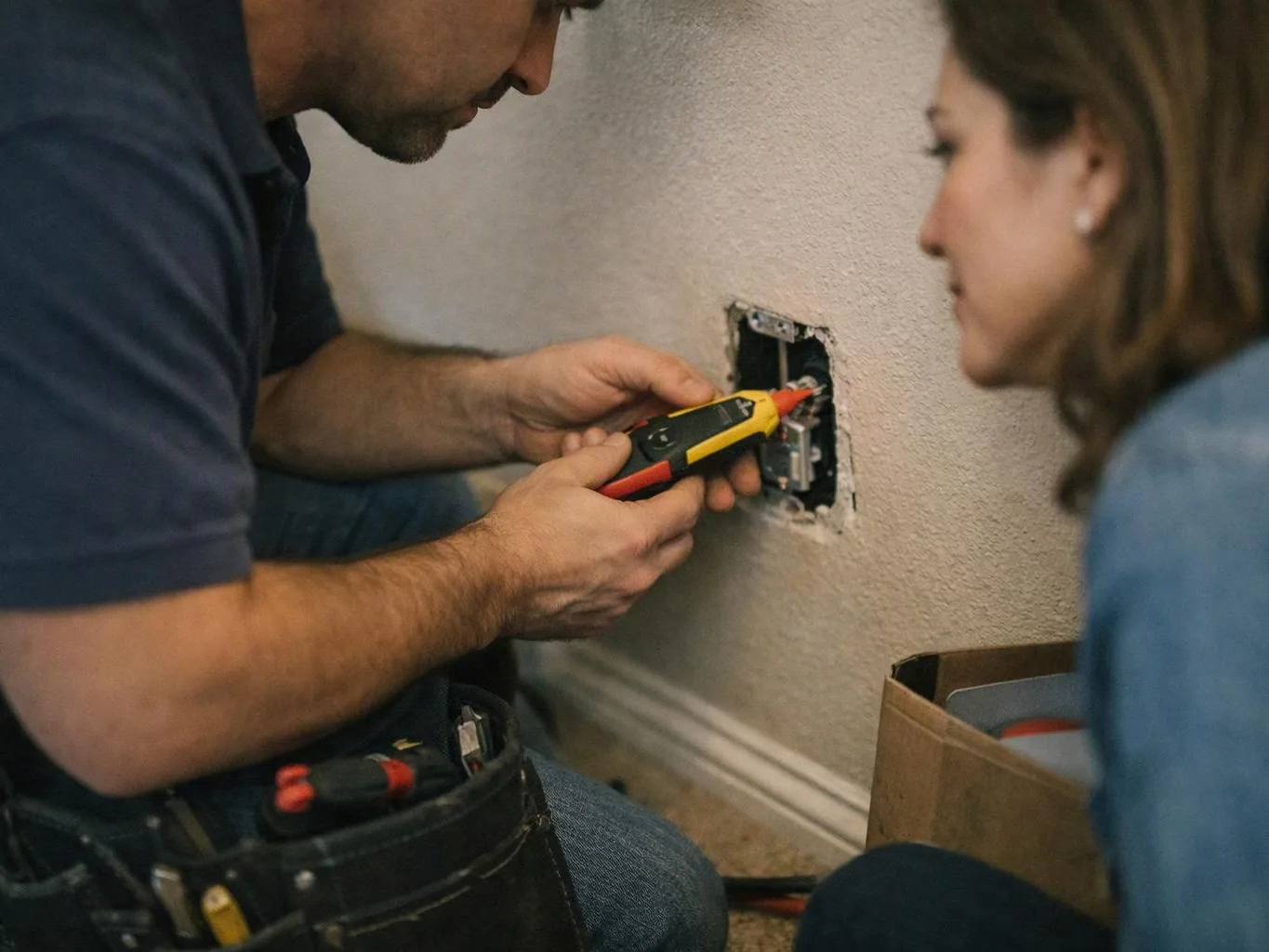
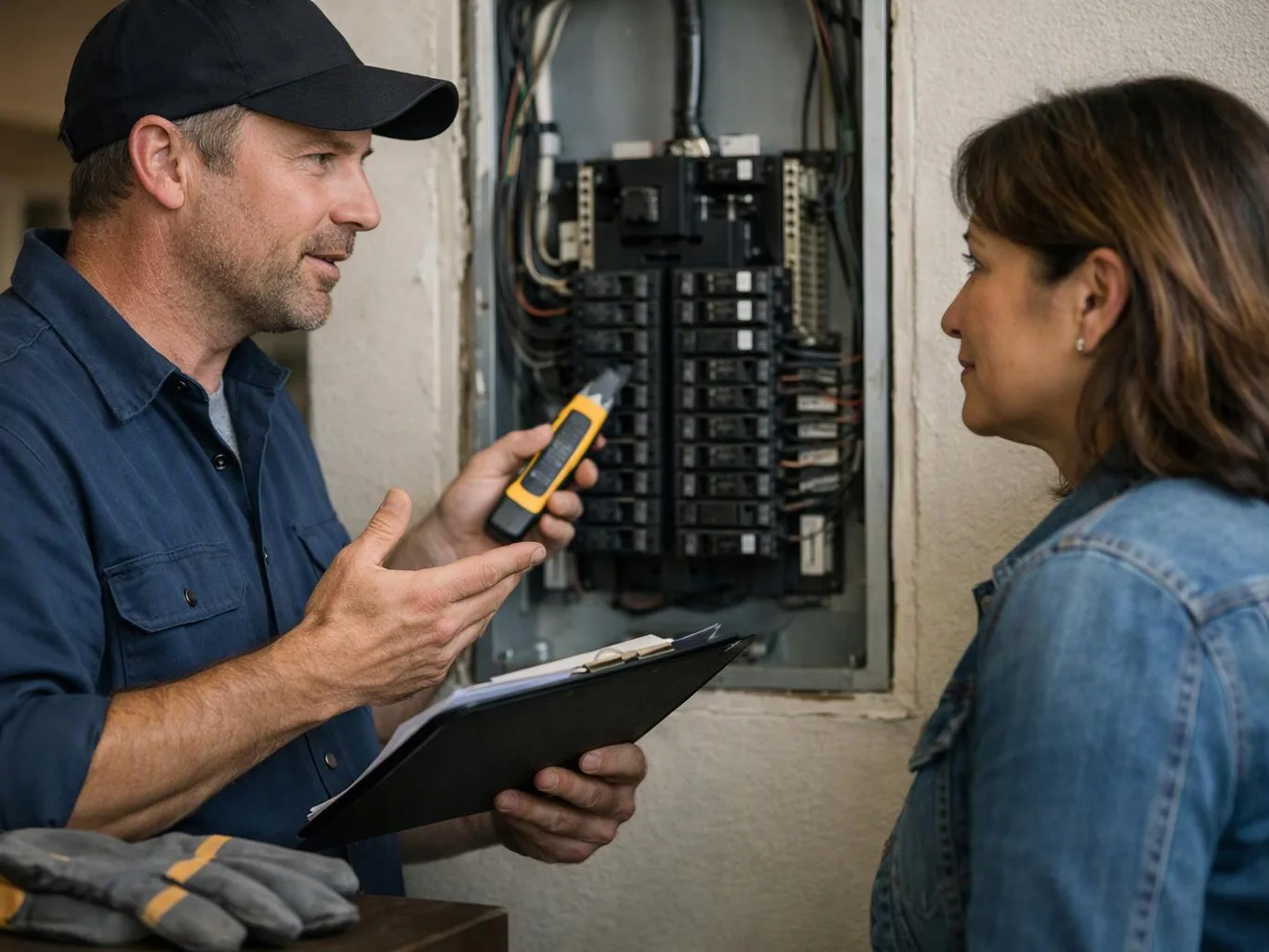
The first check covers the reported symptom, the related breaker, and visible damage near the affected device. We then inspect the panel, switches, outlets, and accessible wiring. This order helps us isolate the circuit before testing individual connections. You can help by noting which rooms or appliances lose power.
What should be checked before electrical troubleshooting is scheduled?
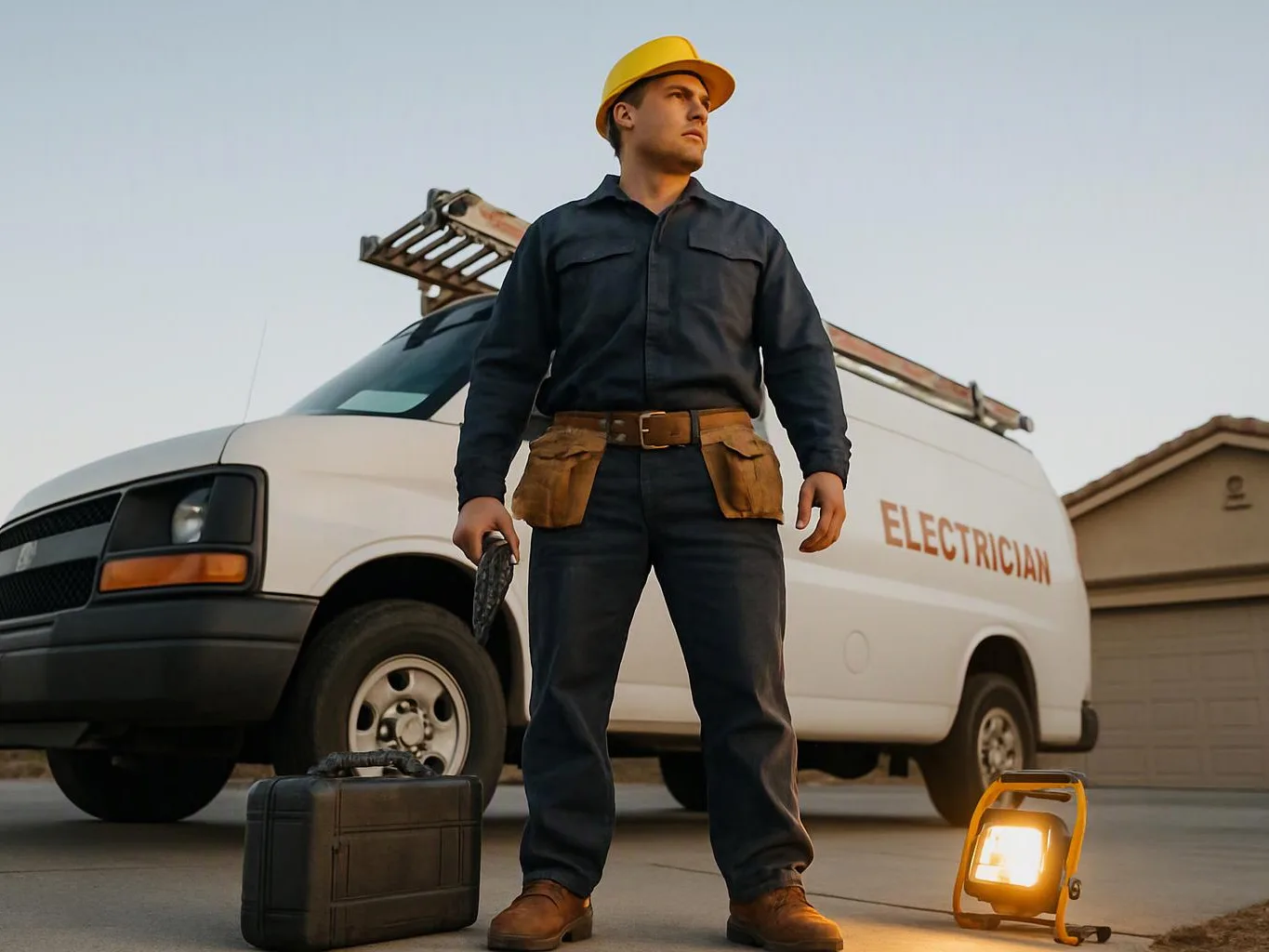
The affected circuit, warning signs, and recent changes should be recorded before scheduling. Note the rooms involved, breaker behavior, appliance use, and any smell, heat, or sparks. Do not open the panel or handle damaged wiring. San Bernardino Electrician uses those details to prepare for a focused assessment.
Who is a good fit for electrical troubleshooting, and who needs a different service?
San Bernardino Electrician provides troubleshooting for homes and businesses with unexplained electrical symptoms. The service fits flickering lights, dead outlets, power loss, faulty switches, and repeated breaker trips. A planned panel upgrade, new circuit, or lighting installation may need a separate project scope after the fault is understood.
Which electrical warning signs make the issue urgent?
A burning smell, sparking outlet, buzzing panel, warm switch plate, or smoke makes the issue urgent. Stop using the affected device or circuit and move away from visible danger. Our team is available 24/7 for electrical emergencies, so describe the warning sign clearly when you request help.
How does circuit tracing help find a power loss?
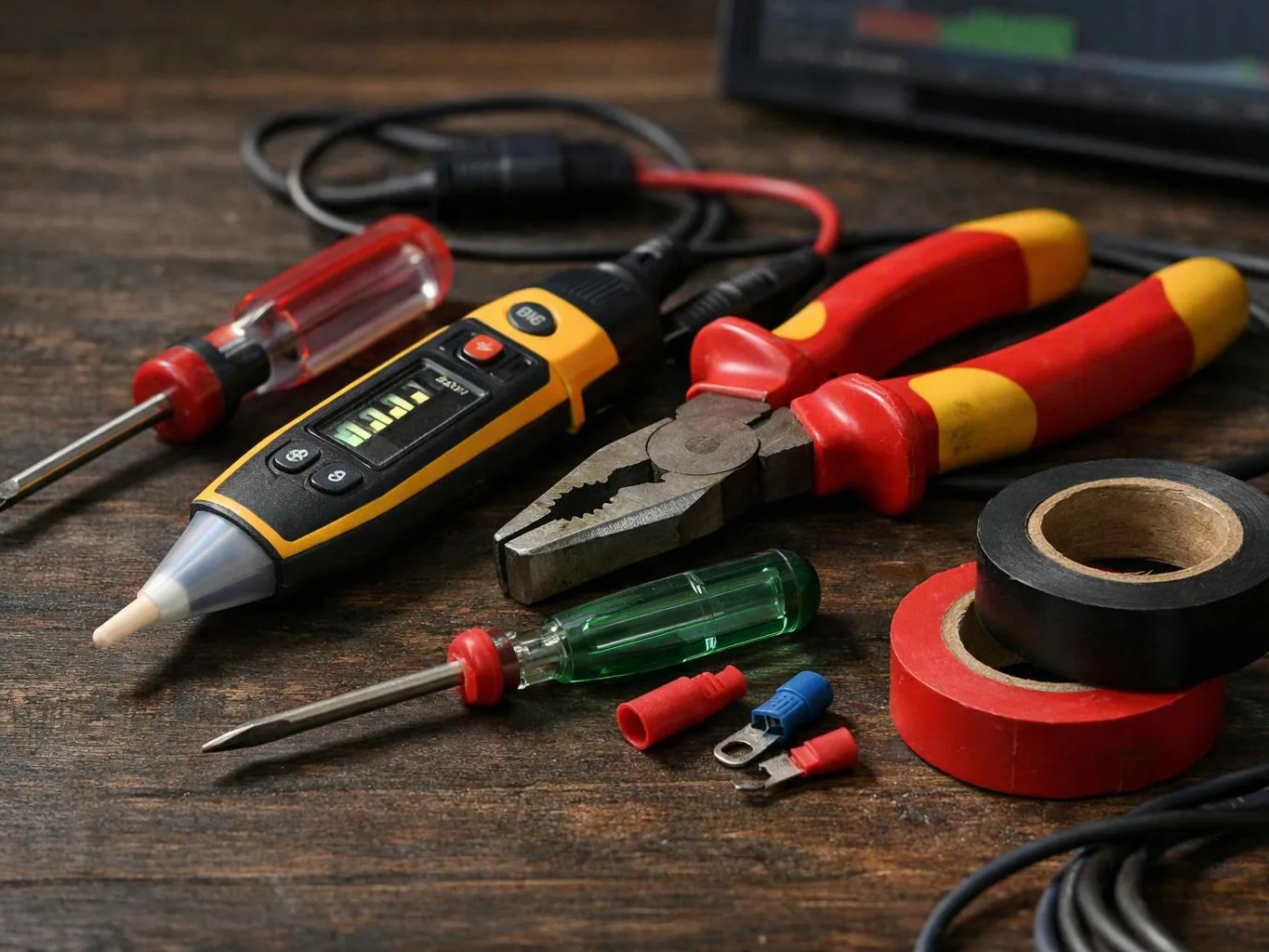
Circuit tracing shows which breaker, wiring path, and devices connect to the affected point. We follow that path and test likely fault locations in order. The work can reveal a loose terminal, failed switch, damaged outlet, or overloaded circuit. We then explain whether the next step is repair or replacement.
Why does a breaker keep tripping after it is reset?
A breaker can keep tripping because the circuit has a fault, excess load, damaged wiring, or a failing connected device. Repeated resets can leave the underlying issue unresolved. We inspect the breaker and circuit, test connected devices, and explain the safest repair path before normal use resumes.