Can emergency repairs prevent electrical fires caused by arc faults?
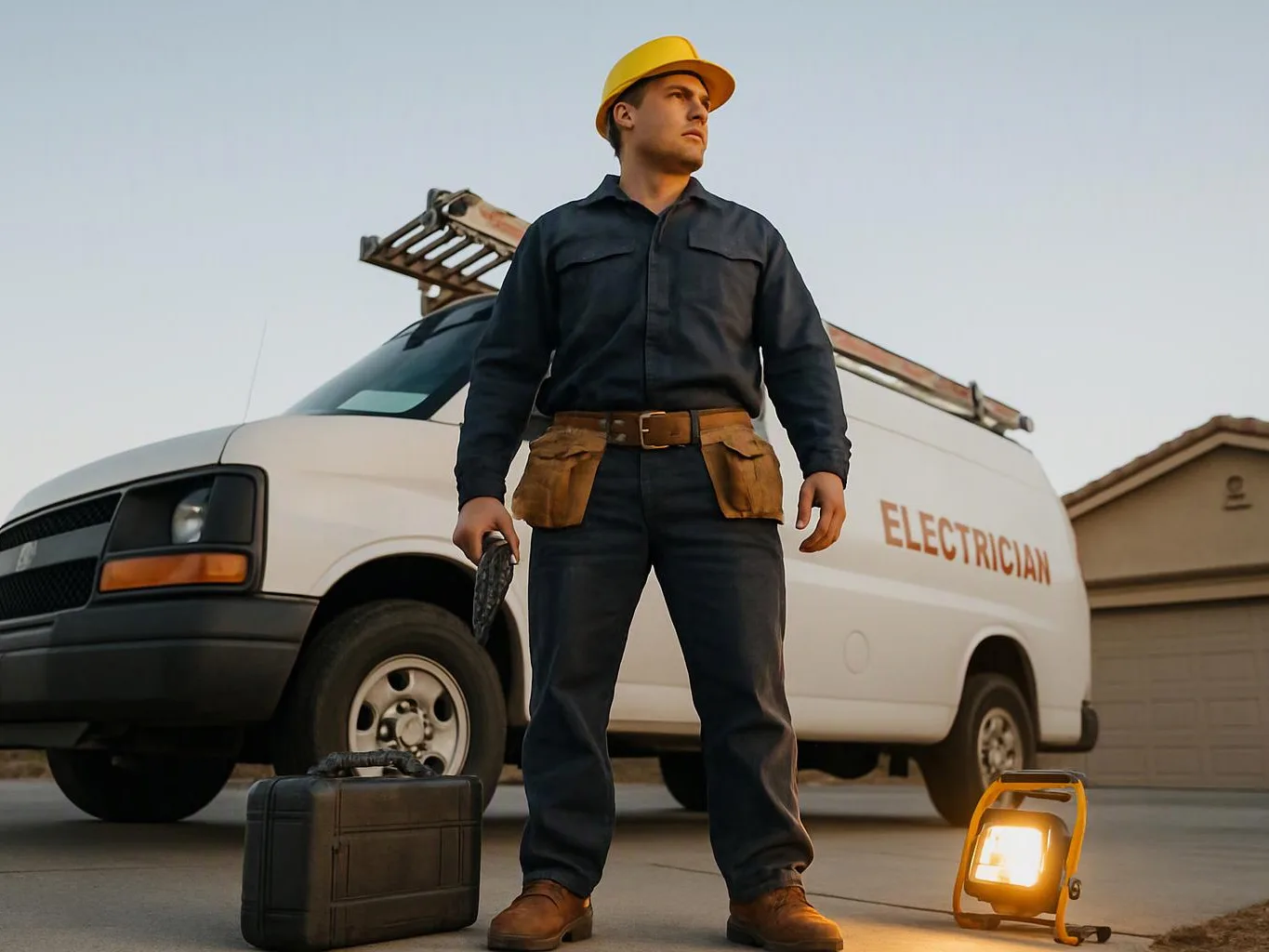
Yes, emergency repairs can reduce fire risk when we find and correct arc faults, heat damage, or damaged insulation. San Bernardino Electrician isolates the affected circuit first, then checks the breaker, wiring, outlets, and connections. Customers should stop using a circuit with smoke, sparks, heat, or a burning smell until we inspect it.
How does an emergency repair visit move from the first call to the last step?
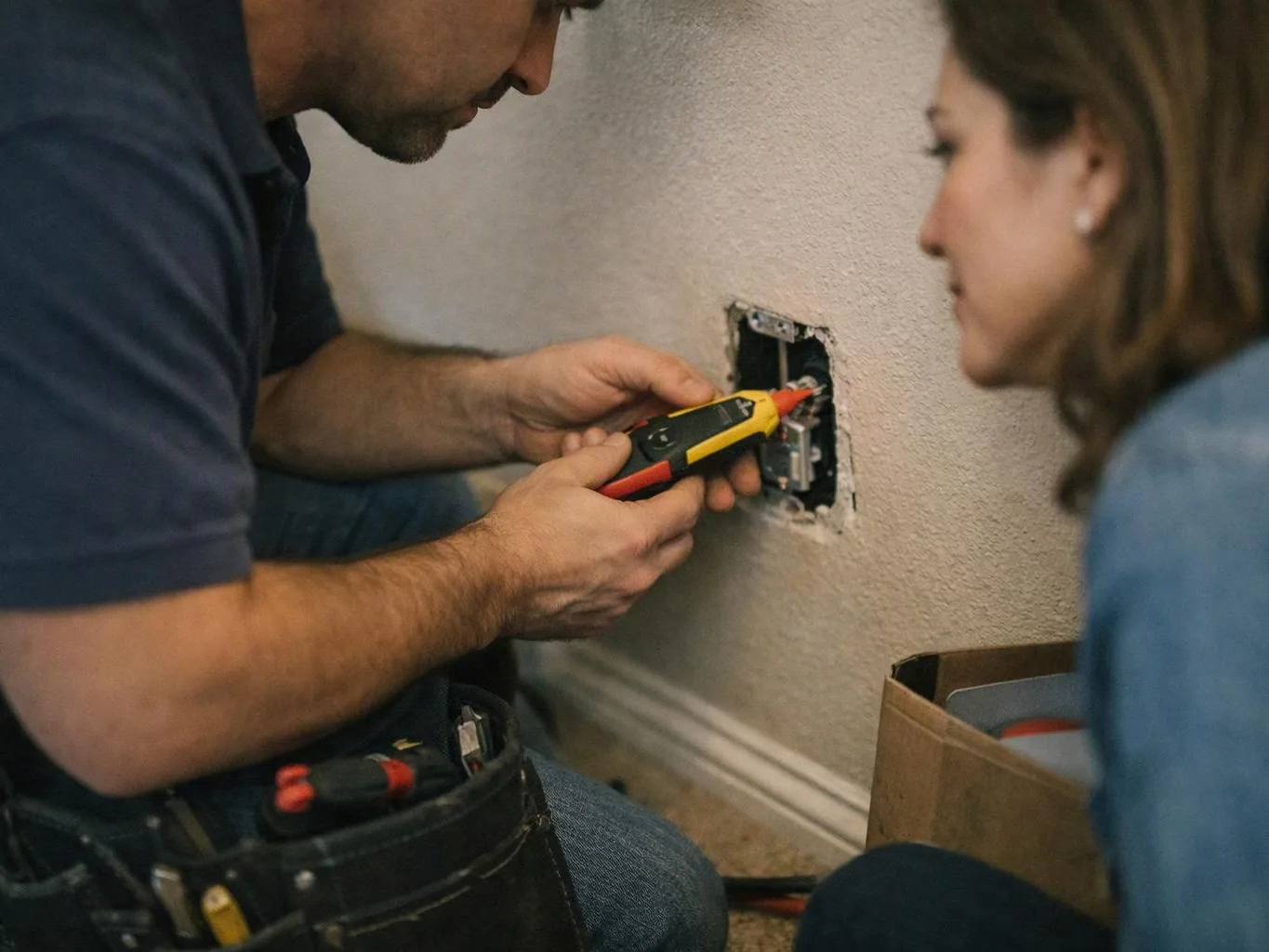
An emergency repair visit moves from symptom review to isolation, diagnosis, repair planning, and testing. We first record the affected circuit and warning signs. Then we inspect the panel and wiring, explain the scope, complete the supported repair, and verify the repaired section before discussing follow-up work.
What does an emergency electrical repair visit include?
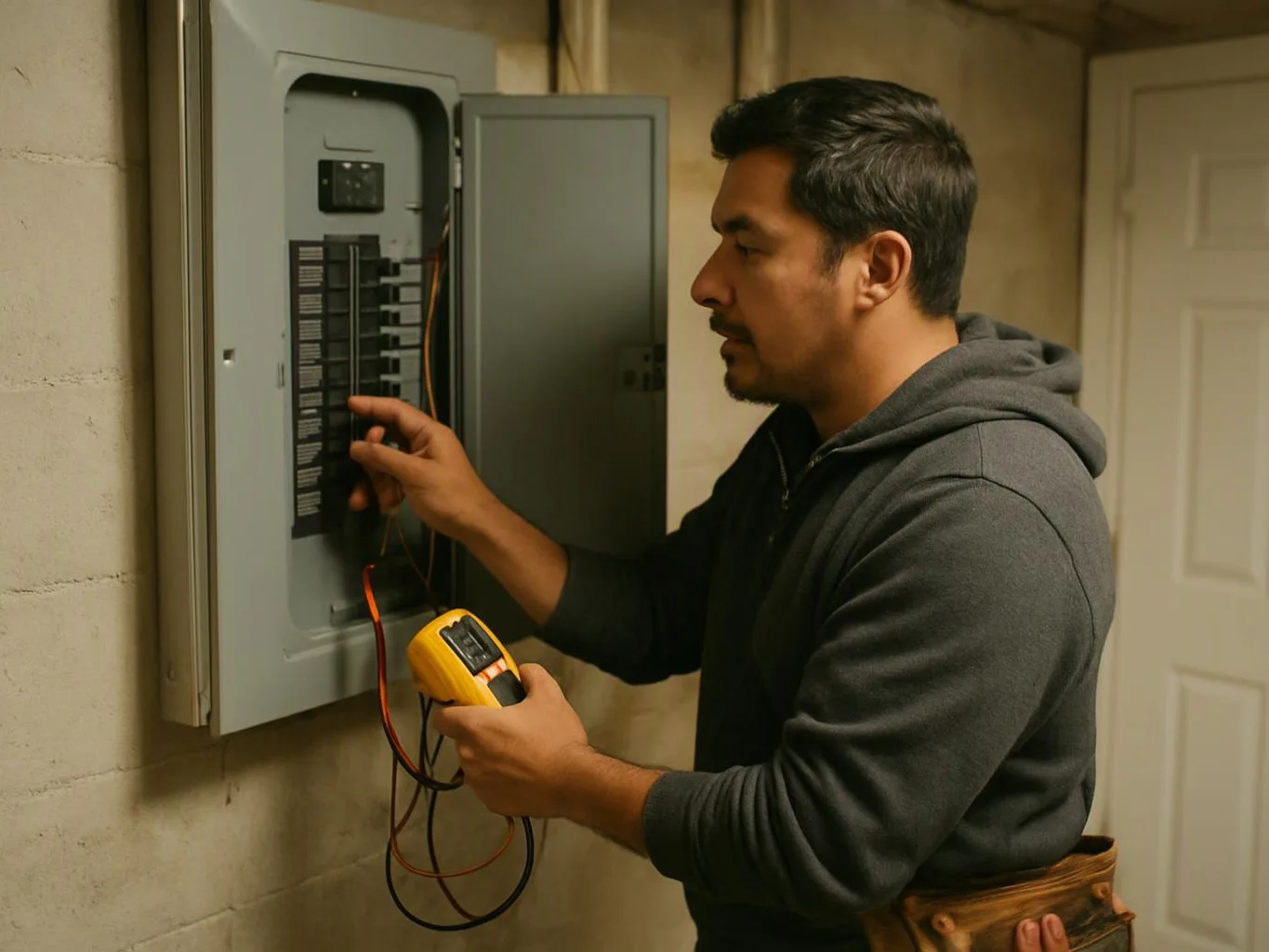
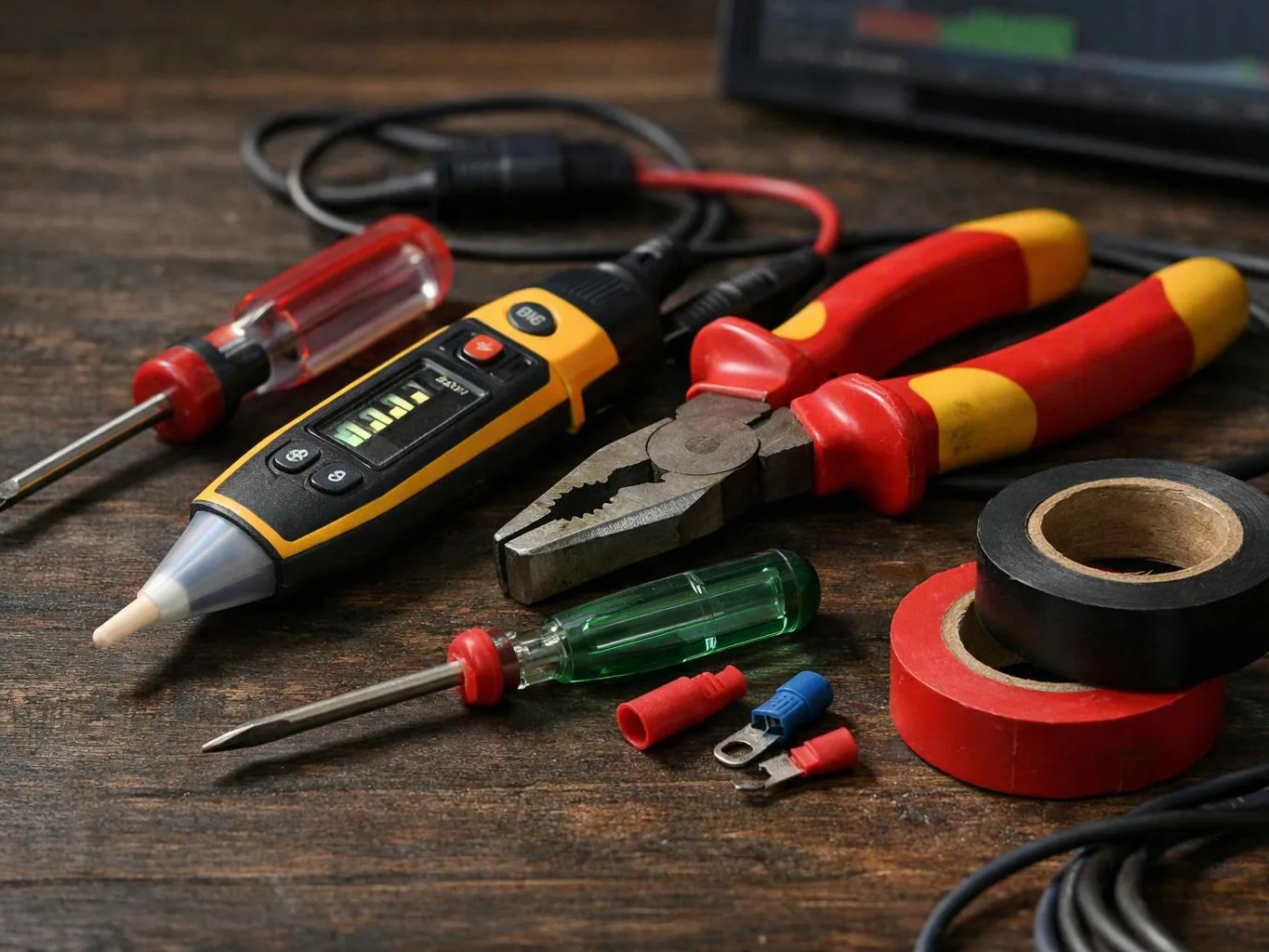
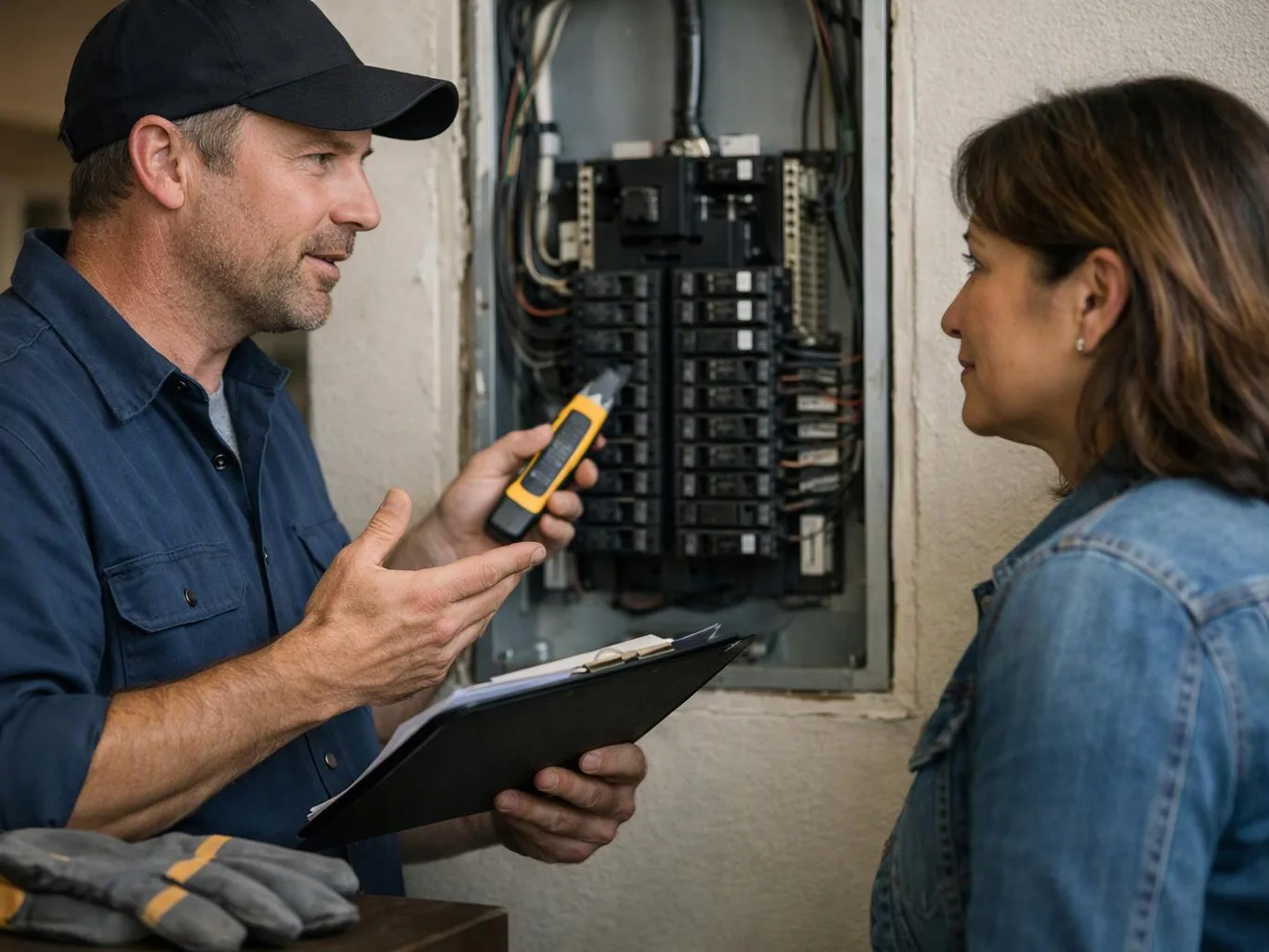
An emergency electrical repair visit includes fault inspection, safe isolation, circuit tracing, repair planning, and testing. We check the panel, breaker, outlets, switches, and visible wiring tied to the problem. The visit may lead to rewiring, a breaker repair, an outlet replacement, or a recommendation for a separate panel upgrade.
Which part of the property decides the repair scope?
The affected panel, circuit, wiring path, outlet, switch, and connected load decide the repair scope. A dead outlet may involve one receptacle or a wider circuit fault. We trace the path and inspect access points before choosing a repair, rewiring step, or panel assessment.
When does a tripped breaker need emergency electrical attention?
A tripped breaker needs emergency attention when it trips again, feels warm, buzzes, smells burnt, or connects to sparking equipment. Leave the affected circuit off and keep clear of the panel if smoke or heat is present. We inspect the breaker, wiring, load, and connections to find the cause.
Why should I avoid resetting a breaker that keeps tripping?
A breaker that keeps tripping signals a fault, overload, damaged wiring, or a failing device. Repeated resets can keep heat moving through the affected circuit. We inspect the load, breaker, terminals, insulation, and connected equipment so the cause is addressed instead of repeatedly restoring power.
How can a customer tell whether emergency repair fits the property?
Emergency repair fits a property with sudden power loss, faulty wiring, sparks, heat, burning smells, buzzing, or repeated breaker trips. It also fits commercial spaces where an electrical fault affects safe use. Utility-side outages need the utility company, while property-side faults need electrical diagnosis.