What generator problems require repair?
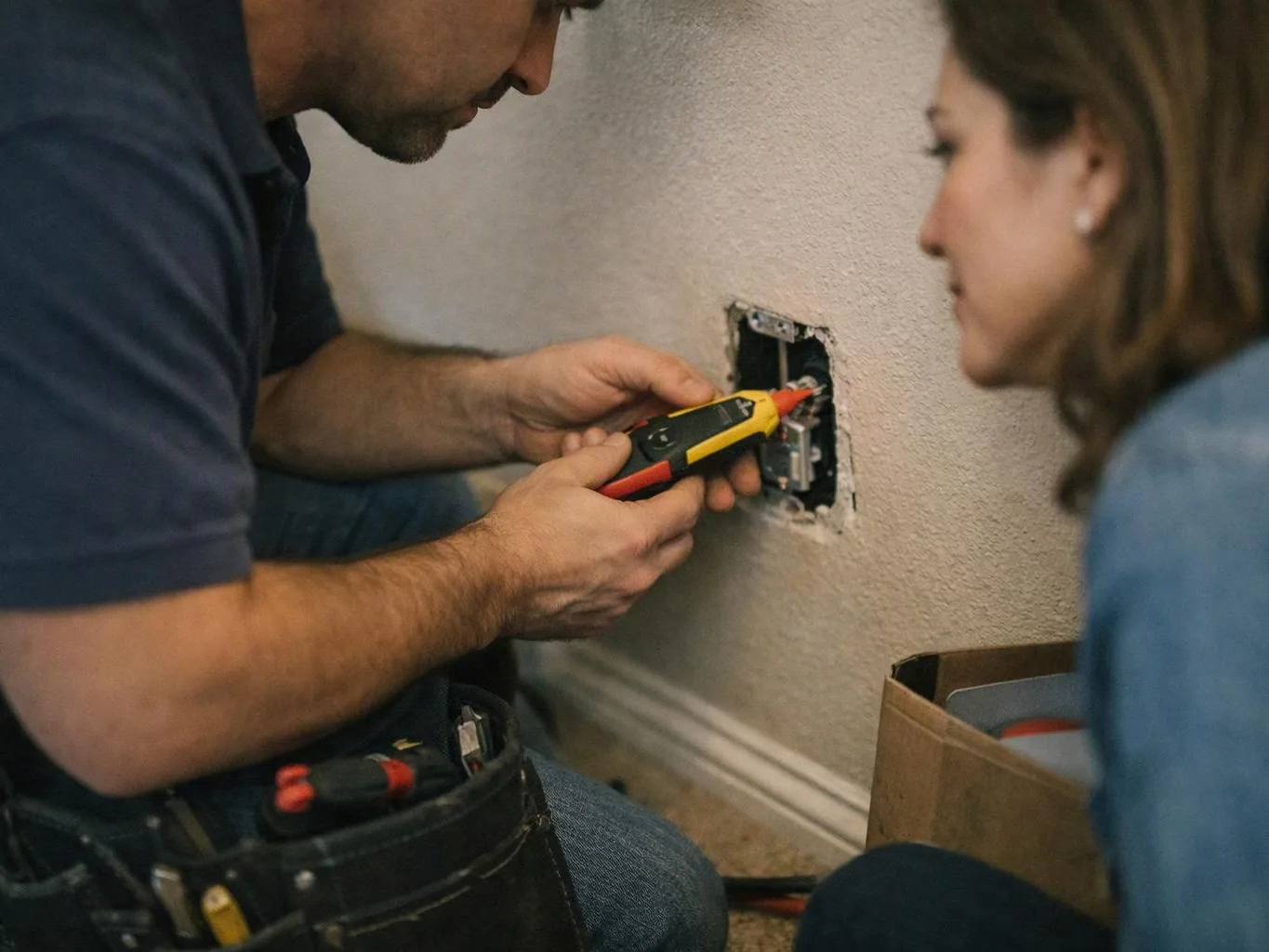
Starting failure, low voltage, fuel blockage, battery failure, and overheating require repair checks when they stop safe operation. San Bernardino Electrician tests the related circuit, fuel path, battery, controls, and output. The repair scope depends on the fault found. Continued use is unsafe when the generator shows burning smells, smoke, damaged wiring, or repeated heat shutdowns.
What should be ready before generator repair starts?
Generator details, warning messages, recent symptoms, and safe access help prepare the repair visit. Keep the control panel visible and note whether the unit cranks, starts, or stops. Photos can show the model label and wiring area. Do not remove covers or test live parts yourself.
Which property condition changes repair time?
Restricted access around the generator changes the time needed for inspection and testing. Enclosures, stored items, tight service paths, and connected transfer equipment can limit access to key parts. Clear access lets us inspect the battery, controls, fuel path, and output connections safely.
What should a customer ask before agreeing to generator repair?
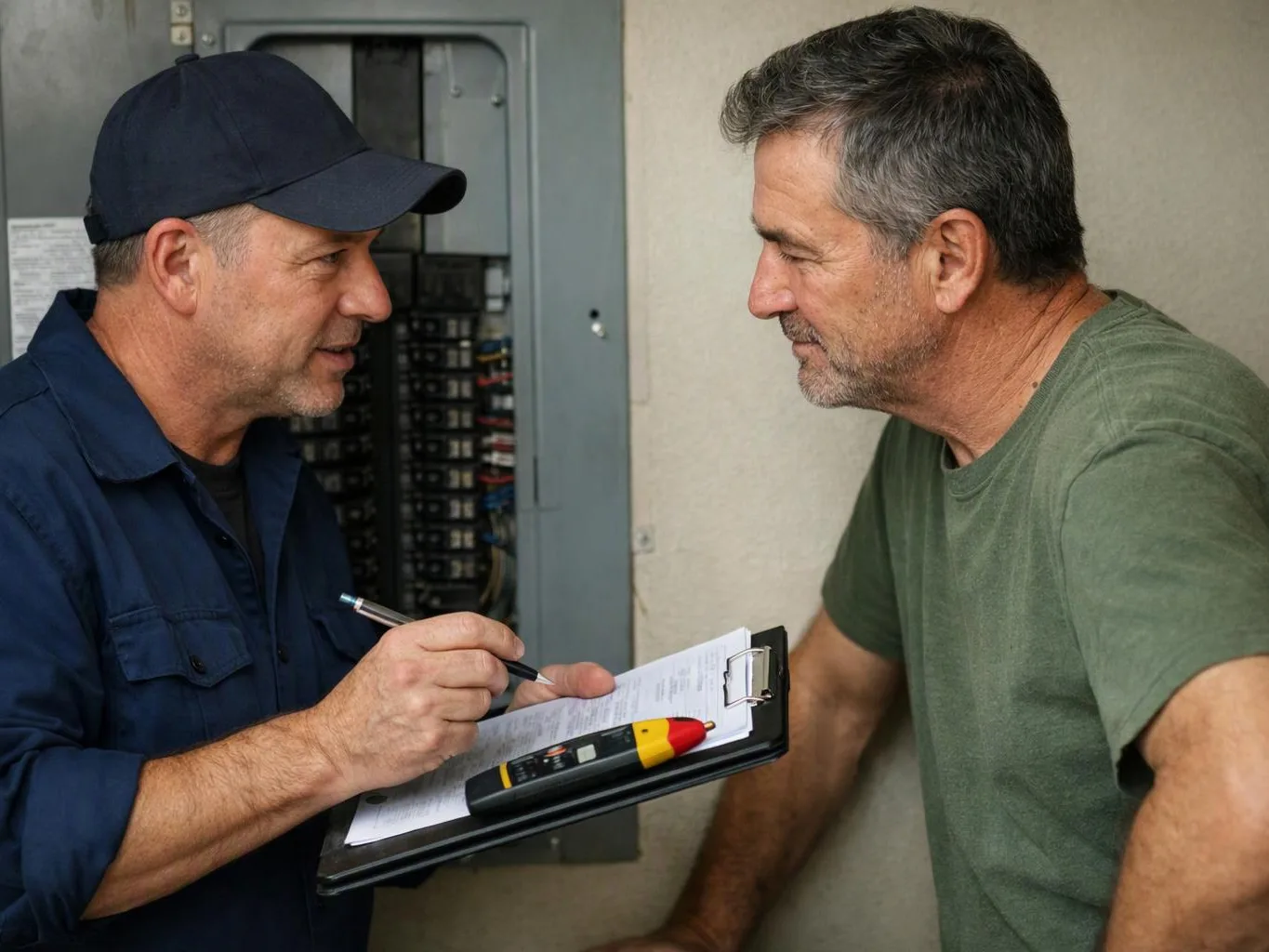
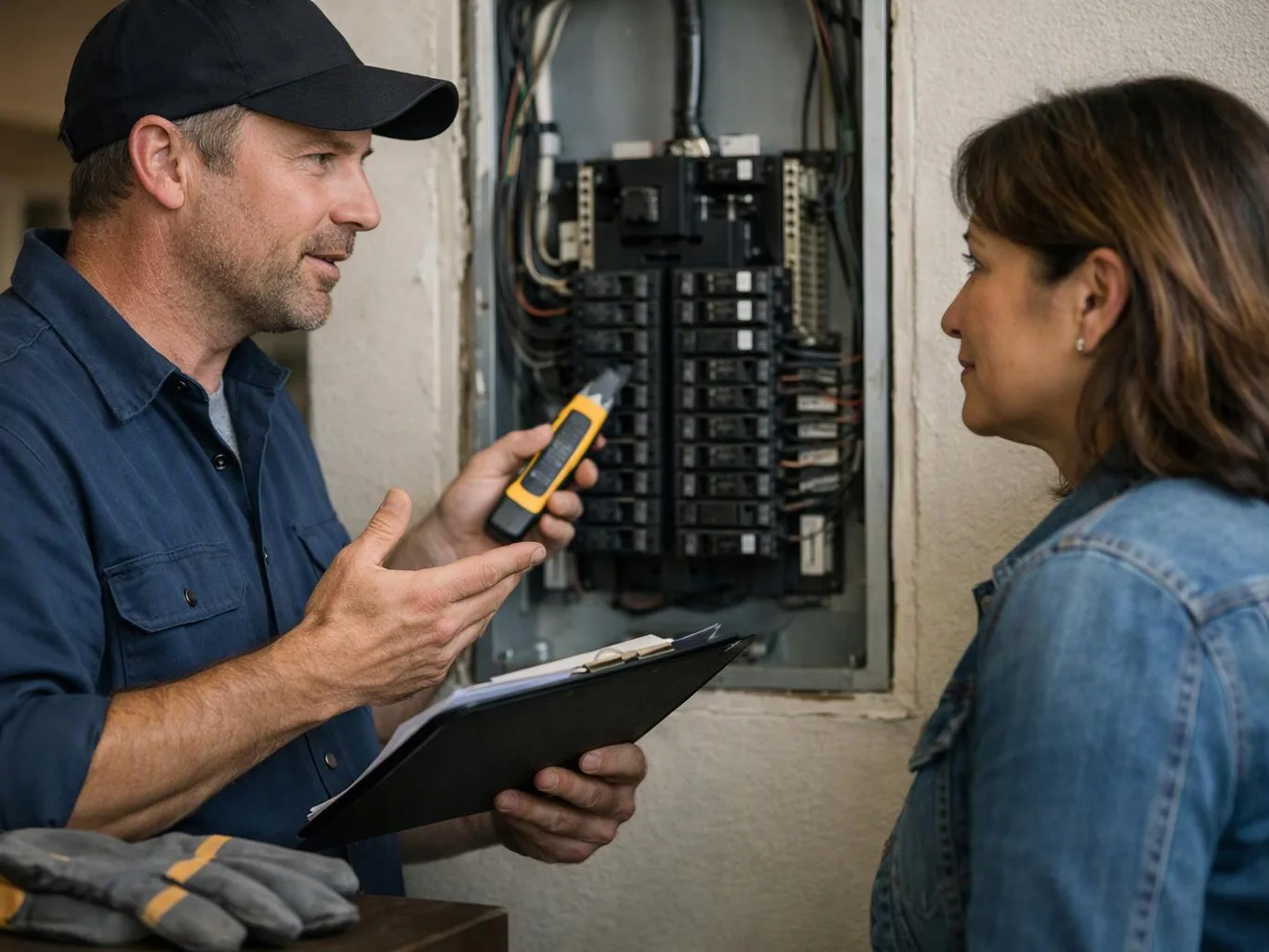
The repair scope, failed part, testing plan, and estimate should be clear before work begins. Ask whether the finding involves the generator, transfer equipment, or property wiring. We explain what the proposed repair addresses and identify related work that falls outside that scope.
How does low voltage affect a generator repair decision?
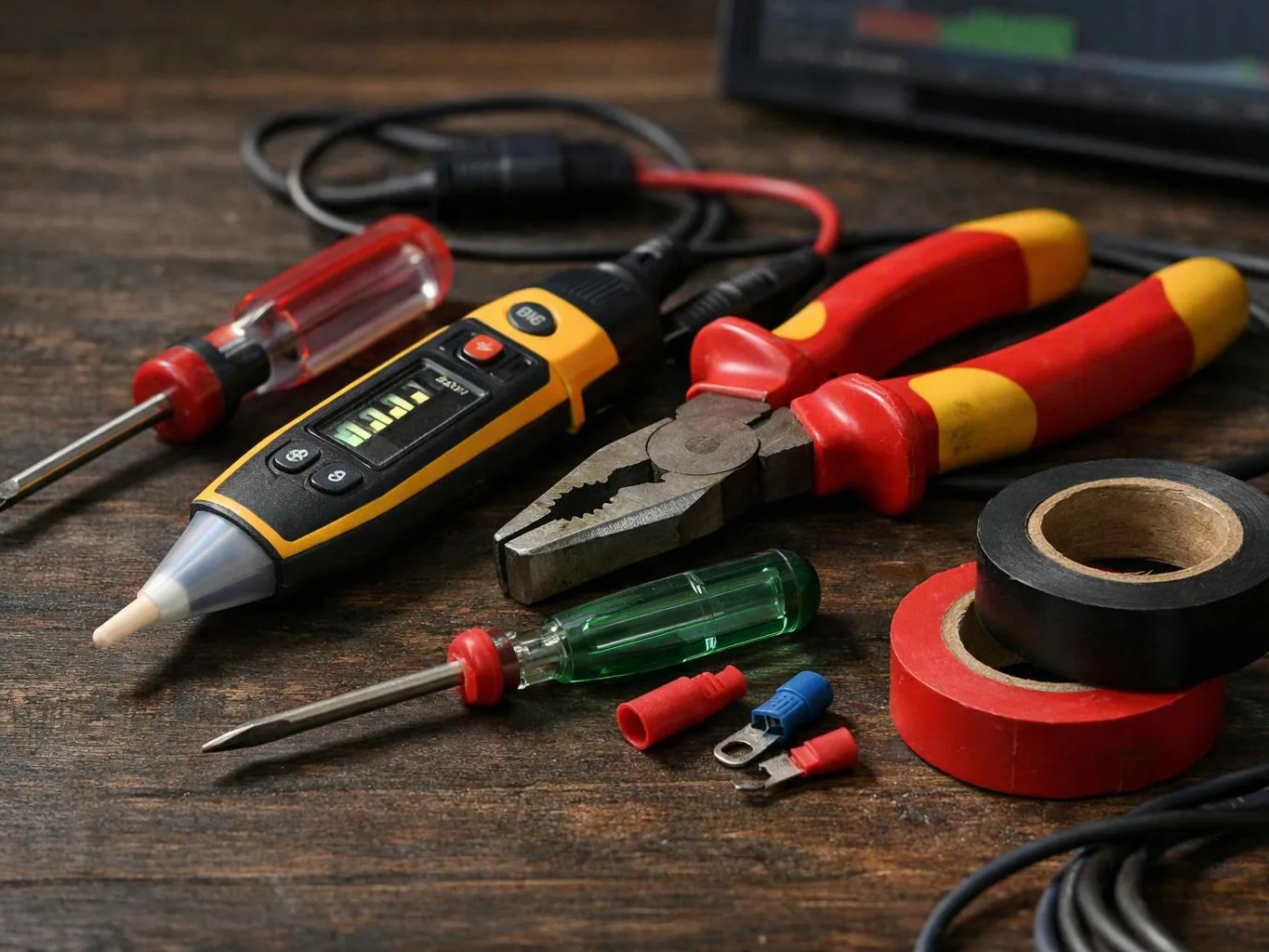
Low voltage means the running generator may not supply usable power to connected circuits. Voltage testing helps locate the issue at the generator output, connections, controls, or load side. Keep sensitive equipment disconnected until the output has been checked and the repair scope is explained.
When should a generator be switched off for safety?
A generator should be switched off when it produces smoke, a burning smell, damaged wiring, fuel leakage, or repeated overheating. Those signs can point to fire or equipment hazards. Leave the unit off and request an electrical assessment instead of opening energized parts.
Which information helps identify a generator fault?
The symptom, warning message, recent outage, and generator response help identify the likely fault. Note whether the unit cranks, starts, carries a load, or shuts down. San Bernardino Electrician uses those details with circuit, battery, fuel, temperature, and voltage checks.