What causes a light switch to feel hot?
Dimmer mismatch is a leading cause of a hot switch, but an overloaded circuit, loose terminal, undersized wiring, or arcing contacts can also contribute. San Bernardino Electrician checks the switch and circuit before selecting a repair. Turn it off if you smell burning, hear buzzing, or see sparks. A hot plate should not be treated as normal use.
Which part of the property decides the scope of switch repair?
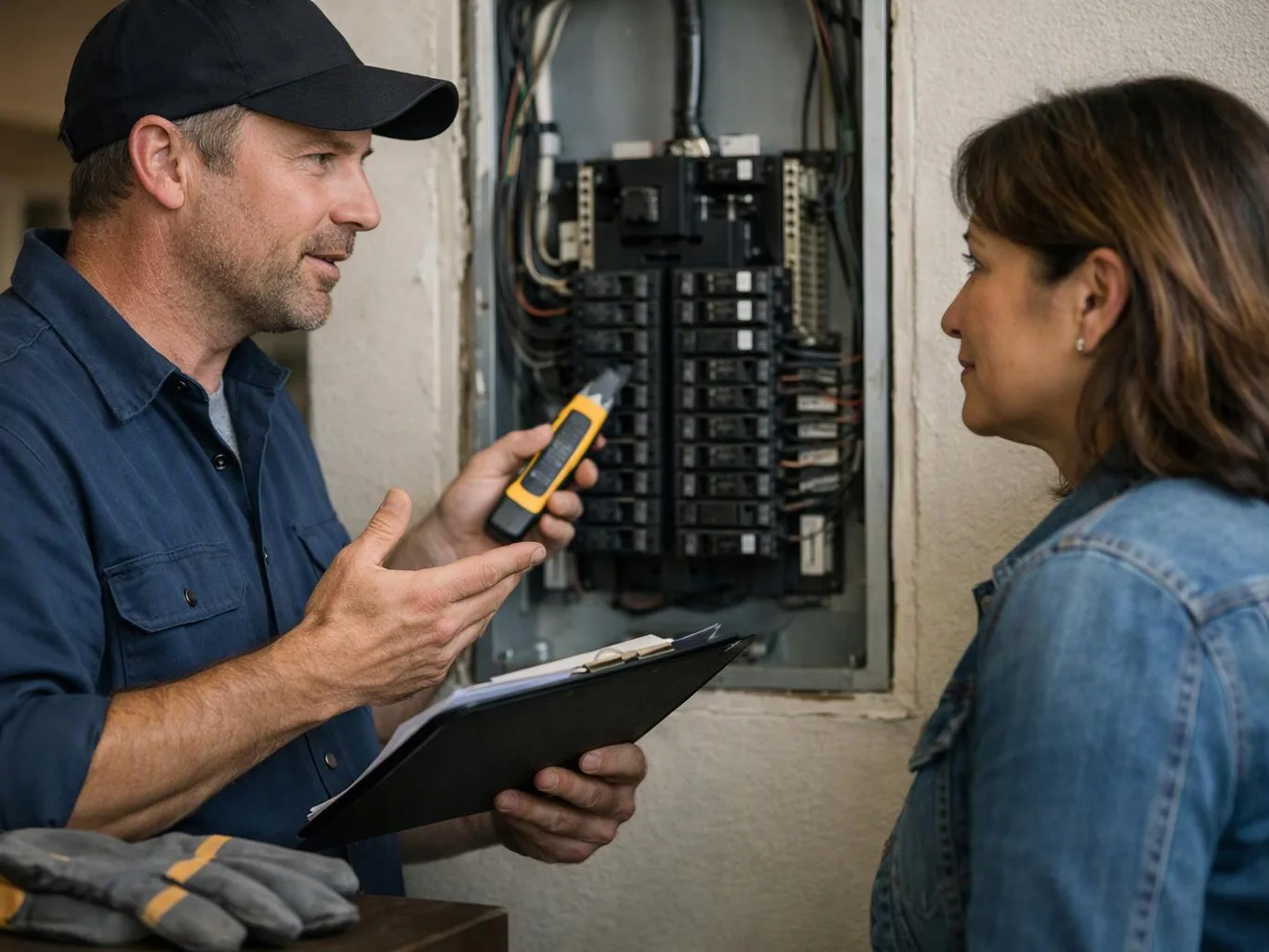
The switch location, electrical box, connected circuit, and breaker decide the repair scope. A switch in a finished wall may need different access than one with a clear box path. We inspect the control first, then trace the circuit if symptoms continue. The property owner or manager should provide access to the switch and panel.
Which material changes how long switch repair takes?
The wiring material and its condition can change the repair work. Copper conductors, aluminum wiring, damaged insulation, and crowded boxes each require different checks. We identify the conductor type before moving wires or replacing the switch. The inspection also shows whether the issue needs a switch repair or broader wiring work.
How does a switch repair visit move from the first call to the last step?
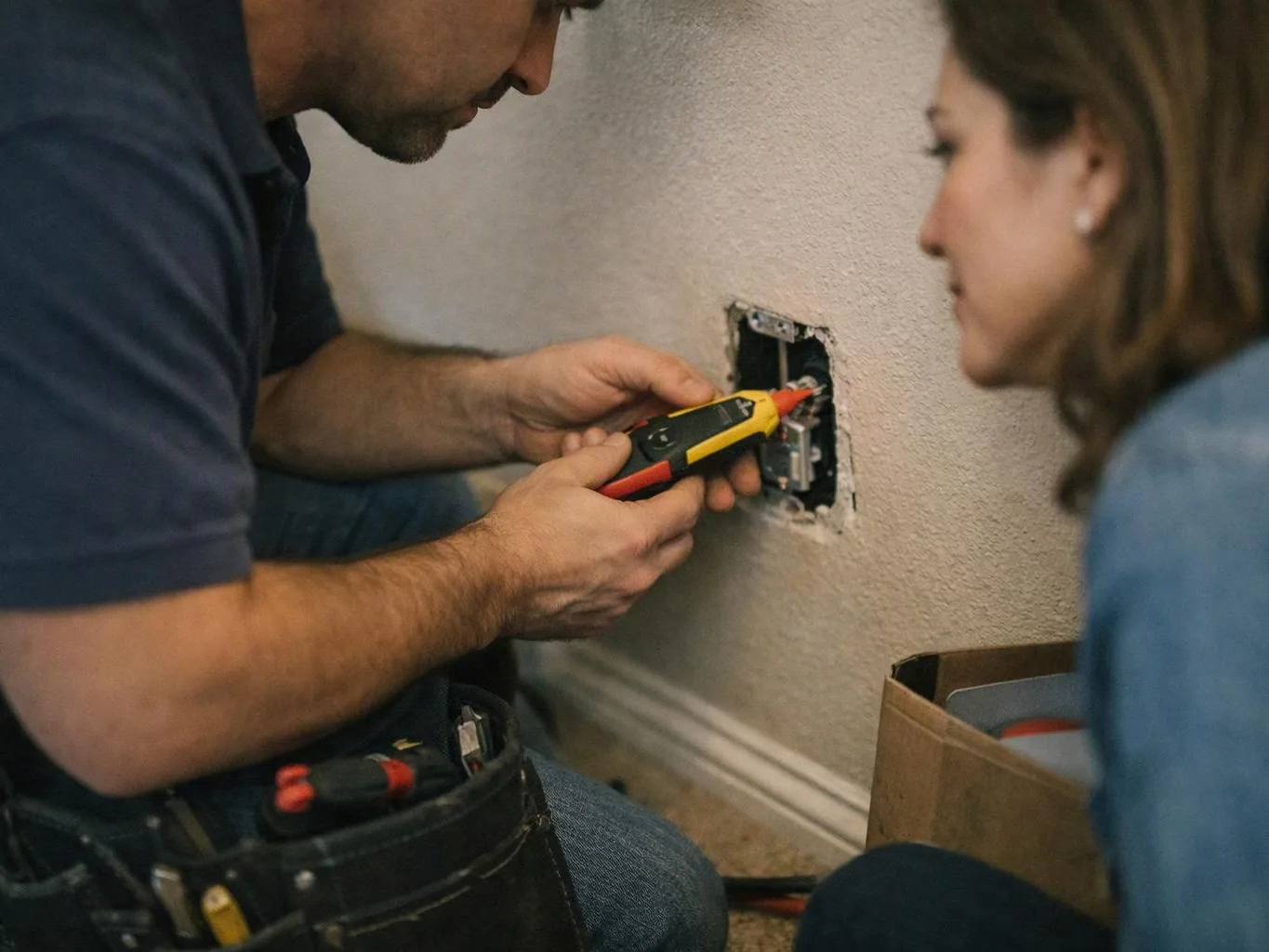
The visit starts with the symptom, moves through switch and circuit checks, and ends with testing. We inspect the plate, terminals, box, wiring, and breaker connection. We then explain the repair scope before work begins. After the repair, we test the switch and light operation and describe any follow-up electrical work.
When should I stop using a light switch?
Stop using a light switch when it sparks, smells burned, buzzes, feels hot, or shows discoloration. Turn the control off and keep clear of damaged parts. We inspect the switch, wiring, and circuit to find the fault. If the breaker has tripped, don't keep resetting it while the switch shows warning signs.
Why does a new switch still feel warm?
A new switch can feel warm when the dimmer does not match the light, the circuit carries excess load, or a terminal remains loose. We check compatibility and the connection instead of treating replacement as the final answer. The circuit may need tracing when warmth returns after the switch has been changed.
What should I tell you before requesting a switch assessment?
The room, switch type, light type, warning signs, and breaker activity give us useful starting details. Mention whether the switch controls a dimmable fixture, fan, or other load. Photos of the plate and light can help, but don't remove the cover. We still inspect the wiring and terminals before deciding the repair scope.