Where should smoke detectors be installed in a home?
Bedrooms should have nearby smoke detector coverage, with alarms also reviewed in hallways, living areas, stairwells, and basements. San Bernardino Electrician checks the property layout, mounting points, power, and alarm reach before installation. Placement must fit the home's design, so we review each relevant area instead of using one location plan for every property.
How can I tell whether smoke detector installation fits my property?
Smoke detector installation fits a property that needs new alarms, added coverage, or replacement units. The property layout, existing detectors, access, and power source decide the scope. We inspect those points and explain whether detector work is suitable or whether a wider wiring, panel, or electrical repair should come first.
Which part of the property decides the installation scope?
The room layout decides the installation scope because each area can have different access, mounting, and coverage needs. Hallways, stairwells, living areas, and basements can affect the detector plan. We map the relevant spaces, check current alarms, and set the work around the property's actual conditions.
What should be checked before a detector is mounted?
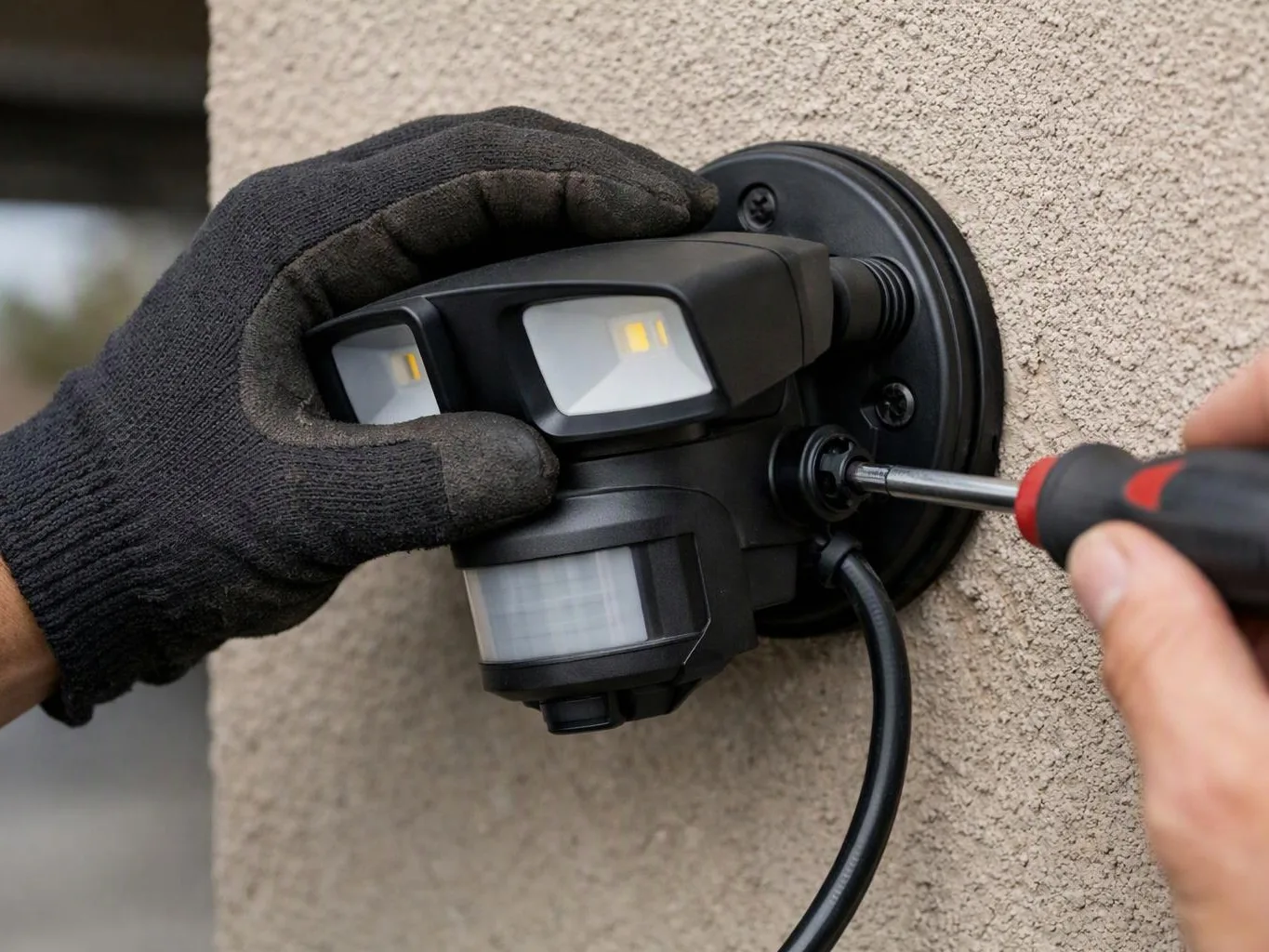
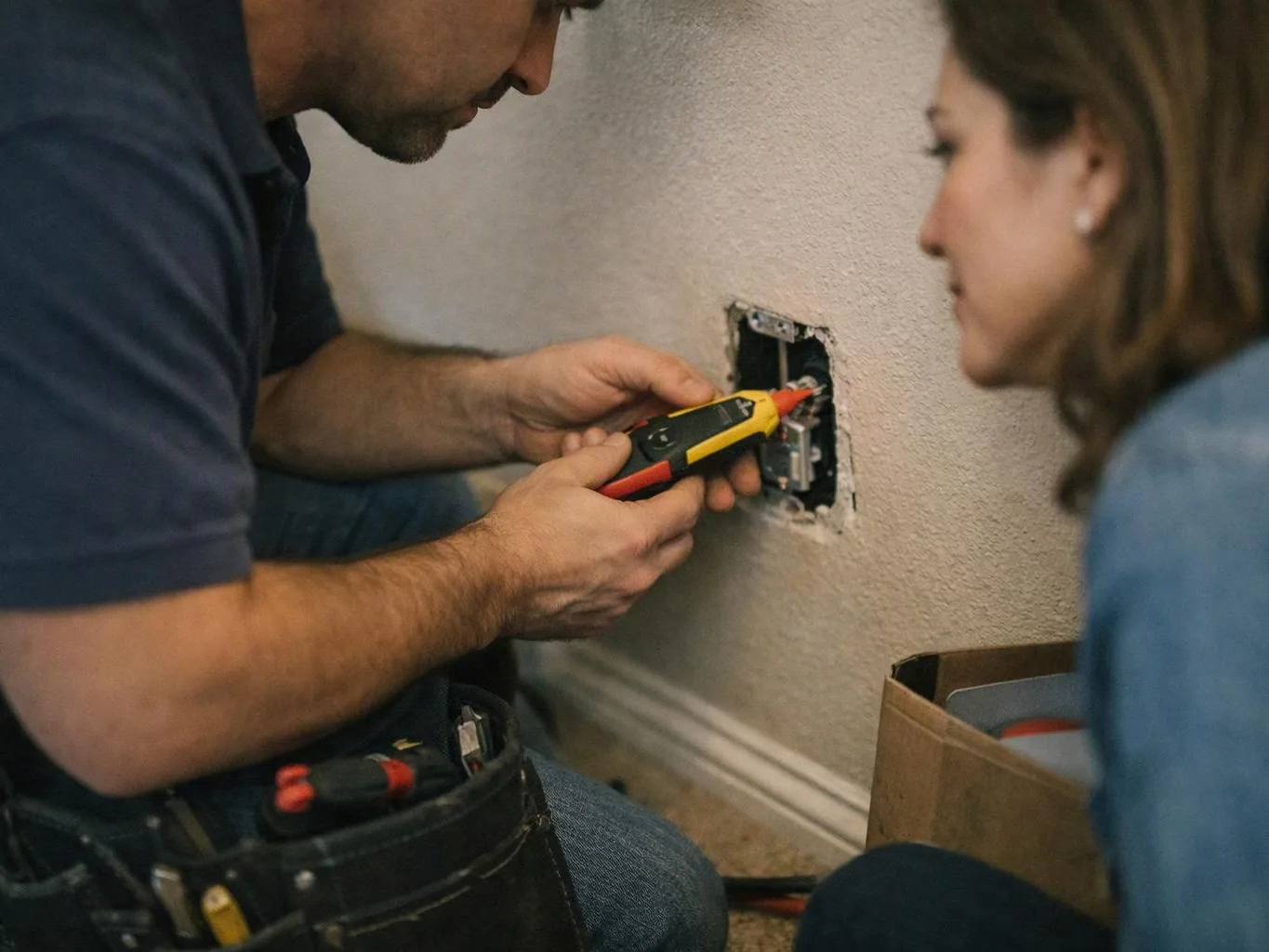
The mounting surface, power source, detector location, and existing coverage should be checked first. We look for access problems, damaged wiring, poor placement, and signs that another electrical service is needed. A detector is then mounted and tested only after the location and connection make sense for the property.
Which material changes how smoke detector installation takes place?
The ceiling or wall material can change how we mount a smoke detector and access its wiring. Drywall, wood, masonry, and finished surfaces may require different fasteners or access steps. We check the surface before setting the location, then explain any added repair or access work in the estimate.
Why does a newly installed smoke detector keep chirping?
A chirping detector often points to a battery, power, connection, or unit problem. We test the alarm, check its power source, inspect the connection, and confirm the detector is seated correctly. If the unit itself has failed, replacement may fit better than continued battery changes.