What methods are used to repair damaged wiring?
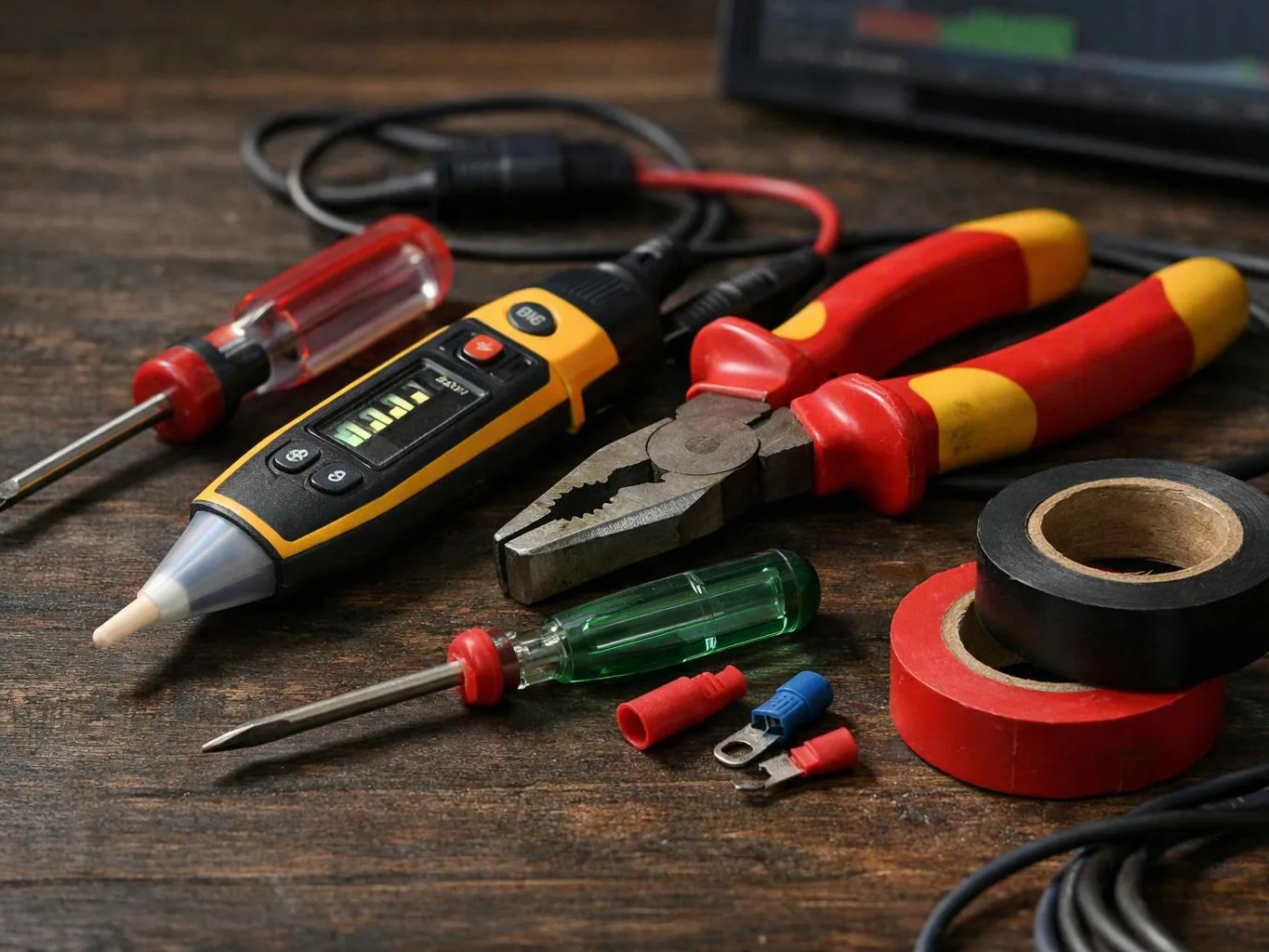
Wire splicing repairs a sound conductor at a damaged connection, while cable replacement removes a section that cannot be safely reused. Insulation replacement addresses damaged covering, and terminal repair addresses loose or overheated connections. San Bernardino Electrician selects the method after isolating the circuit and checking the conductor, enclosure, and nearby terminals.
Who is a good fit for wiring repair, and who needs a different service?
Wiring repair fits properties with a known damaged connection, conductor, insulation section, or cable. A panel upgrade fits insufficient service capacity, while new circuit installation fits a location that lacks a suitable circuit. We identify the correct service by checking the symptom, circuit path, panel connection, and intended electrical load.
What does the crew look at first during wiring repair?
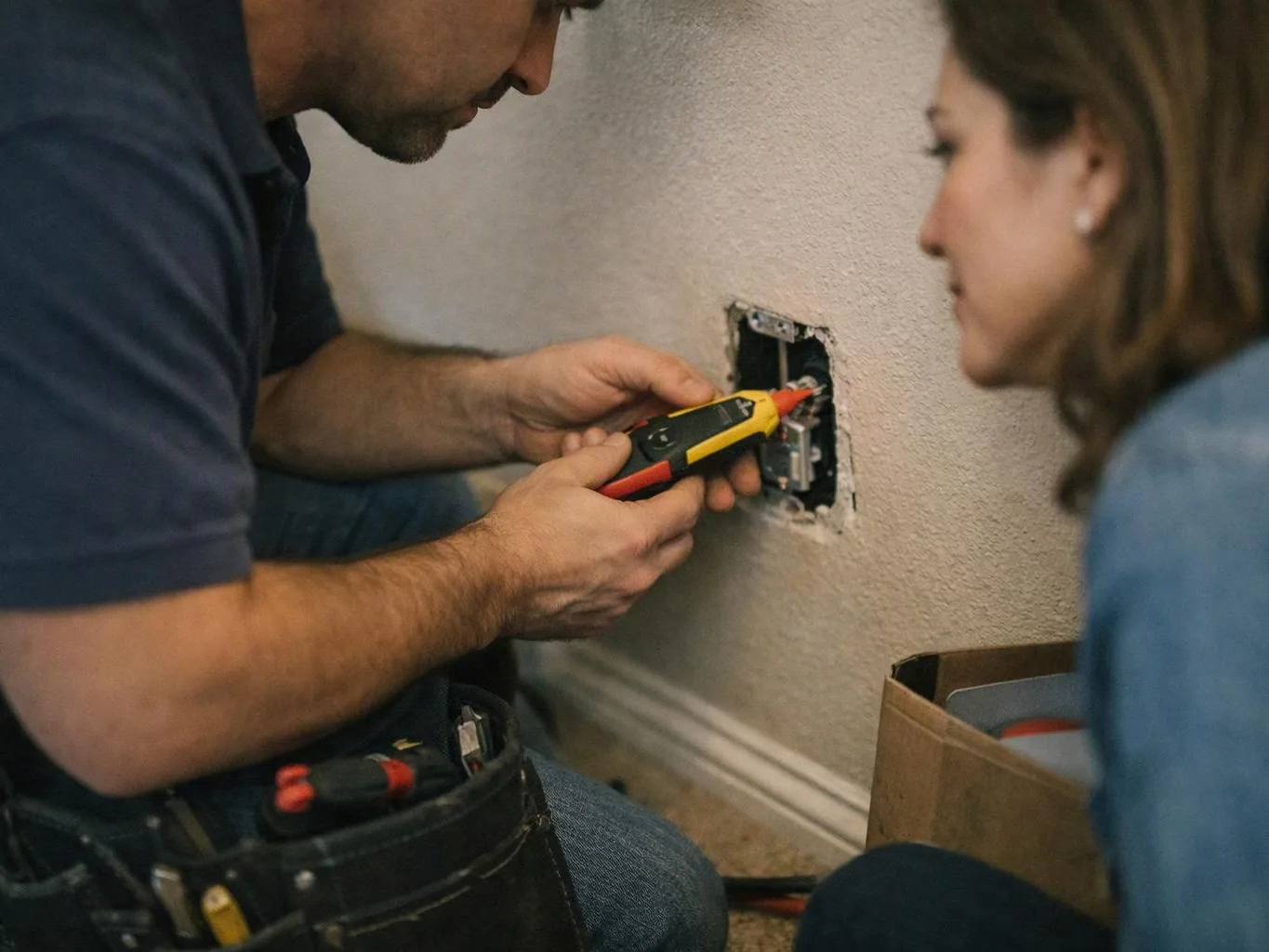
The affected device and circuit connection come first during wiring repair. We check for heat, loose terminals, damaged insulation, broken conductors, and signs of a short. Circuit tracing then shows whether the fault stays at one outlet or continues through the cable path.
When should I stop using an outlet with damaged wiring?
Stop using an outlet when it sparks, smells hot, feels warm, buzzes, or causes repeated breaker trips. Turn off the affected circuit if you can do so safely, and keep people away from the device. We inspect the outlet, box, terminals, and connected cable before selecting the repair.
How does wiring repair affect an older electrical circuit?
Older circuits may need a wider inspection because damaged insulation, loose terminals, and ungrounded outlets can occur together. We check the affected wiring and nearby connections instead of treating one visible fault as the whole problem. The findings show whether repair, rewiring, grounding correction, or another service fits.
Which wiring problems need cable replacement instead of a splice?
Cable replacement fits wiring with damage that extends along the cable, leaves too little sound conductor, or affects insulation beyond a safe connection point. We inspect the full accessible section and compare the repair boundary with the cable condition. The quote reflects the materials, access, and work needed for that section.
Why does a breaker trip after a wiring repair?
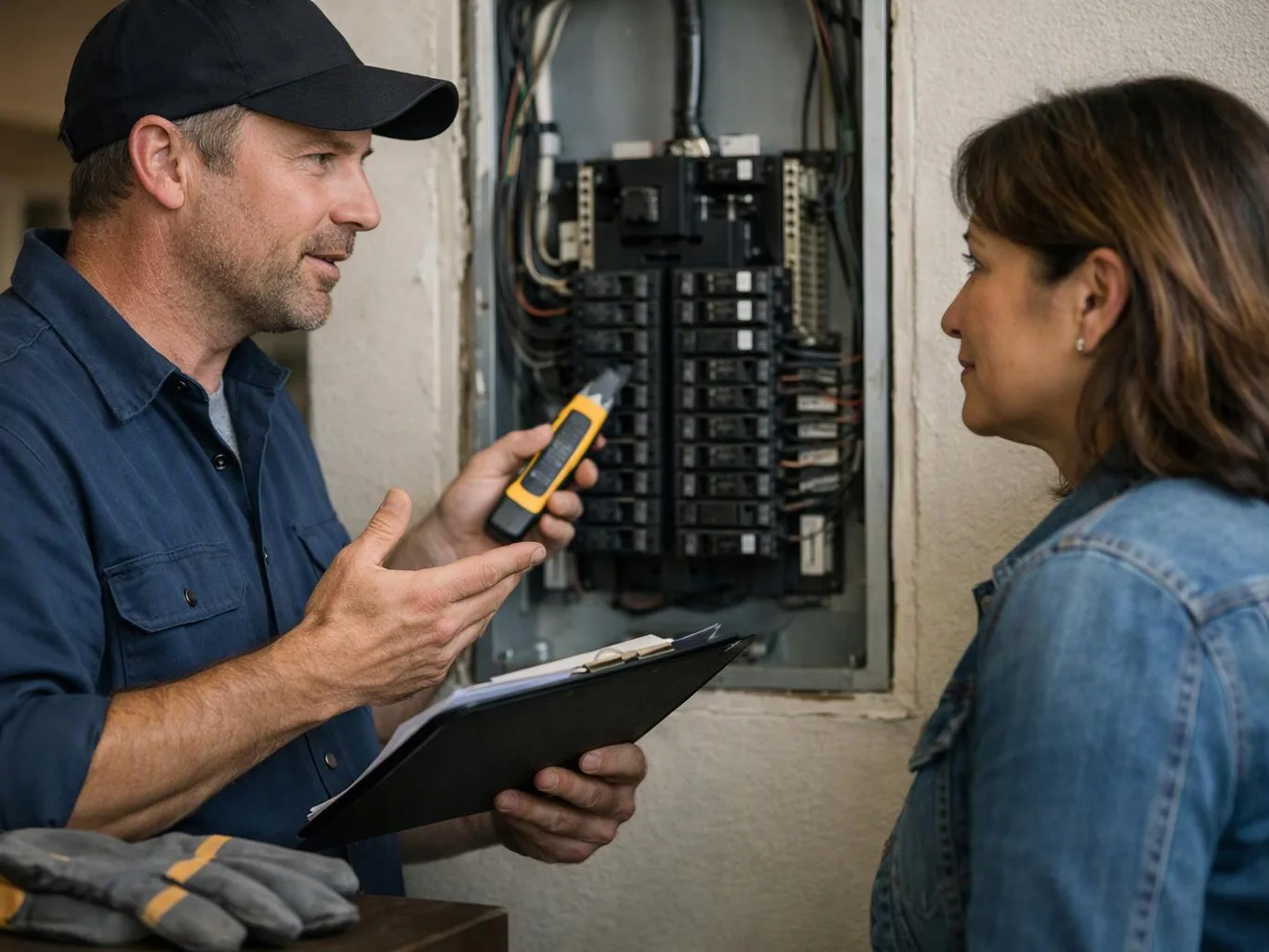
A breaker can trip after repair when the circuit still has a fault, a terminal remains damaged, or the connected load creates another problem. We stop and retest the repaired section instead of repeatedly resetting the breaker. The next check follows the circuit from the panel through the repaired connection and connected devices.