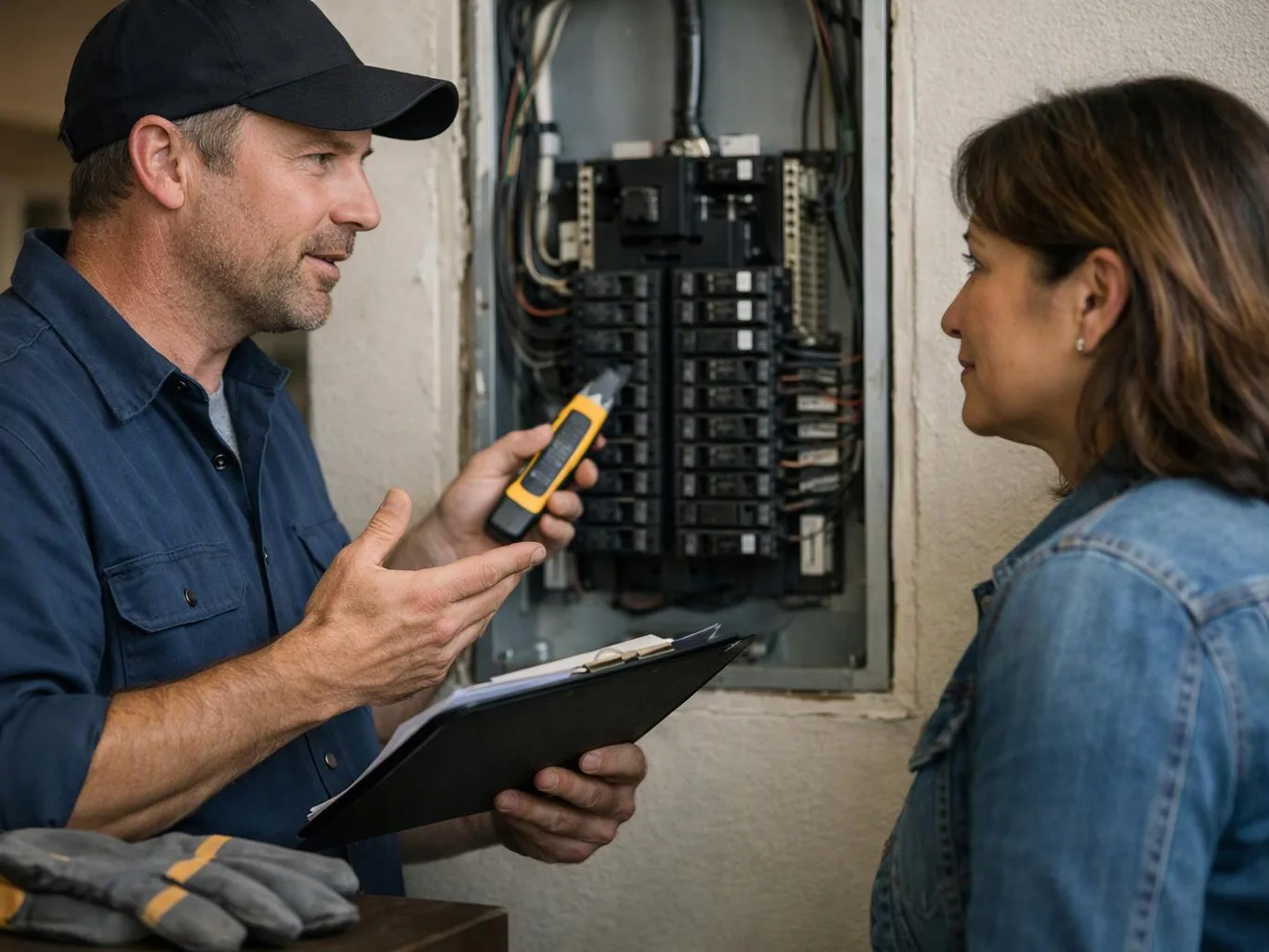
Can breaker replacement improve electrical safety?
Heat reduction can improve electrical safety when the breaker or connection creates excess heat. We inspect the panel, wiring, and load before replacement.
Arc protection and ground fault protection address different hazards, so a new breaker isn't a cure for every electrical fault. We explain whether the issue needs circuit repair, testing, or a panel upgrade.
What does the crew look at first during breaker replacement?
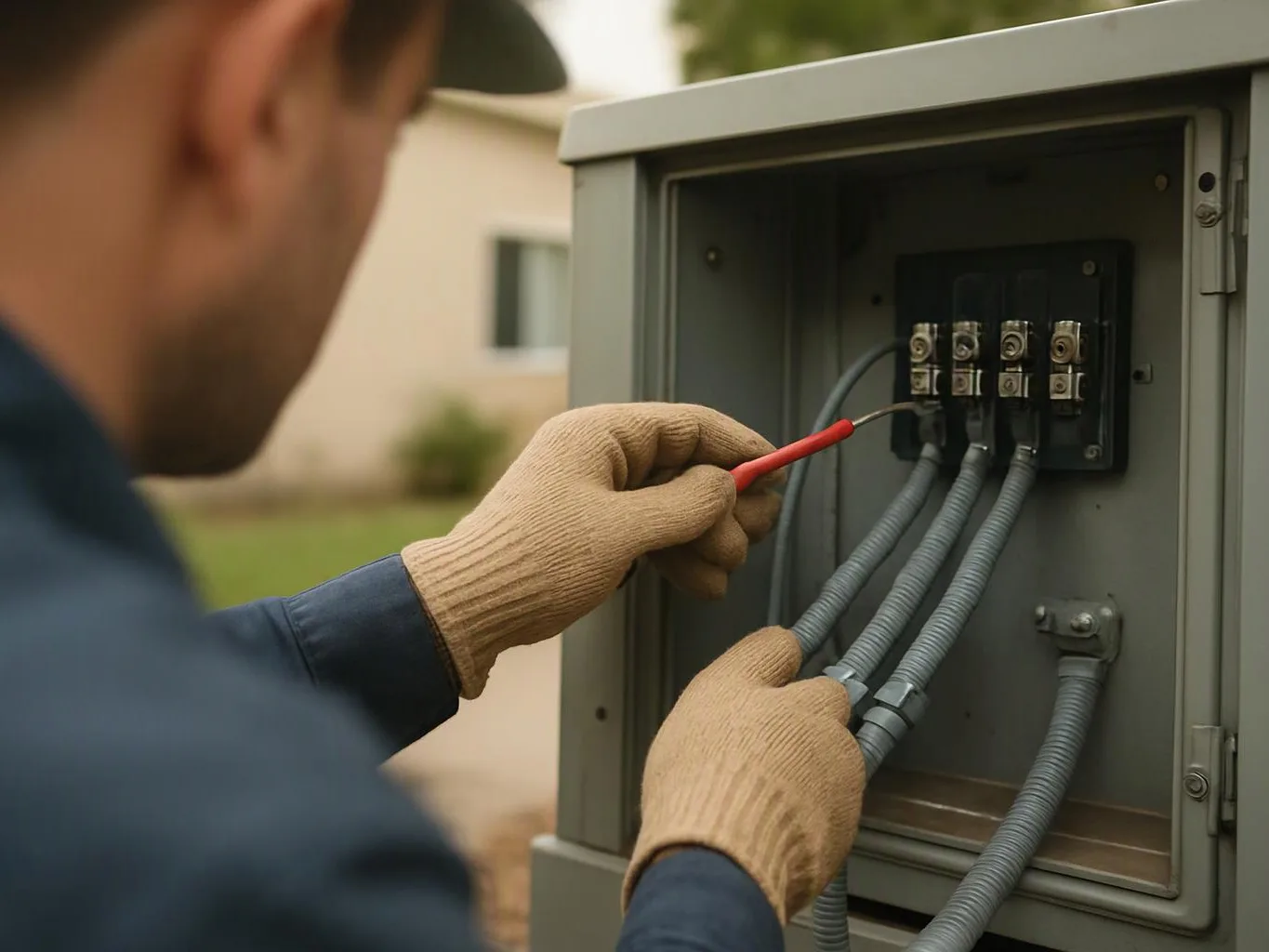
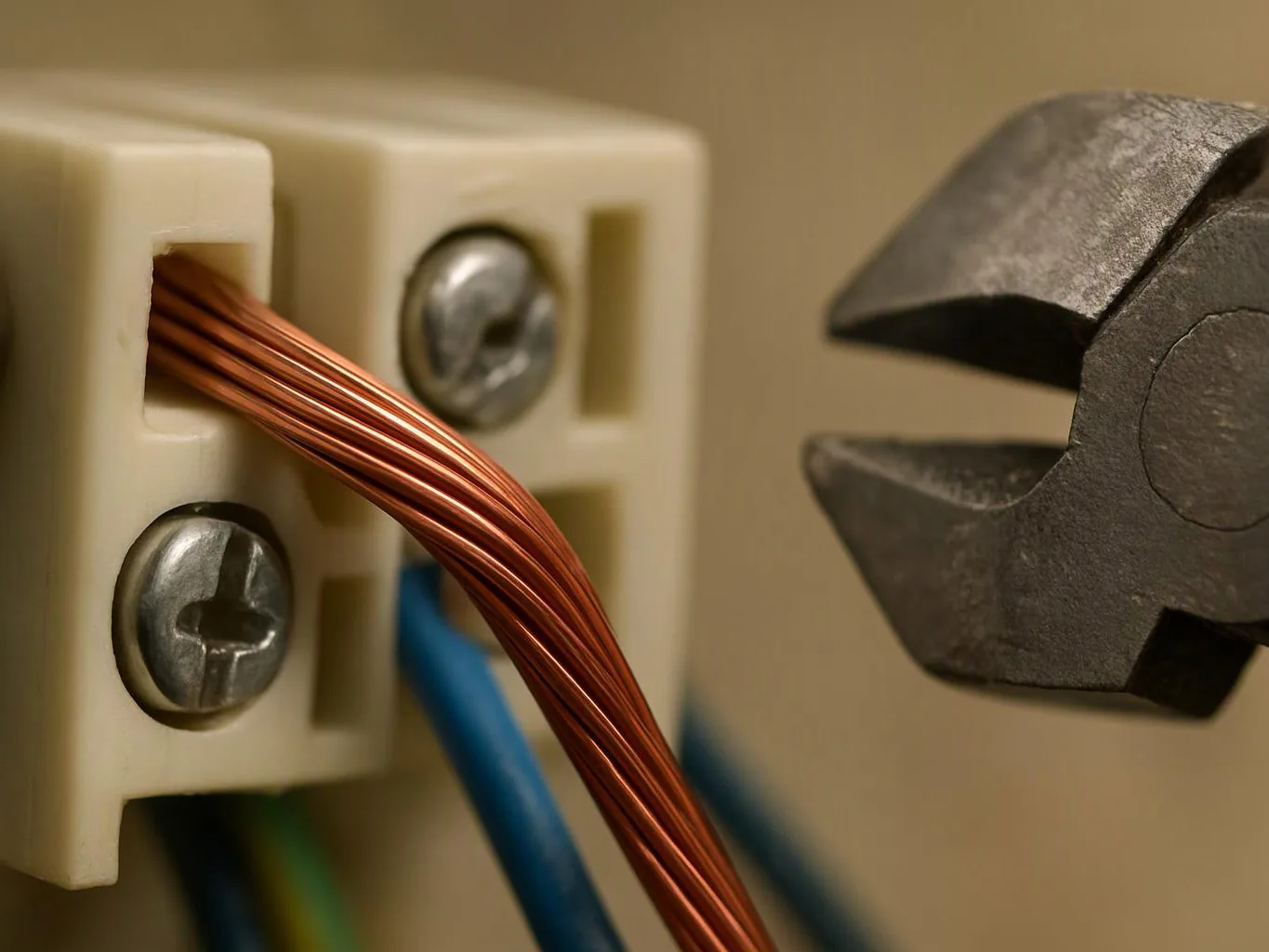
The panel connection is checked first for heat marks, loose terminals, arcing, and visible wiring damage. We then test the affected circuit and connected load.
The inspection helps us decide whether the breaker is faulty or reacting to another problem. We share that finding before removing the part.
What should be checked before replacement is scheduled?
The breaker symptoms, panel condition, circuit load, and connected equipment should be checked first. We use those findings to set the correct work scope.
Write down when the breaker trips and what was running. Don't open the panel or handle exposed wiring yourself.
Who is a good fit for breaker replacement, and who needs a different service?
San Bernardino Electrician replaces breakers for homes and businesses with a faulty switching device or damaged breaker connection. A different service fits wiring faults, overloaded circuits, or panel capacity problems.
Our team can trace the circuit, inspect the load, and explain whether rewiring, a subpanel, or a panel upgrade is needed.
How does circuit load change the replacement decision?
Circuit load changes the decision because a replacement breaker cannot safely correct an overloaded circuit. We review the connected equipment, wiring, and breaker rating.
A panel upgrade or new circuit may fit when the existing system lacks capacity. We include that finding in the explanation before work proceeds.
Why does a breaker trip again after replacement?
A repeated trip after replacement often points to a short, ground fault, overload, or connected equipment problem. We test the circuit instead of treating the breaker as the only cause.
The affected circuit should stay off if it trips again, smells hot, sparks, or makes the panel buzz. We then assess the related wiring and load.
Which information helps prepare a breaker assessment in Norco?
The breaker label, trip pattern, connected equipment, and visible warning signs help prepare the assessment. We also need to know if recent electrical work changed the circuit.
Photos of the closed panel and breaker label can help, but don't remove the panel cover. Keep the circuit off when it shows heat, smoke, or sparking.