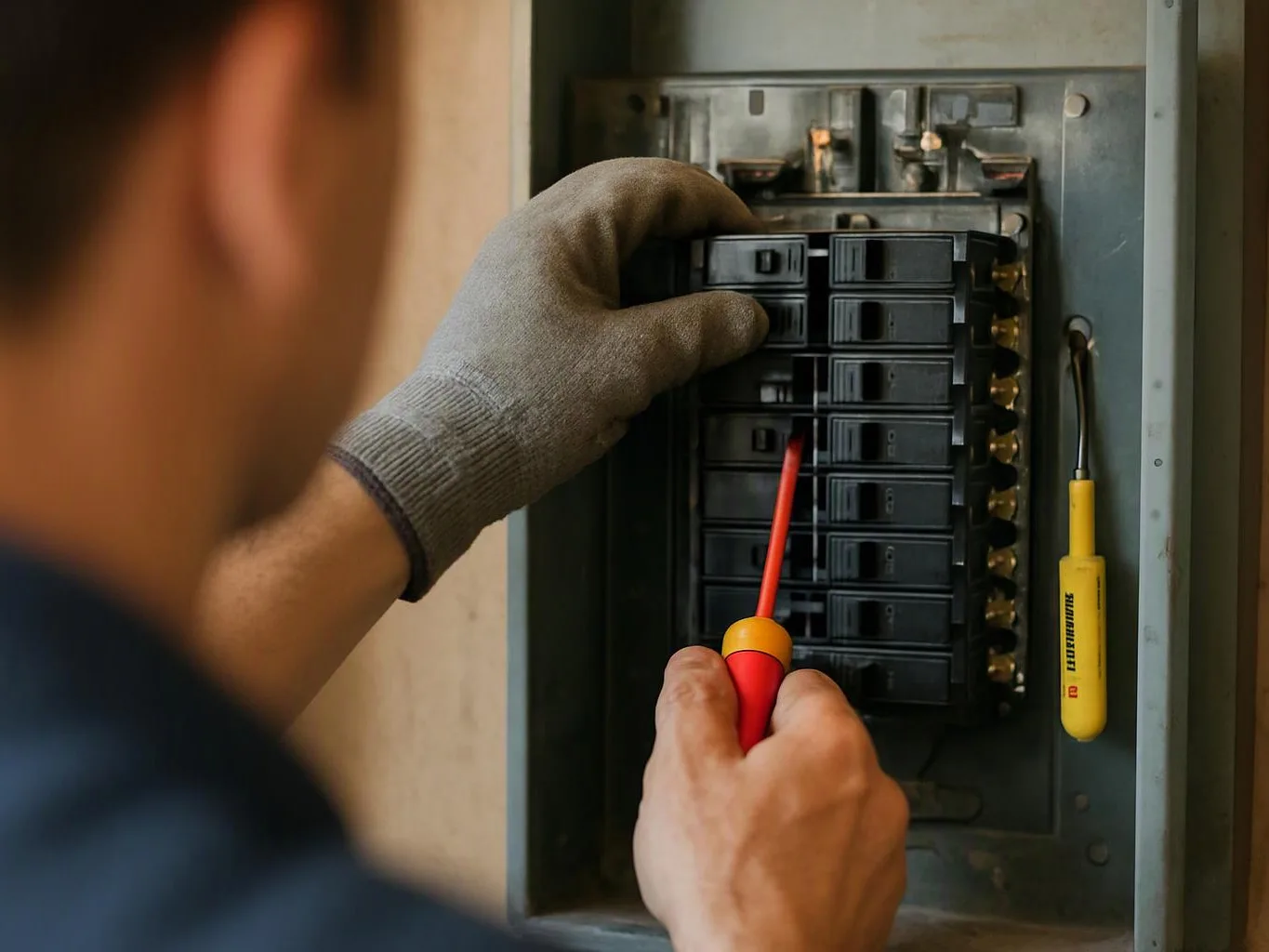

Identify the affected circuit
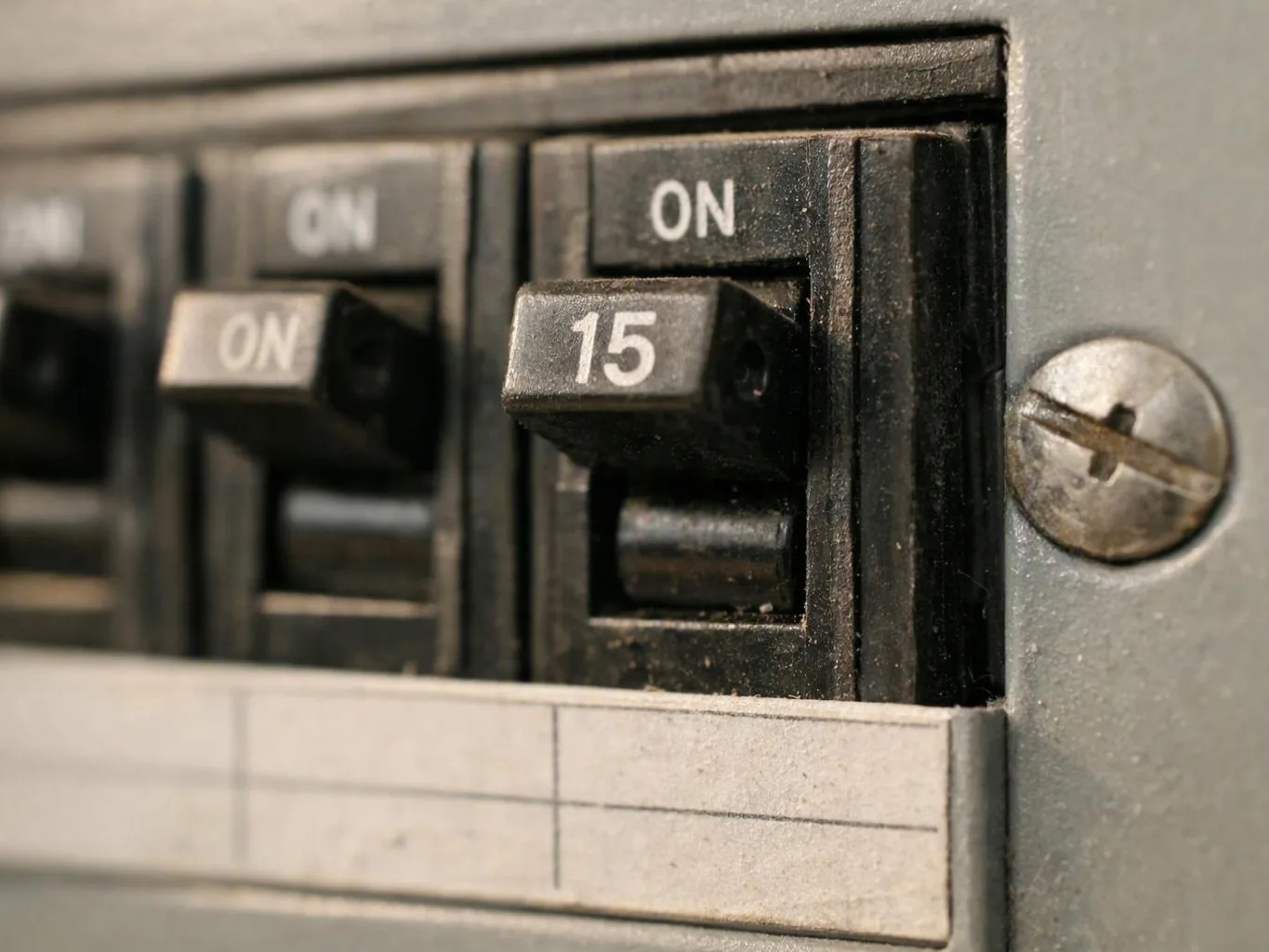
We ask what lost power and examine the panel labels, breaker position, and visible condition.
We replace failed breakers for homes and businesses across San Bernardino. Our electricians check the panel, circuit, and connected wiring before work begins.
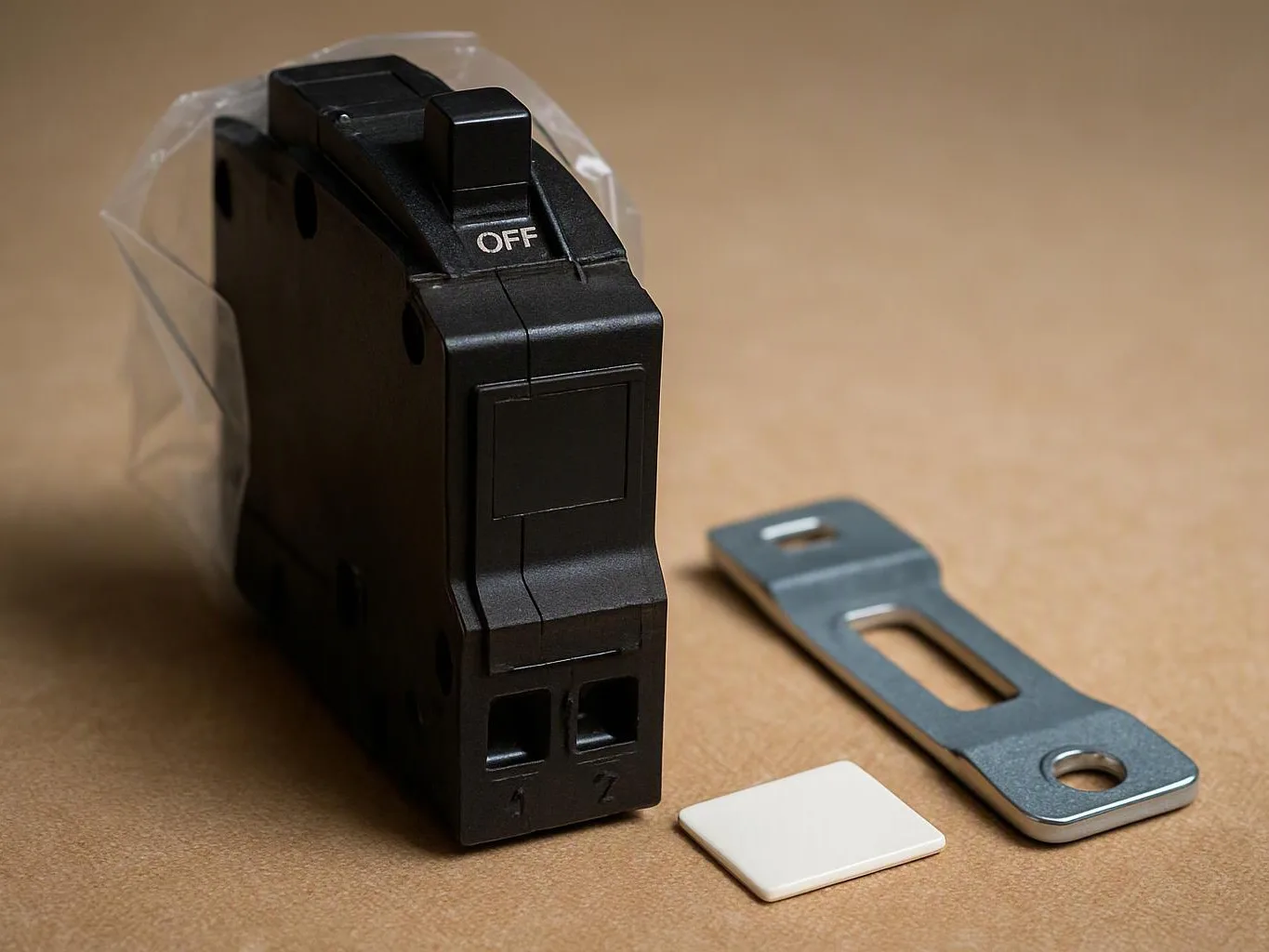
A suitable replacement restores control of the affected circuit when the breaker itself has failed.
Testing helps separate a bad breaker from an overload, short circuit, or wiring fault.
Inspection of the connection can reveal heat or looseness before the panel is returned to service.

Breaker replacement starts with fault assessment, not a blind part swap. We identify the affected circuit, inspect the panel connection, and check for signs of heat, arcing, or damaged insulation. The correct part must match the panel and protect the circuit as intended. We remove the failed breaker, install the replacement, and test the circuit before explaining the result. A new breaker won't fix an overloaded circuit or damaged wiring by itself. If the fault sits elsewhere, we explain the repair path before further work proceeds.
Circuit breaker replacement is an electrical service that removes a failed breaker and installs a suitable replacement in the panel.
A few details help us assess the failed breaker and the circuit it protects.
We ask what lost power and examine the panel labels, breaker position, and visible condition.
We isolate the circuit and check for overload signs, damaged connections, heat, or wiring faults.
We select a breaker that fits the panel and protects the circuit as intended.
We remove the failed part, secure the replacement, restore the circuit, and test its operation.
If the circuit still shows a fault, we describe the next repair instead of treating the replacement as the whole fix.
We diagnose the affected circuit and breaker fault before recommending replacement or further electrical repairs.
We isolate the circuit, inspect heat and connection risks, then test operation after installing the replacement.
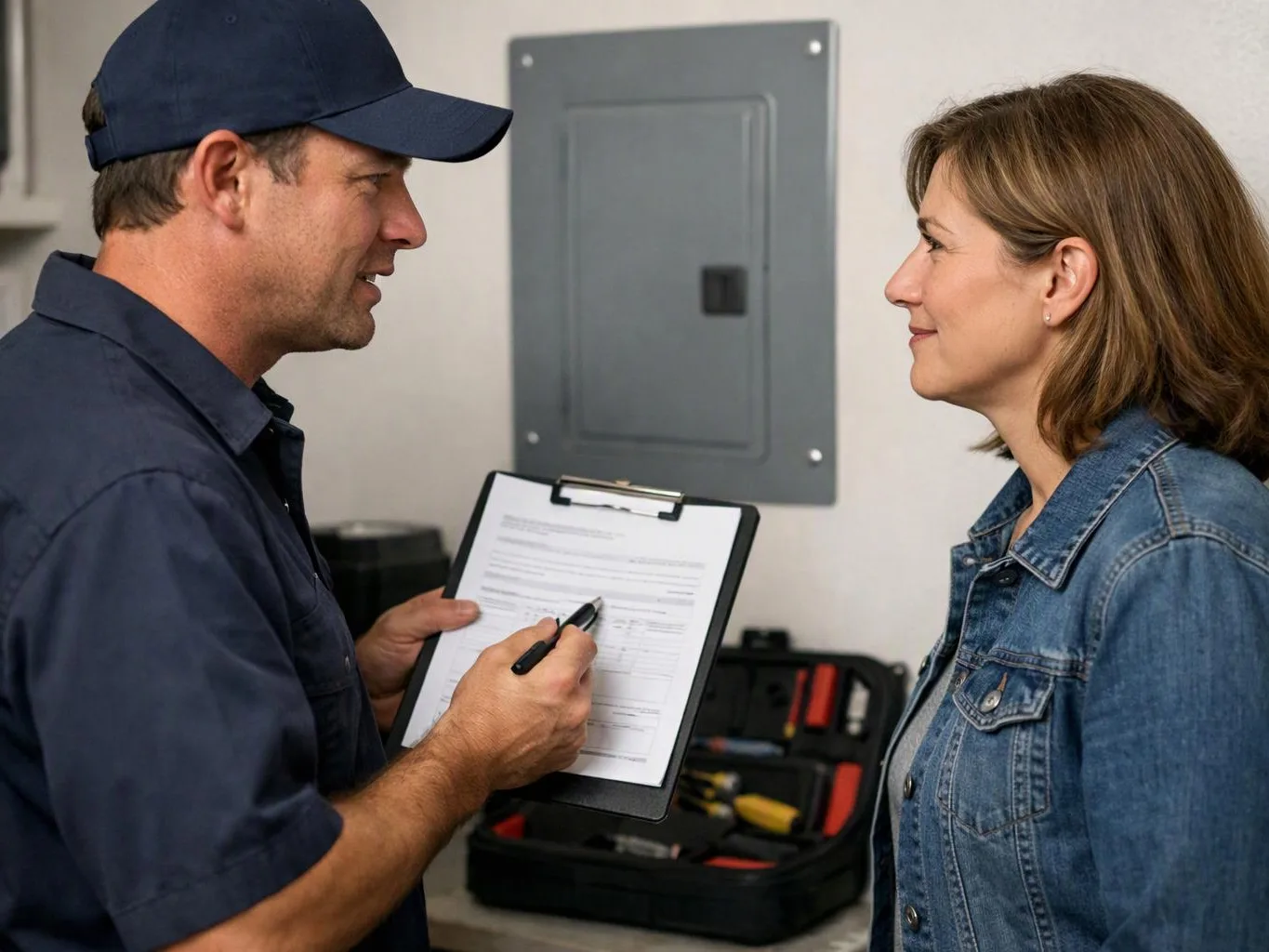
We explain the identified failure, proposed breaker work, and any follow-up repair before returning the circuit to service.
Request an estimate for the affected circuit, and urgent requests get priority scheduling.
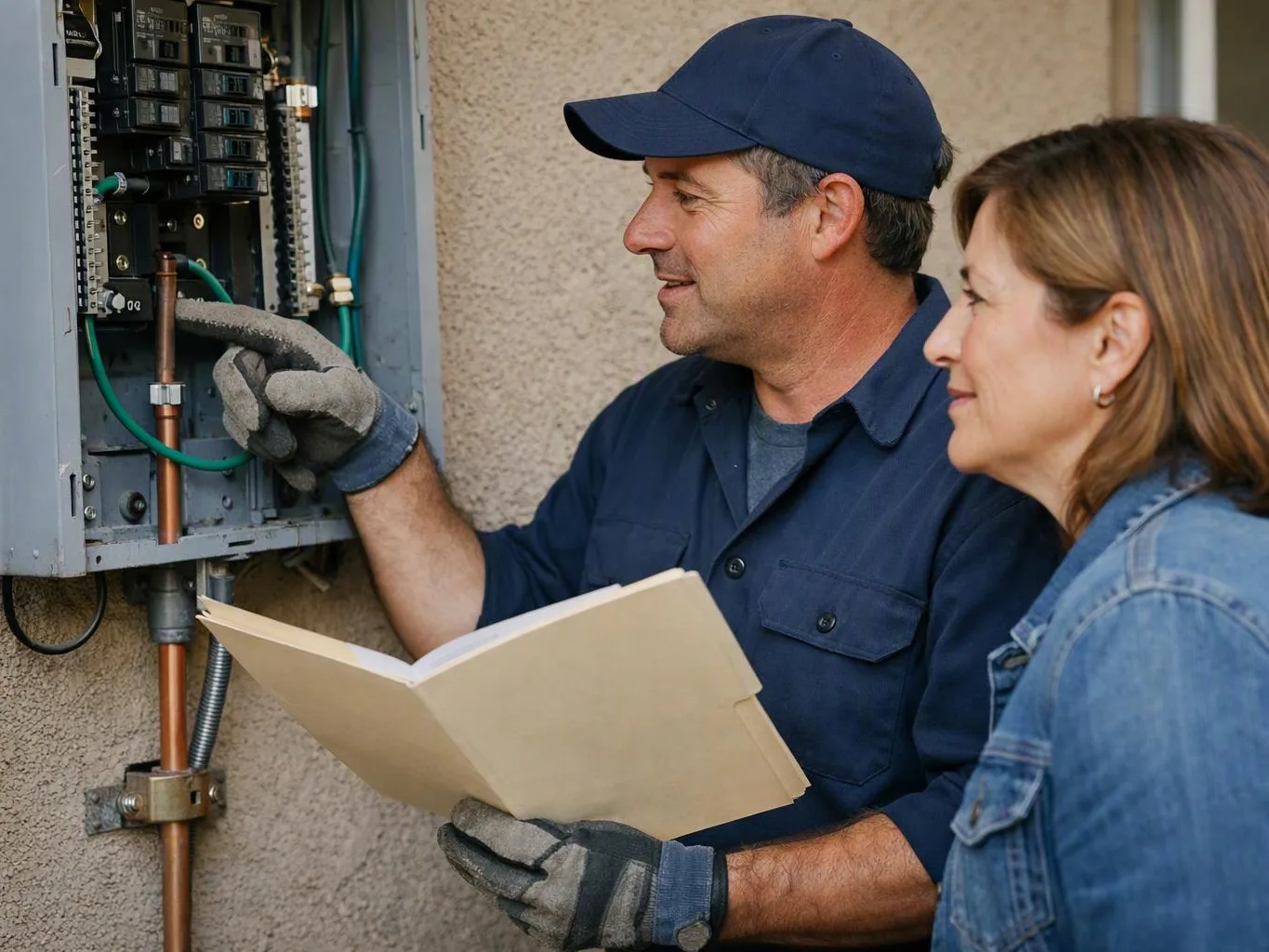
A circuit may trip when an appliance starts, even if the breaker itself is still sound. The job needs a check of circuit load, connections, and visible wiring before anyone selects a replacement. Leave the breaker off if it trips again, and tell us which appliance was running when you request service.
A warm breaker can point to a loose terminal, excess load, or internal failure. Replacement alone won't address a damaged connection, so we inspect the breaker seat and conductor before fitting a new part. Keep clear of the panel and request electrical help if heat, buzzing, or a burning smell appears.
A failed breaker can shut down lights, outlets, or equipment in a commercial space and interrupt normal work. We need to know which areas lost power and whether the breaker reset briefly before failing again. Keep affected equipment off, protect sensitive devices, and arrange an assessment before restoring the circuit.