Can an inspection detect hidden electrical damage?
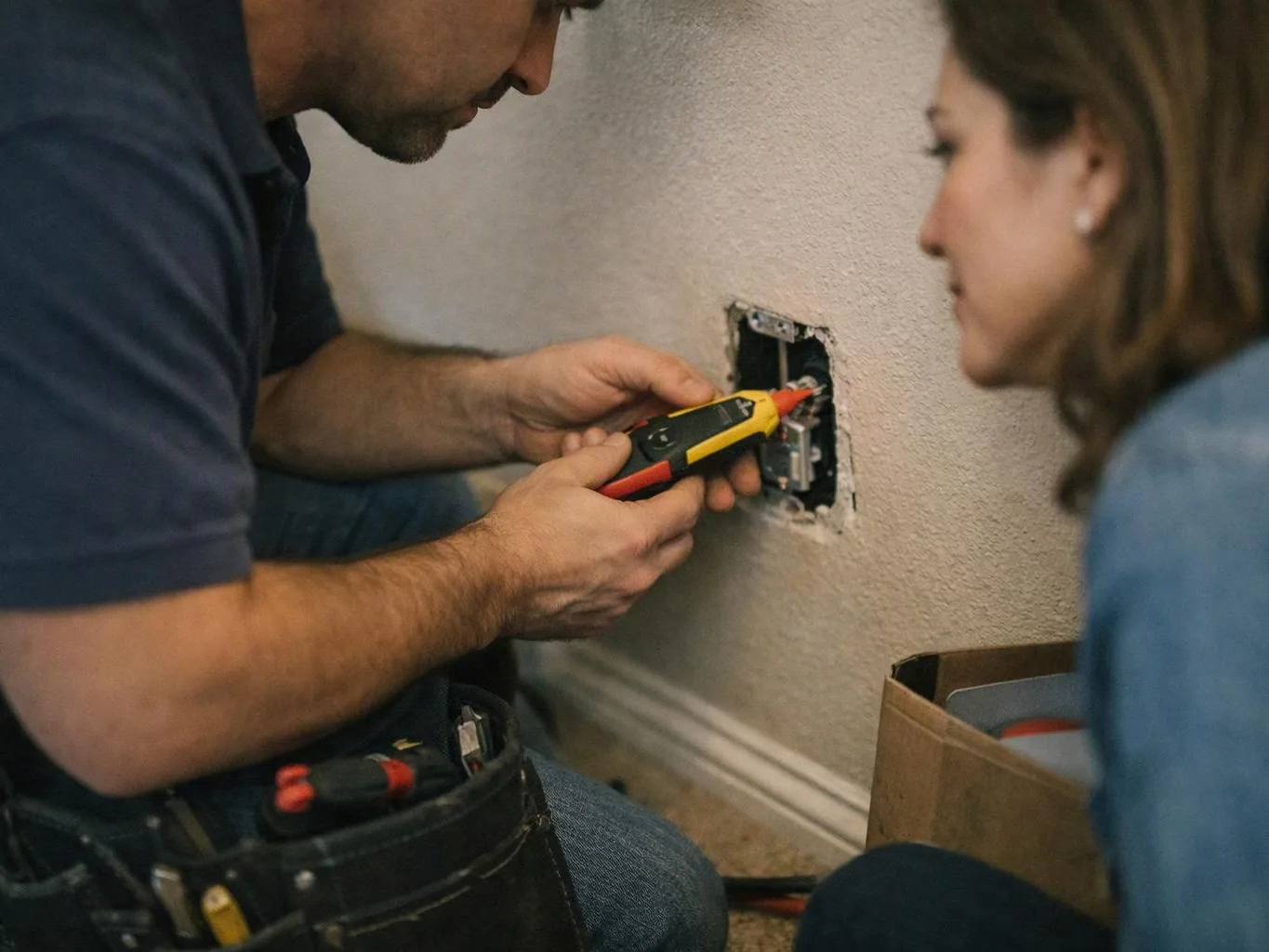
Yes, an inspection can identify signs that point to hidden electrical damage. Circuit tracing, visual checks, and testing can reveal heat marks, loose connections, or unusual readings. Concealed junctions still require safe access before their condition can be confirmed. We explain that limit and recommend the next step based on what we can inspect.
What does the crew look at first during an inspection?
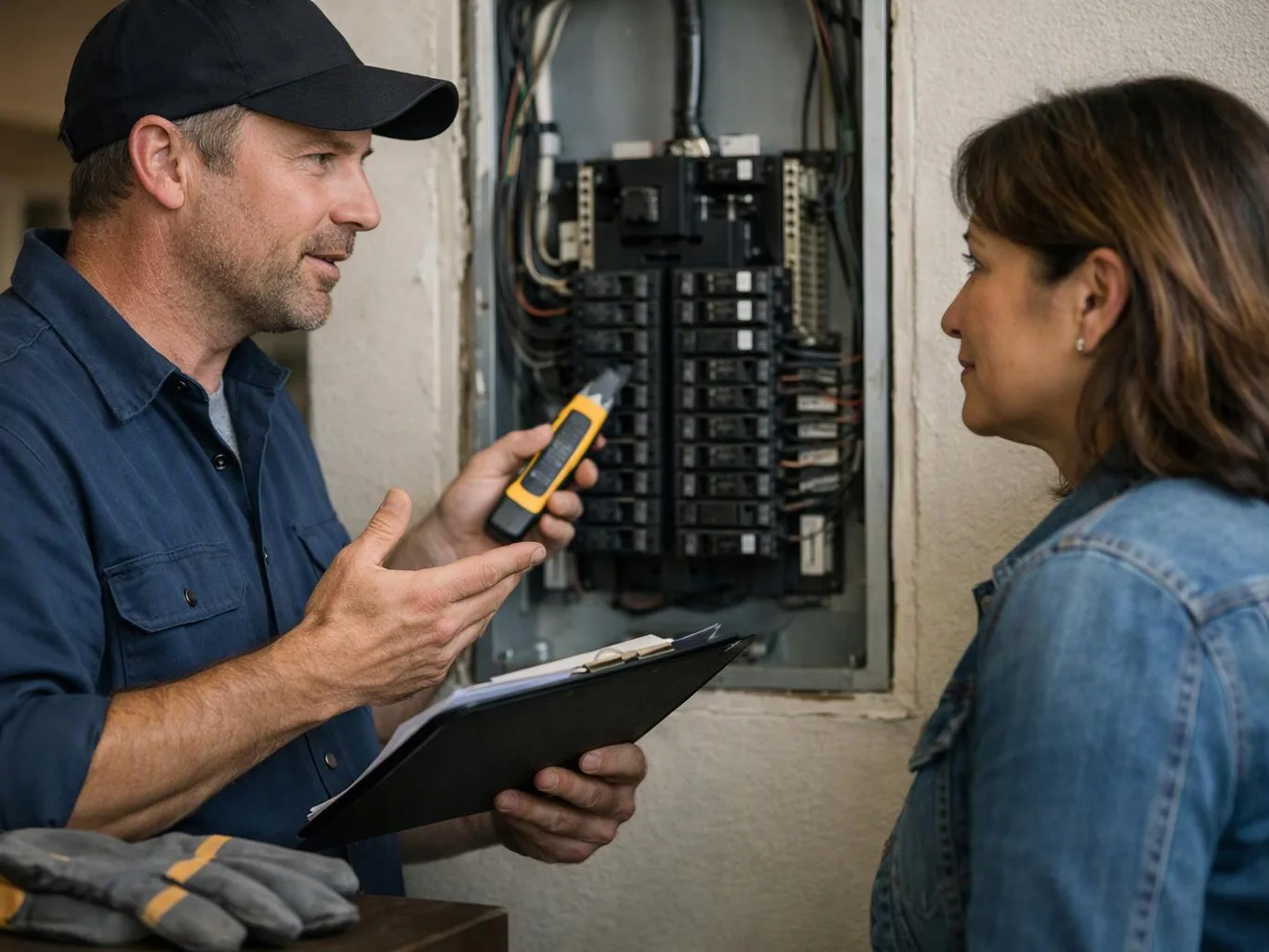
The service panel and reported symptom guide the first checks. We review breaker condition, visible conductor connections, panel heat marks, and circuit labeling. We then trace the affected branch circuit toward outlets, switches, and junctions. This order helps connect the customer’s warning sign to the electrical parts involved.
What should be checked before an inspection is scheduled?
Visible warning signs, recent electrical work, and affected devices should be noted before scheduling. Photos can help show a warm plate, damaged outlet, or panel mark, but don't touch unsafe equipment. Share whether breakers trip, lights flicker, or power drops so we can plan the inspection scope.
Who is a good fit for an electrical safety inspection?
Homeowners, landlords, and businesses with recurring electrical symptoms are good fits. The service also suits owners planning a property change who want the existing system checked first. An active sparking outlet, burning smell, or buzzing panel needs urgent electrical attention before a broader inspection.
Which wiring concerns can change the repair decision?
Hidden junctions, aluminum wiring, moisture intrusion, and damaged insulation can change the repair decision. Each concern affects access, testing, and the parts that may need repair or replacement. We separate visible findings from suspected concealed damage so the owner can choose the next step with clear information.
Why does a breaker keep tripping after it is reset?
A breaker that keeps tripping signals an unresolved circuit problem. Possible causes include an overloaded circuit, damaged wiring, a failing device, or a fault to ground. Stop repeated resets and tell us what was running when the trip occurred. We trace the circuit and inspect the connected parts.
How does this inspection differ from electrical troubleshooting?
Electrical troubleshooting targets a known fault, while a safety inspection reviews the wider electrical system. Troubleshooting may focus on one dead outlet or tripped breaker. An inspection also checks accessible panels, grounding, outlets, switches, and wiring condition to support broader repair decisions.