What electrical symptoms should homeowners report?
Buzzing outlets, warm switches, dead outlets, flickering lights, sparks, burning smells, and repeated breaker trips should be reported. San Bernardino Electrician checks the affected circuit and explains the risk before repair. Stop using any hot, smoking, or sparking point. That detail helps us choose safe isolation and testing steps.
What does the crew look at first during electrical troubleshooting?
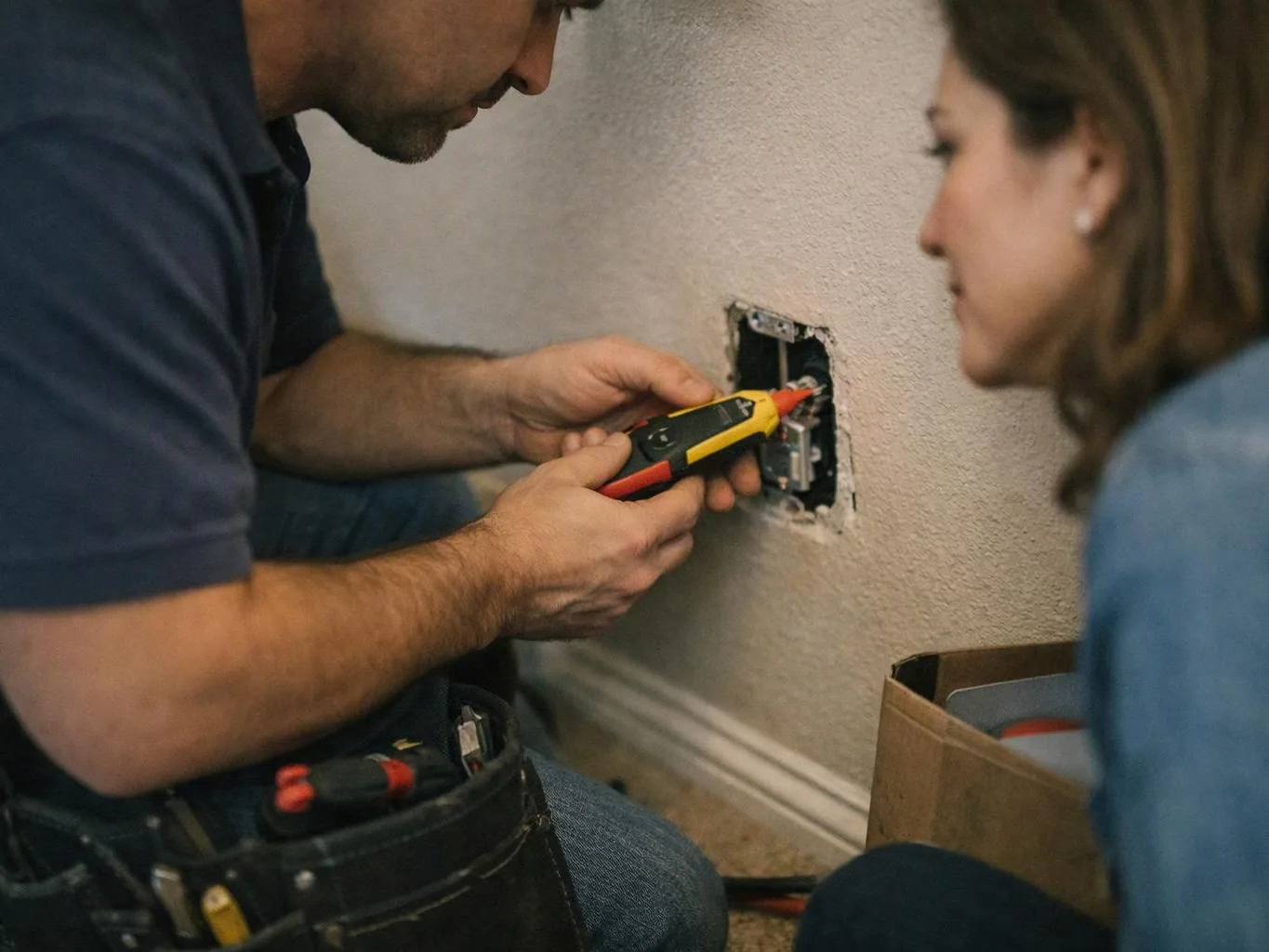
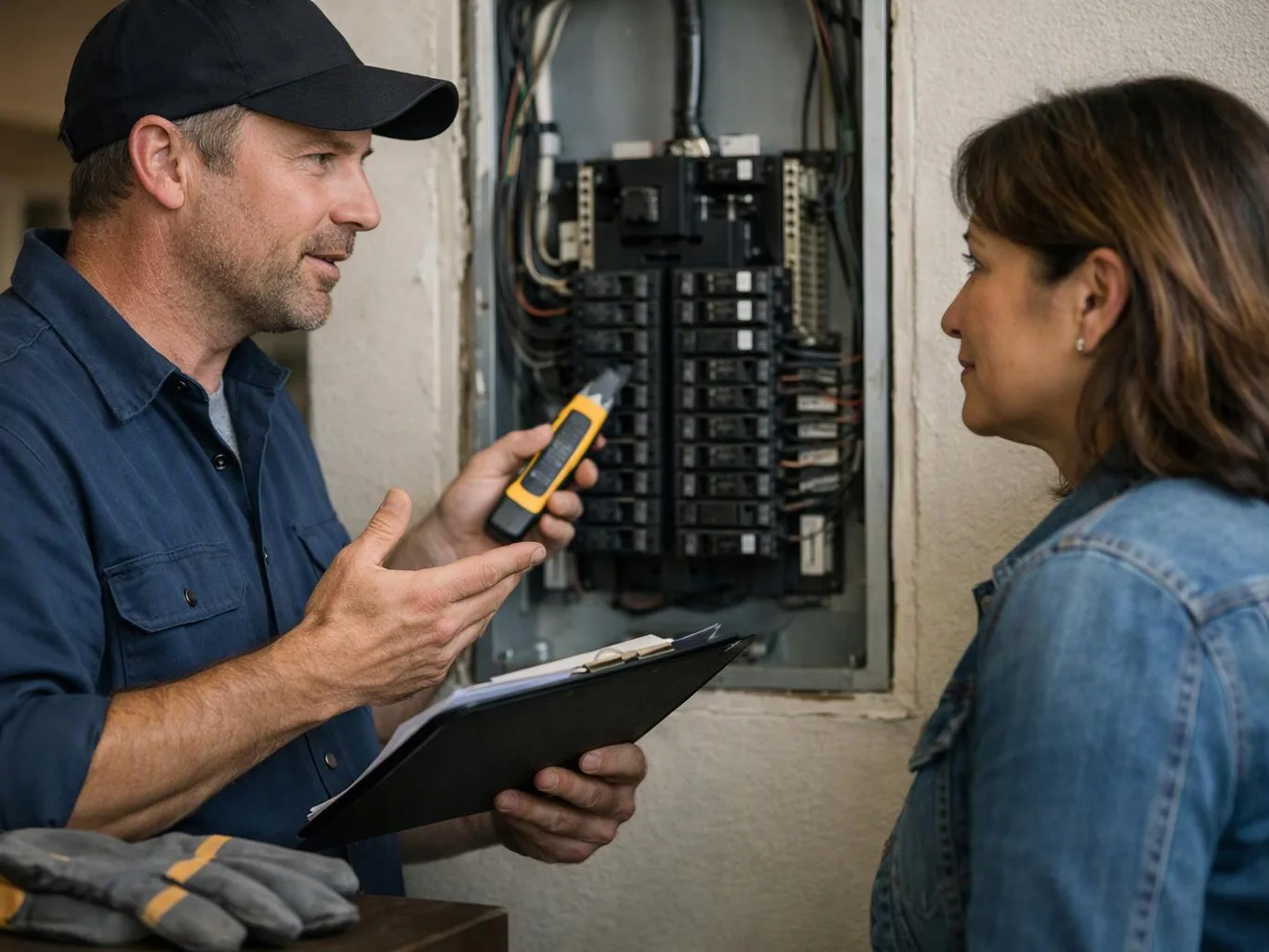
The reported symptom and affected circuit guide the first inspection. We check the outlet, switch, fixture, breaker, and visible wiring for heat or loose connections. We then test for power and trace the circuit when needed. The first check helps separate a local part failure from a wider wiring issue.
What should be checked before troubleshooting is scheduled?
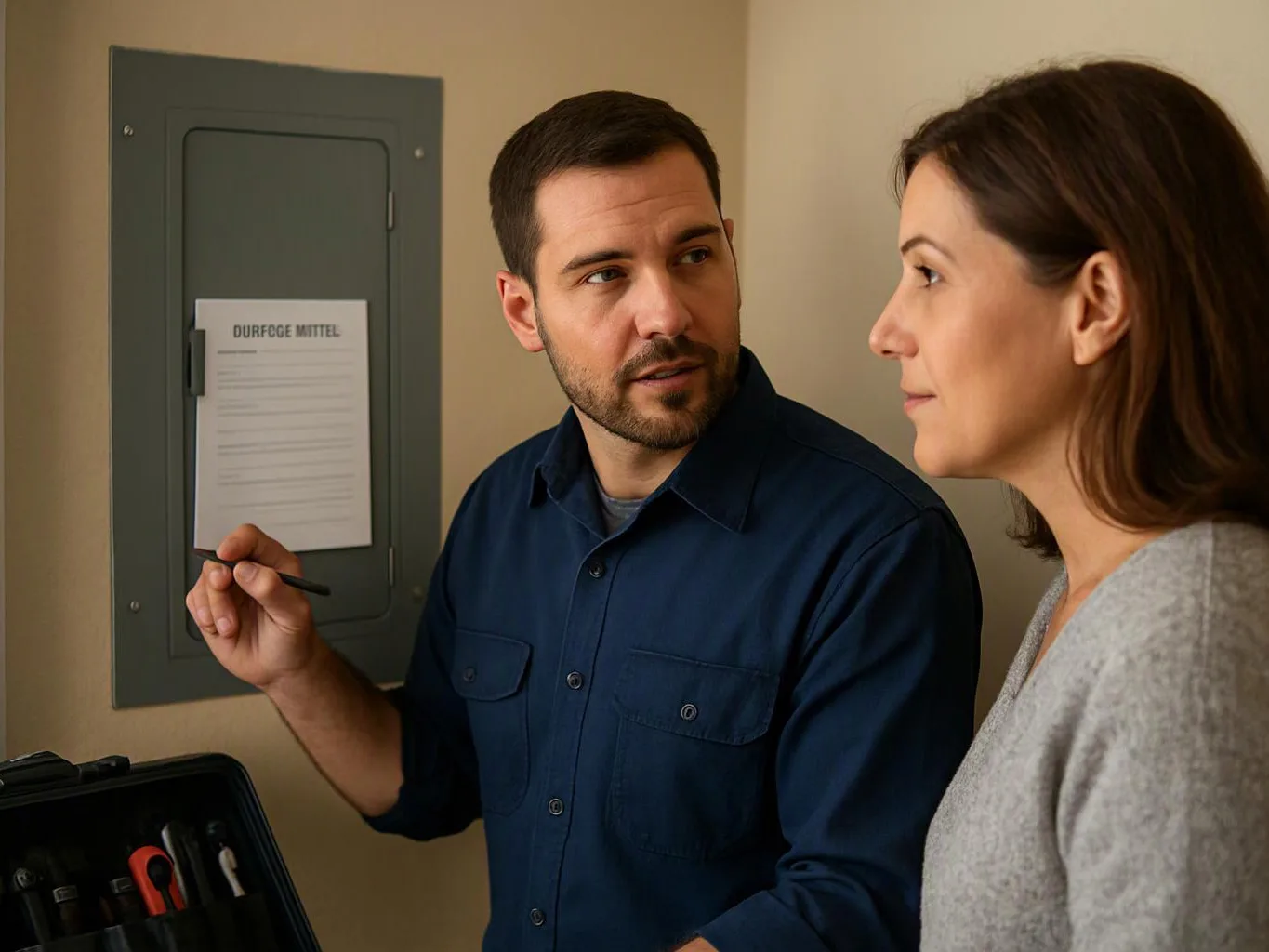
The affected location, symptom pattern, breaker activity, and any burning smell should be recorded first. Photos can help when they show the panel label or damaged cover, but do not remove electrical parts. Keep the area accessible and stop using any point that feels hot, sparks, or smokes.
Who is a good fit for electrical troubleshooting, and who needs a different service?
Electrical troubleshooting fits properties with an active fault or unexplained electrical symptom. We handle circuit tracing, outlet checks, switch faults, breaker issues, and wiring concerns. A planned lighting installation, panel upgrade, or new circuit needs an installation-focused scope when no fault is being diagnosed.
Which part can change the repair scope after testing?
The failed part and the condition of connected wiring can change the repair scope. A loose terminal may need a focused repair, while heat damage or a damaged circuit can require replacement work. We identify the affected part first, then provide a free estimate for the approved scope.
When should I stop resetting a tripped breaker?
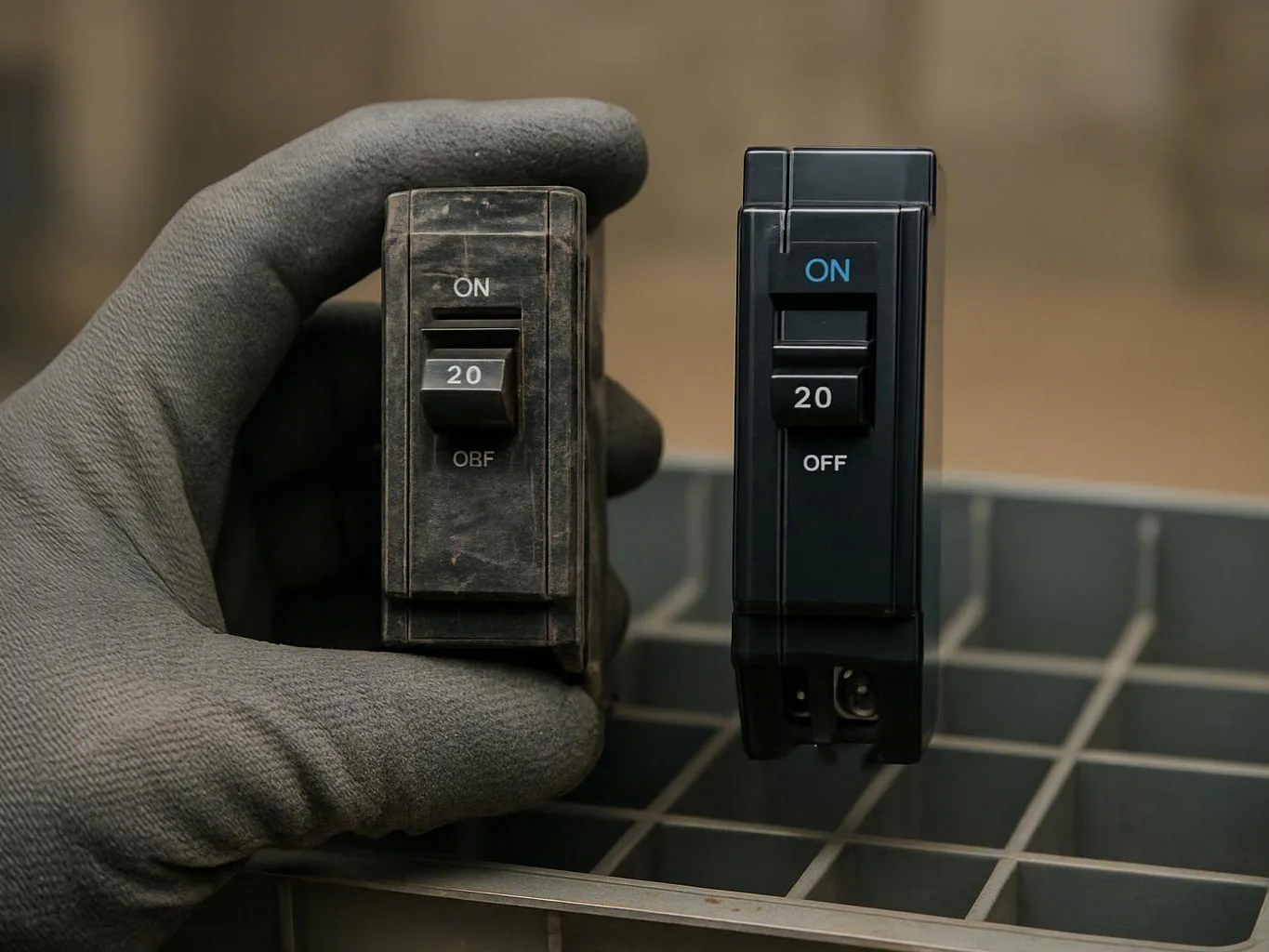
Stop resetting a breaker when it trips again, smells burnt, feels hot, or controls a circuit with sparks or smoke. We inspect the connected load, breaker, wiring, and outlets to find the cause. Repeated resets can leave the underlying fault active, so keep the circuit off and report the symptom.
Why do dead outlets need circuit tracing?
Dead outlets need circuit tracing when the breaker is on but power does not reach the receptacle. We check upstream connections, nearby outlets, wiring, and the breaker to find where power stops. The pattern matters, so note whether one outlet or several points lost power before we begin.