How does load testing investigate recurring breaker trips?
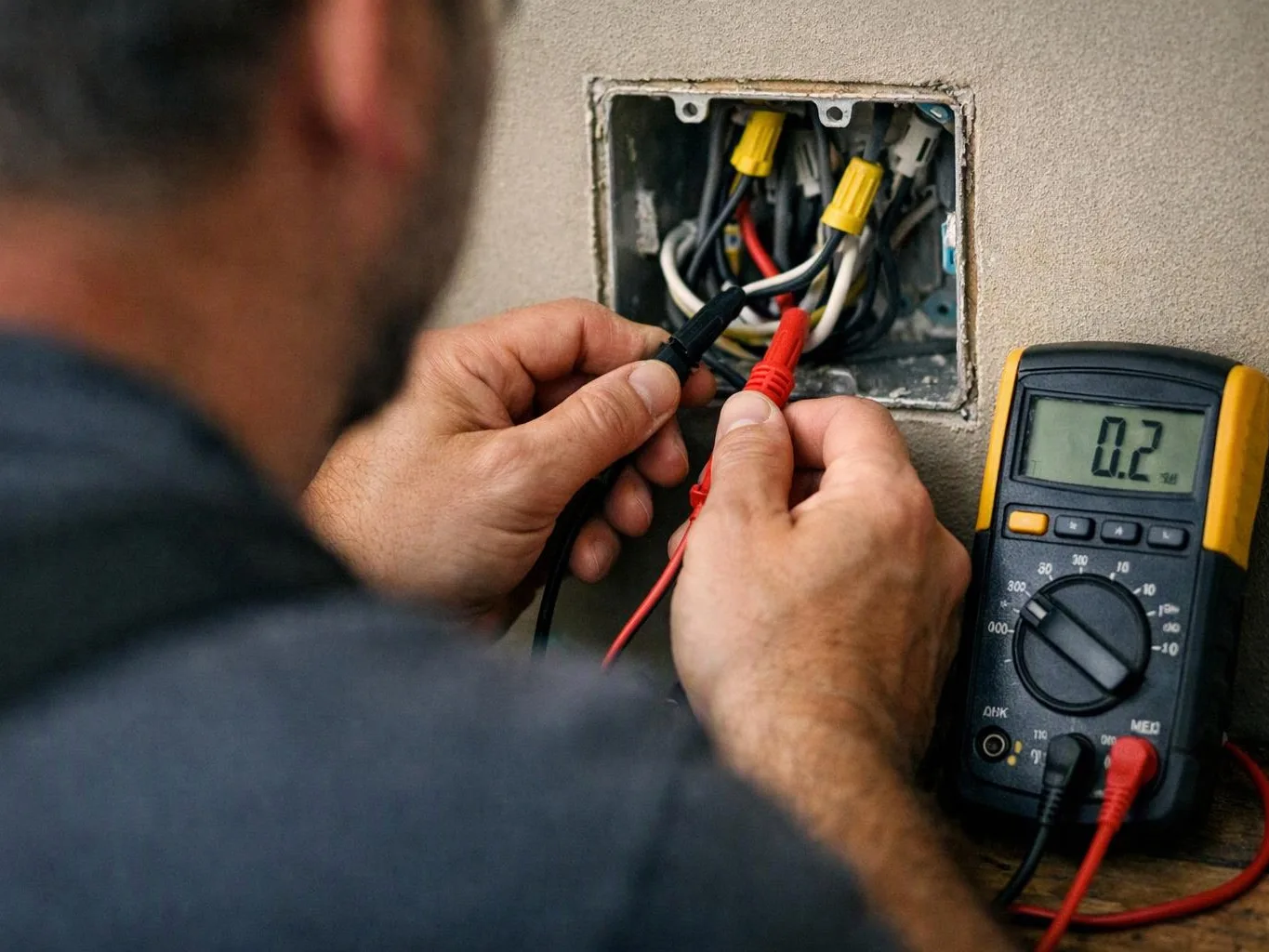
Load testing checks how the circuit behaves when connected demand increases. San Bernardino Electrician first inspects the breaker and circuit, then checks connected loads and signs of overheating or loose wiring. The results help separate an overloaded circuit from a ground fault, short circuit, or failing breaker. We explain the finding before recommending the next repair step.
What does the crew look at first during electrical troubleshooting?
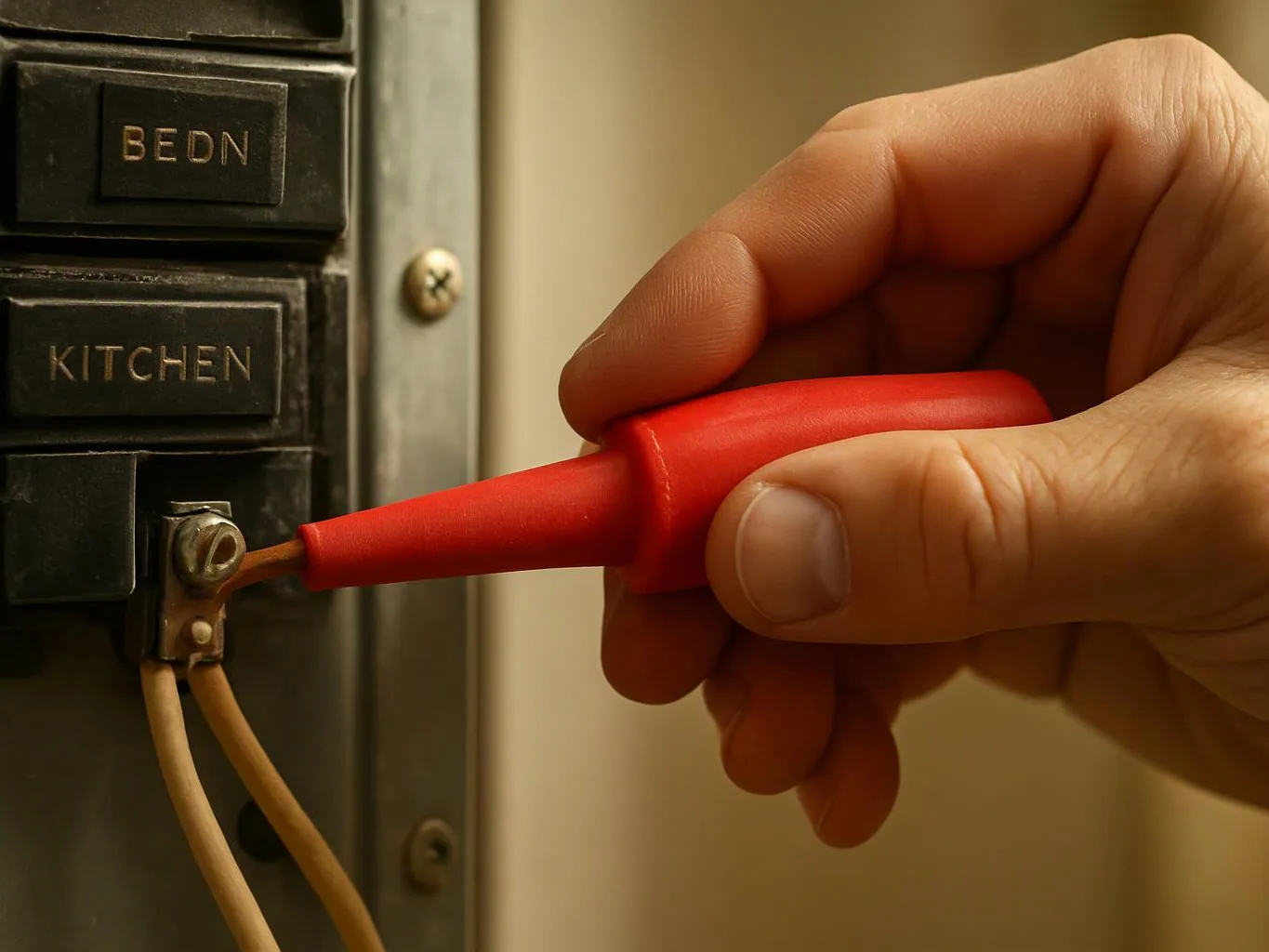
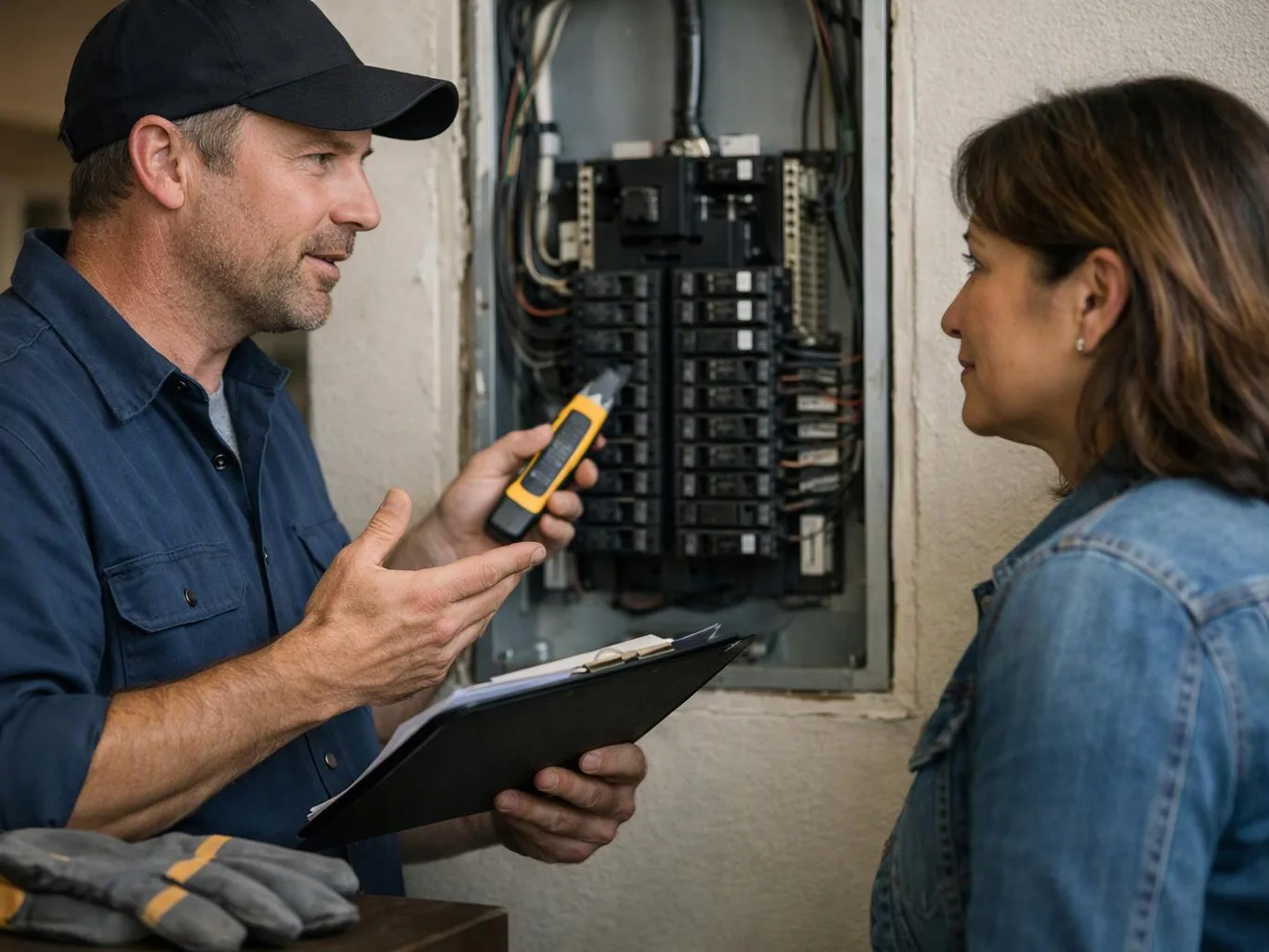
The electrical panel and reported symptom receive the first inspection. We identify the tripped breaker, check visible connections, and ask what was running when power was lost. Nearby outlets, switches, and appliances then help us trace the affected circuit. This order keeps the diagnosis tied to the actual fault.
Which signs mean a breaker problem needs urgent attention?
A burning smell, buzzing panel, warm switch plate, or sparking outlet needs urgent electrical attention. We treat these signs as possible heat, arcing, or wiring faults and inspect the affected area. Keep away from damaged equipment and avoid repeated resets. Describe the warning sign when requesting service.
When should I stop resetting a tripped breaker?
Stop resetting a breaker when it trips again, feels hot, makes noise, or connects to a burning smell. Repeated resets can leave the underlying fault active. We inspect the breaker, circuit, and connected load to find the cause. A single reset won't diagnose an overload, ground fault, short circuit, or damaged connection.
Why do several outlets lose power at once?
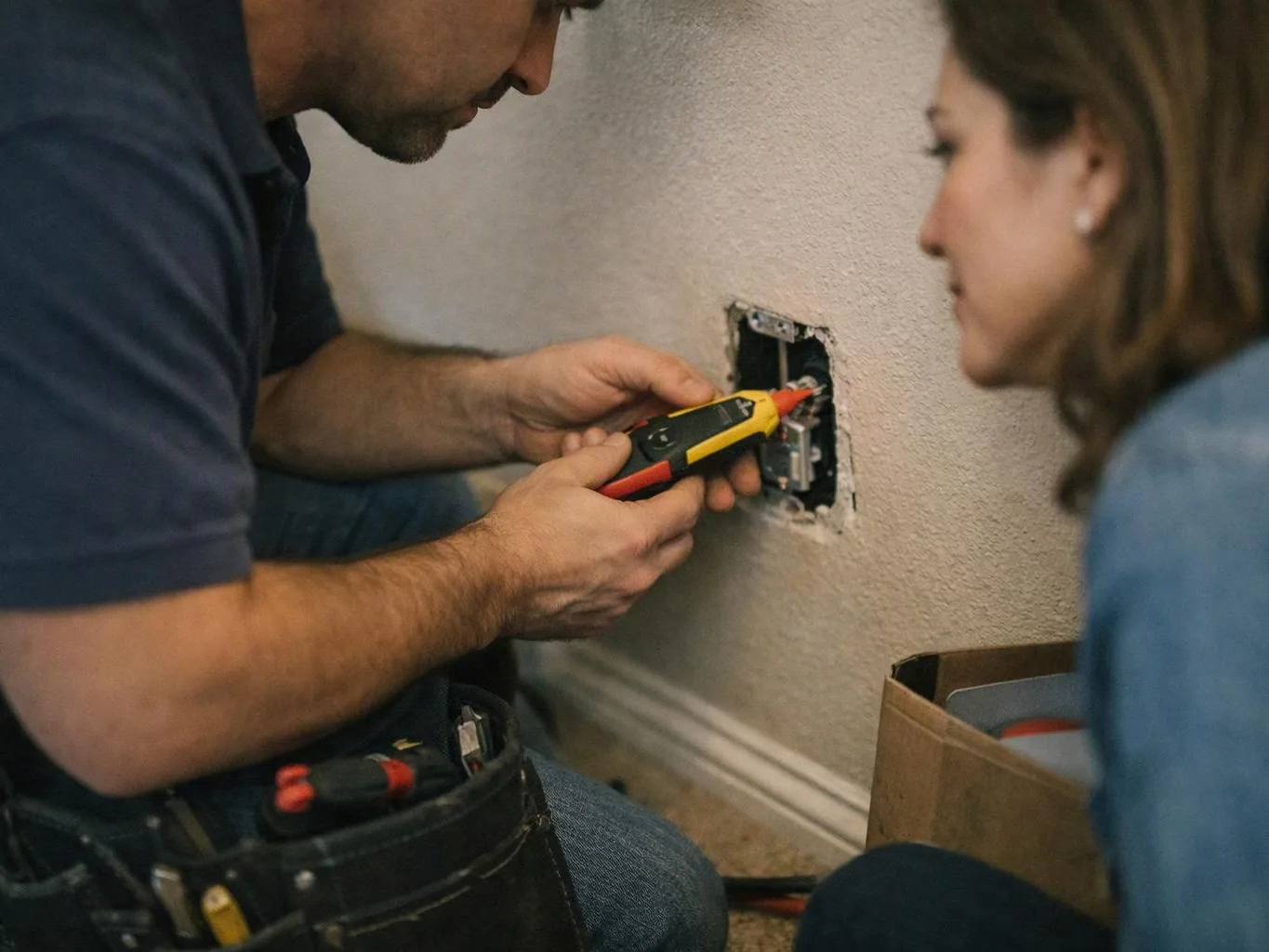
Several dead outlets often share one tripped breaker, loose connection, or ground-fault device. We inspect the panel and test the first affected outlet, then trace power through the circuit. Do not assume every dead outlet needs replacement. The circuit path determines whether the repair belongs at the panel, an outlet, or another connection.
What should be checked before troubleshooting is scheduled?
The reported symptom, affected area, breaker position, and recent appliance changes should be checked first. Write down when the trip occurs and whether lights or outlets also lose power. Photos can help if they show the panel safely from a distance. Don't open the panel or touch damaged wiring before we assess it.
How does a circuit repair differ from a panel upgrade?
A circuit repair addresses a fault on an existing branch circuit, while a panel upgrade addresses equipment capacity or condition. We test the affected circuit before deciding which scope fits. A panel upgrade may need a separate load calculation, permit pull, and inspection. Troubleshooting helps identify whether that larger project is warranted.