How are recurring breaker trips investigated?
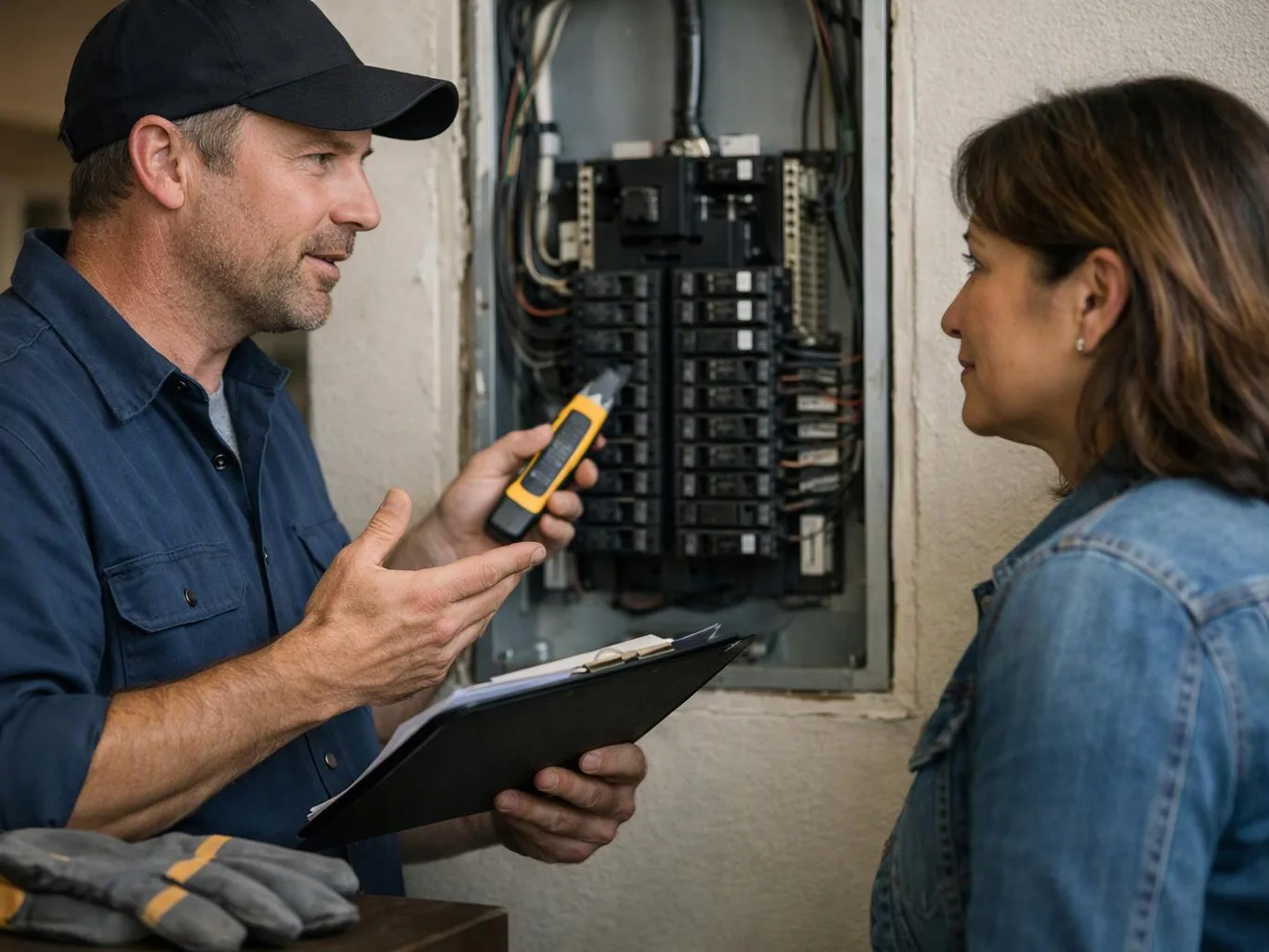
Short circuits are investigated through breaker inspection, circuit tracing, load testing, and ground-fault checks. We start with the reported symptom and identify the affected circuit. Then we inspect connected outlets, fixtures, wiring, and loads. The final explanation separates a faulty breaker from an overloaded circuit or wiring repair.
What does an electrical troubleshooting visit include?
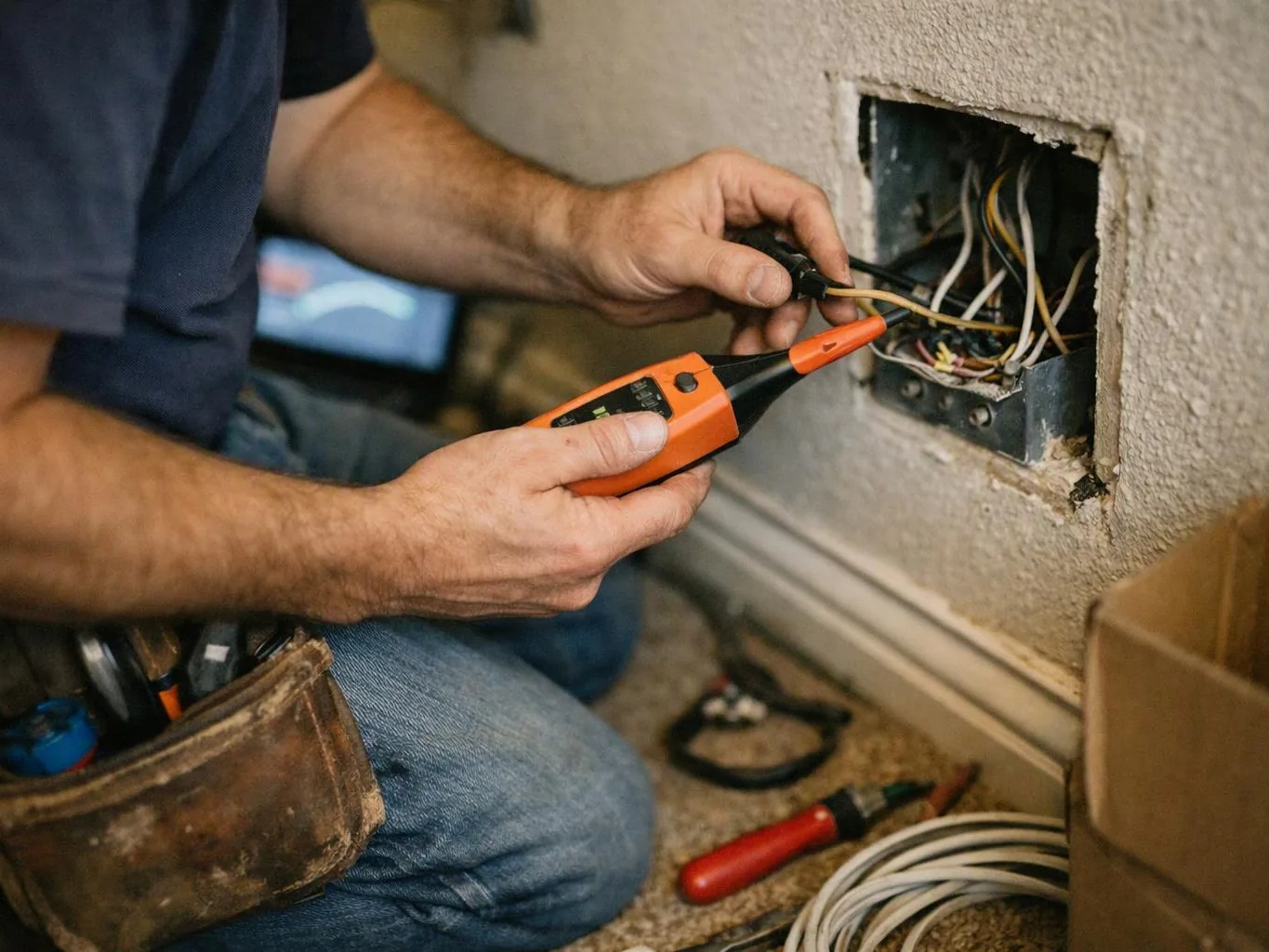
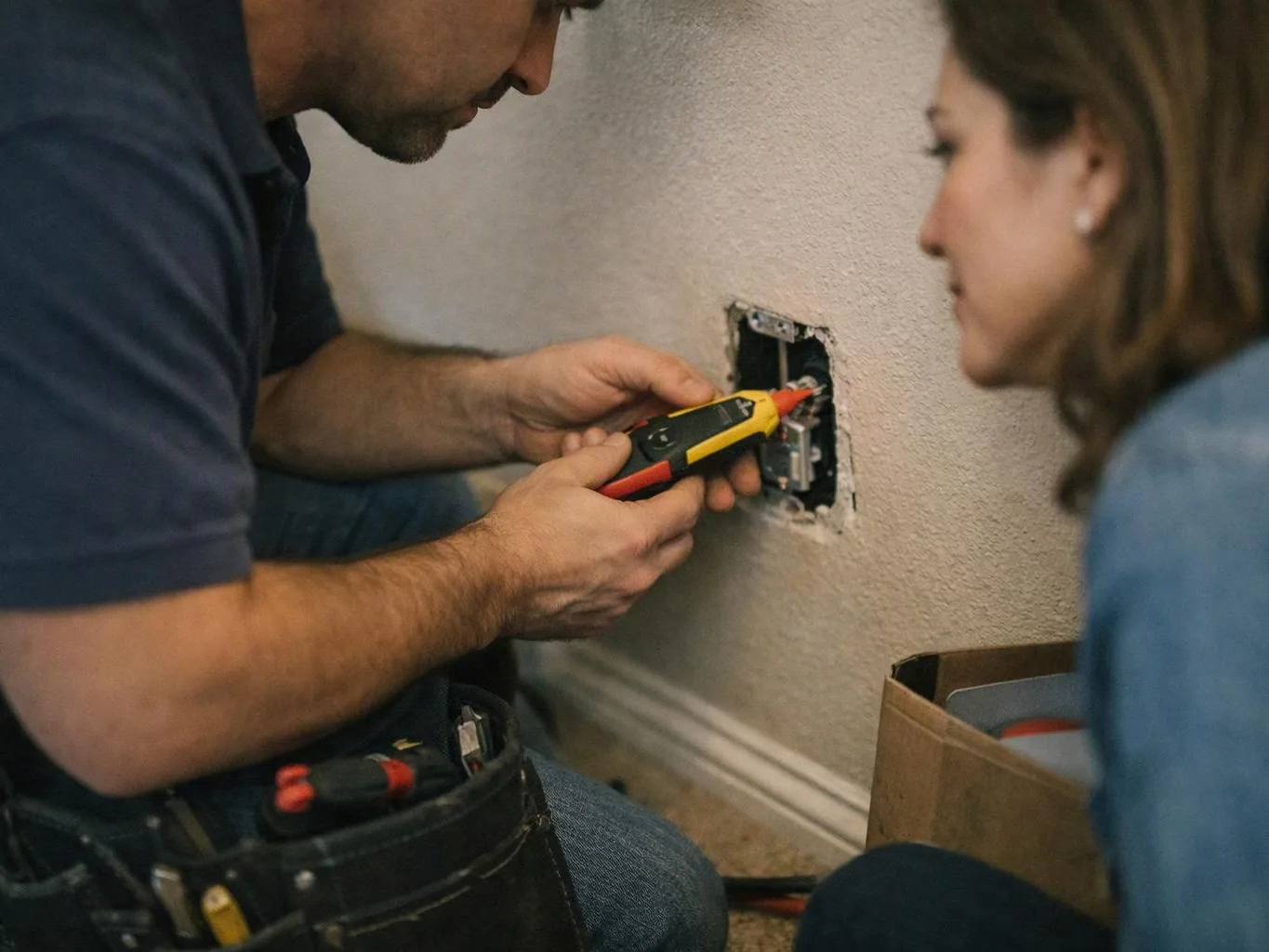
A troubleshooting visit includes symptom review, panel inspection, circuit tracing, and testing of the affected load. We check the parts linked to the complaint and explain what the tests show. The visit focuses on diagnosis and repair scope, while a panel upgrade or rewiring project requires a separate decision.
Which material changes how long electrical troubleshooting takes?
Aluminum wiring can add inspection and repair steps because its connections need close attention. Copper wiring, damaged insulation, older receptacles, and concealed wire paths can also change the work needed. We identify the wiring material and access conditions before setting the repair scope.
How does a troubleshooting visit move from the first call to the last step?
The visit moves from symptom review to inspection, circuit tracing, testing, and a repair explanation. We first record the breaker behavior and affected devices. Next, we check the panel and circuit path. The last step is a clear scope for repair, replacement, or further electrical work.
Why does one outlet keep losing power?
A dead outlet can result from a tripped upstream device, loose connection, failed receptacle, or damaged circuit. We trace the outlet to its breaker and nearby connections. Do not keep resetting the breaker or use an outlet that feels warm. Our team checks the circuit before restoring service.
Can electrical troubleshooting cover wiring and panel problems?
Yes, troubleshooting can identify wiring faults, breaker problems, and panel conditions that need repair. The service diagnoses the cause, while the final repair may involve a breaker, outlet, connection, circuit, or panel upgrade. We explain which work fits the finding before proceeding.
What should I do before requesting urgent electrical help?
Turn off the affected circuit if it is safe and keep people away from sparking, hot, or smoking electrical parts. Note the breaker position and the devices that were running. Do not open the panel or remove an outlet cover. Share those details with our team when requesting service.