What signs indicate electrical panel damage?
A warm enclosure, buzzing sound, burning odor, or flickering power can indicate electrical panel damage. San Bernardino Electrician checks the enclosure, breakers, wiring, bus connections, and affected circuits. We also look for heat marks, loose parts, and damaged insulation. Stop using a circuit that smells hot or shows sparks until the panel has been assessed.
How does a panel repair visit move from the first call to the last step?
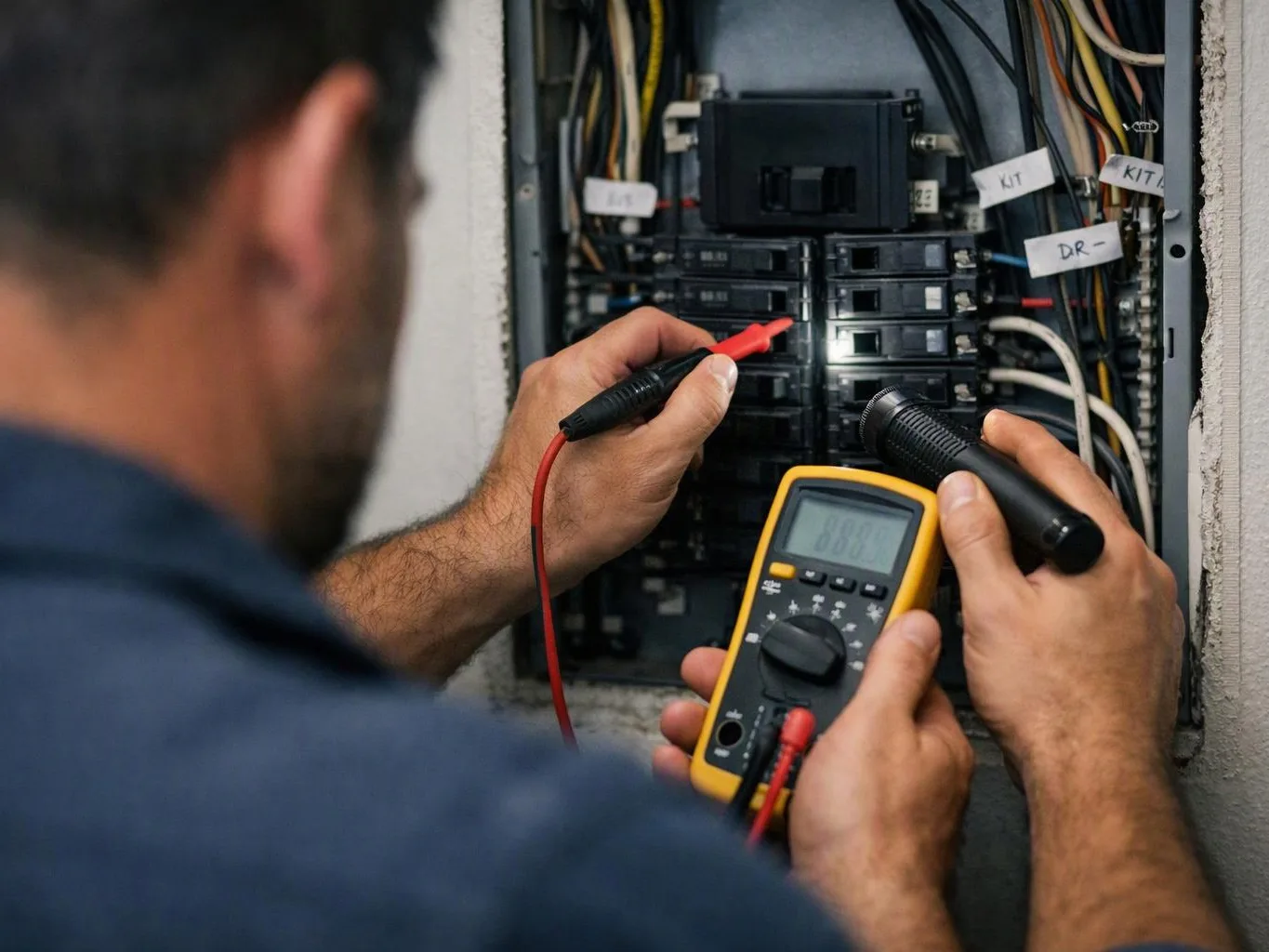
The visit moves from symptom review to inspection, circuit tracing, repair, and testing. We begin by documenting the affected circuits and visible warning signs. The inspection then checks panel parts, wiring, load, and grounding. After the repair, testing and verification confirm circuit operation, and we explain the completed scope.
Which part of the property decides the scope of panel repair?
The service panel, affected branch circuit, wiring path, and connected equipment decide the repair scope. A damaged breaker may need focused work, while heat at the bus or limited capacity may point to broader panel work. Circuit tracing shows what the breaker controls, and load review checks whether planned equipment fits.
When does a panel fault become an urgent electrical problem?
A panel fault becomes urgent when it involves a burning odor, smoke, sparking, strong heat, or repeated breaker trips. Turn off affected equipment if you can do so safely, and keep clear of the enclosure. We treat those signs as emergency electrical concerns and inspect the panel, connections, and circuit source.
Why does a breaker keep tripping after it is reset?
A breaker may keep tripping because of an overload, short circuit, damaged breaker, loose connection, or fault in connected wiring. Repeated resets can leave the cause unresolved. We trace the affected circuit, check the breaker and panel connections, and review the load before deciding whether repair or another service fits.
How can a customer tell whether panel repair fits the property?
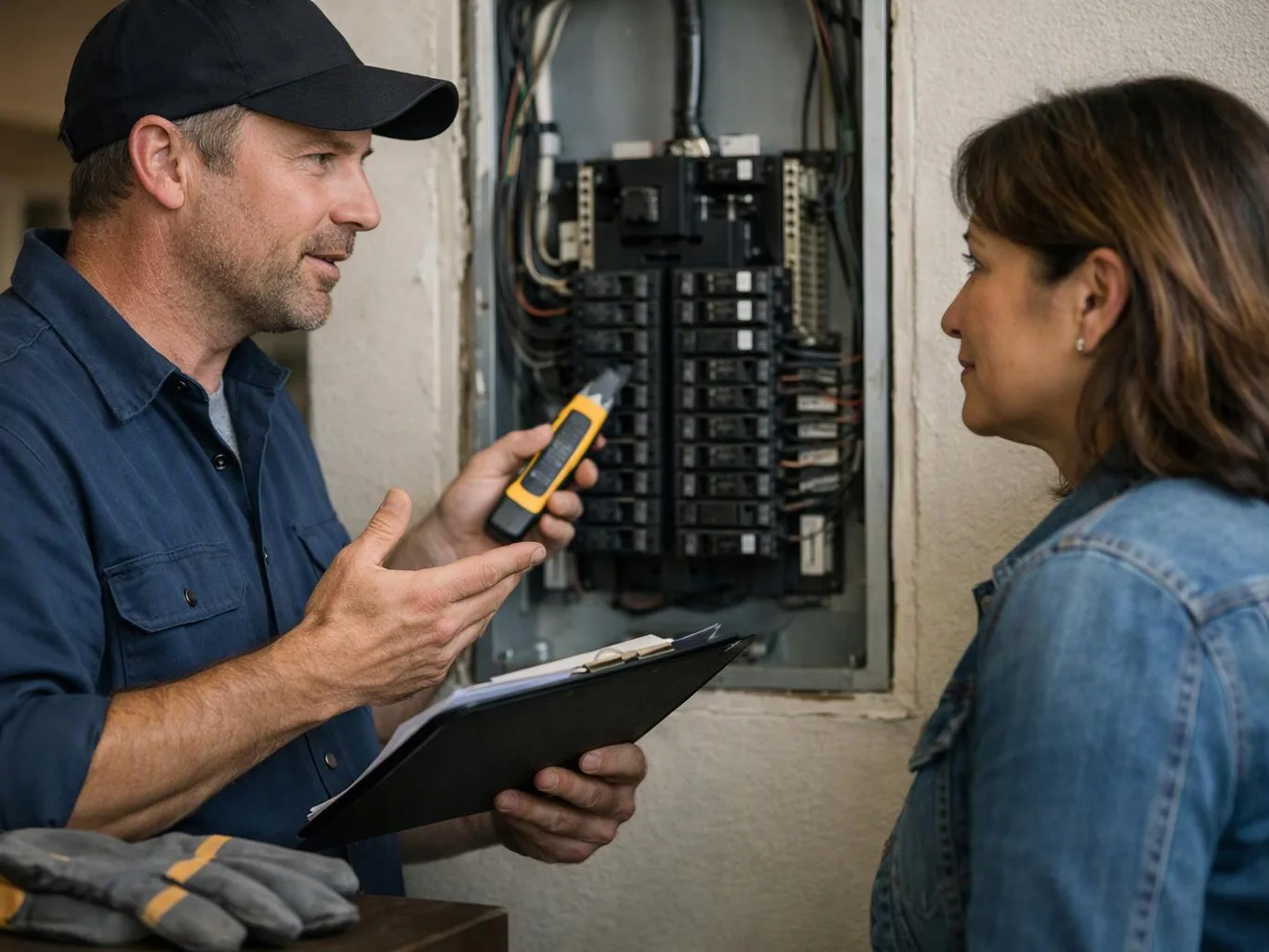
Panel repair fits when the existing enclosure remains suitable and the fault is limited to a repairable part or connection. A panel upgrade fits when the equipment has broad damage, lacks capacity, or cannot support the property's planned load. We inspect the panel and complete a load review before explaining that choice.
What information should I provide before requesting a panel assessment?
The most useful details are the warning sign, affected circuits, recent electrical changes, and any burning smell or buzzing sound. Photos can help if taken from a safe distance without opening the panel. Tell us whether the property is residential or commercial and whether power loss affects equipment, lighting, or outlets.