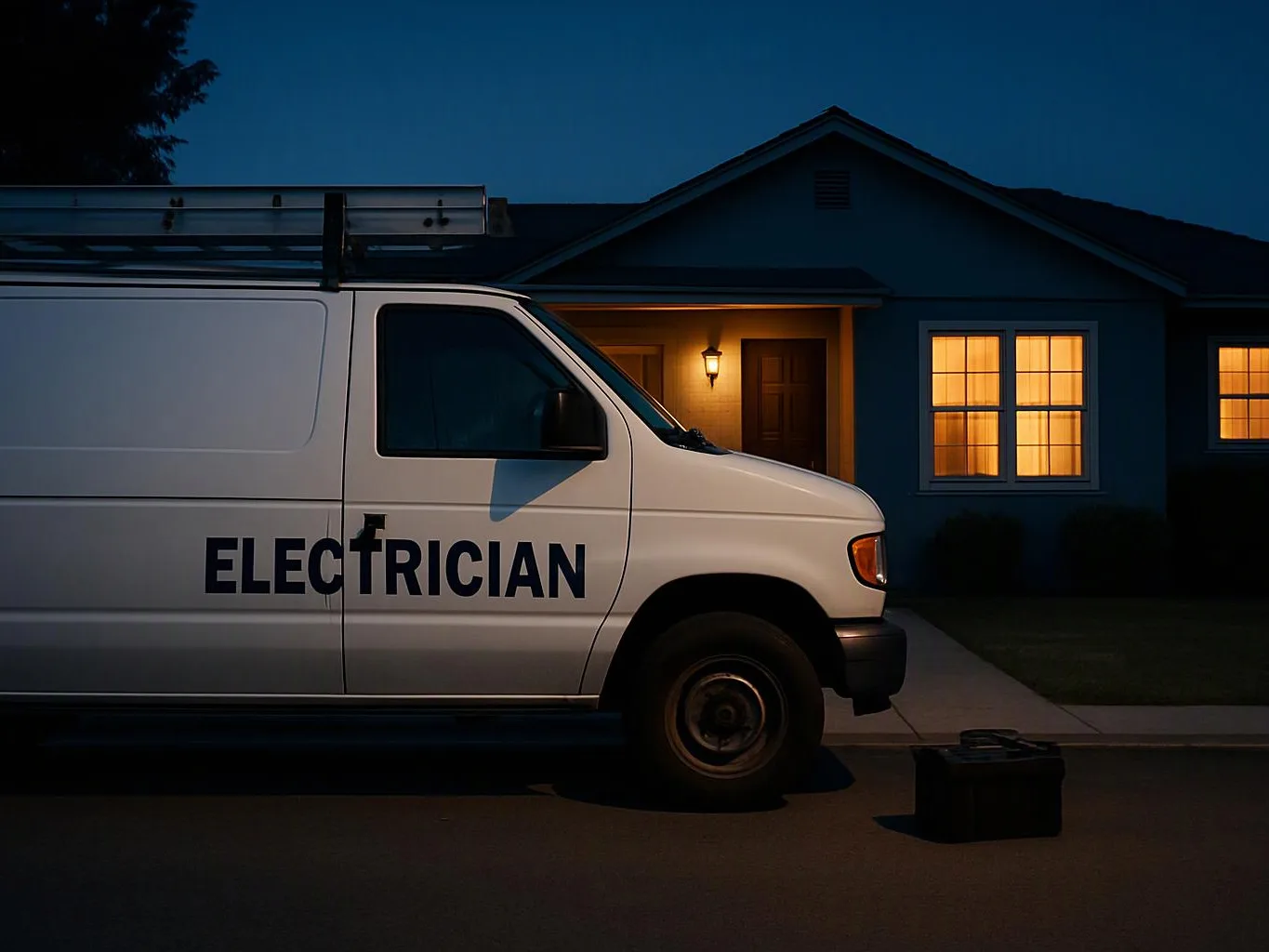
What outlet safety issues require attention first?
Open ground, reverse polarity, heat, sparking, moisture, and loose connections require attention. San Bernardino Electrician checks the receptacle and circuit before repair. Stop using an outlet with a burning smell, warm plate, or visible sparks. We then test the wiring, grounding path, and GFCI protection to set the right scope.
How does an outlet repair visit move from the first call to the last step?
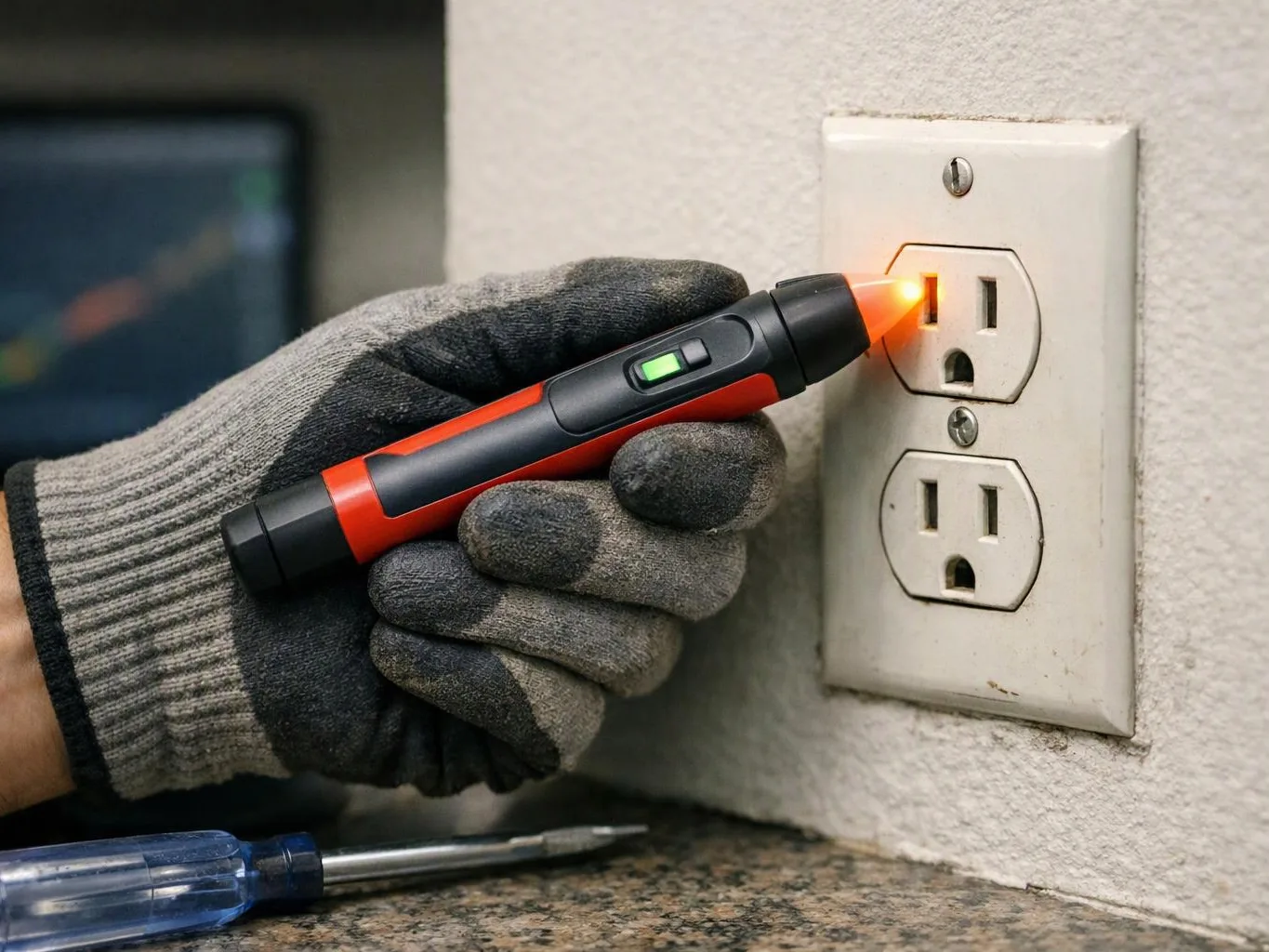
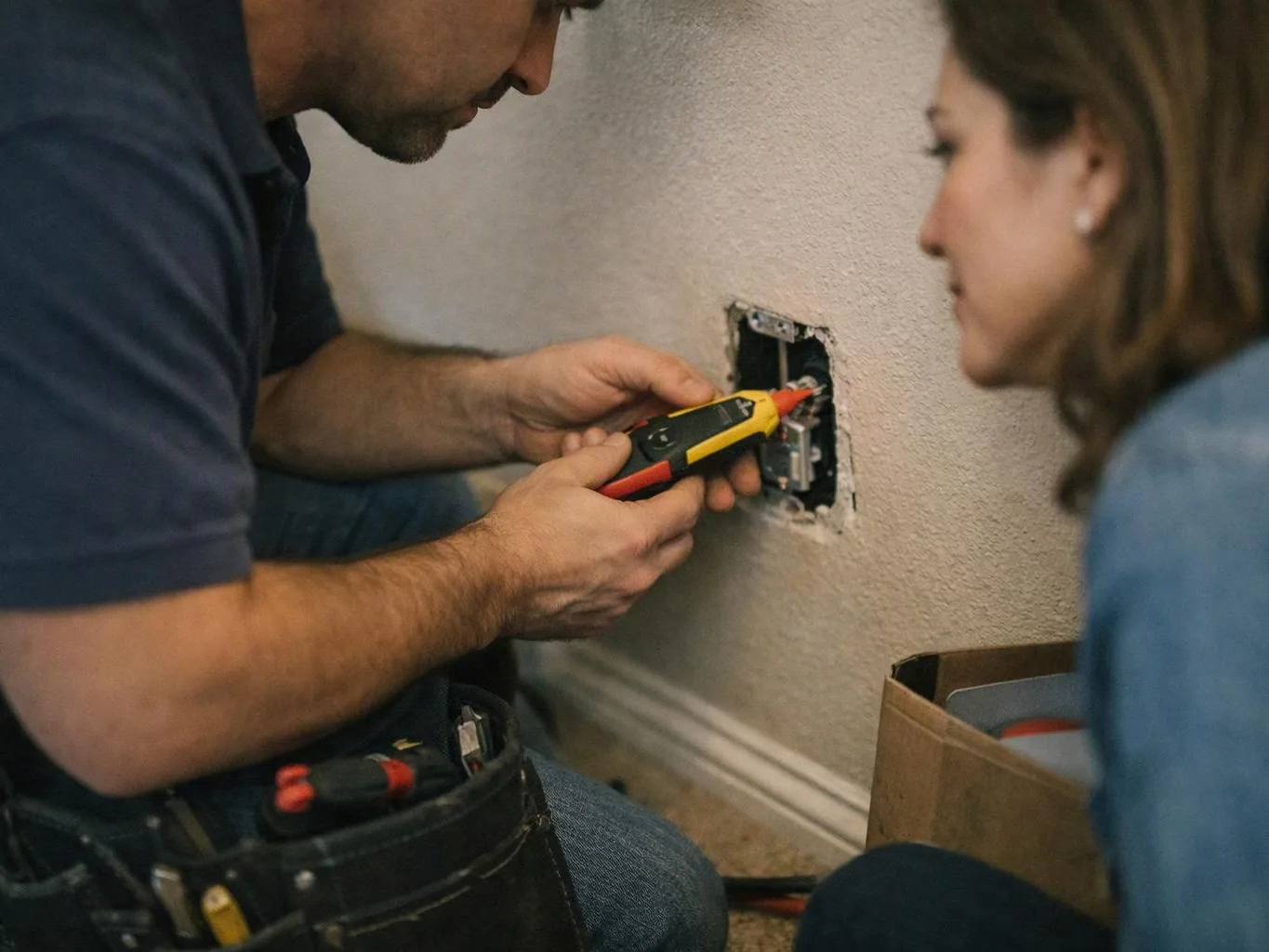
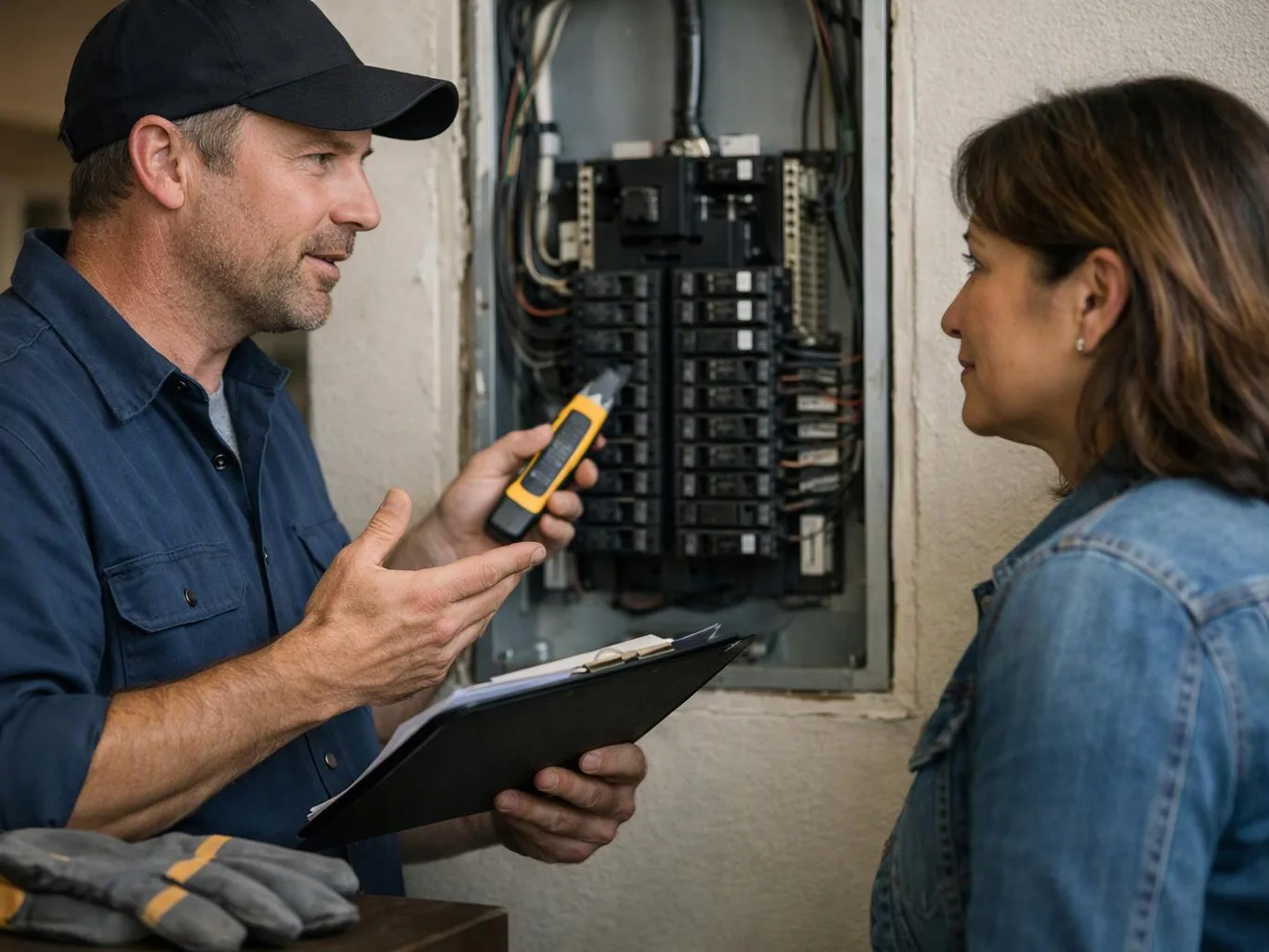
An outlet repair visit moves from symptom review to inspection, testing, repair, and final verification. We identify the affected receptacle and circuit first. Then we test polarity, grounding, and protection before explaining the work. After the repair, we test the outlet again and discuss any remaining circuit concern.
What can cause an outlet to show reverse polarity?
Reverse polarity comes from hot and neutral wires connected to the wrong receptacle terminals. We test the device and nearby connections to locate the wiring error. A new faceplate won't correct that condition. We repair the connection and verify polarity before the outlet returns to service.
Which part of the property decides the scope of outlet repair?
The outlet location and its circuit decide the repair scope. Kitchens, bathrooms, laundry areas, garages, and exterior locations may need different protection checks. We inspect the receptacle, box, wiring path, and breaker so the repair matches the circuit instead of treating every outlet the same.
How can a customer tell whether outlet repair fits the property?
Outlet repair fits when one or more receptacles show damage, loose mounting, wiring faults, heat, or protection concerns. We assess the device and connected circuit first. Panel upgrades or rewiring become the better scope when testing shows a broader capacity, service, or wiring problem.
When does moisture exposure make an outlet urgent?
Moisture exposure makes an outlet urgent when water reaches the device, box, or wiring. We isolate the circuit and inspect for corrosion, heat, and failed protection. Keep the area dry and do not reset a tripped breaker repeatedly. The repair may involve the receptacle and the source of the moisture.
Why does a new outlet still trip the breaker?
A new outlet can still trip the breaker when the circuit has a wiring fault, overload, damaged appliance, or downstream problem. We trace the circuit and test connected outlets instead of replacing the device again. Turn off the affected circuit and report what was plugged in when the trip occurred.