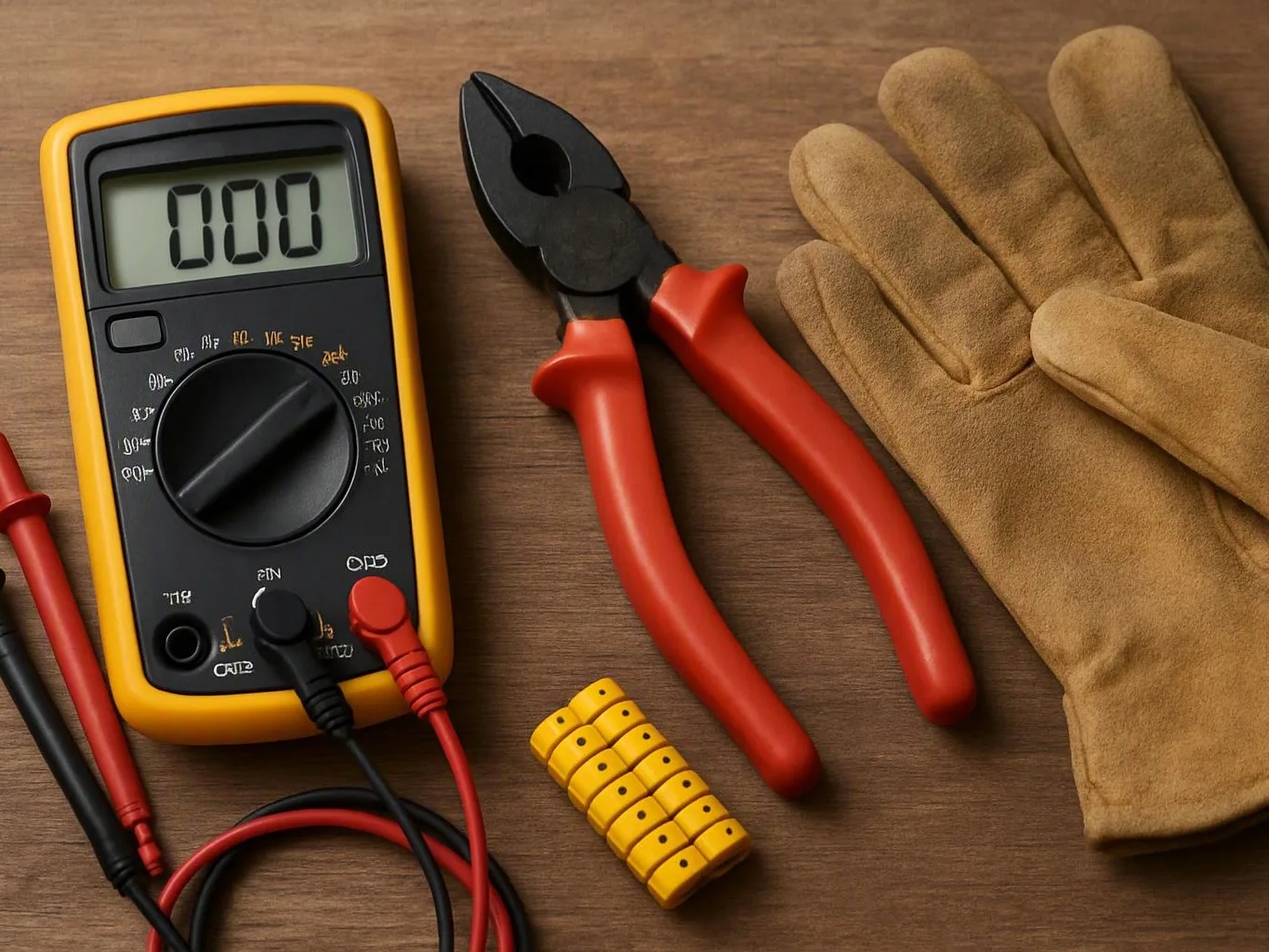
Identify the affected outlet
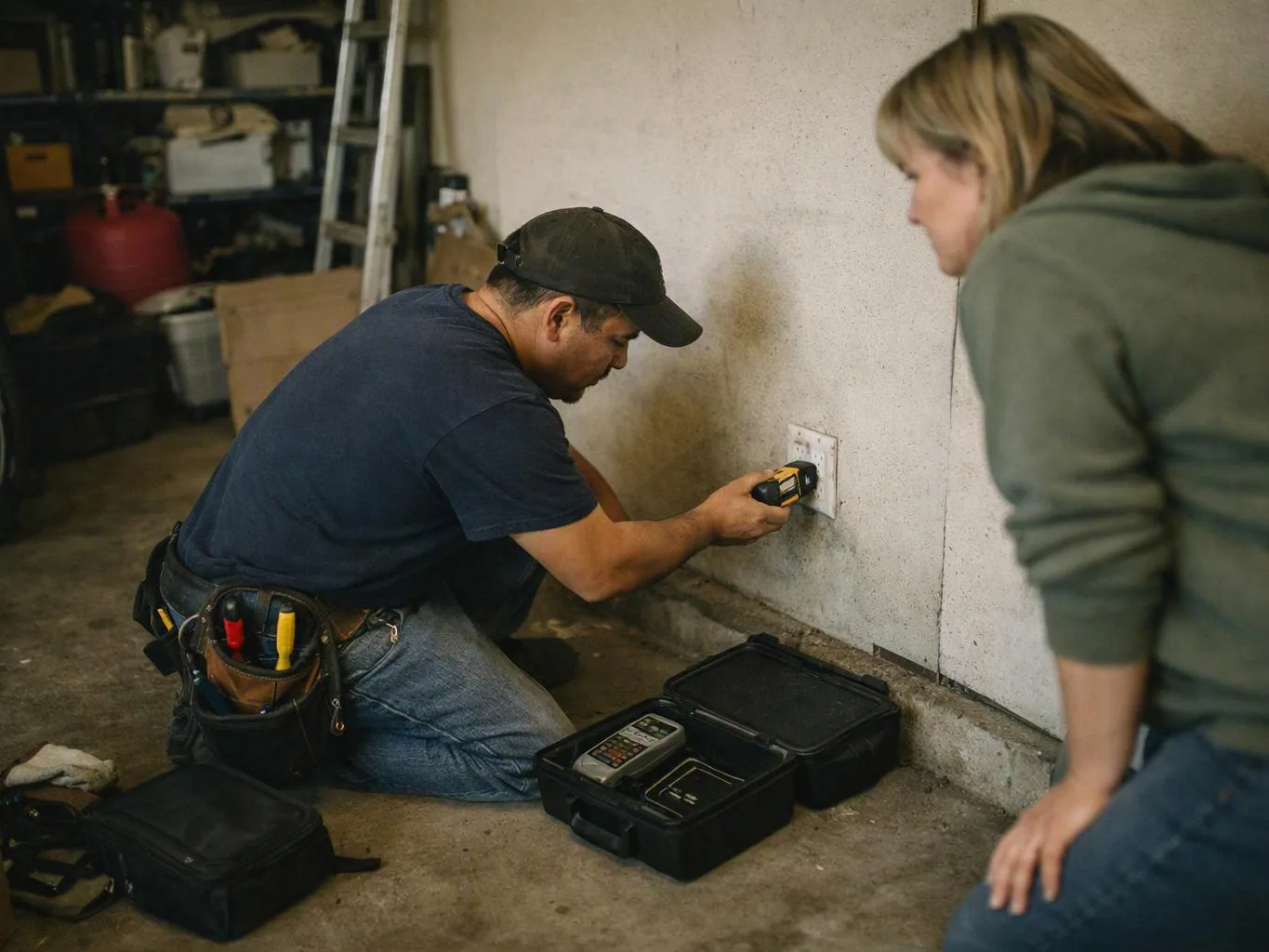
We review the symptom, check nearby receptacles, and identify whether the problem affects one outlet or part of the circuit.
We repair unsafe, loose, and dead outlets for homes and businesses. Our electricians check the receptacle, wiring, and grounding before work begins.
A repaired receptacle gives plugs a firm connection and reduces movement at the wall.
Testing helps identify whether the fault is limited to the outlet or extends along the circuit.
Replacing damaged parts removes visible wear such as cracked covers, loose faces, or burned contact points.
Outlet repair is electrical work that restores a damaged, loose, dead, or unsafe receptacle.
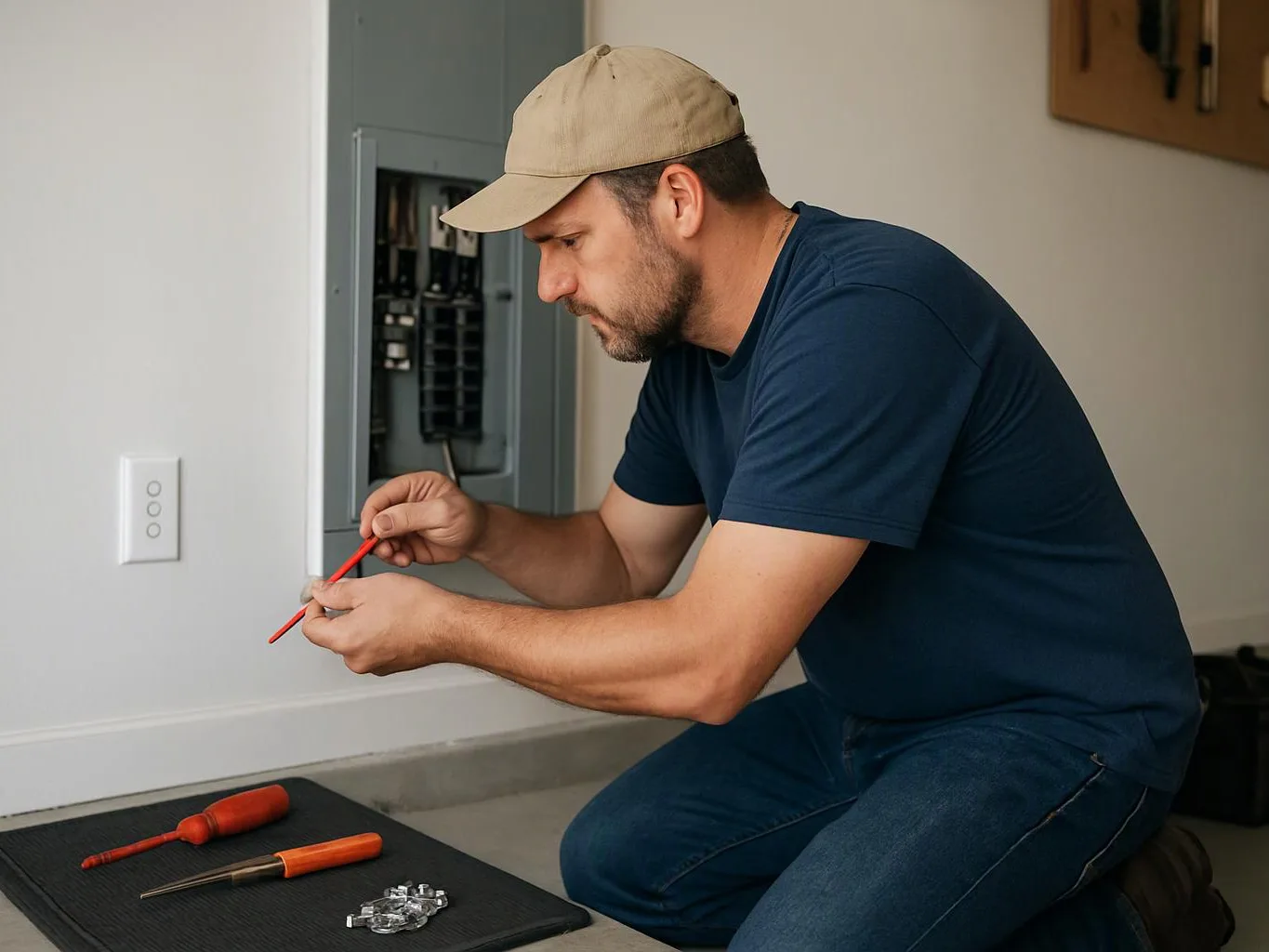
Outlet repair begins with the symptom you noticed and the circuit that supplies it. We inspect the faceplate, receptacle, mounting screws, outlet box, wire connections, and grounding path. A dead outlet may involve the receptacle, a tripped breaker, an upstream connection, or damaged wiring. We diagnose the fault before recommending a repair, so the work addresses the cause and not only the visible part. The outcome matters. We check that the receptacle holds a plug firmly, supplies power correctly, and has a sound grounding path. If the box or wiring cannot support the repair, we explain the added work before proceeding.
We review the symptom, check nearby receptacles, and identify whether the problem affects one outlet or part of the circuit.
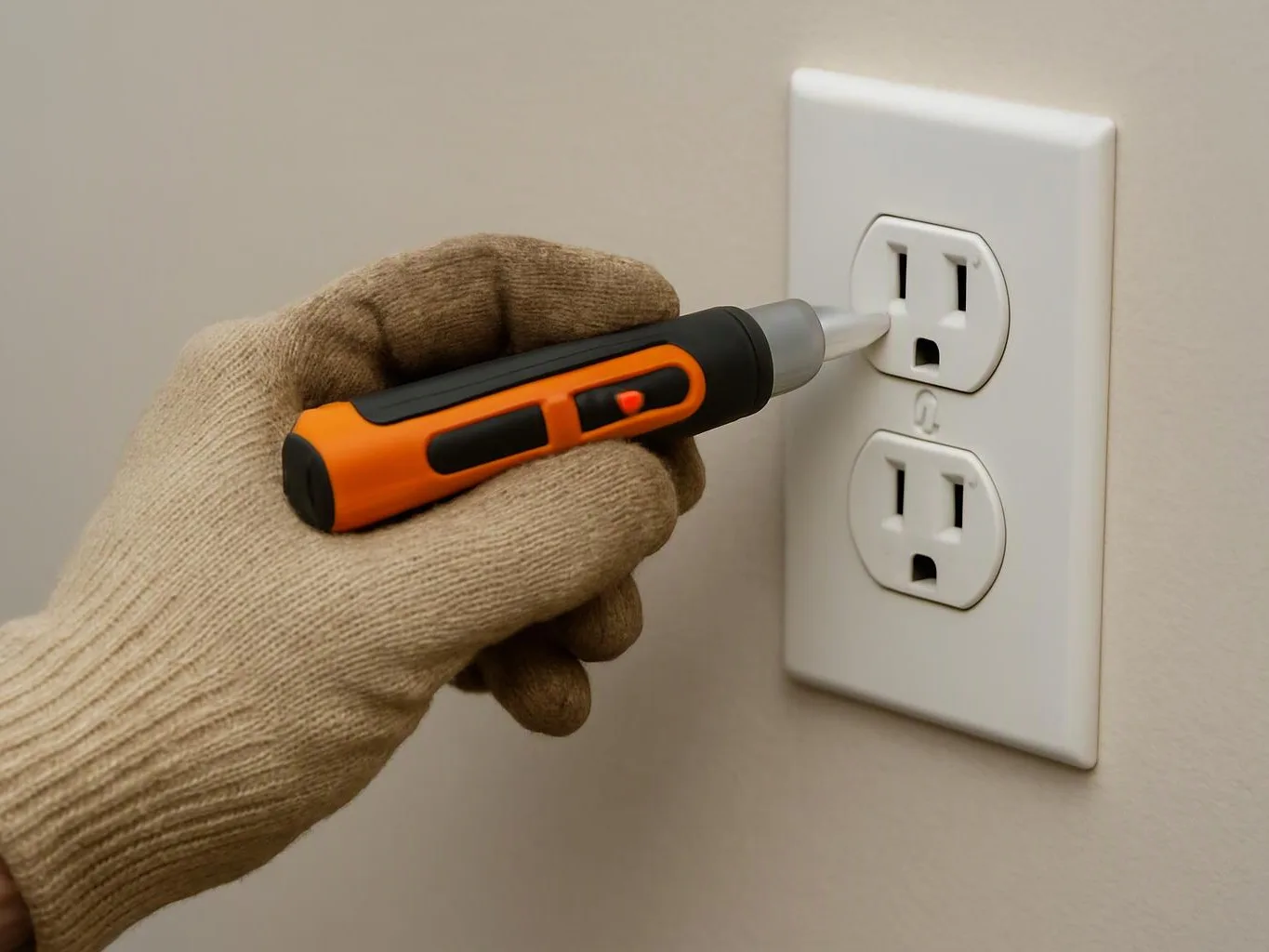
We shut off the relevant circuit and verify that the receptacle is de-energized before opening the outlet box.
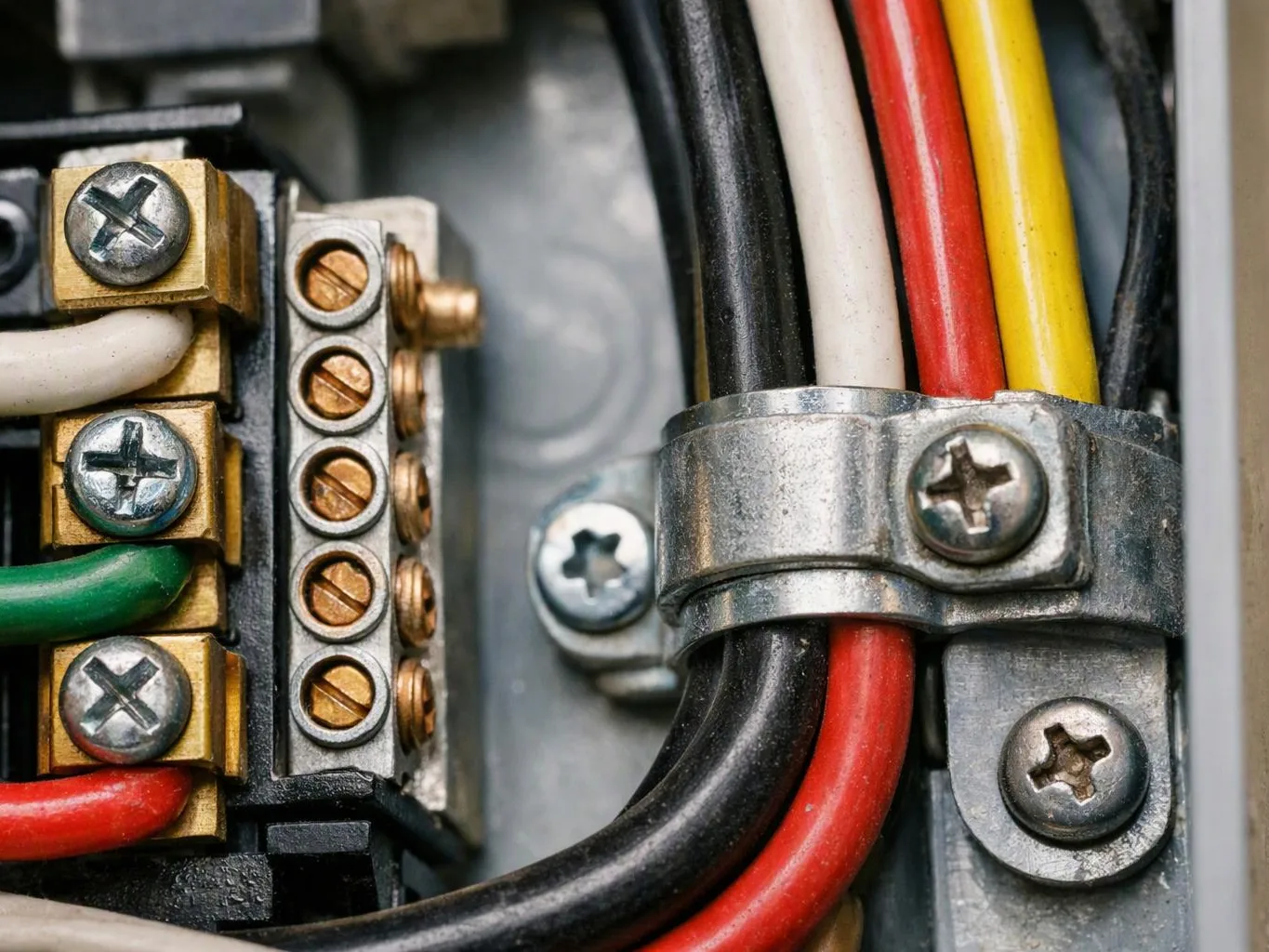
We check the device, terminals, conductors, box, mounting, and grounding path for heat, looseness, damage, or poor connections.
We secure suitable connections, replace a damaged receptacle when needed, and address related wiring issues within the agreed scope.
We test power, polarity, grounding, plug fit, and circuit behavior so the final condition is clear.
A few details help us diagnose the outlet safely and focus the visit on the right circuit.
We diagnose the outlet fault, inspect related wiring, and explain the repair or replacement before starting work.
We isolate the circuit, check for heat or damaged connections, and test the receptacle before returning it to use.
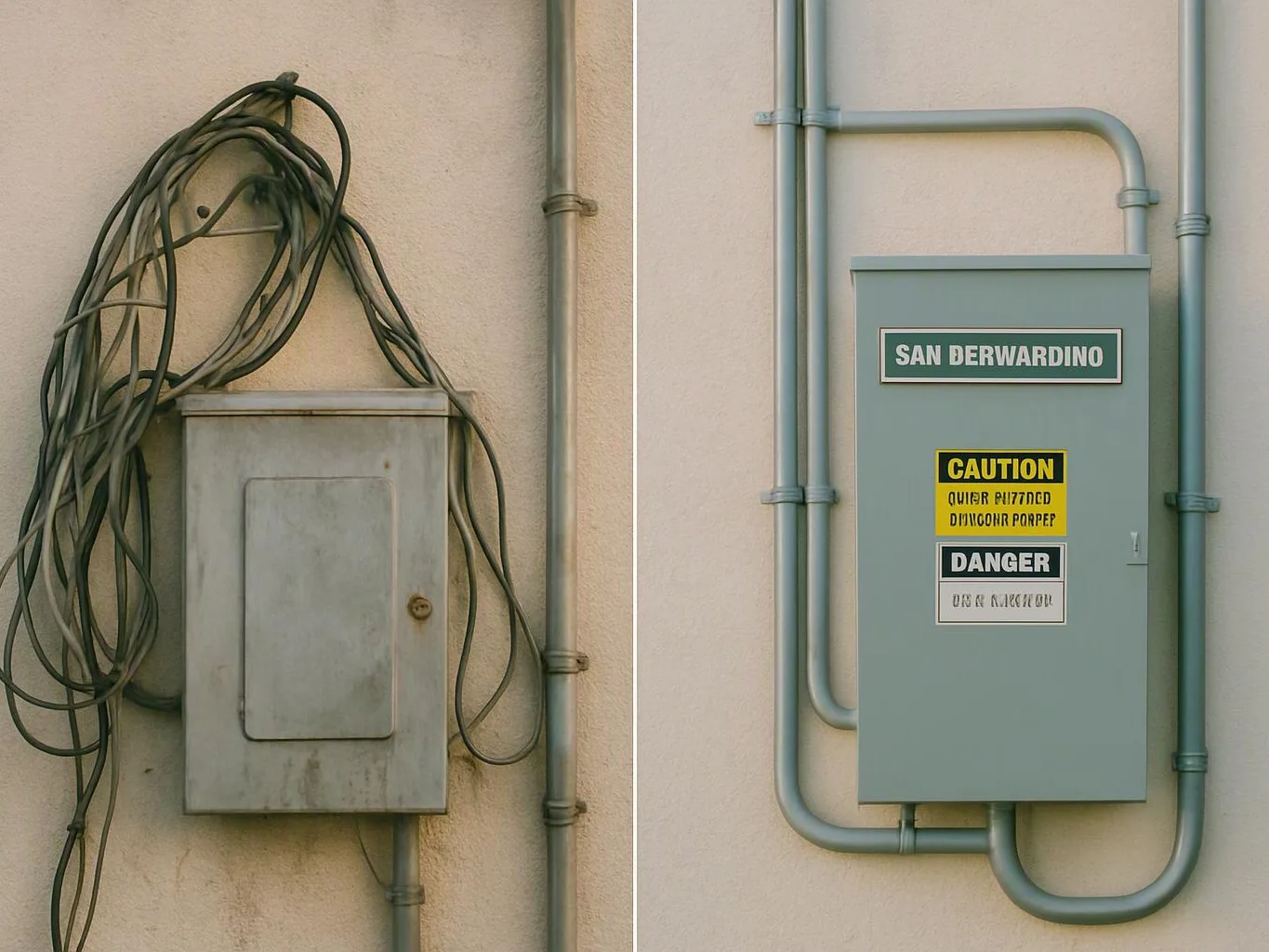
We inspect the outlet box, grounding path, and nearby circuit connections for safety risks during each repair.
Tell us about the outlet and your property, and urgent requests get priority scheduling.
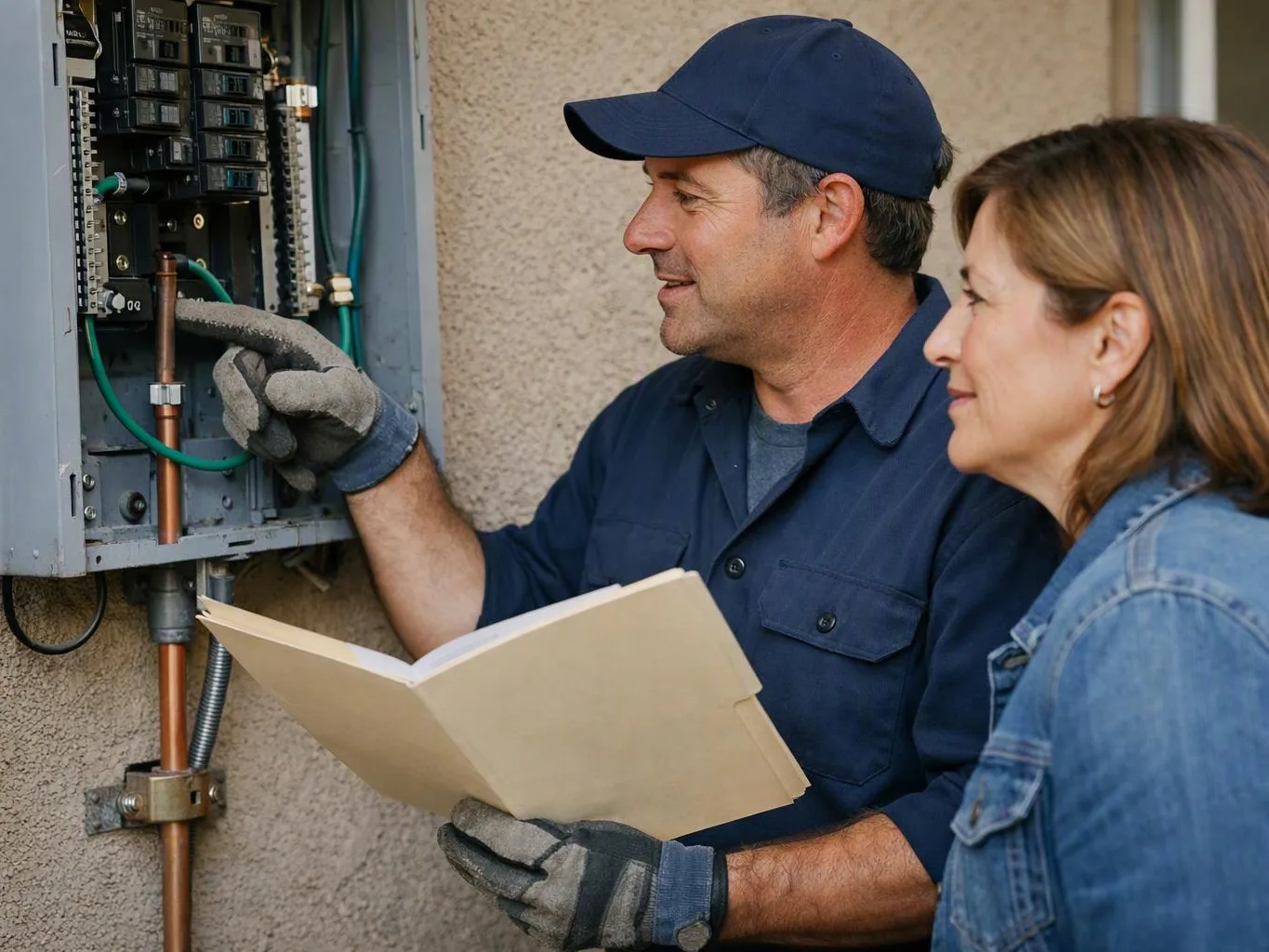
A wall outlet may fail again after a reset when the fault sits in a loose terminal, damaged receptacle, or upstream connection. The key issue is finding the failed point before restoring use. Stop using the outlet if it feels warm or smells burned, and tell us what changed before the power stopped.
A receptacle that moves when you plug something in may have loose mounting, a weak box, or strained wire connections. The repair needs more than a new faceplate because the box and terminals affect safety. Keep plugs out of the outlet and arrange an inspection so we can secure the assembly correctly.
A dead or damaged outlet can interrupt equipment use in a commercial space and create a decision about repair or replacement. We check the receptacle, circuit load, wiring, and grounding before discussing the work. Property managers can provide access details and identify equipment that must remain powered during the visit.