What wiring options are available for smoke detector installation?
Interconnect wiring is the main option for linking compatible smoke detectors, while hardwired circuits supply fixed power and backup batteries support operation during power loss. San Bernardino Electrician checks the existing circuit, junction boxes, and cable clamps before recommending the fit. Battery-only units may suit some properties, but they do not provide the same wiring arrangement.
What does the crew look at first during installation?
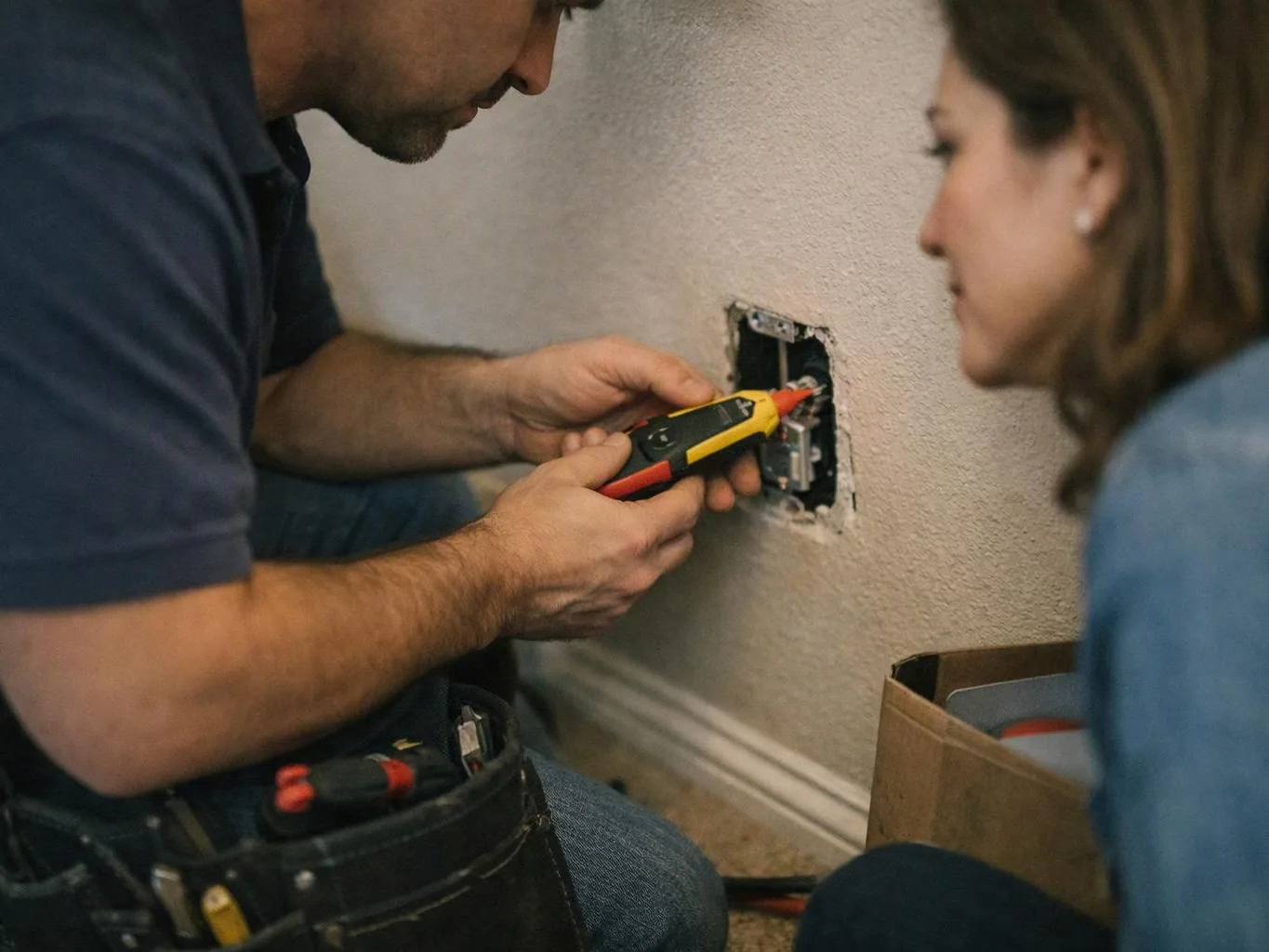
The existing alarm layout and power source come first during installation. We then inspect accessible junction boxes, hardwired circuits, and cable clamps before connecting devices. This check shows whether the property needs a new circuit, replacement wiring, or a simpler battery-powered setup.
What should be checked before the work is scheduled?
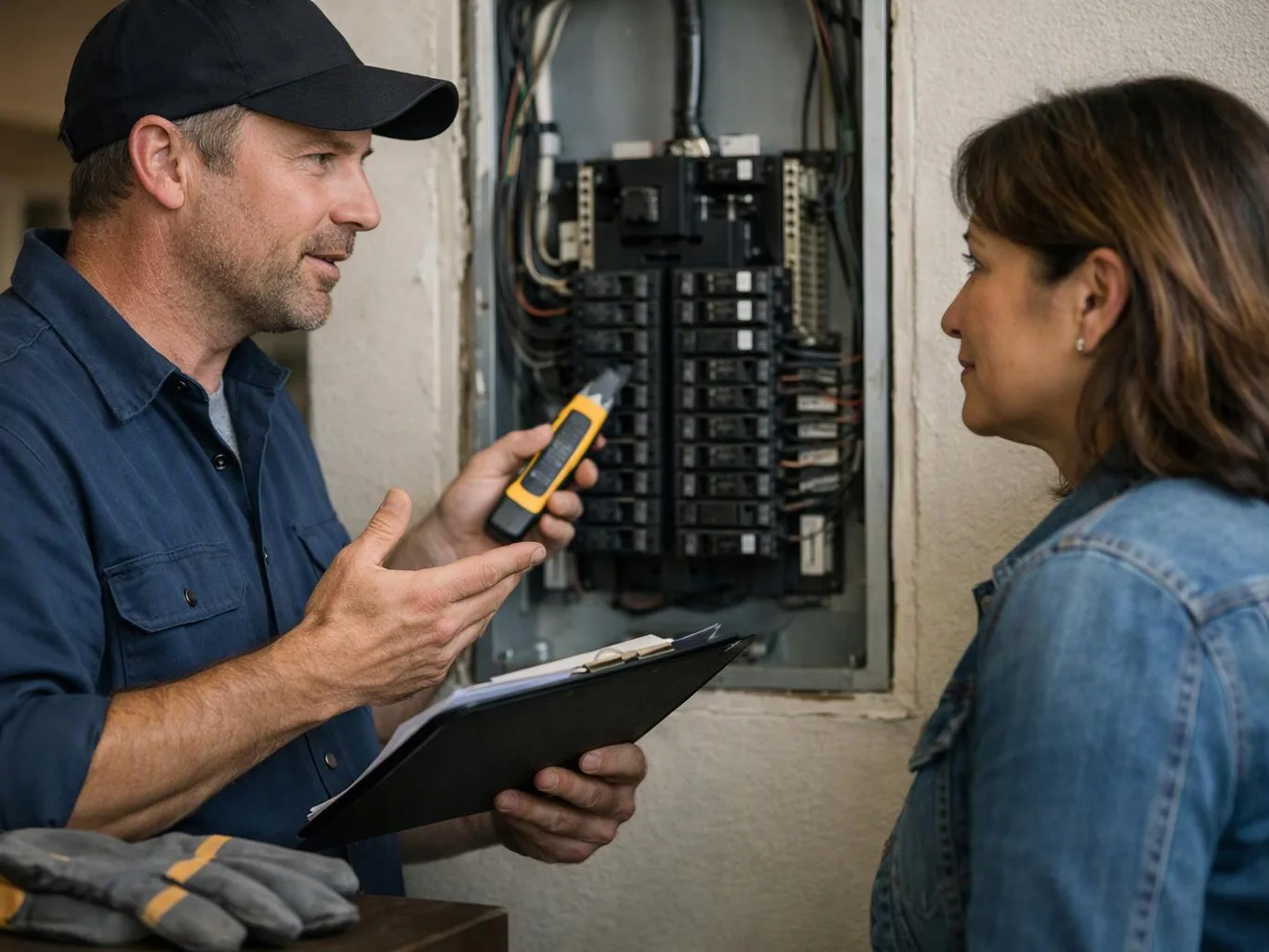
The property layout, current detector type, wiring access, and known electrical faults should be checked before scheduling. A sparking outlet, buzzing panel, or repeated breaker trip points to a separate electrical concern. We review those details so the requested installation matches the actual condition of the system.
Who is a good fit for smoke detector installation, and who needs a different service?
Homeowners, landlords, property managers, and businesses needing new or connected smoke detectors are good fits. A property with damaged service wiring, a failing panel, or broad power loss needs electrical troubleshooting first. We assess the issue and explain whether detector installation or another repair fits the property.
Which part of the job changes the quote most?
The wiring path and access to existing junction boxes often shape the quote most. New hardwired circuits require different work from battery replacements or device swaps. We also consider the number of detectors, circuit condition, cable clamps, and testing needs before giving a free estimate.
When should a business request connected smoke detectors?
A business should request connected smoke detectors when one alarm needs to alert people across separate rooms or work areas. The layout, power source, and compatible devices decide whether that setup fits. We inspect the system and explain the wiring, battery, and testing requirements before work starts.
Why might new smoke detectors still fail to work together?
New smoke detectors may fail to work together when the devices are incompatible or the interconnect wiring has a fault. We check the wiring path, terminal connections, junction boxes, and power source. Testing then shows whether the issue is a device problem or an electrical connection problem.