What is a Conduit?
Conduit is a protective raceway that contains and routes electrical conductors. Conduit may be made from metal, PVC, or other approved materials. It shields wires from physical damage, moisture, sunlight, and chemicals while organizing wiring between panels, boxes, fixtures, and equipment. Electrical codes specify conduit type, size, support, fittings, and installation methods.
Quick Facts About Conduit
Category
Electrical raceway
Used for
Protecting and routing conductors
Common confusion
Conduit is not the same as cable
Relevant standard
NFPA 70, National Electrical Code
Also called
Electrical raceway, Raceway
Often discussed with
Circuit Breaker Repair, Lighting Installation
Key Takeaways About Conduit
- Conduit shields conductors from impact, moisture, sunlight, heat, and chemical exposure.
- Common types include EMT, rigid metal conduit, flexible metal conduit, and PVC.
- Conduit size must leave room for conductors and meet fill, bend, and support rules.
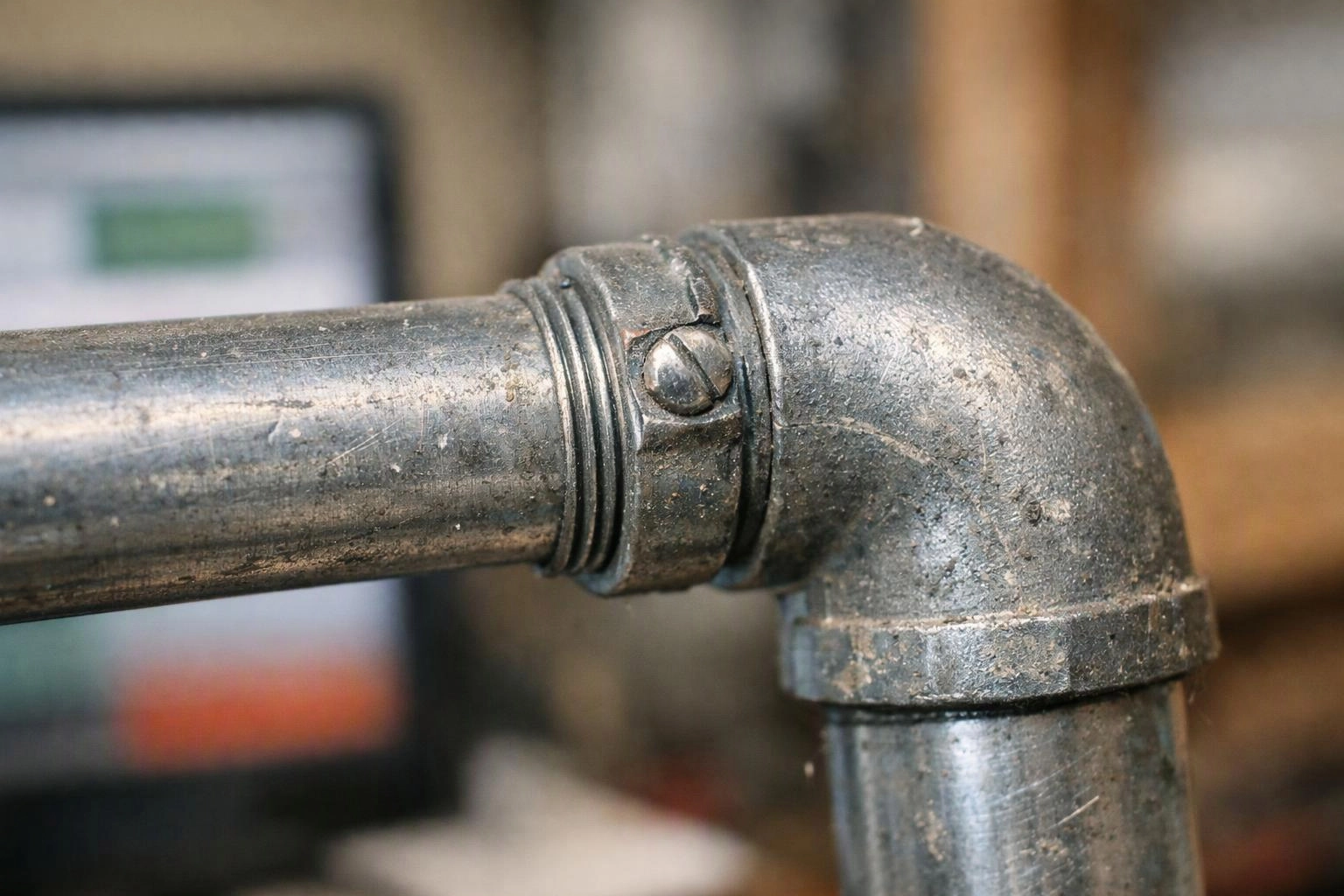
- Raceway fittings must match the conduit material and keep mechanical and electrical protection.
- Conduit does not replace grounding, overcurrent protection, or the right wire selection.
Understanding Conduit

Conduit is a raceway that carries electrical wires between two points. It protects conductors from impact, abrasion, moisture, sunlight, heat, and some chemicals. A complete installation includes the raceway, connectors, couplings, bends, supports, and conductors. The raceway itself isn't an electrical circuit. It doesn't replace circuit protection.
Related glossary terms: Branch Circuit, Electrical Code, National Electrical Code.
Common materials include electrical metallic tubing, rigid metal conduit, intermediate metal conduit, flexible metal conduit, and PVC conduit. Metal raceways can provide strength. They may also serve as part of an equipment grounding path. This works when they're installed correctly. PVC doesn't conduct electricity. A separate grounding conductor is normally needed. The correct choice depends on location, exposure, strength, corrosion risk, and local code rules.
How Conduit Works, Is Measured, or Is Used?
Installers first plan the route from a service panel or other source. The route may lead to a junction box, receptacle, light fixture, motor, or equipment connection. They choose a conduit type and trade size for the environment. They also consider the number and size of conductors. The route should avoid extra bends. Each bend makes conductor installation harder. Too many bends may break code limits.
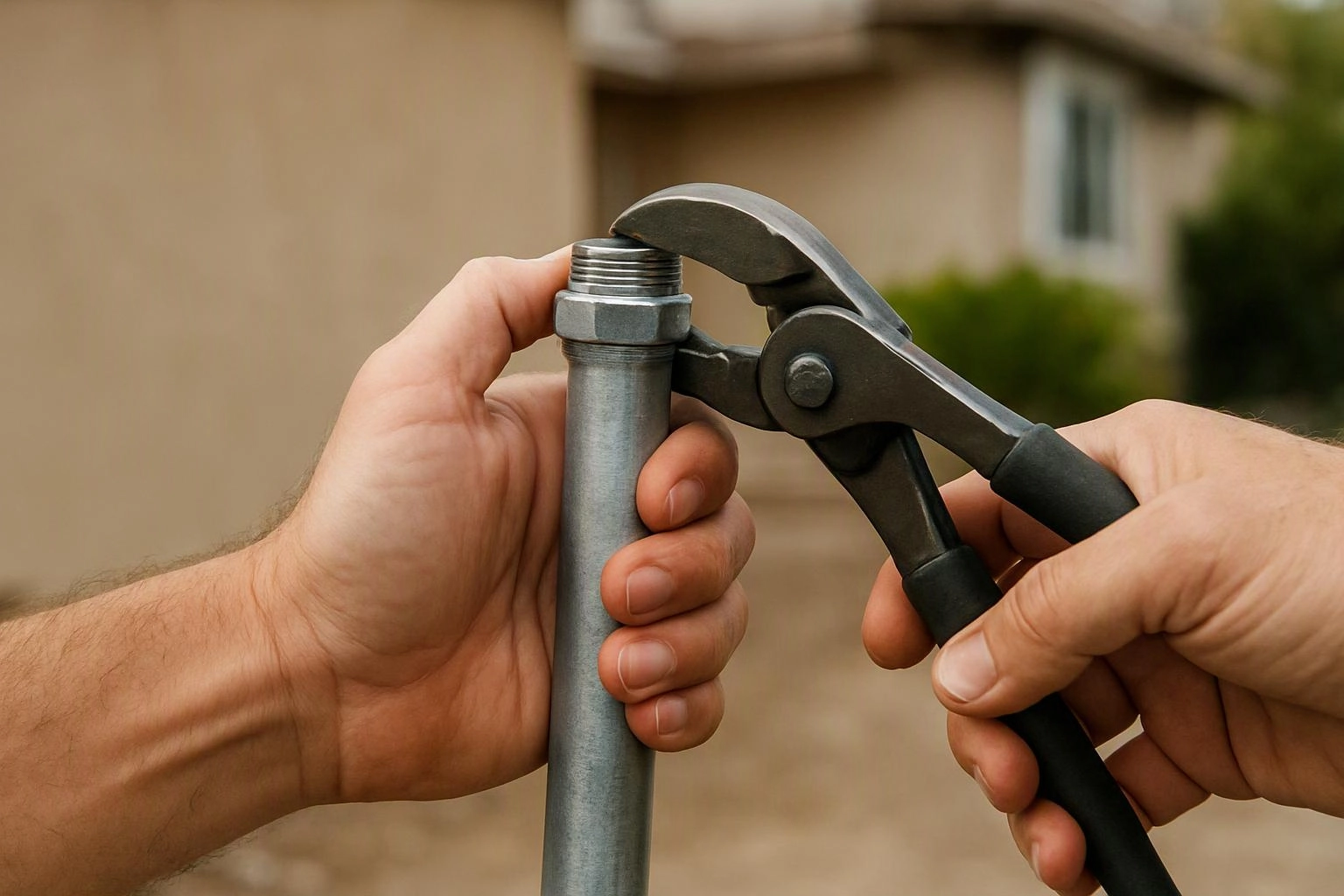
Conduit fill describes how much inside space the conductors use. The National Electrical Code sets fill limits for conductors. These limits depend on their number, size, and insulation type. Installers also check bend radius, support spacing, connector fit, box volume, and pulling tension. A typical installation uses a conduit cutter or saw, reamer, bending tool, fish tape, approved fittings, and a torque tool when required.
- Measure the route and count every bend, box, and fitting.
- Choose a trade size that meets fill and pulling needs.
- Remove sharp edges so insulation doesn't get damaged.
- Secure the raceway and bond metal parts when the code requires.
Why Conduit Matters?

Wire protection is the main reason conduit matters. An exposed cable can suffer damage from nails, tools, vehicles, rodents, weather, or movement. A suitable raceway reduces these hazards. It also allows future conductor replacement without opening much wall or ceiling material.
Conduit also improves order and inspection. A clear route helps an electrician trace circuits. It helps identify damaged sections. It also allows added conductors when space remains. Poorly chosen conduit can cause other problems. Excessive fill can overheat conductors. Rough edges can damage insulation. Water entry, loose supports, or failed connections can also cause problems.
When Conduit Matters Most?
Conduit installation matters most in garages, workshops, commercial spaces, and outdoor locations. It also matters in unfinished areas and places exposed to impact or weather. Conduit helps during remodels when existing cable can't reach a new panel, receptacle, appliance, or light. Wet locations need raceways and fittings listed for that exposure.
Before work begins, check the wiring method allowed by the adopted electrical code. Also check with the local authority having jurisdiction. Look for crushed raceway, rust, missing bushings, loose straps, and open fittings. Check for water inside the raceway. Check conductors that are hard to pull. A repair may need a new section, better support, or a sealed entry. It may also need a larger raceway instead of added tape.
How to Evaluate Conduit?
- Verify the conduit type is listed for the location, including wet, outdoor, corrosive, or hazardous exposures.
- Check conductor fill against the applicable National Electrical Code table and the actual wire sizes.
- Inspect fittings, bushings, couplings, and locknuts for compatibility, tightness, and sharp-edge protection.
- Confirm supports, bend limits, box volume, and grounding or bonding paths meet the adopted code.
- Look for rust, crushing, water entry, damaged insulation, and excessive pulling resistance.
Related Concepts Compared
Conduit vs. Cable
Cable contains insulated conductors inside one factory-made jacket. Conduit is a separate raceway that receives individual conductors or permitted cable assemblies.
Conduit vs. Raceway
Raceway is the broader code term for an enclosed channel that routes conductors. Conduit is one common type of raceway.
Conduit vs. Wireway
Wireway is usually a rectangular trough with a removable cover for routing and accessing multiple conductors. Conduit is generally tubular and uses fittings or bends.
Conduit vs. Flexible Metal Conduit
Flexible metal conduit is a specific conduit type that bends more easily than rigid raceways. Its permitted uses, grounding method, and support rules differ from those for EMT or PVC.
Expert Note
A raceway can look correctly installed while still failing because the conductor fill, box volume, bend radius, or bonding path is wrong. Inspectors often find problems at transitions, panel entries, and outdoor fittings rather than along straight sections.
Common Mistakes or Myths About Conduit
- Assuming any plastic pipe can serve as electrical conduit.
- Ignoring conductor fill because the raceway appears physically large.
- Leaving sharp cut edges that can damage conductor insulation.
- Using indoor fittings outdoors or in wet locations.
- Treating conduit as a substitute for grounding and overcurrent protection.
Conduit in Practice: A Real-World Example
A garage receptacle circuit runs along an unfinished wall, where tools could hit wiring. An electrician uses supported EMT, compatible connectors, and listed conductors. The electrician bonds the raceway and leaves enough box space for terminations.
Sources & Further Reading on Conduit
Related Services
Related Terms
Branch Circuit
Branch Circuit is the portion of an electrical system that carries power from the final overcurrent…
Electrical Code
Electrical Code is a set of enforceable safety rules for designing, installing, inspecting, and maintaining electrical…
National Electrical Code
National Electrical Code is a safety standard published by the National Fire Protection Association that sets…
Junction Box
Junction Box is an enclosed electrical container that protects wire connections where two or more cables…
SanBernardino-Electrician.com
Have Questions About Conduit?
Contact SanBernardino-Electrician.com for practical guidance on Conduit and related 24 hour electrician work in San Bernardino.