
What is Light Fixture?
Light Fixture is a complete lighting assembly that holds a lamp or LED, directs light, connects to an electrical circuit, and provides mechanical and electrical protection. A light fixture may include a housing, socket, lens, reflector, mounting hardware, switch, or integrated driver. Common types include ceiling lights, wall sconces, recessed lights, and outdoor luminaires.
Quick Facts About Light Fixture
Category
Electrical lighting equipment
Used for
Producing and directing electric light
Common confusion
A fixture is not the same as a light bulb
Measured by
Lumens, watts, voltage, and electrical rating
Also called
Luminaire, Lighting fixture
Often discussed with
Lighting Installation, Lighting Repair
Key Takeaways About Light Fixture
- A light fixture includes more than the bulb, including housing, wiring connections, mounting parts, and light-control components.
- Fixture ratings identify suitable locations, such as damp rooms, wet exteriors, or ordinary dry interiors.
- Integrated LED fixtures contain light-emitting diodes and drivers instead of replaceable screw-in lamps.
- Correct voltage, wattage, mounting support, and circuit connections help prevent heat and electrical hazards.
- The fixture style affects light direction, brightness, glare, maintenance, and room appearance.
Understanding Light Fixture
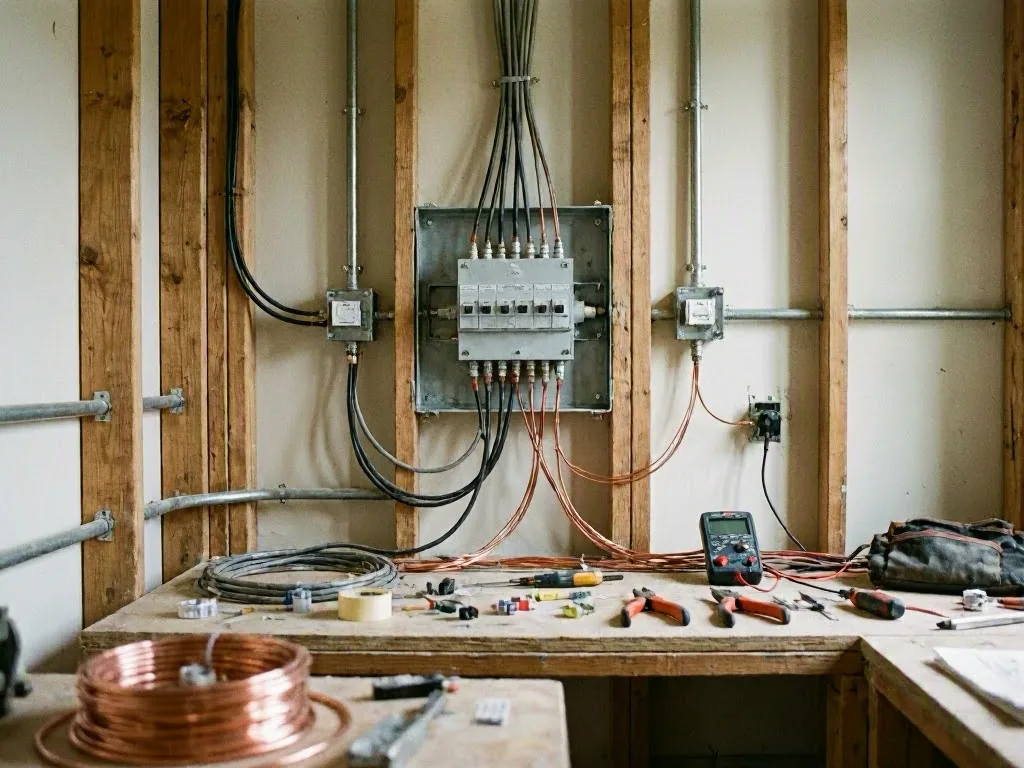
Light Fixturemeans the complete assembly installed to produce, support, and control light. It commonly contains.housing, lamp socket, wiring connections, mounting hardware, and a shade or lens. Some fixtures use a replaceable bulb. Others contain an integrated LED module.
Related glossary terms: LED, LED Driver, Lumen.
The fixture connects to a branch circuit through conductors. It often operates from a wall switch, dimmer, photocell, or control system. Its design affects where light travels and how much glare reaches your eyes. It also affects how easily you can replace parts. A ceiling fixture, recessed fixture, wall sconce, and outdoor luminaire may serve different purposes. Each fixture may use the same voltage.
How Light Fixture Works, Is Measured, or Is Used?
A light fixture receives electrical energy through its supply wiring. A bulb converts that energy into light. An LED fixture sends power through.LED driver that regulates current for the light-emitting diodes. The fixture's reflector, lens, or diffuser shapes the beam. It spreads light across the intended area.
Several measurements help describe fixture performance. Lumens indicate the amount of visible light produced. Watts indicate electrical power use. Voltage identifies the required supply. Color temperature describes whether light appears warm or cool. A fixture's beam angle shows how widely it distributes light. A fixture label also identifies its maximum lamp wattage and location rating.
Installation starts with selecting a fixture that matches the electrical box, circuit voltage, mounting surface, and environment. The supply is switched off before wiring. The fixture is secured so its weight doesn't pull on conductors. Outdoor or damp locations require equipment with an appropriate environmental rating. Some ceiling-mounted fixtures need extra support beyond the box.
Why Light Fixture Matters?
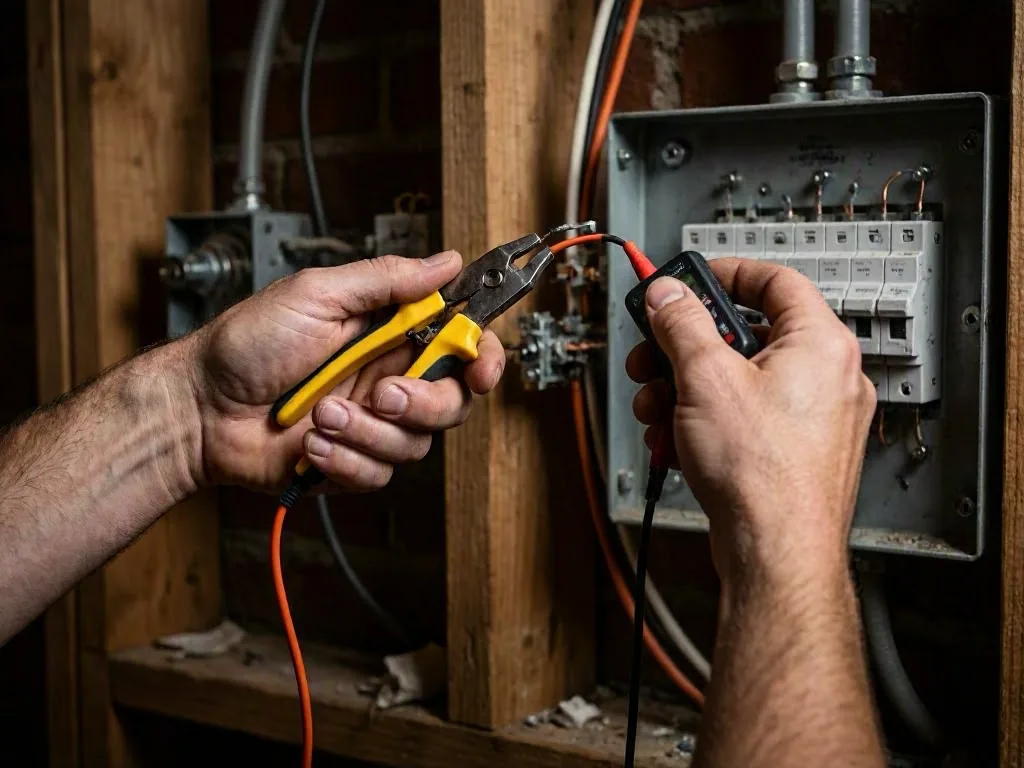
A properly selected light fixtureInstalls, repairs, and adjusts electrical lighting to control glare, shadows, and energy use. A focused task fixture can help illuminate a kitchen counter. A diffuse ceiling fixture can provide more even general lighting. The wrong size or beam pattern may leave dark areas. It may create uncomfortable glare or send light where it serves little purpose.
Safety depends on more than the bulb fitting the socket. Excessive lamp wattage can create heat. Damaged insulation can expose energized parts. A loose mounting point can allow the fixture to fall. Product markings.Underwriters Laboratories or another recognized testing organization can help identify tested equipment. The equipment must meet applicable safety requirements.
When Light Fixture Matters Most?
Fixture selection becomes especially important during remodeling, lighting upgrades, room-use changes, and repairs after water or heat damage. A bathroom, patio, garage, or covered entry needs a fixture suited to its moisture exposure. A high ceiling may call for a long-life LED fixture. A decorative chandelier may require a reinforced box and careful weight support.
Before replacing a fixture, check the circuit voltage, box condition, wire connections, and control compatibility. A dimmer designed for incandescent lamps may not work correctly with an LED fixture. The device and fixture must be compatible. Warning signs include flickering, buzzing, scorch marks, excessive heat, repeated lamp failure, and a fixture that moves when touched.
How to Evaluate Light Fixture?
- Confirm the fixture voltage matches the branch circuit and the manufacturer's installation label.
- Check the maximum wattage or LED driver rating before selecting a replacement lamp.
- Verify the damp, wet, or dry location rating matches the installation environment.
- Compare lumens, color temperature, beam spread, and glare control with the room's lighting task.
- Inspect the electrical box, mounting hardware, and wire connections for secure support and damage.
Related Concepts Compared
Light Fixture vs. Light Bulb
A light bulb is the replaceable lamp that produces light. A light fixture is the larger assembly that holds, powers, protects, and directs the bulb.
Light Fixture vs. Luminaire
Luminaire is the technical term for a complete lighting unit, including its light source, housing, optics, and connections. In ordinary speech, luminaire and light fixture often mean the same thing.
Light Fixture vs. LED
An LED is a light-emitting semiconductor device. A light fixture may use LED lamps or contain an integrated LED module and driver.
Light Fixture vs. Lighting Installation
Lighting installation is the work of mounting and connecting a fixture. Light fixture names the equipment itself, not the installation process.
Expert Note
A fixture's electrical box must support its weight independently of the branch-circuit conductors. Integrated LED fixtures also require driver compatibility and may need full replacement when the LED module or driver fails.
Common Mistakes or Myths About Light Fixture
- Treating the bulb as the entire fixture and overlooking the housing, socket, wiring, and mounting support.
- Installing a dry-location fixture in a bathroom, exposed patio, or other damp or wet area.
- Exceeding the fixture's stated lamp wattage or ignoring the required LED driver.
- Connecting an LED fixture to an incompatible dimmer and then mistaking flicker for a defective fixture.
- Leaving a loose fixture supported by electrical wires instead of securing it to the electrical box.
Light Fixture in Practice: A Real-World Example
A homeowner replaces an old hallway ceiling fixture with a 20-watt integrated LED model rated at 1,600 lumens. The installer verifies the box support, connects the fixture to the existing circuit, confirms the dimmer is LED-compatible, and secures the canopy tightly against the ceiling.
Sources & Further Reading on Light Fixture
Related Terms
LED
LED is a semiconductor device that produces light when electric current passes through it. In lighting…
LED Driver
LED Driver is an electronic power supply that converts incoming electrical power into the controlled voltage…
Lumen
Lumen is the SI unit that measures the total amount of visible light emitted by a…
Branch Circuit
Branch Circuit is the portion of an electrical system that carries power from the final overcurrent…
SanBernardino-Electrician.com
Have Questions About Light Fixture?
Contact SanBernardino-Electrician.com for practical guidance on Light Fixture and related 24 hour electrician work in San Bernardino.