
What is a Transformer?
Transformer is an electrical device that transfers energy between circuits and changes alternating-current voltage. A transformer can raise voltage for efficient transmission or lower voltage for safer use in buildings and equipment. The device uses electromagnetic induction through coils wound around a magnetic core. Without changing the electrical supply frequency.
Quick Facts About Transformer
Category
Electrical power device
Used for
Raising or lowering AC voltage
Measured by
Voltage ratio and volt-amperes
Common confusion
A transformer does not normally convert AC to DC
Also called
Voltage transformer, Step-down transformer
Often discussed with
Circuit Breaker Repair, Lighting Repair
Key Takeaways About Transformer
- Transformers raise or lower alternating-current voltage through electromagnetic induction.
- A transformer changes voltage. But it normally does not change electrical frequency.
- Voltage rating, load size, insulation, and cooling method affect transformer choice.
- A damaged transformer may cause heat, buzzing, odor, smoke, or unstable voltage.
- Installation needs proper grounding, overcurrent protection, clearances, and code compliance.
Understanding Transformer
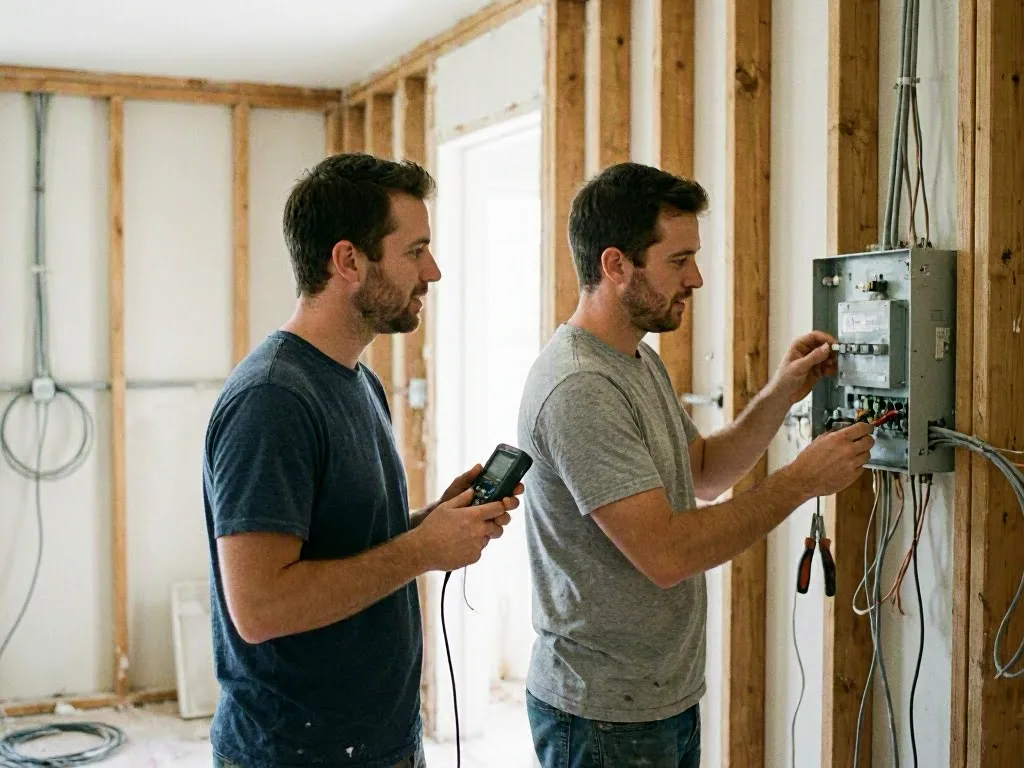
Transformer is a stationary electrical device that transfers alternating-current energy from one circuit to another. It changes voltage through electromagnetic induction. A transformer has at least two insulated windings. These windings are called the primary and secondary. They sit around a magnetic core. The windings share magnetic energy, but they don't normally connect through a conductive path.
Related glossary terms: Voltage, Load Calculation, Electrical Panel.
The winding connected to the supply is the primary winding. The winding connected to the load is the secondary winding. If the secondary has more turns of wire than the primary, the transformer raises voltage. If the secondary has fewer turns, the transformer lowers voltage. The supply frequency stays the same. A 60 hertz source remains 60 hertz after passing through a transformer.
Common types include step-down transformers, step-up transformers, isolation transformers, and autotransformers. Dry-type units use air and solid insulation for cooling. Liquid-filled units use oil or another insulating fluid. They often serve larger outdoor or utility applications. Small transformers may supply doorbells, control systems, scene lighting, or electronic equipment.
How Transformer Works, Is Measured, or Is Used?
A changing current in the primary winding creates a changing magnetic field in the core. That field induces voltage in the secondary winding. The voltage relationship depends mainly on the turns ratio. It's expressed as V1 divided by V2 equals N1 divided by N2. V represents voltage, and N represents the number of winding turns.
Electricians and engineers rate transformers by volt-amperes, or VA, rather than watts alone. A 1,000 VA transformer can supply different current levels. The output voltage affects these levels. The basic relationship is current equals VA divided by voltage. For example, a 1,000 VA secondary rated at 24 volts can supply about 41.7 amps. This applies under its rated conditions. Actual speed also depends on temperature, power factor, efficiency, and the connected load.
Selection starts with the source voltage, required output voltage, load VA, phase arrangement, enclosure, and installation location. The installation also needs suitable overcurrent protection, conductor sizing, grounding, ventilation, and working clearance. A nameplate lists key data. This includes primary and secondary voltage, frequency, VA rating, temperature rise, wiring connections, and sometimes impedance.
Why Transformer Matters?
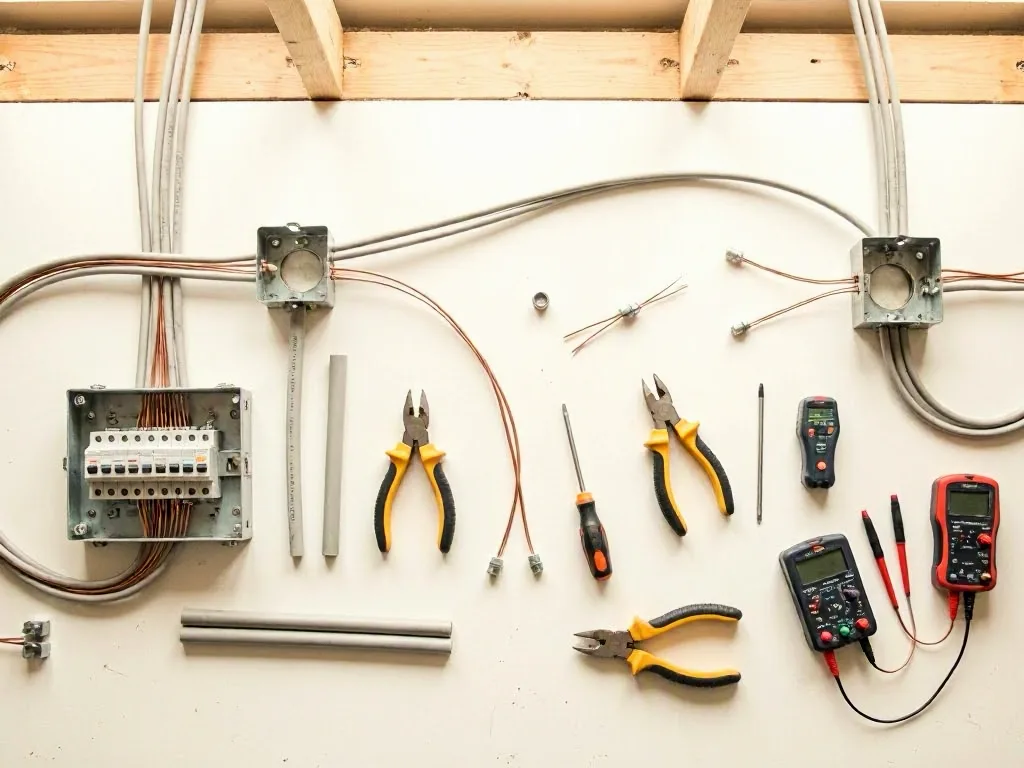
Transformer speed affects voltage quality, equipment life, and electrical safety. A correctly sized unit supplies the required voltage without excessive heat. An overloaded unit can run hot, shorten insulation life, trip protective devices, and create a fire risk. Low secondary voltage can also cause motors to overheat. It can also cause controls to operate unreliably.
Transformers make electric distribution practical. Higher transmission voltage reduces current for a given power level. Lower current reduces conductor losses during delivery. Smaller building transformers then reduce the voltage. This supports lighting, receptacles, HVAC controls, machinery, and other equipment. The right transformer also provides isolation or a separately derived system when required.
When Transformer Matters Most?
Transformer condition deserves attention after flooding, overheating, physical impact, repeated breaker trips, or equipment changes. A loud new hum, burning odor, leaking fluid, cracked insulation, unusual vibration, or discolored terminals signals a possible fault. Don't touch an energized transformer or remove its cover. Dangerous voltage may remain present even when the load appears inactive.
Transformer work also matters during remodels, service upgrades, equipment changes, and new low-voltage installations. The replacement must match the supply system and load requirements. It shouldn't only match the old unit's physical size. In San Bernardino, California, heat, dust, outdoor exposure, and long operating periods can affect cooling and enclosure choices. A qualified electrician can verify de-energization, connections, protection, grounding, and required clearances before service returns.
How to Evaluate Transformer?
- Compare the primary and secondary voltage ratings with the actual supply and equipment requirements.
- Confirm the VA rating exceeds the calculated continuous and starting load.
- Inspect for overheating, oil leaks, damaged insulation, loose terminals, unusual noise, or burning odor.
- Check that overcurrent protection, grounding, conductor sizes, and clearances match the installation requirements.
- Review the nameplate for frequency, phase, temperature rating, enclosure type, and approved wiring connections.
Related Concepts Compared
Transformer vs. Power Supply
A power supply may change AC to DC, regulate voltage, or provide several output functions. A transformer mainly transfers AC energy and changes its voltage.
Transformer vs. Inverter
An inverter changes direct current into alternating current. A transformer normally works with alternating current and does not perform that DC-to-AC conversion.
Transformer vs. Voltage Regulator
A voltage regulator holds output voltage within a target range as conditions change. A transformer sets voltage mainly through its winding ratio and does not replace regulation in every system.
Expert Note
A transformer nameplate rating is not the only selection factor. Starting current from motors, available fault current, ambient temperature, enclosure location, and secondary grounding can change the correct design. A unit that matches voltage but lacks capacity or protection can still overheat or produce unstable operation.
Common Mistakes or Myths About Transformer
- Choosing a transformer by physical size without calculating the connected VA load.
- Assuming a transformer changes AC frequency or converts AC into DC.
- Replacing a transformer without matching phase, voltage, frequency, and winding connections.
- Ignoring heat, ventilation, moisture, dust, or outdoor exposure at the installation site.
- Working on a transformer before testing for absence of voltage.
Transformer in Practice: A Real-World Example
A building gets 480 volts for commercial equipment, but a control panel needs 120 volts. A 480-to-120-volt step-down transformer supplies the control circuit. The installer sizes the transformer for the control load. The installer provides proper overcurrent protection and grounding.
Sources & Further Reading on Transformer
Related Services
Related Terms
Voltage
Voltage is the electrical potential difference that pushes electric charge through a circuit. Measured in volts…
Load Calculation
Load Calculation is the process of estimating the electrical demand a building, circuit, or service will…
Electrical Panel
Electrical Panel is the main enclosure that receives electricity from a utility service and distributes it…
National Electrical Code
National Electrical Code is a safety standard published by the National Fire Protection Association that sets…
SanBernardino-Electrician.com
Have Questions About Transformer?
Contact SanBernardino-Electrician.com for practical guidance on Transformer and related 24 hour electrician work in San Bernardino.