Attic Fan Repair or Installation in San Bernardino, CA
Attic fan repair fixes a fault that can still be repaired. Replacement or installation fits unsafe, failed, old, or missing equipment. An electrician can test the motor, wiring, thermostat, switch, roof setup, and gable setup. We also check your home's ventilation needs in San Bernardino, CA.
Get a Free Estimate
Should You Repair or Replace Your Attic Fan?
Attic fan repair can help with a failed switch, thermostat, loose connection, or motor. Replacement often fits an unsafe, rusty, old, or failing unit. It may also fit a fan that can't cool and vent the attic well.
A quiet fan that stopped after a breaker trip may need only testing. A burned motor or damaged housing may cost more to fix. Heavy rust can also make repair a poor choice. We check for enough intake air through soffits or other openings. A strong exhaust fan won't work well when intake paths stay blocked.
San Bernardino has hot, dry weather. Good attic airflow helps manage heat. Thermostat settings, fan size, roof design, and intake vents all affect results. Dust can collect on the grille, motor, and moving parts. This buildup can block airflow and cause the motor to overheat.
Roof-mounted fans face strong sun and changing weather. We check the roof opening, flashing, housing, and weather seal. Attic Fan Repair in San Bernardino may fit a sound fan with bad controls or wiring. Replacement is safer when the unit can't provide steady ventilation.
At SanBernardino-Electrician.com, we explain the fault and your options. We list the work needed for safe operation. We can also discuss attic ventilator repair, a new fan, or other residential electrical service.
Attic Fan Repair vs. Replacement at a Glance
Attic fan repair fixes a failed part or connection. Replacement provides a new fan when the old unit is unsafe, outdated, damaged, or costly to restore. An electrical check should review the fault, fan condition, parts, airflow, and installation needs.
| Situation | Repair may fit | Replacement may fit |
|---|---|---|
| Motor | The motor is sound, or a matching part is available. | The motor is burned, stuck, or keeps failing. |
| Thermostat | The control failed, but the fan and wiring remain safe. | The controls are old or don't match new equipment. |
| Electrical wiring | A loose connection or small damaged section can be fixed. | The wiring is unsafe, too small, or doesn't fit the setup. |
| Operating noise | A loose grille, fastener, or small blockage causes noise. | Worn bearings, strong vibration, or housing damage cause noise. |
| Ventilation result | The fan size suits the attic after repairs. | The fan can't meet the attic's airflow needs. |
Most basic fan repairs take about 1 to 3 hours after access is ready. A replacement often takes several hours. Roof work, rewiring, weather sealing, or permits may add time. These ranges are examples, not promises.
What an Electrician Checks Before Recommending Service?
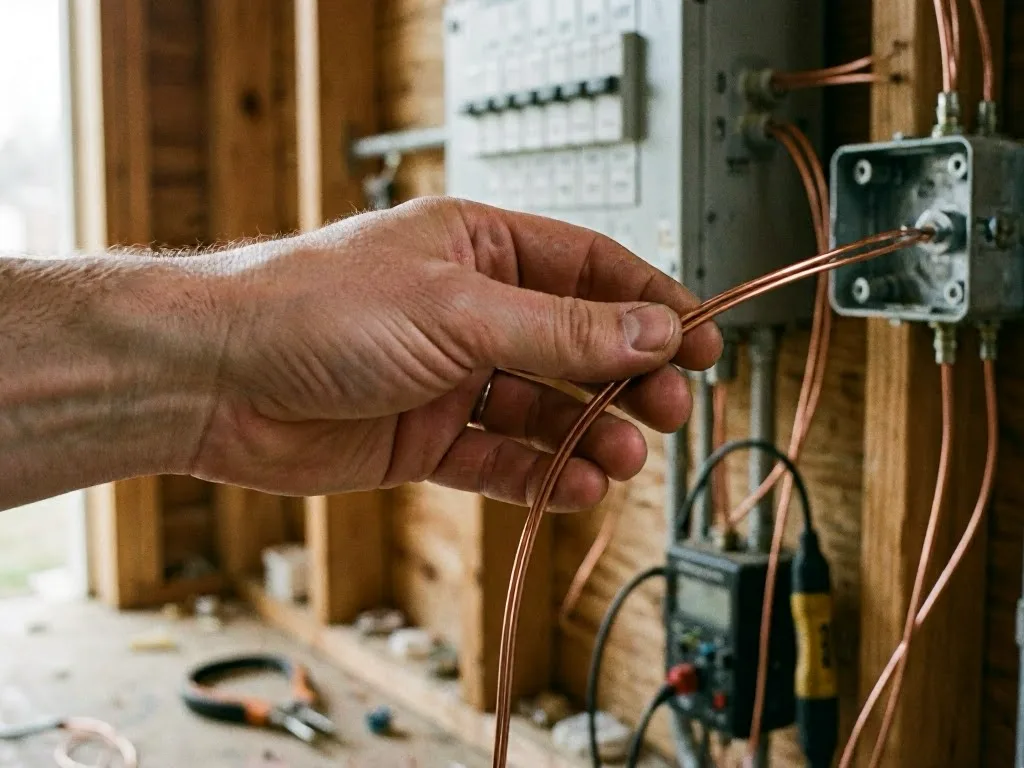
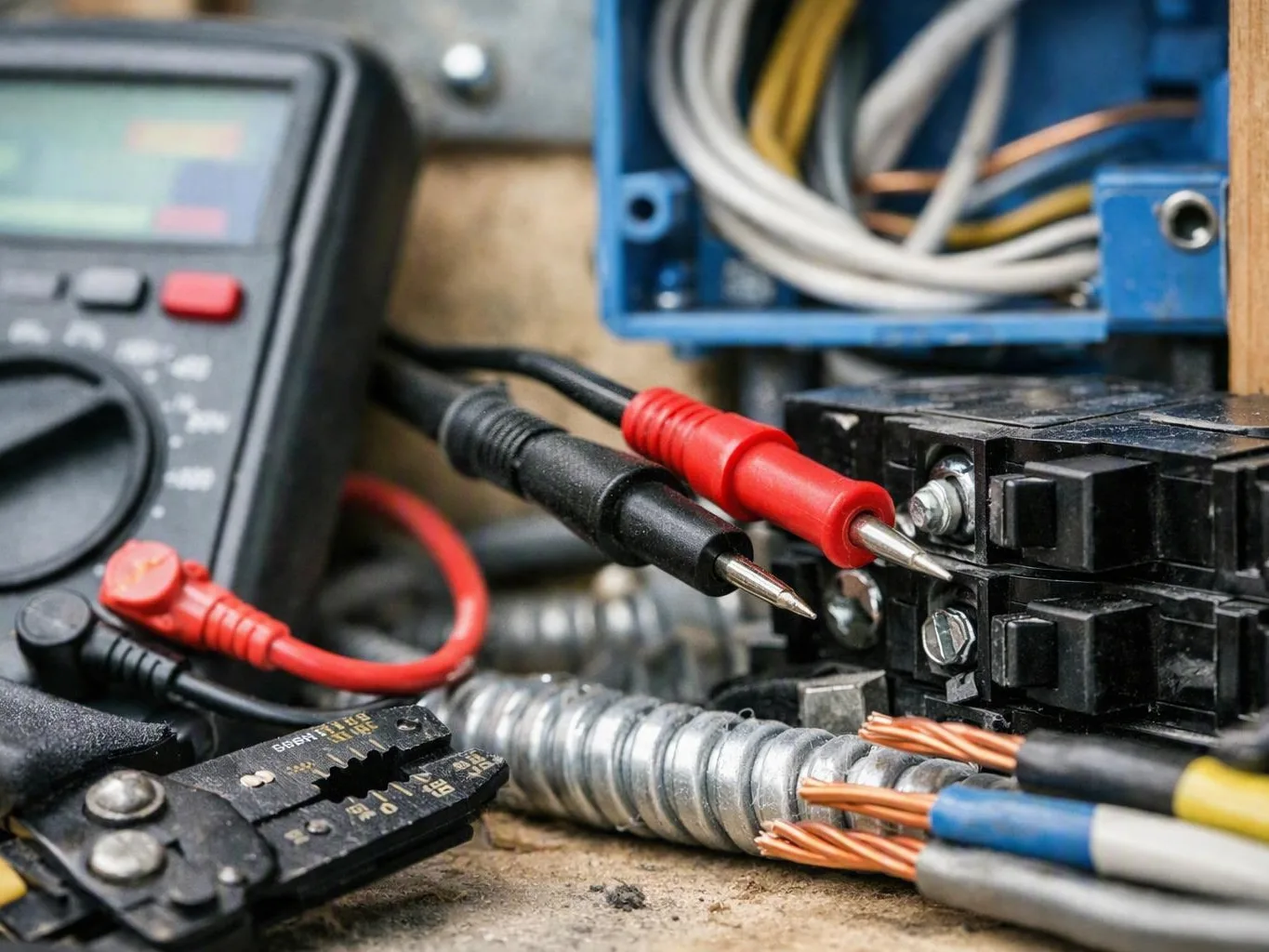
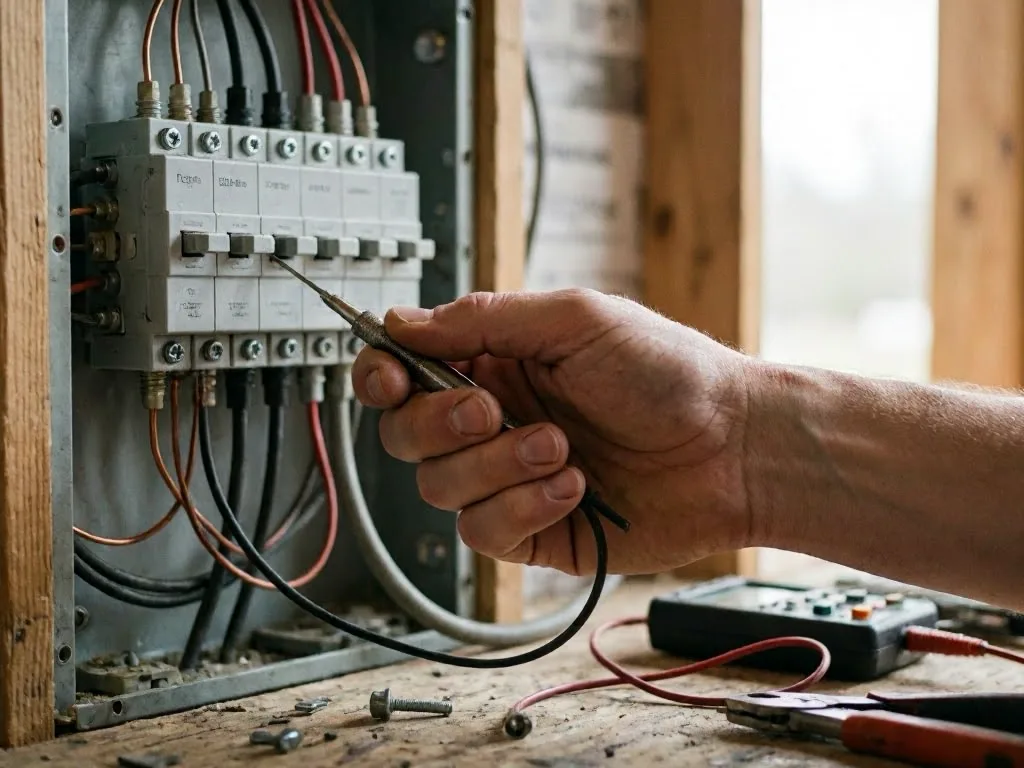
Voltage testing helps show if the fan or power supply failed. We check the breaker first. Then we test the disconnect switch, thermostat, and fan connections safely.
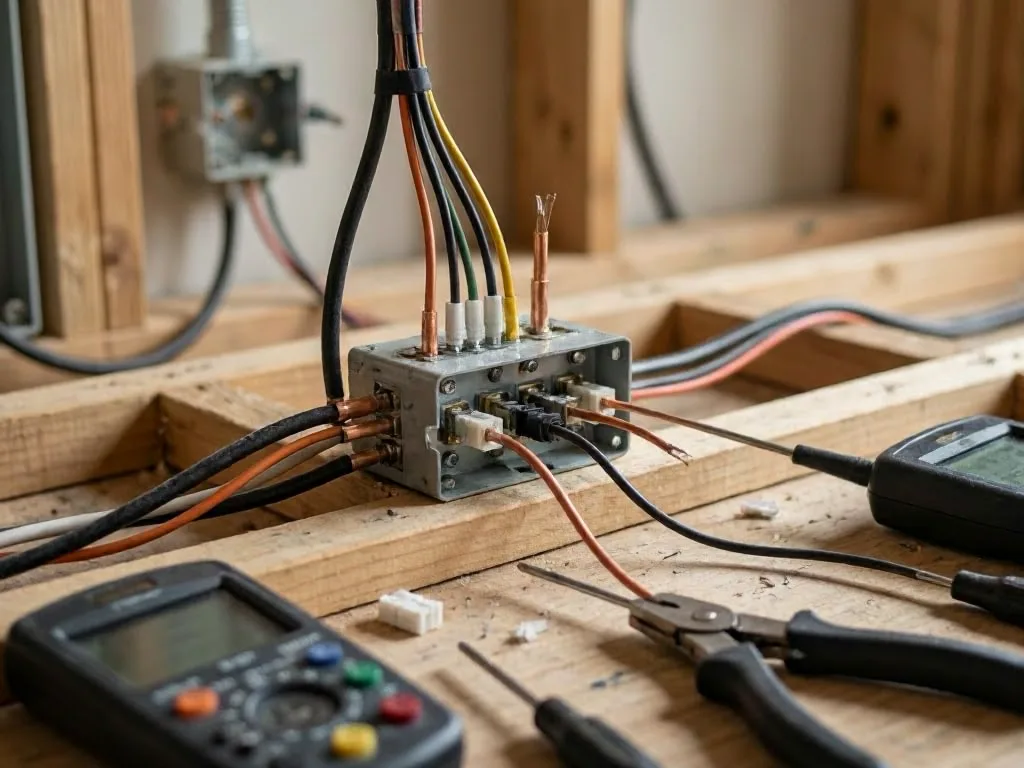
We inspect the junction box for loose wires, heat marks, damaged covers, and bad connections. We also check the motor, capacitor, ground wire, and controls. Replacing the fan won't solve a bad thermostat or overloaded circuit.
We review access, mounting, airflow, and roof or gable conditions. Dust may block the grille and limit airflow. The attic may also need more intake vents. Our approach.how we work is simple. We test the full system, explain the finding, and match the repair to the risk.
When You May Need Attic Fan Repair and Installation Together?
Attic fan repair and installation may go together when the old wiring can't support a new fan. You may need rewiring, a disconnect, or a new thermostat. A new fan may also be needed when poor airflow caused repeated failures.
These services aren't always needed together. We check the load, wiring, fan type, and airflow first. Electrical changes or new circuits may need local permits or inspections.San Bernardino, CA. Homeowners should confirm the rules before installation.
How Attic Fan Installation Works in San Bernardino, CA?
Attic fan installation in San Bernardino, CA starts with an attic and electrical check. Next, the electrician chooses the fan, checks the circuit, mounts the unit, seals the area, installs controls, and tests operation. The intake and exhaust vents must work together. The work must also follow local electrical and building rules.
Balanced airflow matters. A fan may pull air from the wrong place when intake vents are blocked. A larger motor won't solve every heat or moisture issue. Good installation improves the whole attic system.
Electrical Problems That Make Attic Fans Stop Working
Electrical diagnosis helps separate a fan failure from a circuit or control problem. Replacing the fan alone may not solve the issue. Common causes include a tripped breaker, bad thermostat, loose wiring, damaged capacitor, stuck motor, or overheating.
A tripped breaker may point to a short, overload, or failing motor. Loose wiring can create heat at a connection. A bad capacitor may keep the motor from starting. It may also make the motor hum. Dust and blocked airflow can cause a motor to overheat.
A failed thermostat is another common cause. The fan may seem dead when the control won't close the circuit. We test the thermostat and disconnect before calling the fan bad. Dust on the grille can also reduce airflow in hot, dry weather.
Don't bypass a control or open a powered junction box. A 24 Hour Electrician may help when poor ventilation, burning smells, sparks, or repeated breaker trips create danger.
Choosing the Right Attic Fan Service for Your Home
The right service depends on safety, fan age, repair options, wiring, and airflow. Request a diagnostic inspection before approving work. Ask if the plan covers the fan, controls, circuit, mount, roof seal, and ventilation.
Repair may fit when the motor, thermostat, capacitor, or disconnect can be changed safely. Replacement may save energy when an old fan wastes power or runs hot. The choice also depends on parts, the roof, and the gable opening.
Attic moisture still matters in a dry climate. Blocked intake vents, roof leaks, bathroom fans, or gaps in insulation can cause trouble. A fan alone won't fix these issues. We explain when another home repair is needed.
Electrical safety comes first. The new fan must fit the circuit, wiring, controls, mount, and weather conditions. Ask if the electrician will test the system after installation. Also ask if permits or inspections apply.
Frequently Asked Questions About Attic Fan Repair and Installation
Should I Repair or Replace My Attic Fan?
Repair often suits a bad thermostat, loose connection, switch, or replaceable capacitor. Replacement fits an unsafe, rusty, or failing motor or housing. It also fits a fan that can't vent the attic well. An electrician can test the full system first.
How Much Does It Cost to Repair or Replace an Attic Fan?
Cost depends on the fault, access, fan type, parts, wiring, roof work, seals, and permits. A diagnostic check gives a clearer price. Ask for both repair and replacement options.
Why Is My Attic Fan Not Turning On?
Possible causes include a tripped breaker, bad thermostat, open disconnect, loose wiring, failed capacitor, or burned motor. Dust and blocked vents can cause overheating. Don't bypass controls. Have the fan and circuit tested safely.
Can an Electrician Install a New Attic Fan?
Yes. An electrician can check the load, wiring, breaker, thermostat, disconnect, grounding, and controls. They can then connect compatible equipment. Roof work, structural changes, and permits may need extra checks.
How Long Does an Attic Fan Replacement Take?
A basic replacement often takes several hours when access, wiring, mounting, and sealing are ready. Rewiring, roof repairs, hard access, or inspections may add time. The site check confirms the actual schedule.
Our team can inspect the fan, controls, circuit, mount, and attic airflow. We can then recommend repair or installation. Contact us to discuss the symptoms and arrange the next step.
Contact our electrical teamRelated Resources
Attic Fan Installation Preparation Checklist
Why It MattersAttic Fan Benefits in San Bernardino: Cooling, Ventilation, and Roof Protection
benefits of attic fan installation in San Bernardino
What It CostsAttic Fan Installation and Repair: What It Costs and How Long It Takes
attic fan installation cost and time