When to Schedule an Electrical Safety Inspection
An electrical safety inspection should be scheduled when warning signs appear, after water damage or major electrical changes, before buying an older home, and whenever the system’s condition is uncertain. San Bernardino Electrician checks the electrical system and explains repairs or grounding work that may be needed.
Get a Free Estimate
Why Schedule an Electrical Safety Inspection?
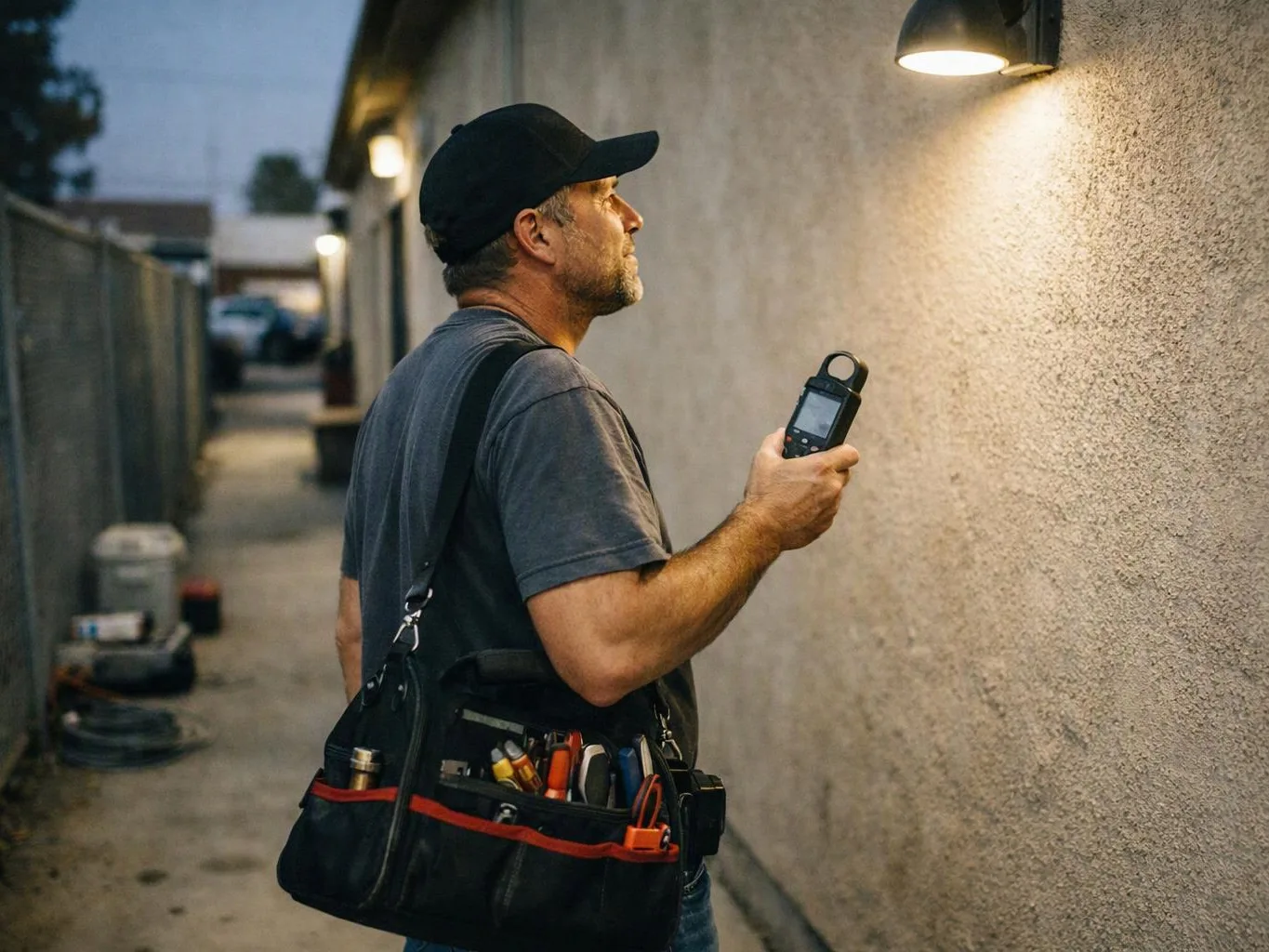
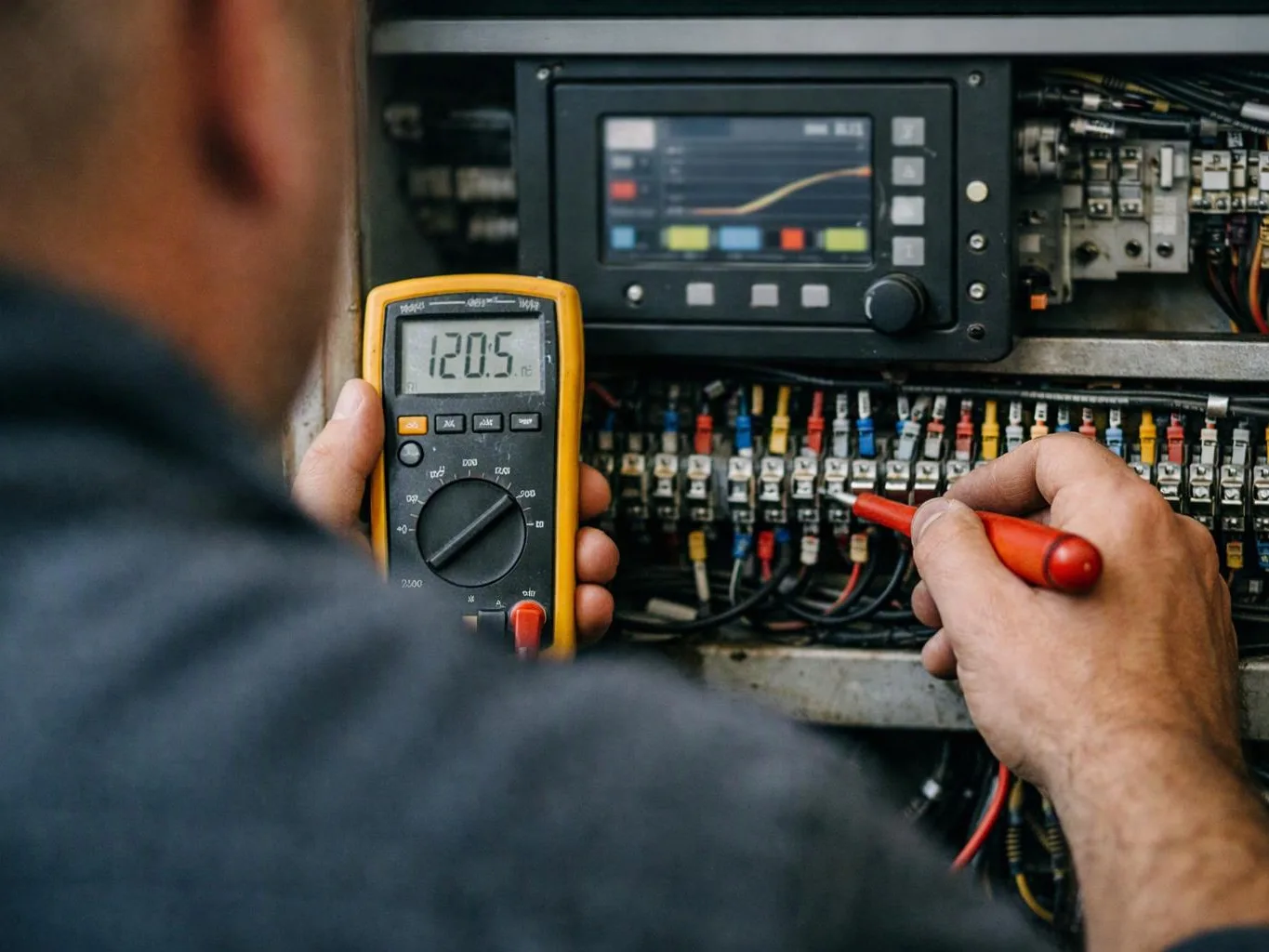
Electrical safety inspection is a detailed review of accessible parts of an electrical system. It helps identify visible hazards, unsafe wiring conditions, grounding concerns, and other issues that may require corrective work.
We examine the condition of the system and explain how each finding may affect home safety. Our inspection can also help separate an urgent electrical hazard from a repair that can be planned.
Warning Signs That Warrant an Electrical Inspection
These warning signs indicate that your electrical system needs closer attention from our team.
Stop using equipment that sparks, smells hot, or causes a shock. We can perform Electrical Troubleshooting to locate the source and recommend safe corrective work.
When Should You Schedule the Inspection?
You should schedule an electrical safety inspection before buying a home, before major renovations, after significant electrical changes, and whenever the system’s condition is uncertain.
A home purchase inspection can reveal conditions that need attention before the sale is complete. A home renovation or change in electrical demand can also make an older panel, branch circuit, or protective device unsuitable for the updated use.
We review the existing electrical system before planned work so the project can account for wiring, circuit protection, grounding, and available panel capacity.
What Can an Electrical Safety Inspection Examine?
An electrical safety inspection examines accessible wiring, panels, protective devices, outlets, grounding, and visible conditions that could create an electrical hazard.
Our inspection may include the electrical panel, circuit breakers, wiring, outlets, switches, and branch circuits. We also review the grounding system, bonding, and the condition of grounding connections that are accessible for inspection.
We check whether ground-fault protection and arc-fault protection are present where applicable and whether visible devices show damage or signs of overheating. We explain which findings need Electrical Troubleshooting, Wiring Repair, or other corrective work.
How to Prepare Your Home for an Electrical Inspection
Preparing the home gives our team safer and clearer access to the electrical system. Gather information before the appointment and point out concerns you have noticed.
Do not remove covers or handle exposed wiring to prepare for the visit. We use appropriate inspection methods and explain when additional access or repair work is needed.
What Can You Check Yourself and When Should We Inspect?
DIY electrical checks can help you notice visible concerns, but an electrical safety inspection is needed when the cause is unclear or the system requires testing.
| Factor | What you can do yourself | What we do |
|---|---|---|
| Visible condition | Look for scorch marks, damaged covers, loose plates, or unusual warmth without touching unsafe parts. | We inspect accessible components and identify conditions that need further testing or repair. |
| Breaker activity | Note which circuits trip and what was running when the issue occurred. | We trace the concern through Electrical Troubleshooting and review circuit protection. |
| Outlets and switches | Stop using a device that sparks, feels hot, or causes a shock. | We inspect the accessible device, wiring, and related circuit for unsafe conditions. |
| Repairs | Avoid opening panels or attempting work on energized wiring. | We explain whether Wiring Repair, device replacement, or grounding work is appropriate. |
Simple observations are useful, but they do not replace testing or a full review of accessible electrical components. We inspect whenever symptoms continue, repairs are uncertain, or water or remodeling has affected the system.
Electrical Safety Checks for Older Homes
Older homes should receive an electrical safety inspection when wiring age, previous modifications, grounding, or panel capacity is uncertain.
An older home may have outdated wiring, an electrical panel that does not suit current demand, or overloaded circuits created by later additions. We inspect accessible wiring, receptacles, circuit breakers, and grounding connections for visible safety concerns.
We also look for changes made over time that may have left circuits poorly protected or improperly grounded. When grounding improvements are needed, we explain whether Electrical Grounding Installation is appropriate.
When to Schedule an Inspection After Water Damage
Schedule an electrical safety inspection after water reaches wiring, outlets, switches, appliances, or the electrical panel because moisture can create hidden electrical hazards.
Flooding and other water damage can affect wet wiring even after visible moisture has dried. Moisture may also damage connections, insulation, receptacles, and protective devices.
Do not touch wet electrical equipment or enter an area with standing water near electrical components. We assess the affected parts and explain what must remain out of service until repairs are complete.
What Happens After an Electrical Safety Inspection?
After an electrical safety inspection, we explain the findings, identify urgent concerns, and outline any Electrical Troubleshooting, Wiring Repair, or Electrical Grounding Installation that may be appropriate.
Our team separates visible conditions from issues that need additional testing. We also explain how the electrical panel, circuit breakers, wiring, outlets, switches, and grounding system relate to each finding.
Recommended repairs depend on the affected component, the cause of the problem, accessibility, and the condition of related wiring. Requesting an estimate gives us the information needed to describe the planned work and its cost.
Questions to Ask About Your Electrical Inspection Results
Ask questions that connect the inspection report to safety, repair priorities, and the next step. Clear answers help you decide what needs attention first.
We review the inspection findings with you and explain the reason for each recommended repair. Our goal is to make the next decision clear without asking you to guess at the source of the problem.
Questions About Electrical Safety Inspections
Should I schedule an electrical inspection before buying a home?
Yes, an electrical inspection before a home purchase can reveal visible hazards, outdated wiring, grounding concerns, and panel conditions that may affect the property. San Bernardino Electrician reviews accessible parts of the electrical system and explains recommended repairs.
Can an electrical inspection identify problems hidden behind walls?
An electrical inspection can identify warning signs that suggest a hidden wiring problem, but concealed conditions may require additional testing or limited access. We explain what the visible evidence shows and what further Electrical Troubleshooting may be needed.
Should I turn off power after water reaches an outlet?
Yes, turn off power only if you can do so without entering standing water or touching wet equipment. Keep away from the affected area and contact us so we can inspect the outlet, wiring, panel, and other components exposed to moisture.
What should I do if an inspection identifies an immediate electrical hazard?
Stop using the affected circuit or equipment and keep people away from the hazard. We explain the immediate safety step, identify the source, and outline the recommended repair before the equipment is used again.
Schedule an electrical safety inspection when warning signs, water damage, renovations, an older home, or uncertainty makes the system’s condition unclear. San Bernardino Electrician can review the accessible electrical system and explain the next repair or grounding step.
Contact us for an electrical safety inspection