Review the electrical service
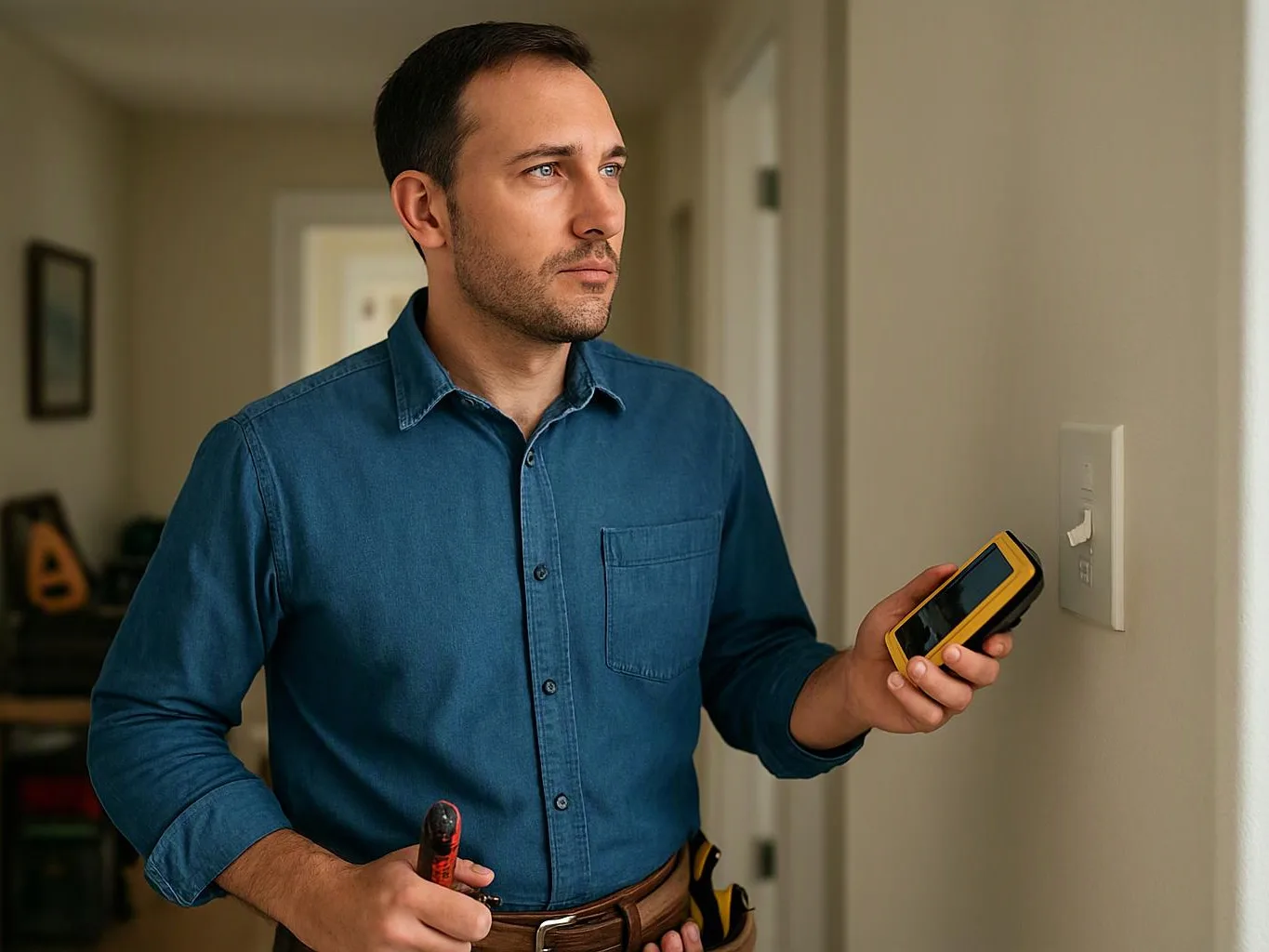
We inspect the main panel, service connection, grounding, and available space. This shows how the generator can connect safely.
We install standby generator systems for homes and businesses that need dependable backup power. Our work covers the generator connection, transfer equipment, safety checks, and startup testing.
Backup power reaches the circuits chosen for household or business needs.
Transfer equipment helps prevent utility and generator power from crossing.
A tested connection gives you a known startup and shutdown sequence.
Load planning helps reduce overloads on the generator and connected circuits.
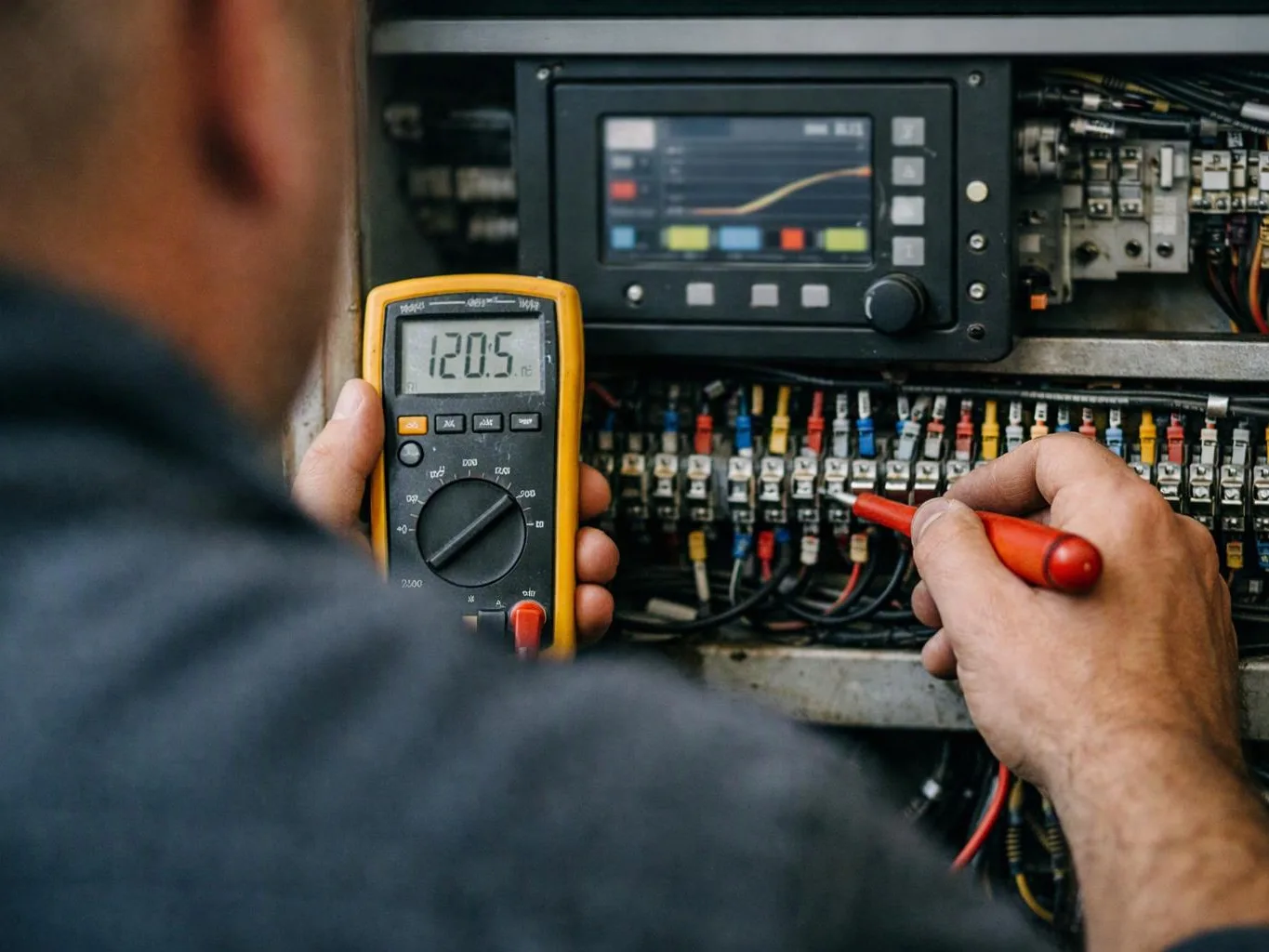
Generator installation connects a standby or portable-ready system to the property's electrical service. The work may include a transfer switch, wiring, circuit selection, grounding checks, and operational testing. We begin by reviewing the panel and the loads the property needs during an outage. A refrigerator, lighting circuit, sump equipment, or business system may need different planning than a general outlet circuit. A generator cannot safely feed a building through an ordinary outlet. The transfer equipment must separate utility power from generator power, and the connected circuits must match the system's capacity. We test the final connection and explain the controls before the work is complete. Our position is simple: generator sizing should follow the property's actual load, not a guess based on the largest appliance. A load calculation gives the project a safer starting point and helps prevent nuisance trips.
Generator Installation is an electrical service that connects a backup generator to a property's power system.
These details help us plan the electrical work around your property and backup power needs.
We inspect the main panel, service connection, grounding, and available space. This shows how the generator can connect safely.
We identify the circuits that need backup power and compare their load with the generator system. This helps prevent overloads.
We select the transfer path and map the supported circuits. The equipment must isolate generator power from utility power.
We install the transfer equipment, wiring, circuit connections, and related grounding work for the planned system.
We test the generator connection, transfer sequence, selected circuits, and return to utility power before handing over the system.
We diagnose the electrical system and selected backup loads before recommending generator equipment or connection work.
We isolate power sources, inspect grounding, and test the transfer path to support safe generator operation.
We explain the supported circuits, control sequence, testing results, and proposed work before the installation begins.
Share your property type, generator plans, and backup circuits for an estimate; urgent requests get priority scheduling.
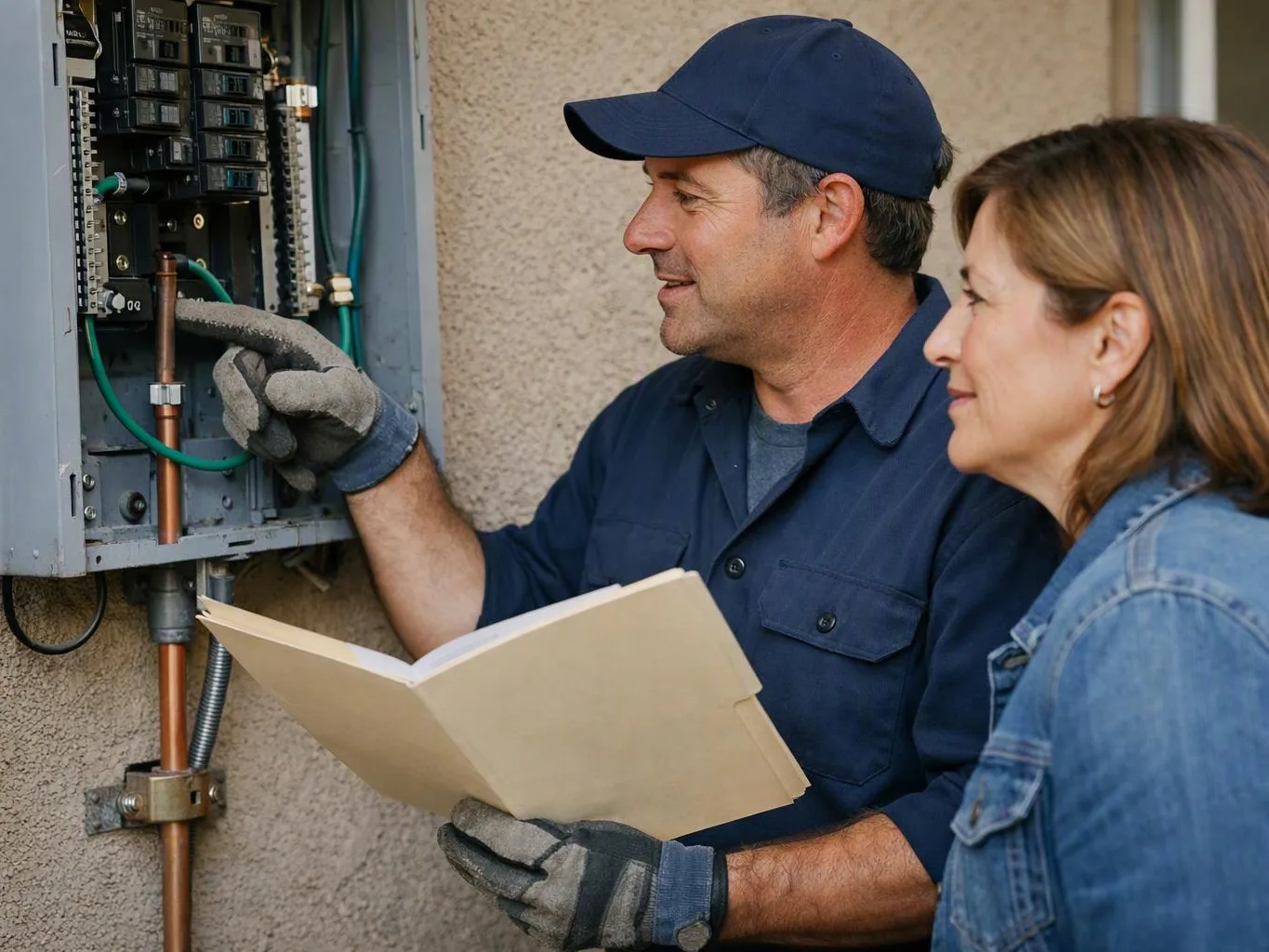
A homeowner may want backup power for refrigeration, lighting, or other essential circuits during an outage. The key decision is which loads must run together without overloading the generator. We review the panel, map the selected circuits, and explain the transfer equipment before preparing a free estimate.
A business can lose access to lights, equipment, or customer areas when utility power fails. Generator installation must account for the electrical load and the circuits that support daily operations. We inspect the service, discuss the operating priorities, and set out the wiring and testing needed for the property.
An owner may already have a generator but lack a safe connection to the building panel. Improvised cords or unclear circuit paths can create serious electrical risks. We inspect the existing setup, identify the transfer method, and explain the work needed to connect and test the system correctly.