What equipment is needed for generator installation?
A transfer switch, generator, fuel line, exhaust pipe, concrete pad, and grounding equipment are key parts of the setup. San Bernardino Electrician also checks the panel and selected circuits before installation. The exact equipment depends on the generator type, fuel source, property load, and backup circuits. We explain the planned equipment before work begins.
What does the crew look at first during generator installation?
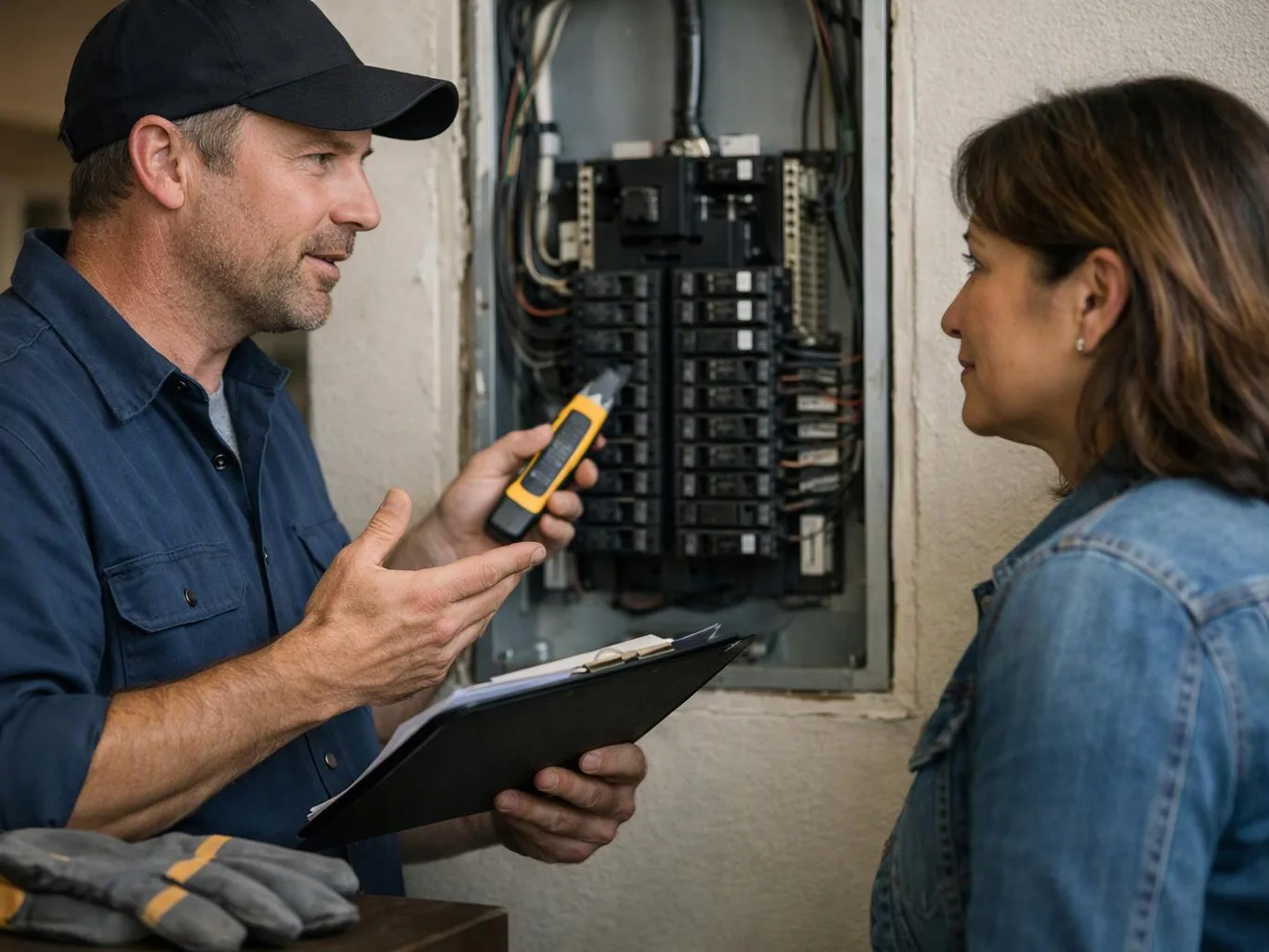
The electrical panel and expected load come first. We check the panel condition, identify the circuits that need backup power, and review available access. Fuel routing, exhaust clearance, pad needs, and grounding follow that first review. This order helps us define the work before equipment is connected.
What happens at each stage of generator installation?
The work moves from load review to equipment planning, circuit connection, grounding checks, and final testing. We first discuss the circuits and inspect the panel. Next, we review the fuel line, exhaust pipe, and pad. We then complete the electrical work, test the setup, and explain the connected circuits.
Who is a good fit for generator installation, and who needs a different service?
Homeowners and businesses that want planned backup power are good fits for generator installation. We review the property load, equipment needs, and selected circuits before quoting the work. A property with an active burning smell, sparking outlet, or other electrical hazard needs urgent electrical repair first. We address those hazards through emergency service.
Which part of the job changes the installation price most?
The generator equipment, electrical load, fuel route, exhaust work, pad, grounding, and panel changes shape the estimate. A setup for selected circuits has a different scope from one serving a wider electrical load. We inspect the property and provide a free estimate based on the actual installation details.
When should a business request backup generator planning?
A business should request planning before an outage creates a power problem. The review covers critical circuits, equipment load, access, fuel supply, exhaust routing, and safe testing. We use those details to define the installation scope. Early planning also gives the owner time to decide which equipment and circuits matter most.
How should a homeowner prepare for a generator installation assessment?
A homeowner should list the circuits and equipment that need backup power. Useful details include the panel location, current generator equipment, fuel source, and access around the proposed setup. We inspect those conditions during the assessment. Photos can help explain the property, but they do not replace an electrical inspection.