Skip to content
Glossary

What is Grounding Electrode?

Grounding Electrode is a conductive object that connects an electrical system to the earth. Common examples include metal underground water pipe, a concrete-encased electrode, and a ground rod. The electrode connects to the grounding electrode conductor, which provides a path for lightning, surges, and other unwanted electrical energy.

Quick Facts About Grounding Electrode

Category

Electrical grounding component

Used for

Connecting an electrical system to earth

Common confusion

A ground rod is one type of grounding electrode

Relevant standard

National Electrical Code Article 250

Also called

Grounding electrode system, Earth electrode

Often discussed with

Circuit Breaker Repair, Fuse Box Repair

Key Takeaways About Grounding Electrode

  • A grounding electrode connects electrical equipment and systems to the earth.
  • Ground rods are only one type of grounding electrode.
  • The grounding electrode conductor links the electrode to the service equipment.
  • Electrodes must follow electrical code rules for location, material, and installation.
  • A grounding electrode does not replace equipment grounding or bonding.

Understanding Grounding Electrode

SanBernardino-Electrician.com in San Bernardino — Understanding Grounding Electrode

Grounding Electrode means a conductive object that connects an electrical system to earth. The object may be a ground rod, metal water pipe, concrete-encased electrode, building steel, or another approved electrode. Its purpose is to connect the electrical system with earth. It also helps control surges.

Related glossary terms: Electrical Code, National Electrical Code, Electrical Panel.

The electrode connects to the service equipment through a grounding electrode conductor. That conductor differs from a branch-circuit ground wire. Both wires belong to the broader grounding system. The grounding electrode system may include more than one electrode. This happens when one electrode doesn't meet code needs. It also happens when several electrodes exist at a structure.

How Grounding Electrode Works, Is Measured, or Is Used?

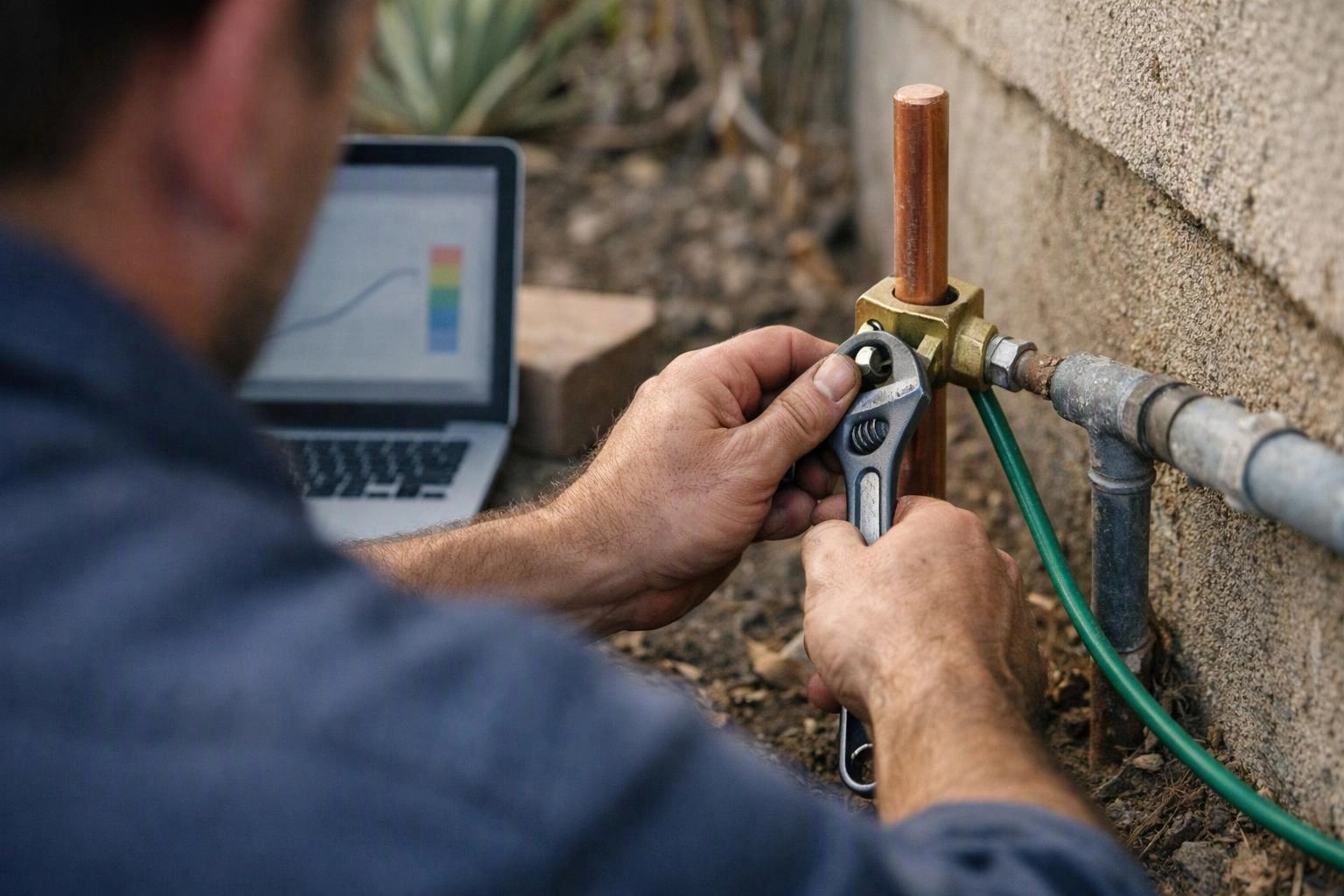
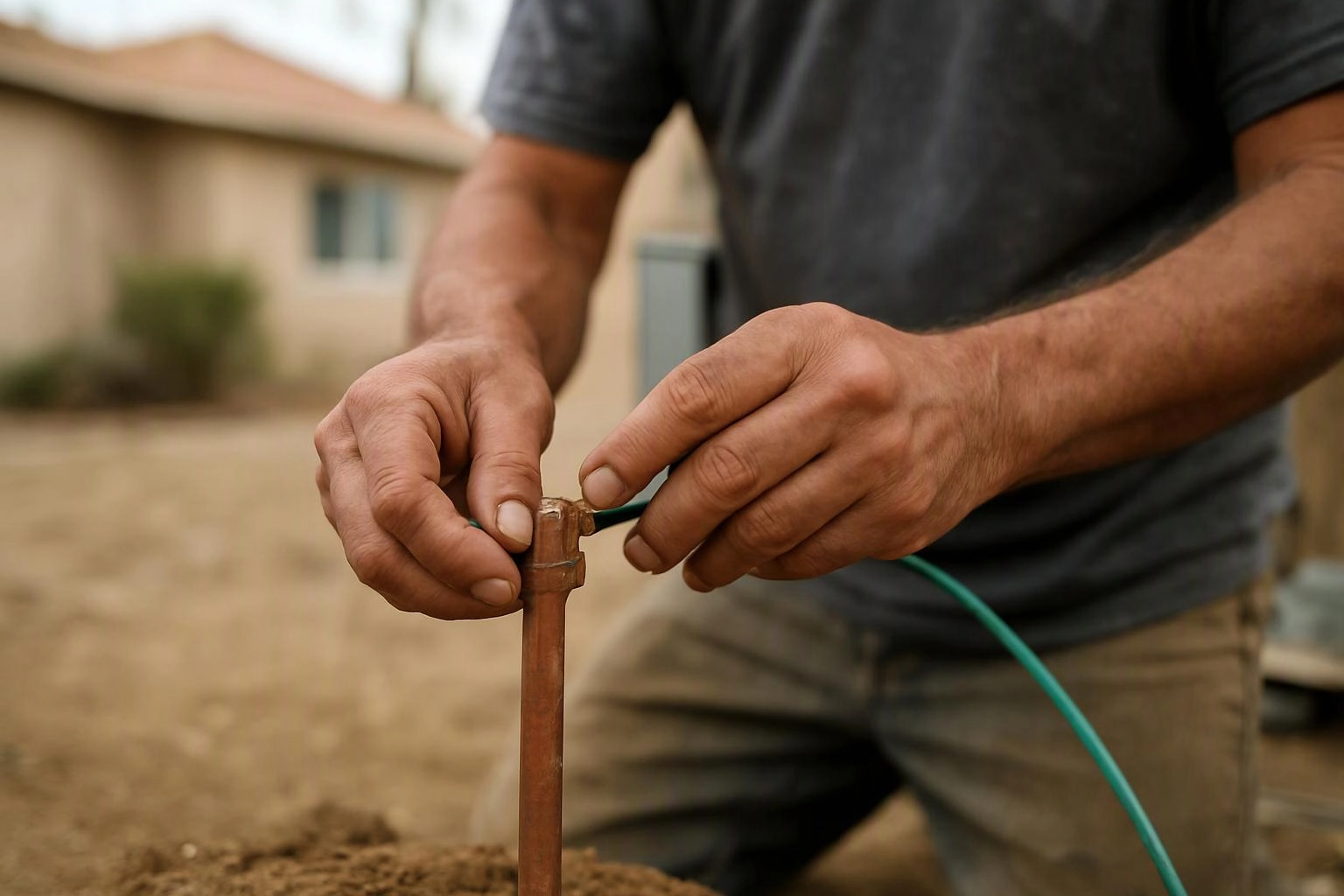
During installation, an electrician identifies all qualifying electrodes at the building. The electrician connects the electrodes when required. Then, the electrician routes the grounding electrode conductor to the service disconnect. The conductor may connect to another specified point. Connections must stay accessible and protected from physical damage. They must also suit the electrode material.

A ground rod doesn't simply send all fault current into the soil. Earth has higher impedance than copper conductors. Equipment grounding paths usually carry fault current back to the source. This path helps operate an overcurrent device. The grounding electrode helps stabilize system voltage to earth. It also provides a path for lightning and transient energy.

Measurement depends on the question being asked. A fall-of-potential test can estimate an electrode system's resistance to earth. Visual inspection checks conductor size, clamps, corrosion, burial depth, and connection points. A resistance reading alone doesn't prove code compliance. The electrode type and system design also matter. Bonding and local rules matter too.

Why Grounding Electrode Matters?

Electric wires, pliers, and a multimeter beside an open electrical box in unfinished wood framing

A correctly installed grounding electrode supports a stable reference between the electrical system and earth. It can reduce voltage differences during lightning events and utility surges. It also helps during other abnormal conditions. Proper grounding supports surge protective device operation. It helps limit dangerous voltage between system conductors and grounded metal parts.

Grounding errors can create serious hazards. A loose connection, damaged conductor, corroded clamp, or missing electrode can weaken the system's earth reference. The result may include equipment damage or shock exposure. It may cause nuisance operation of protective devices. It may also cause failure during an inspection.

When Grounding Electrode Matters Most?

The term becomes especially important during a new service installation or service upgrade. It matters during a panel replacement or detached structure project. It also matters after a remodel changes the service equipment. It matters when a remodel exposes an existing electrode. Older buildings may have buried metal piping or concrete-encased steel. They may also have damaged connections that need careful identification.

Before work begins, review the electrical service design. Review the electrodes available at the property. Pay close attention to these conditions.

  • New construction may provide a concrete-encased electrode before the concrete pour.
  • A metal water pipe may qualify only when it meets the applicable code conditions.
  • Ground rods may need supplemental treatment when one rod doesn't satisfy the required speed rule.
  • Corrosion, loose clamps, and physical damage can weaken an otherwise correct grounding system.

How to Evaluate Grounding Electrode?

  • Confirm the electrode type and verify that its material and location meet the applicable electrical code.
  • Inspect the grounding electrode conductor for correct routing, protection, size, and secure connections.
  • Check whether available electrodes are bonded together as required by the service design.
  • Look for corrosion, loose clamps, damaged conductors, and accidental disconnection.
  • Ask whether testing covers electrode resistance as well as code-required visual and installation checks.

Related Concepts Compared

Grounding Electrode vs. Ground Rod

A ground rod is a specific type of grounding electrode. A grounding electrode can also be a water pipe, building steel, or concrete-encased conductor.

Grounding Electrode vs. Grounding Electrode Conductor

The grounding electrode conductor is the wire that connects the service equipment to the grounding electrode or electrode system. The electrode itself is the conductive object in contact with earth.

Grounding Electrode vs. Equipment Grounding Conductor

An equipment grounding conductor connects equipment and metal enclosures to the grounding point. It normally carries fault current back to the source. While a grounding electrode connects the system to earth.

Grounding Electrode vs. Ground-Fault Circuit Interrupter

A Ground-Fault Circuit Interrupter detects an imbalance in current and disconnects power quickly. It is a protective device, not a grounding electrode.

Expert Note

A ground rod alone does not prove that a service is properly grounded. The electrode type, grounding electrode conductor, bonding connections, service configuration, and local code requirements must be reviewed as one system.

Common Mistakes or Myths About Grounding Electrode

  • Assuming every grounding electrode is a ground rod.
  • Confusing the grounding electrode conductor with the equipment grounding conductor.
  • Leaving a grounding clamp loose, buried, or exposed to damaging conditions.
  • Treating a resistance test as the only proof of code compliance.
  • Disconnecting an electrode during panel work without restoring the complete grounding system.

Grounding Electrode in Practice: A Real-World Example

A homeowner replaces an old fuse panel with a new service panel. An electrician finds two ground rods near the building. Plus a concrete-encased foundation electrode. The electrician checks each electrode, bonds them as required, and links it to service equipment.

Related Terms

Electrical Code

Electrical Code is a set of enforceable safety rules for designing, installing, inspecting, and maintaining electrical…

National Electrical Code

National Electrical Code is a safety standard published by the National Fire Protection Association that sets…

Electrical Panel

Electrical Panel is the main enclosure that receives electricity from a utility service and distributes it…

Surge Protector

Surge Protector is a device that limits short increases in electrical voltage and diverts excess energy…

SanBernardino-Electrician.com

Have Questions About Grounding Electrode?

Contact SanBernardino-Electrician.com for practical guidance on Grounding Electrode and related 24 hour electrician work in San Bernardino.

+1 (909) 271-0200