Skip to content

Smoke Detector Installation in Highland, California

Code-safe interconnect wiring guides smoke detector installation in Highland. We match the wiring method to the property and detector layout.

Licensed & InsuredFree EstimatesWarranty AvailableUpfront, Transparent Pricing

Quick Summary: smoke detector setup in Highland, California

Smoke Detector Installation in Highland is provided by San Bernardino Electrician for homes and businesses across the surrounding Inland Empire communities. The service covers detector placement connections, hardwired circuits, backup batteries, junction boxes, and testing.

  • What we do: San Bernardino Electrician provides Smoke Detector Installation for Highland, California homes and businesses, including detector connections, wiring checks, and final testing.
  • What is included: We assess hardwired circuits, backup batteries, junction boxes, cable clamps, and detector connections.
  • What you get: Smoke detectors are connected, powered, and tested so the property has a working alarm system.

Why does a newly installed smoke detector keep losing power?

A smoke detector can lose power when its circuit, battery, connection, or junction box has a fault. We check each point before choosing a repair or installation method.
Smoke Detector Installation in Highland for Safer Electrical Systems

Smoke detector installation covers more than mounting an alarm. We inspect the power source, wiring path, junction box, and connection points before selecting the work scope.

This page helps property owners decide between a hardwired circuit and a battery-backed setup. The right choice depends on the existing electrical system, the detector type, and access to the work area.

A new detector may need a new cable run, while a replacement may only need a tested connection. We identify that difference before work starts, then explain the next step in plain language.

  • Check whether the existing detector has a hardwired circuit or battery-only power.
  • Inspect junction boxes and cable clamps for secure connections.
  • Confirm that connected detectors communicate after installation.
  • Test each detector after wiring and battery checks.
  • Ask whether the requested work is installation, replacement, or electrical repair.
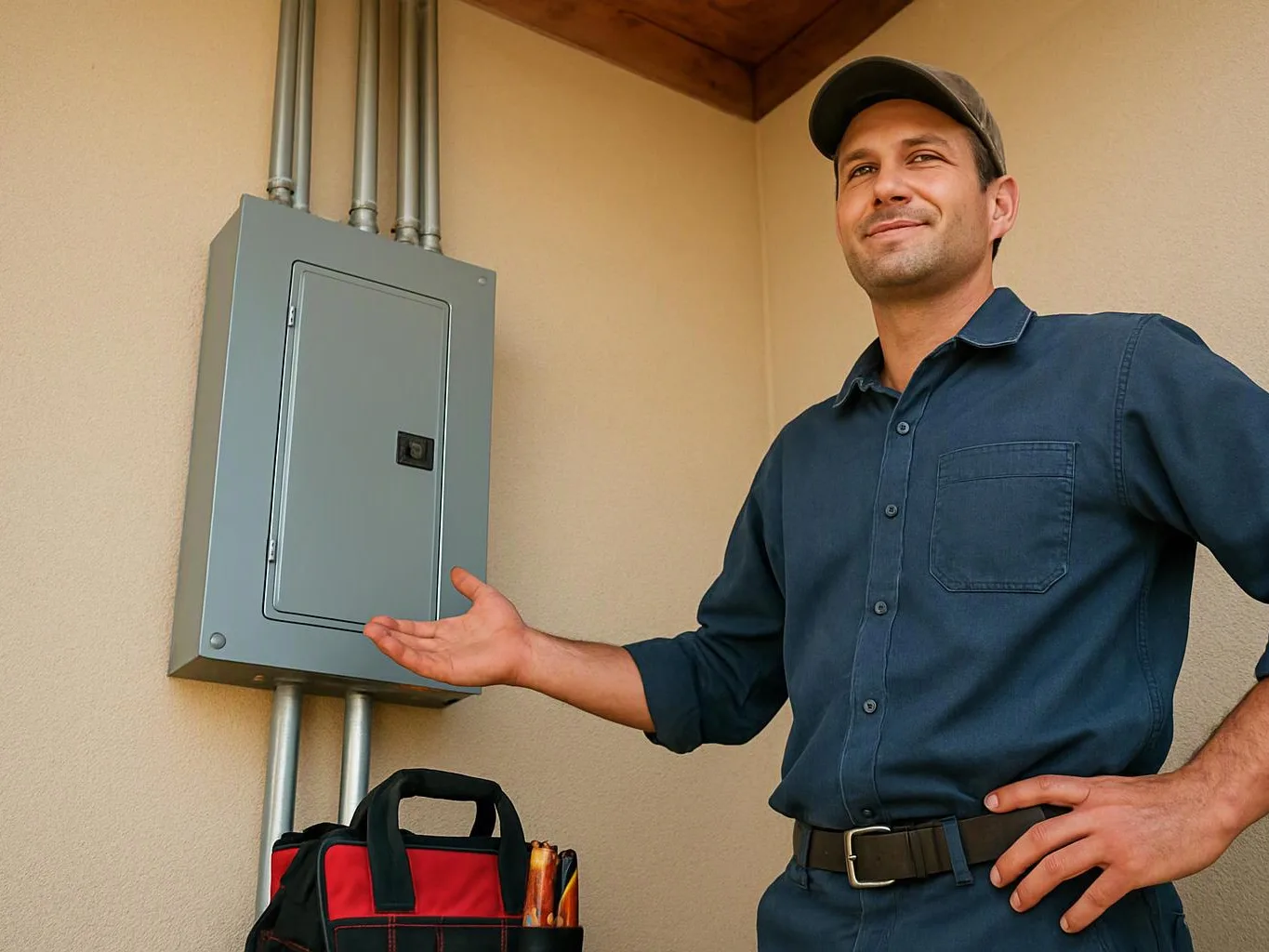
A man in a blue work shirt gestures toward a gray electrical panel on a beige wall

Service Overview

Smoke detector installation is an electrical service that connects, powers, and tests smoke alarms in a property.

  • The work differs from alarm replacement because installation may require new wiring, junction boxes, cable clamps, and circuit checks.
  • San Bernardino Electrician provides this service for homes and businesses in Highland and nearby Inland Empire communities.

What Smoke Detector Installation Includes for Your Property

San Bernardino Electrician provides comprehensive Smoke Detector Installation in Highland. Here's what you get:

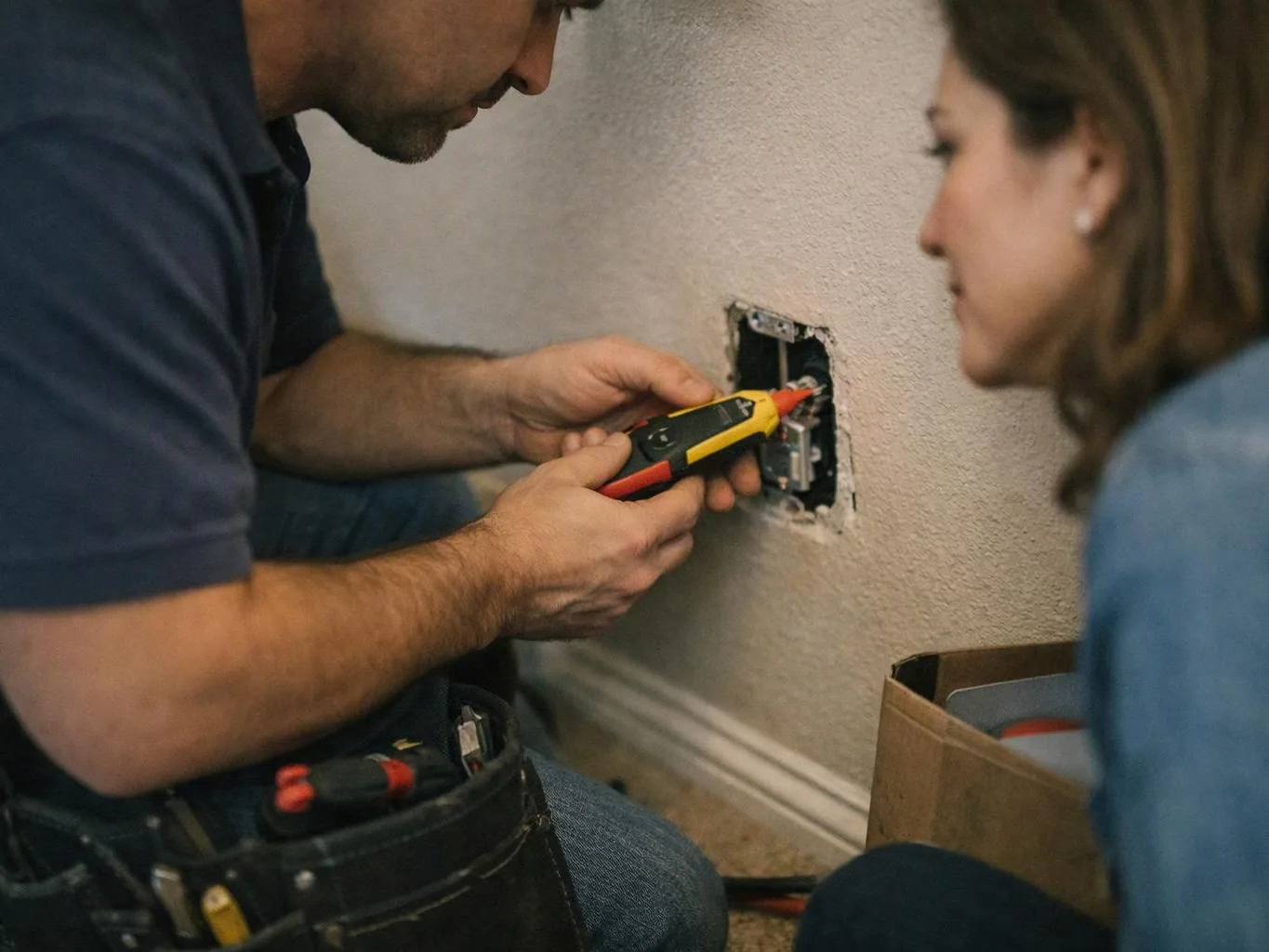
  • We inspect the existing power source and identify the wiring needed for the detector.
  • We connect hardwired smoke detectors to the approved circuit serving the work area.
  • We install or check junction boxes where the detector connection requires one.
  • We secure cable runs with suitable cable clamps and check each connection.
  • We fit backup batteries when the detector design calls for battery support.
  • We test the installed detectors and explain the result before the work is complete.

How We Approach Smoke Detector Wiring Decisions

Match wiring to the property

Supporting Highland means adapting our process to the specific scope each client brings.

Check every connection

Testing covers the power source, detector connection, battery support, and communication between connected alarms. We do not treat a powered light as the only sign that the system works.

Know when the job is different

Smoke detector installation is the wrong job when the main issue is a damaged panel, unsafe branch circuit, or broader electrical failure. We identify those conditions so the work can be scoped correctly.

Process

How We Install and Test Smoke Detectors

1

Inspect the existing power source

We identify whether the detector uses a hardwired circuit, battery power, or both. The inspection also covers the junction box and nearby cable.

2

Plan the wiring connection

The agreed scope sets the connection method, cable route, box needs, and battery support. We explain the work before making changes.

3

Secure the cable and box

We route the cable, secure it with cable clamps, and check the junction box connection before attaching the detector.

4

Connect the smoke detector

The detector connects to the selected power source, and the backup battery is fitted when the detector requires one.

5

Test power and communication

We test each detector and confirm that connected alarms communicate as intended. Any failed connection becomes part of the repair scope.

What Proper Detector Wiring Changes for the Customer

A tested connection helps the detector receive steady power from its intended source.

Backup batteries help maintain alarm power when the hardwired supply is interrupted.

A checked junction box gives the wiring connection a secure point for the detector.

Clear wiring information helps property owners understand what was installed and why.

Testing can reveal a weak connection before it becomes a larger electrical concern.

Smoke Detector Power Options Compared

These options differ by power source, wiring needs, and the checks required before testing.

Power optionWhat it usesWhat we check
Hardwired circuit with backup batteryProperty wiring plus battery supportCircuit power, junction box, battery, and detector communication
Battery-only detectorBattery power without a hardwired circuitBattery compartment, detector function, and mounting connection

The San Bernardino Electrician Standard

  • Urgent Electrical Assistance
  • Problem Diagnosis
  • Electrical Safety
  • Clear Communication

Questions About Smoke Detector Wiring and Installation

What wiring options are available for smoke detector installation?

Interconnect wiring options include hardwired circuits with battery backup and battery-only detectors where the property supports that approach. San Bernardino Electrician checks the circuit, junction box, cable route, and detector type before recommending the connection. Testing follows the installation so each connected alarm can be checked for power and communication.

How is smoke detector installation matched to the property before work starts?

The property’s existing circuit and access path determine the installation method. We inspect the power source, junction box, cable route, detector connection, and battery compartment. A home with usable wiring may need a direct connection, while a property without that wiring may need added electrical work before the detector can be tested.

Which property condition changes the time needed for detector wiring?

A blocked cable path, damaged junction box, or missing circuit connection can add work to the installation. We inspect access and wiring before setting the scope. The condition of the existing electrical system matters more than the detector alone because new cable or box work requires separate checks.

What should I ask before agreeing to smoke detector installation?

Ask which power source will be used, whether alarms will communicate, and what testing is included. The installation scope should also identify junction box work, cable clamps, battery support, and any repair found during inspection. We explain those points before work begins so the customer understands the requested electrical changes.

Why does a hardwired smoke detector still need a battery?

A hardwired smoke detector uses a battery as backup when its electrical supply is interrupted. We check the battery compartment, circuit connection, and alarm test function during installation. A low or missing battery can affect readiness even when the detector receives power from the hardwired circuit.

Can a smoke detector installation include a new circuit?

A smoke detector installation can include new circuit work when the property lacks a suitable power connection. We first inspect the electrical panel, circuit path, junction box location, and access conditions. If the work becomes a broader circuit installation, we explain that added scope before proceeding.

Who installs and tests smoke detectors for local properties?

San Bernardino Electrician installs and tests smoke detectors for homes and businesses in Highland. We check hardwired circuits, junction boxes, cable clamps, and backup batteries as part of the requested scope. The final test checks both detector power and communication between connected alarms.
Contact

Request a Smoke Detector Installation Estimate in Highland

Ask San Bernardino Electrician for a quote on smoke detector installation, and urgent requests get priority scheduling.

A glowing recessed ceiling light sits in a textured beige ceiling

ZIP Codes We Serve in Highland, California

92346

Smoke Detector Installation in Other Areas

(909) 271-0200