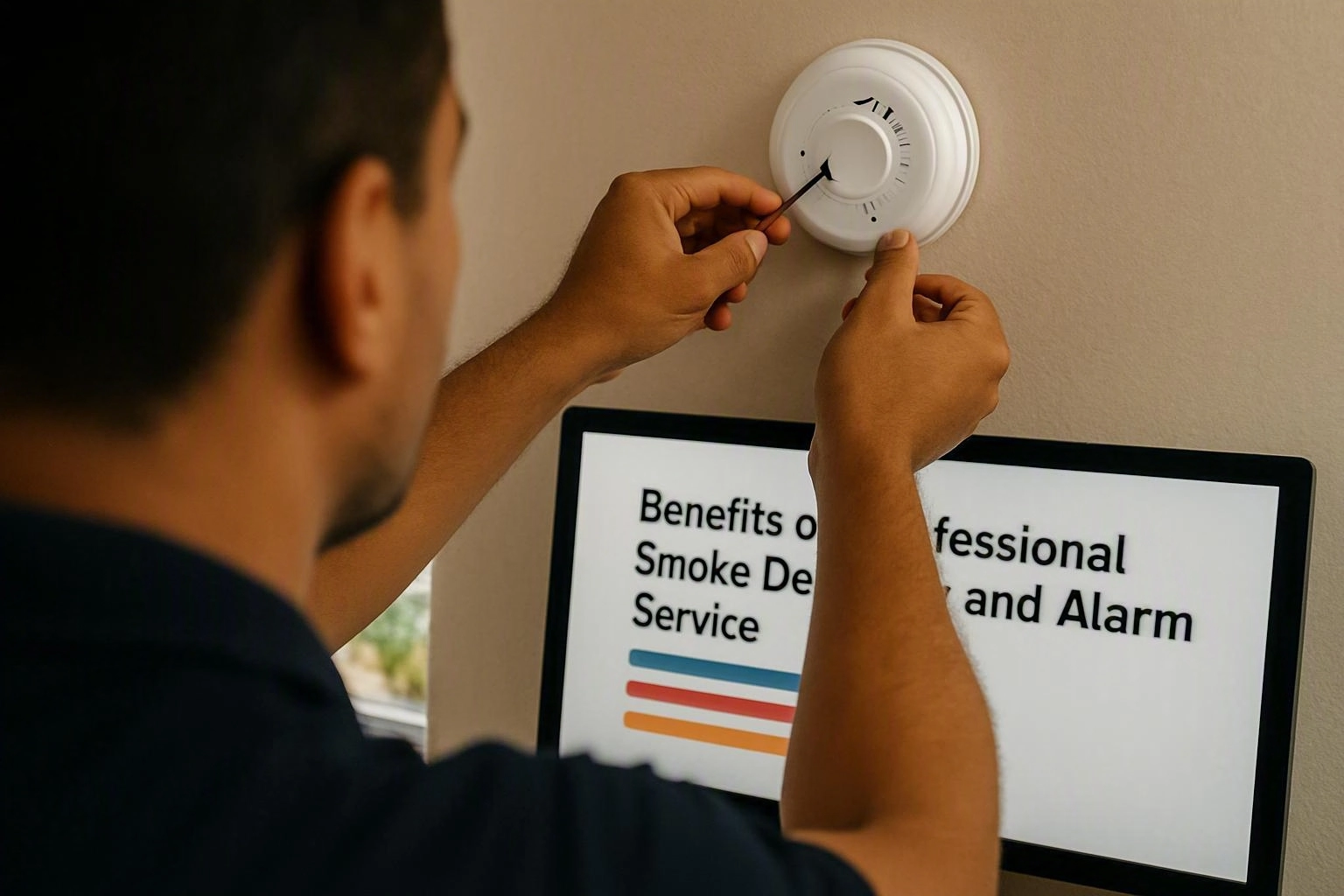
Benefits of Professional Smoke Detector and Alarm Service
Professional smoke detector and alarm service helps confirm reliable detection, identify wiring and device faults, maintain interconnected alarms, and support safer operation; San Bernardino Electrician checks, repairs, and services smoke alarm systems.
Get a Free EstimateWhy Professional Smoke Detector Service Matters
Professional smoke detector service matters because inspection and repair can reveal alarm, wiring, power, and placement problems that are easy to overlook. San Bernardino Electrician checks each part that supports dependable fire detection and electrical safety.
A smoke detector can fail because of a weak power supply, faulty wiring, a poor mounting location, or an aging device. We use preventive maintenance to identify these conditions and explain the repair or replacement work needed.
Our team can also review whether connected alarms communicate as intended. For related electrical concerns, the guide “Why Prompt Circuit Breaker Repair Matters for Home Safety” explains how electrical faults can affect wider home safety.
What Benefits Does Professional Smoke Alarm Service Provide?
Professional smoke alarm service supports dependable detection by checking the devices, power sources, connections, communication between alarms, and installation conditions. Each check connects to a specific safety outcome.
These checks help connect the condition of each device to the protection the system is intended to provide. Our crew records the practical findings and explains which work addresses the detected problem.
What Does a Smoke Detector Service Visit Check?
A smoke detector inspection checks alarm operation, power supply, wiring, battery backup, interconnection, mounting, and visible conditions around each device. We inspect the system as connected parts, not as isolated alarms.
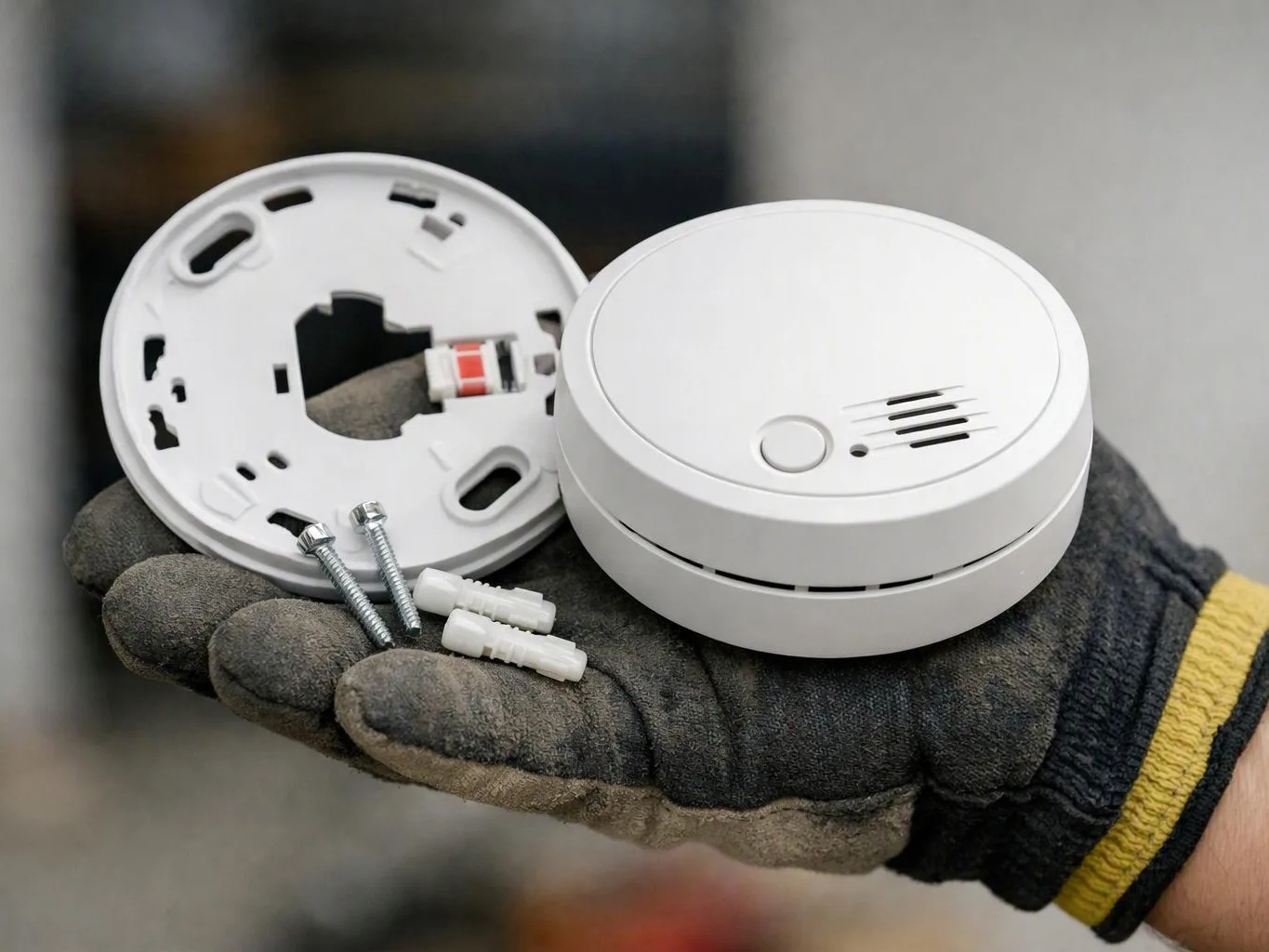
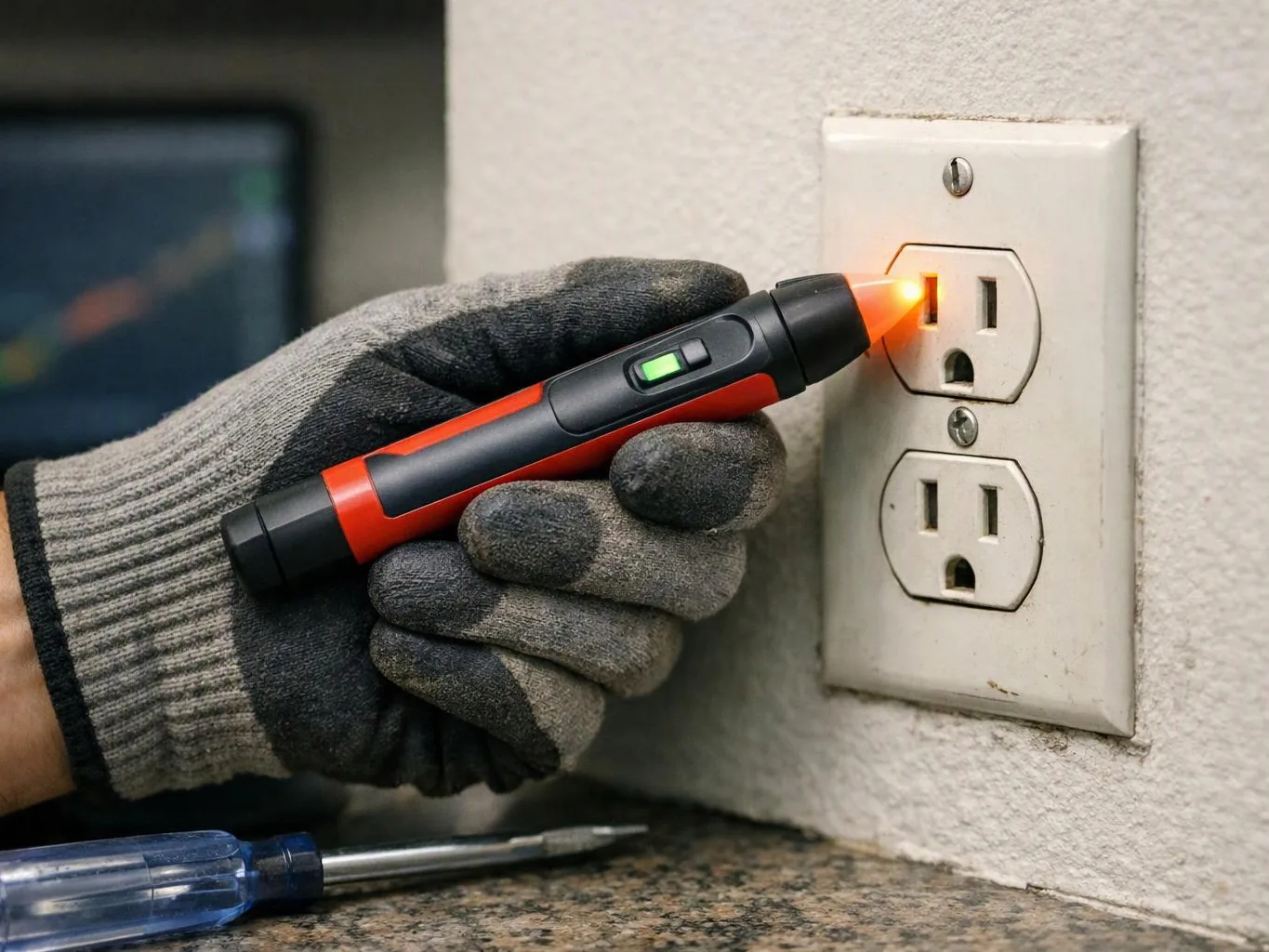
Smoke alarm testing helps confirm that each device responds through its test function. For a hardwired smoke detector, we examine the electrical wiring, power connection, and battery backup that support operation when normal power is interrupted.
We also review ceiling and wall placement, the mounting base, and the condition of accessible components. When interconnected alarms are present, our team checks the interconnect wire and alarm communication for signs of a connection fault.
If the system needs service, Smoke Detector Service can include testing, wiring review, device adjustment, or replacement planning based on the inspection findings.
How San Bernardino Electrician Approaches Smoke Detector Repair
Smoke detector repair begins with fault diagnosis so we can identify whether the problem involves the device, power supply, wiring, mounting, or alarm communication. San Bernardino Electrician checks the source of the fault before selecting corrective work.
Our team performs smoke alarm troubleshooting by reviewing test behavior, chirping patterns, visible connections, and system conditions. We then repair the electrical connection, correct the device issue, or identify a replacement that matches the existing system.
Replacement compatibility matters when alarms are interconnected or connected to existing wiring. We check device compatibility before recommending a smoke detector replacement so the new unit fits the system’s power and communication requirements.
When Should You Request Smoke Detector Service?
Smoke detector service should be requested when an alarm chirps repeatedly, fails a test, produces unexplained alerts, shows damage, or is affected by electrical or renovation work. We inspect the cause before deciding whether repair or replacement is appropriate.
You can use the test button when it is safe to do so, but do not disturb damaged wiring or unsafe mounting. Our crew handles ladder work, wiring checks, and repairs that require electrical access.
What Does a Smoke Detector Service Estimate Include?
A smoke detector service estimate should identify the inspection findings, required repair or replacement work, access conditions, compatible parts, and labor involved. We explain the work that addresses the identified fault so you can understand what the estimate covers.
The inspection scope may include device operation, power supply, battery backup, alarm interconnection, mounting, and accessible electrical wiring. The repair scope may include connection repair, device replacement, or corrections to installation conditions.
Replacement parts depend on the existing alarm system and its device compatibility. Electrical access and labor requirements depend on the location, wiring condition, and type of repair. San Bernardino Electrician provides Free Estimates Available for the work we identify.
Questions About Smoke Detector and Alarm Service
Can professional smoke detector service identify why an alarm keeps chirping?
Yes, San Bernardino Electrician can inspect the battery, power supply, wiring, device condition, and system connections to help identify why an alarm keeps chirping.
Can smoke detector service check interconnected alarms?
Yes, smoke detector service can check alarm interconnection, communication between devices, interconnect wiring, and the operation of connected alarms.
What should I do if a smoke alarm fails its test?
If a smoke alarm fails its test, stop relying on that device for protection and request smoke detector inspection to check its power, battery backup, wiring, and condition.
When does a smoke detector need repair instead of replacement?
A smoke detector may need repair when the fault is in an accessible electrical connection, mounting condition, or wiring issue that can be corrected safely; we assess device condition and compatibility before recommending the work.
Can electrical work affect hardwired smoke detectors?
Yes, electrical work can affect hardwired smoke detectors when power, wiring connections, mounting, or alarm interconnection is disturbed; we inspect the affected system and correct related faults.
Smoke detector service helps keep alarm operation, electrical connections, and early warning functions ready for the conditions your system is designed to address. Contact San Bernardino Electrician to request an inspection, repair review, or service estimate.
Request Smoke Detector Service