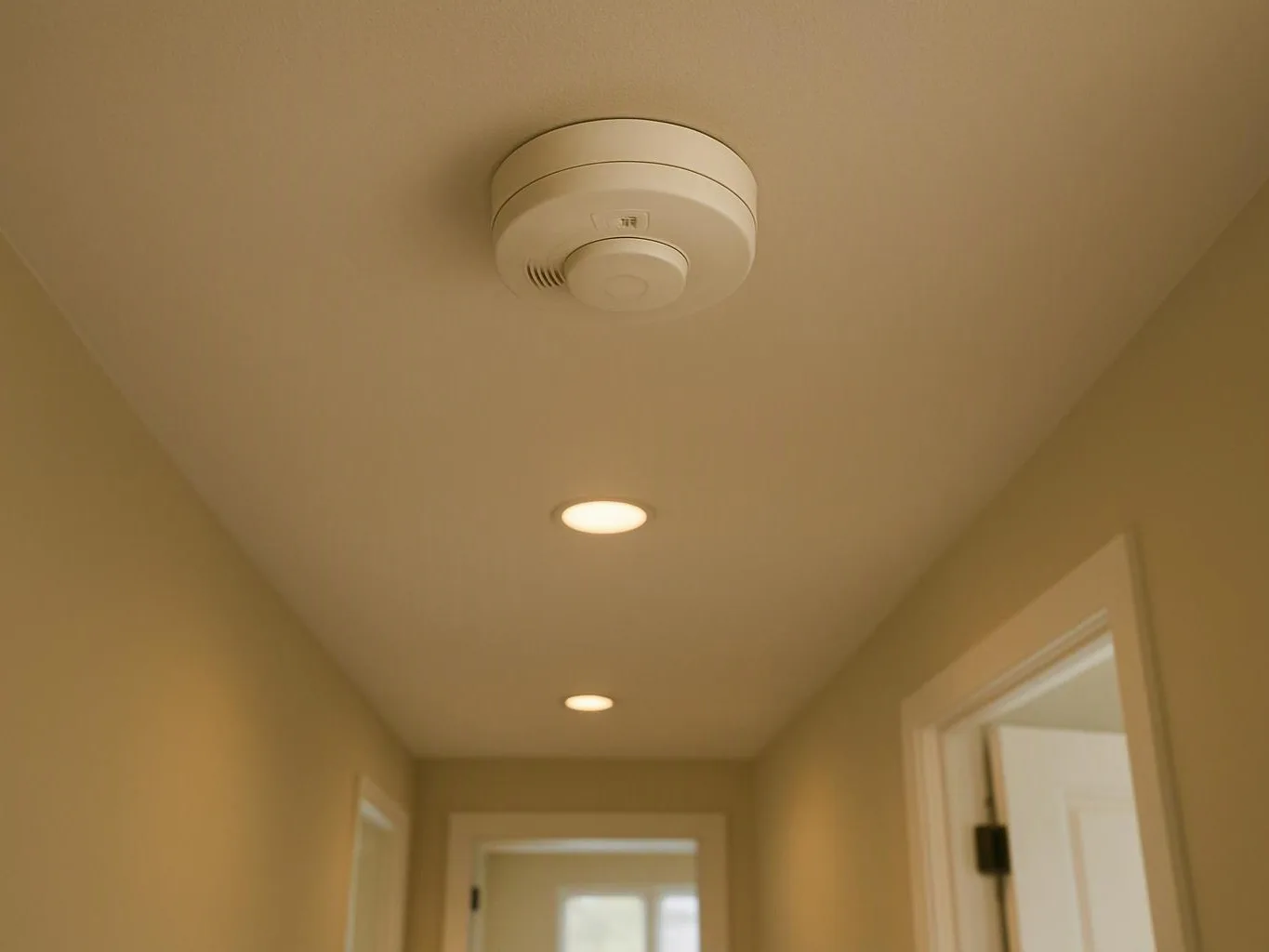
Emergency Fire Alarm Repair for Commercial Properties in San Bernardino, CA
Emergency fire alarm repair for commercial properties in San Bernardino, CA is handled by San Bernardino Electrician through fault diagnosis, fire alarm service, and smoke detector repair, with Free Estimates Available.
Get a Free Estimate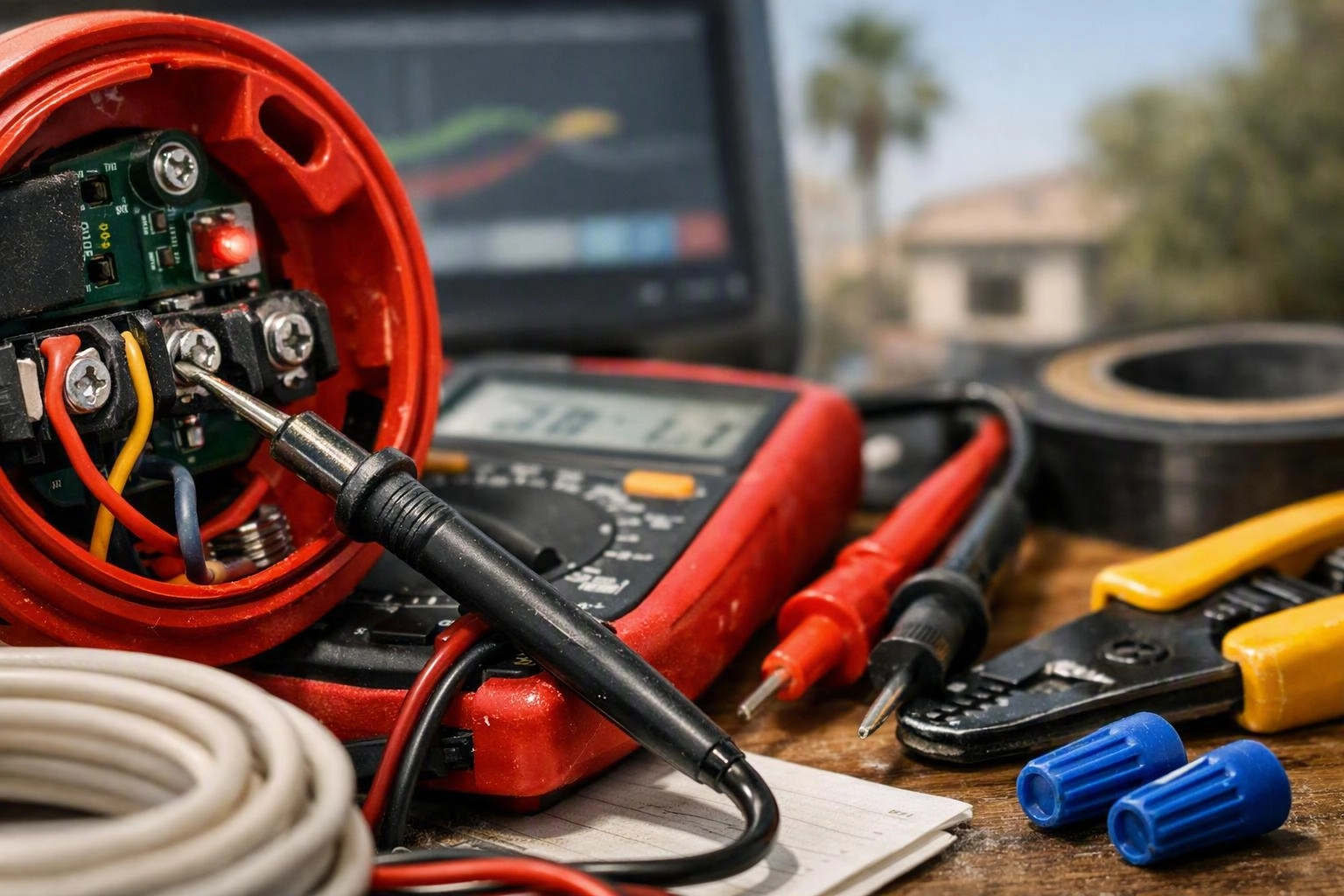
Commercial fire alarm repair protects business operations when a fire alarm system shows an alarm fault, trouble condition, or device failure. We trace the problem through the panel, devices, wiring, and power supply so the life-safety system can be evaluated safely.
Our team provides Fire Alarm Repair and related commercial electrical service for properties in San Bernardino, CA. We also provide Free Estimates Available before work proceeds.
Why Commercial Properties Need Emergency Fire Alarm Repair
Commercial properties need emergency fire alarm repair when a system problem can delay alarm notification or disrupt safe business operations. We inspect the affected equipment and identify the fault before repair work proceeds.
How Commercial Fire Alarm Needs Differ by Property Type
Commercial fire alarm repair depends on the property’s occupancy, system layout, device locations, and operational risks. We use those factors to guide fault diagnosis and system testing.
| What is being compared | Commercial properties | Other customers |
|---|---|---|
| Occupancy | Office buildings, retail properties, warehouses, and multifamily properties may have different risks. | A smaller system may serve fewer occupied areas. |
| System layout | The fire alarm panel may connect to devices across separate rooms, floors, or tenant spaces. | Devices may be arranged within a more limited area. |
| Device locations | Smoke detectors and notification devices may be installed in high or restricted areas. | Access may involve fewer locations. |
| Operational risk | An alarm fault can affect occupants, inventory, tenant activity, and business interruption. | The impact may be limited to a smaller occupancy. |
| Testing needs | We may need to verify panel signals, initiating devices, and notification appliances together. | Testing may focus on fewer connected components. |
What We Check During Commercial Fire Alarm Repair
Commercial fire alarm repair starts with tracing the reported fault through the control panel, connected devices, wiring, and power supply. We review the fire alarm control panel for alarm history, trouble signals, and indications tied to a specific circuit or device.
Our team then checks the initiating device, notification appliance, and smoke detector connected to the affected point. We inspect electrical wiring and the power supply for loose connections, damage, or conditions that can interrupt reliable operation.
Where lower-elevation developed properties experience higher seasonal electrical demand, breaker, panel, wiring, and dedicated-circuit condition can matter when a fire alarm fault involves the building’s electrical supply. We include those related electrical conditions in our assessment when they affect the reported system problem.
Fire Alarm Features That Matter in Commercial Buildings
Commercial fire alarm features matter because each component supports detection, notification, or system supervision. We check the feature connected to the reported symptom and verify its response after repair.
Common Commercial Fire Alarm Repair Challenges
Commercial systems can develop faults that are intermittent, difficult to access, or connected to more than one device. We isolate the reported symptom and follow the signal to its source.
When Fire Alarm Service Requires Immediate Attention
A commercial fire alarm system requires immediate attention when an alarm, trouble signal, detector fault, or wiring problem compromises reliable notification. We assess the condition and identify whether the problem involves the fire alarm control panel, field device, electrical wiring, or power supply.
A fire alarm failure can leave occupants without dependable warning. A repeating trouble signal, smoke detector fault, or unwanted alarm can also create a commercial safety risk and business interruption.
Properties in foothill and upland areas may face wind and wildfire-related interruptions that affect outdoor electrical equipment. When those conditions affect the fire alarm system, our team includes safe electrical fault assessment in the service plan.
How We Diagnose and Repair the System
Our commercial fire alarm troubleshooting process follows the alarm fault from the panel to the affected equipment. We explain the condition we find and verify the system after the repair.
We provide Free Estimates Available before work proceeds when the repair scope can be evaluated during the service visit. The estimate reflects the observed fault, access needs, parts, and testing required.
What Changes the Cost of This Commercial Fire Alarm Job?
The cost of commercial fire alarm repair depends on the fault location, system complexity, required parts, access, and the amount of testing needed; we provide Free Estimates Available before work proceeds.
A fault inside the fire alarm panel may require a different repair scope than a failed smoke detector, damaged wiring, or a notification appliance problem. Device locations, property access, replacement parts, and coordination with building operations can also change the work involved.
Our team reviews the affected equipment and explains what the service estimate includes before work begins. We do not use a broad assumption when the system requires tracing across multiple components.
Why San Bernardino Electrician Handles Commercial Fire Alarm Service
San Bernardino Electrician provides commercial electrical service that includes fire alarm repair and smoke detector repair for commercial properties in San Bernardino. We approach the system as connected life-safety equipment, so our checks cover the panel, devices, wiring, and power supply.
Our team connects fire alarm troubleshooting with related electrical conditions when the building supply may affect system operation. We explain the fault in plain language and prepare a service estimate based on the actual system condition.
How to Request Commercial Fire Alarm Repair
To request commercial fire alarm repair, provide the property type, alarm symptoms, affected devices, and access details so we can scope the work and prepare an estimate. Include whether the panel shows an alarm fault, trouble signal, smoke detector fault, or unwanted alarm.
Property access information helps our team plan for panel locations, restricted rooms, high devices, and tenant areas. Photos of the panel display or device label can also help us understand the reported condition before the visit.
Contact San Bernardino Electrician to discuss the commercial property and request Fire Alarm Service. We will use the available details to organize fault diagnosis, repair, device replacement, and system verification.
Request Commercial Fire Alarm RepairQuestions About Commercial Fire Alarm Repair
Can you repair a commercial smoke detector that keeps showing a trouble signal?
Yes, San Bernardino Electrician can diagnose a commercial smoke detector that keeps showing a trouble signal by checking the detector, fire alarm panel, wiring, and power supply. We identify whether cleaning, wiring repair, or device replacement is needed and verify the signal after service.
What information should I provide when requesting emergency commercial fire alarm repair?
Provide the commercial property type, panel message, alarm symptoms, affected devices, and property access details. Photos of the fire alarm panel display and information about recent electrical work can also help our team scope the service.
What changes the price of a commercial fire alarm repair job?
The price depends on the fault location, system complexity, replacement parts, access requirements, and testing needed after repair. We inspect the reported condition and provide Free Estimates Available before work proceeds.
Can a faulty fire alarm panel cause repeated false alarms?
Yes, a faulty fire alarm panel can contribute to repeated false alarms when the panel, connected wiring, power supply, or initiating device sends an incorrect signal. We trace the alarm fault through the system and test the repaired components.
Emergency commercial fire alarm repair starts with clear symptoms and safe property access. San Bernardino Electrician provides fire alarm troubleshooting, smoke detector repair, and related commercial electrical service for properties in San Bernardino, CA.
Contact our team to request an estimate and discuss the system condition.