Landscape Lighting Repair: Diagnosis, Cost Factors, and Process in San Bernardino, California
Landscape lighting repair in San Bernardino, California involves diagnosing the power supply, transformer, wiring, connections, fixtures, and controls before we recommend a repair or replacement. San Bernardino Electrician explains the cost drivers, preparation steps, repair process, and how to request a quote with Free Estimates Available.
Get a Free Estimate
Landscape lighting repair is diagnosed and completed through an electrical troubleshooting, repair, and verification process in San Bernardino, California. We inspect the system before choosing a repair path so the quote matches the actual fault.
What Landscape Lighting Repair Includes
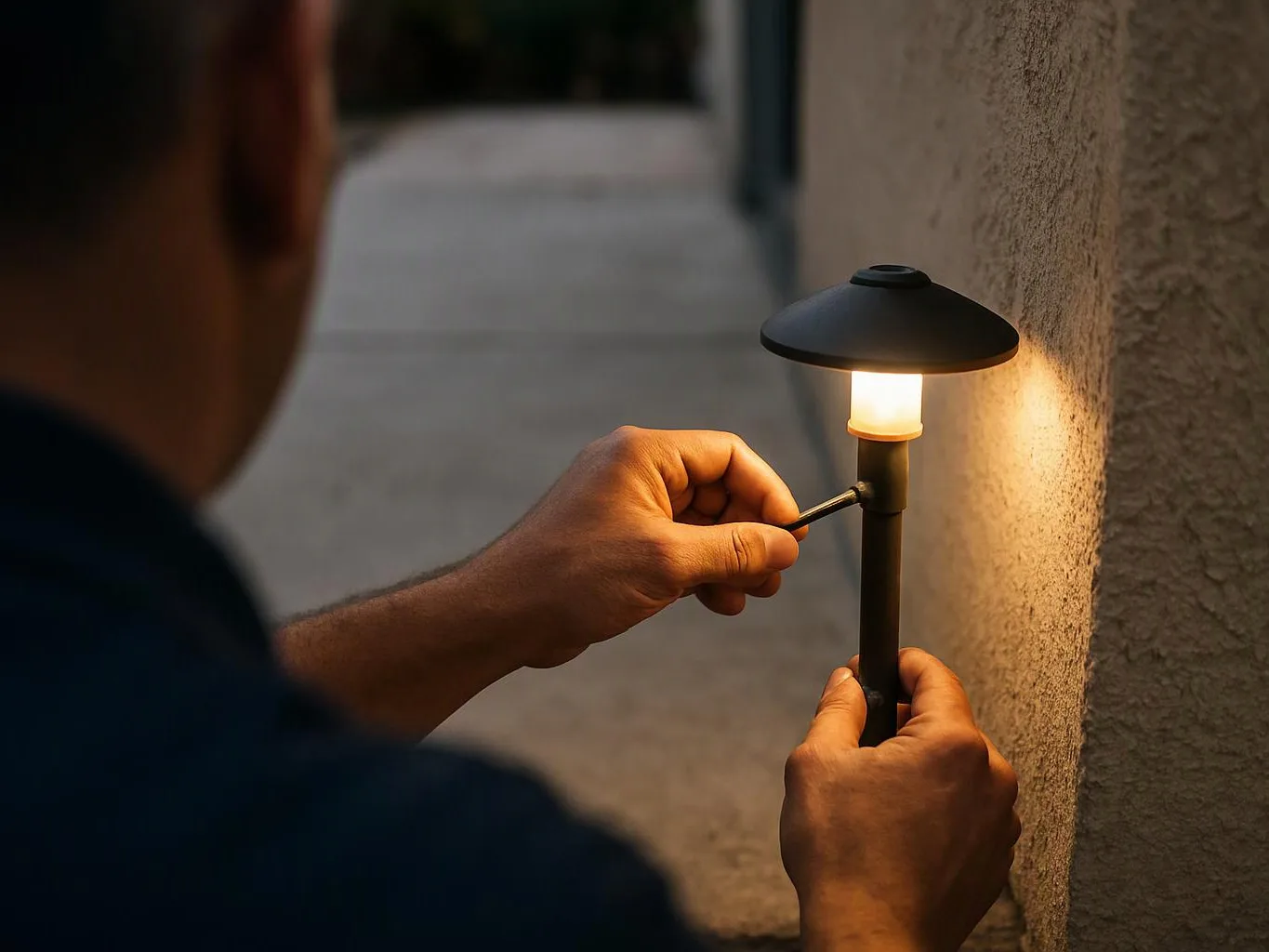
A landscape lighting system is an outdoor electrical system that uses a power source, controls, wiring, and fixtures to illuminate a property. We examine the complete system because a dark fixture may be caused by a problem elsewhere.
Our inspection can include the low-voltage transformer, buried electrical cable, wire connections, landscape lighting fixtures, and lighting controls. We look for loose or corroded connections, water intrusion, fixture failure, and control problems before recommending work.
What on a Landscape Lighting Repair Job Changes the Cost?
Landscape lighting repair cost changes with the fault location, system access, damaged components, wiring condition, and whether repair or replacement is appropriate. We inspect these factors before preparing a quote, and Free Estimates Available.
Diagnostic work may be straightforward when the fault is easy to access and isolated to one connection. Buried wiring, difficult access, damaged fixtures, a failing transformer, and replacement parts can require more involved work.
We also consider whether the existing components work together. A repair quote explains the diagnosis, repair scope, parts that may be needed, and any wiring work required to restore the system.
How We Diagnose a Landscape Lighting Failure
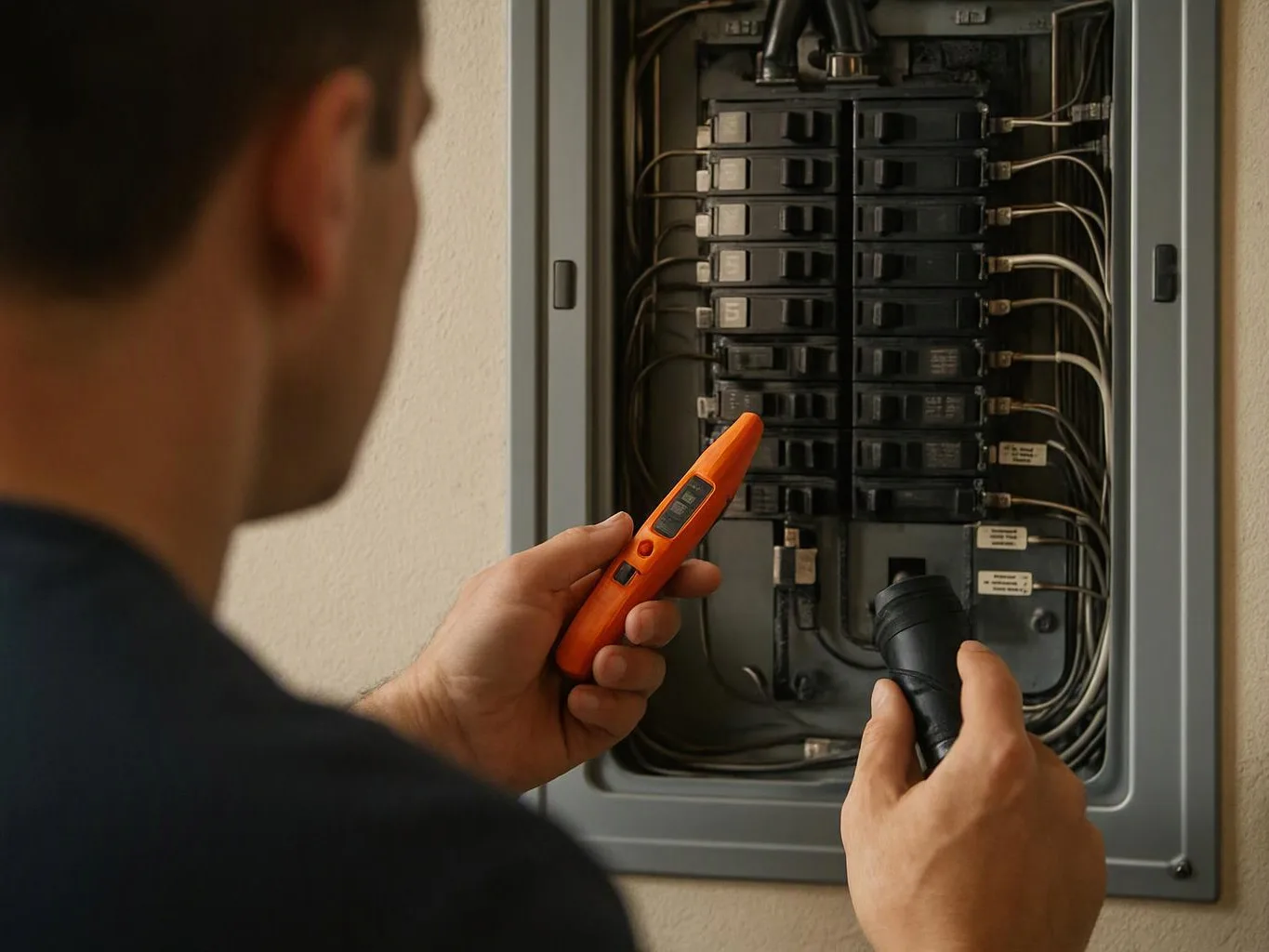
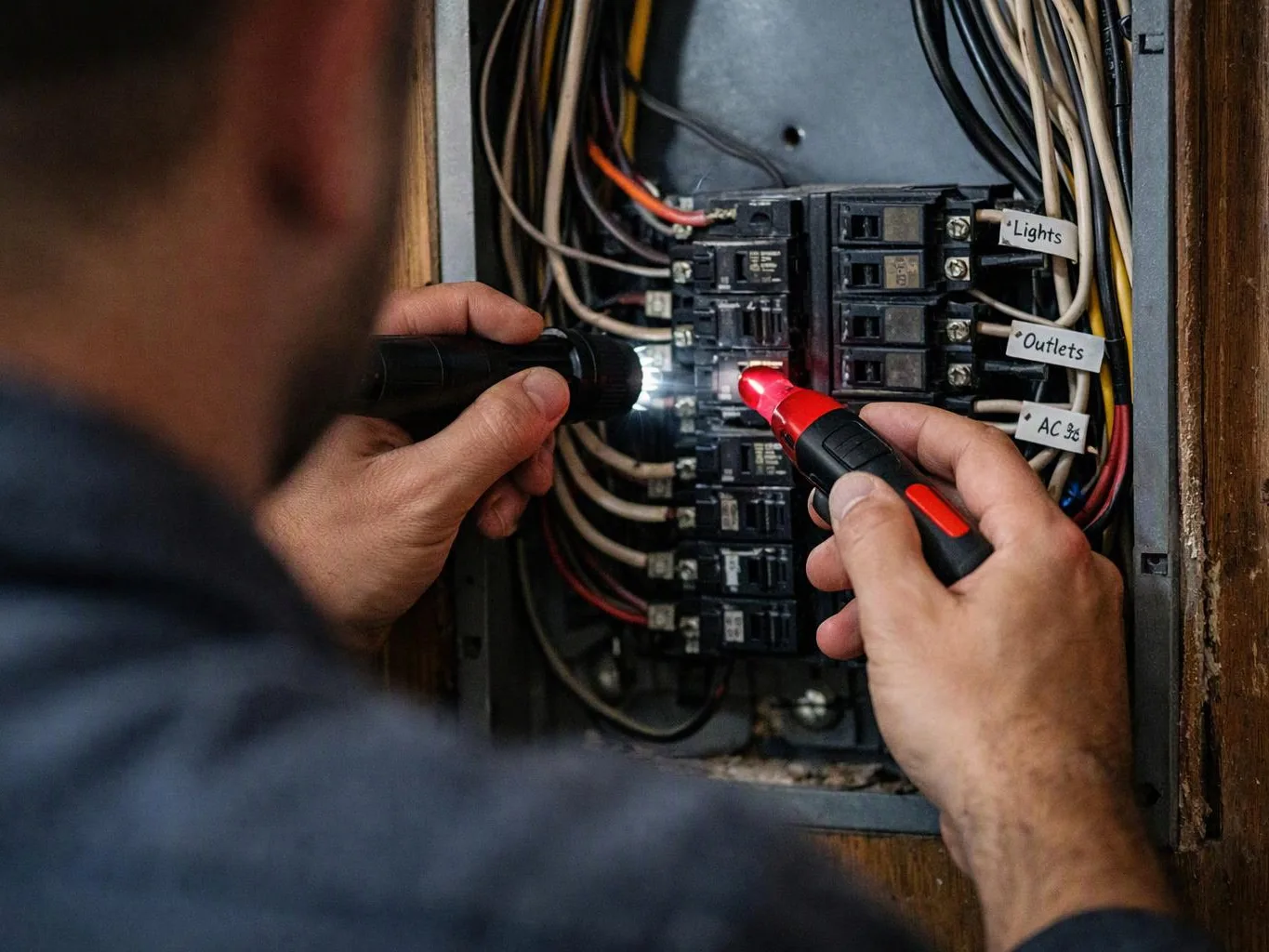
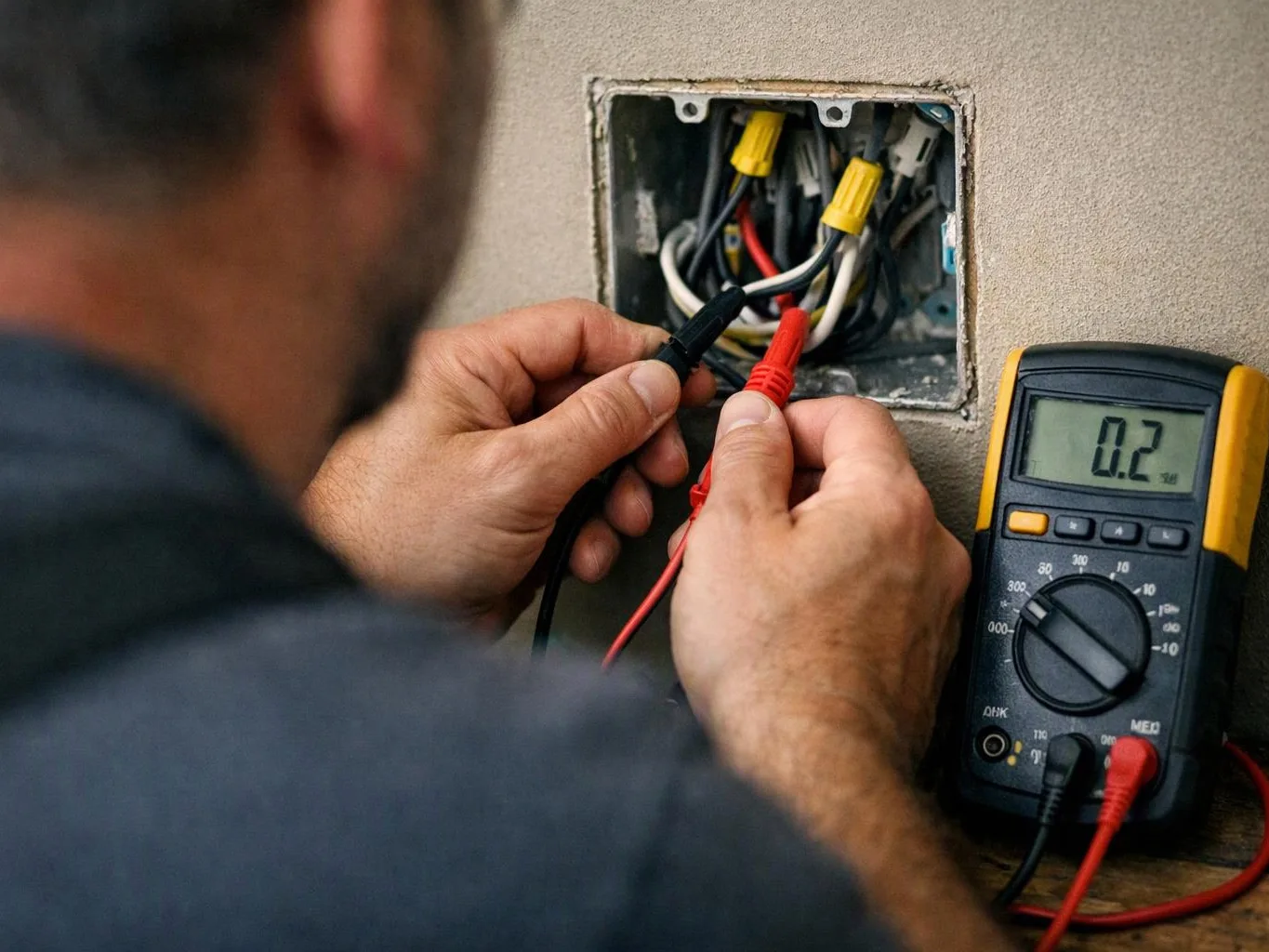
Electrical troubleshooting identifies where power stops reaching the landscape lighting system. Our team tests the system in an orderly way so we do not replace a working part without checking the rest of the circuit.
These checks help us separate a supply issue from a wiring fault, control problem, or fixture failure. We use the findings to prepare a repair recommendation that fits the actual condition of the system.
What to Prepare Before We Inspect the Lighting
Preparing the property helps us reach the system and understand the symptoms safely. You can complete the following steps before our team arrives.
Do not dig for buried cable or open electrical equipment to locate the fault. Our crew handles testing and exposed electrical work with electrical safety in mind.
Landscape Lighting Repair Process From Diagnosis to Testing
Our process connects the site review to a clear repair decision. The work time depends on access, fault location, wiring condition, and the parts required, so we confirm the scope after diagnosis.
The table below shows what we review and how each item can affect the repair decision. It gives you a clear view of the information behind the quote.
| Inspection area | Why it matters |
|---|---|
| Transformer and power source | Shows whether the system receives suitable power. |
| Buried cable and wire connections | Helps locate opens, corrosion, water intrusion, or damaged sections. |
| Fixtures and lamps | Shows whether the fixture can be repaired or needs replacement. |
| Timers, photocells, and controls | Confirms that the system receives the correct operating command. |
Repair or Replacement: Which Option Fits the Fault?
Landscape lighting repair is appropriate when the system has a localized, serviceable fault; replacement becomes more suitable when a component is damaged, incompatible, or no longer practical to restore. We base the recommendation on testing and component condition.
We may recommend fixture replacement when the housing, lamp socket, or internal parts are damaged. Transformer replacement may fit a failed unit or a system with compatibility problems.
Wiring repair can make sense when the cable route and connections are serviceable. Corrosion, repeated water intrusion, or broad cable damage can change the repair versus replacement decision.
How We Confirm the Landscape Lighting Works Safely
Final testing confirms that the repaired landscape lighting operates as intended and that the electrical connections remain secure. We do not treat a single illuminated fixture as proof that the entire system is ready.
Our team checks the transformer settings, fixture operation, cable routing, controls, and accessible connections. We look for loose connections and conditions that could expose the system to damage.
We complete final testing across the affected lighting circuit and explain any remaining condition that needs attention. This verification helps confirm that the repair addresses the diagnosed fault.
Request a Landscape Lighting Repair Quote in San Bernardino, California
San Bernardino Electrician provides landscape lighting repair with diagnosis, a defined repair scope, and a quote based on the system condition. Free Estimates Available.
Share the symptoms, fixture locations, recent landscape changes, and access details when you contact us. We will use that information to plan the inspection and explain the repair or replacement choice.
Contact San Bernardino Electrician to request your landscape lighting repair quote in San Bernardino, California.
Questions About Landscape Lighting Repair
Can landscape lighting repair correct a system where only some fixtures work?
Yes, landscape lighting repair can correct partial operation when testing locates a serviceable fault in the wiring, connections, controls, transformer, or affected fixtures. San Bernardino Electrician tests the working and failed sections to identify the cause before recommending repair or replacement.
What should I do before San Bernardino Electrician inspects landscape lighting?
Provide access to the transformer and controls, note which fixtures fail, share recent landscape changes, and keep people away from exposed wiring or damaged equipment. Do not dig for buried cable or open electrical equipment before our inspection.
When does a landscape lighting transformer need repair or replacement?
A landscape lighting transformer needs repair or replacement when testing shows a fault, unsuitable output, damage, or compatibility problems that prevent reliable system operation. We confirm the transformer condition and compare it with the wiring, fixtures, and controls before making the recommendation.
Related Resources
Signs Your Outdoor and Landscape Lighting Has Electrical Damage in San Bernardino, CA
What's RequiredLandscape Lighting Repair Checklist: What to Check Before Calling
What to AvoidLandscape Lighting Repair Mistakes That Cause Repeat Outages
Why It MattersLandscape Lighting Benefits: Safety, Curb Appeal, and Outdoor Usability