Smoke Detector Service and Fire Alarm Repair: When to Call an Electrician
Smoke detector service and fire alarm repair address connected safety systems, and San Bernardino Electrician checks the power, devices, wiring, alarms, and system response to identify the right repair.
Get a Free EstimateWhat Smoke Detector Service and Fire Alarm Repair Cover
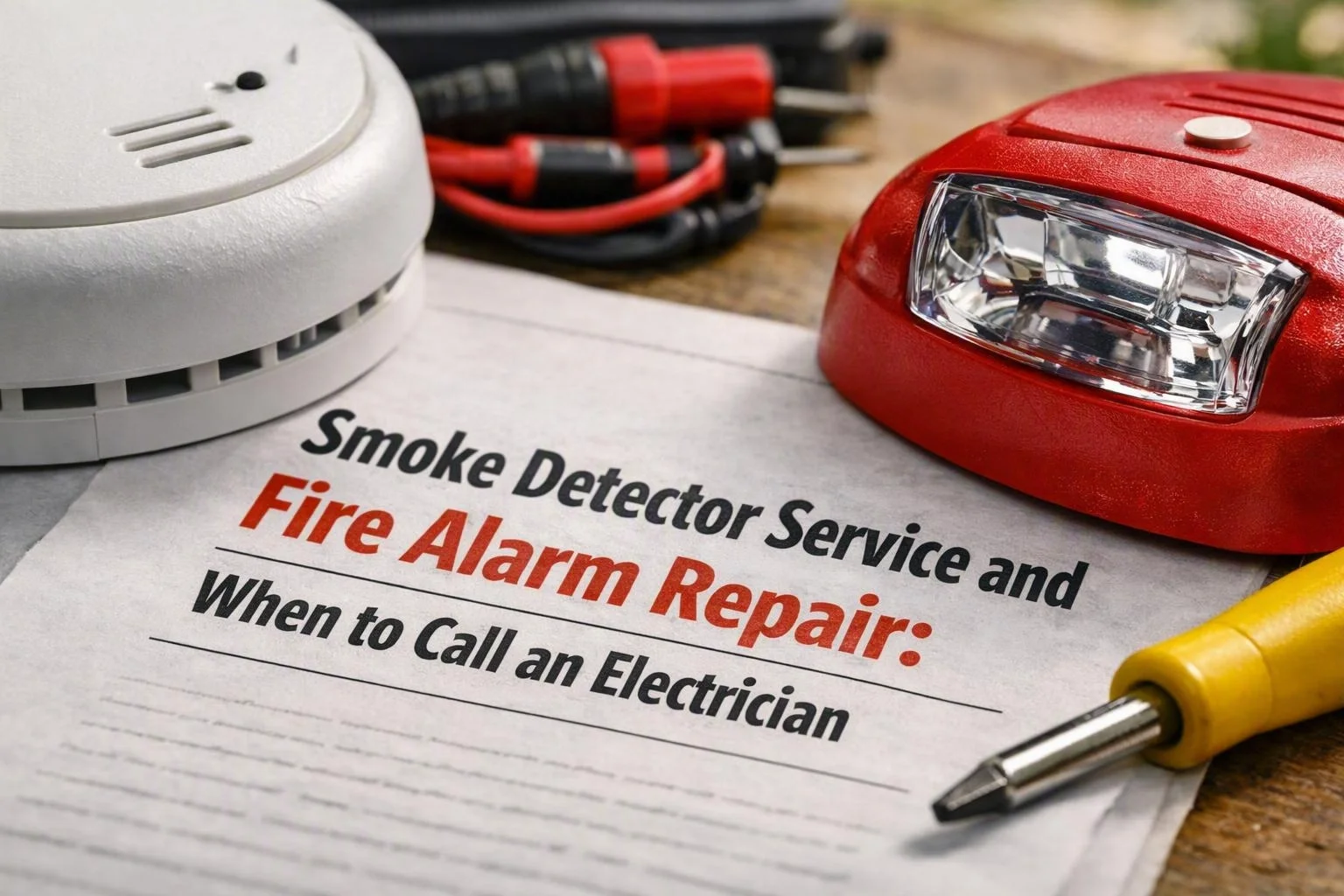
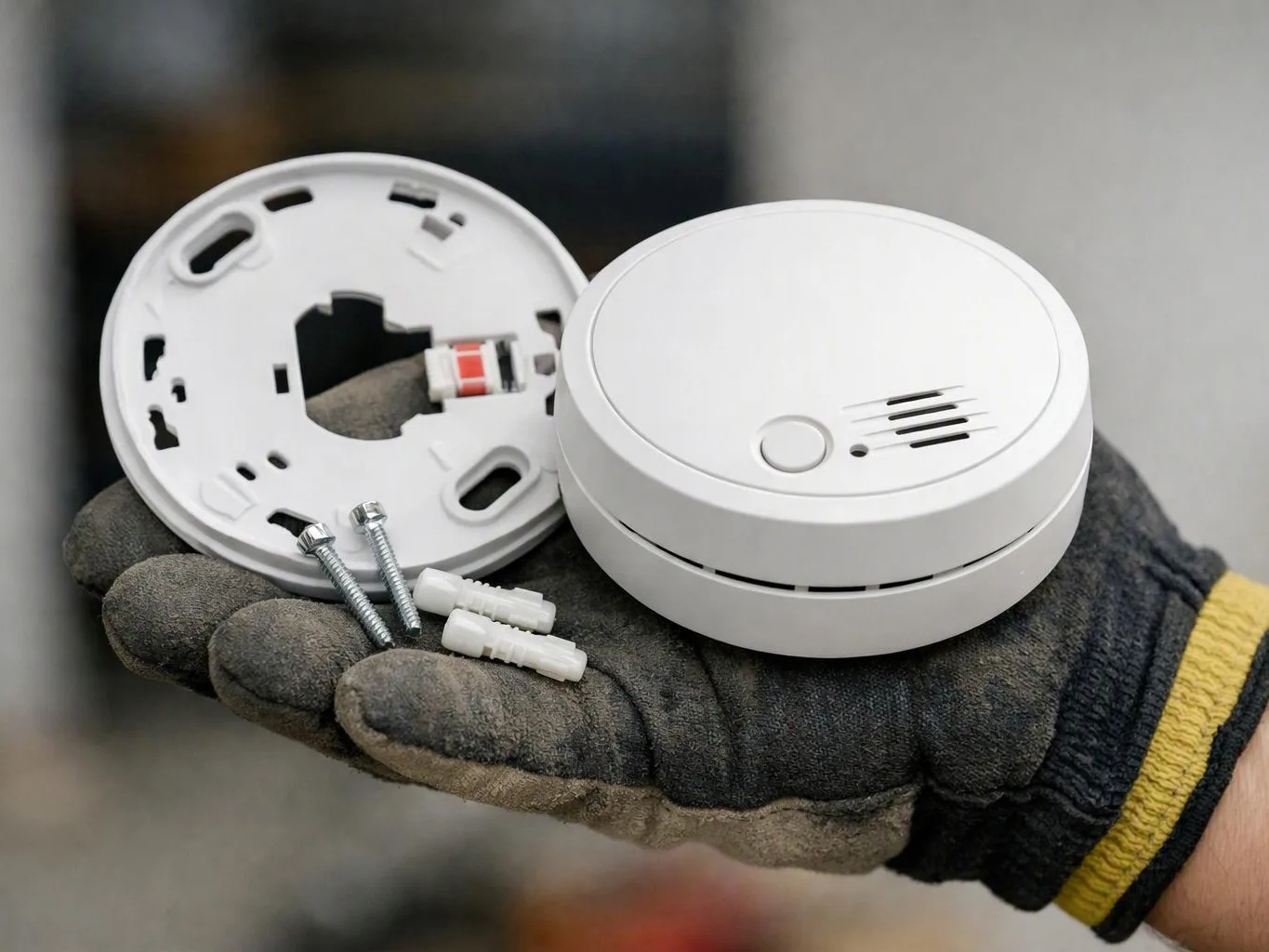
Smoke detector service covers the smoke detector, alarm device, power supply, and connections that allow the unit to sense smoke and sound an alarm. We inspect the device and its electrical connection to determine whether cleaning, testing, battery work, or detector replacement is needed.
A fire alarm system connects alarm devices through electrical wiring and may include a fire alarm control panel. Our team checks how those parts communicate, whether the circuit supplies stable power, and whether the system responds correctly during testing.
For connected equipment, we can also assess Fire Alarm Repair when a device symptom points to wider alarm troubleshooting.
When Do You Need Both Services Together?
You may need both services when a detector symptom could involve the wider alarm circuit, shared wiring, power source, or control equipment. We use the symptom to decide whether the work should include both the device and the connected fire alarm system.
Common situations include the following:
Which Warning Signs Should You Treat as an Electrical Problem?
An alarm that chirps, fails to respond, activates without an obvious cause, or shows a fault indicator needs an electrical assessment before the device is replaced. We trace the symptom through the device, circuit, power source, and connections.
A chirping detector can have a depleted backup battery, a power interruption, a loose connection, or an internal fault. An intermittent alarm may point to wiring movement or unstable power.
An alarm failure can also follow a circuit interruption or a fault indicator at the panel. We complete alarm troubleshooting and device testing so the repair addresses the cause.
How Do Smoke Detector Service and Fire Alarm Repair Work Together?
The services work together by connecting device testing with circuit diagnosis, system repair, and a quote based on the equipment and electrical work involved. Our team links each test to the system response before recommending corrective work.
What Does an Electrical Inspection Check?
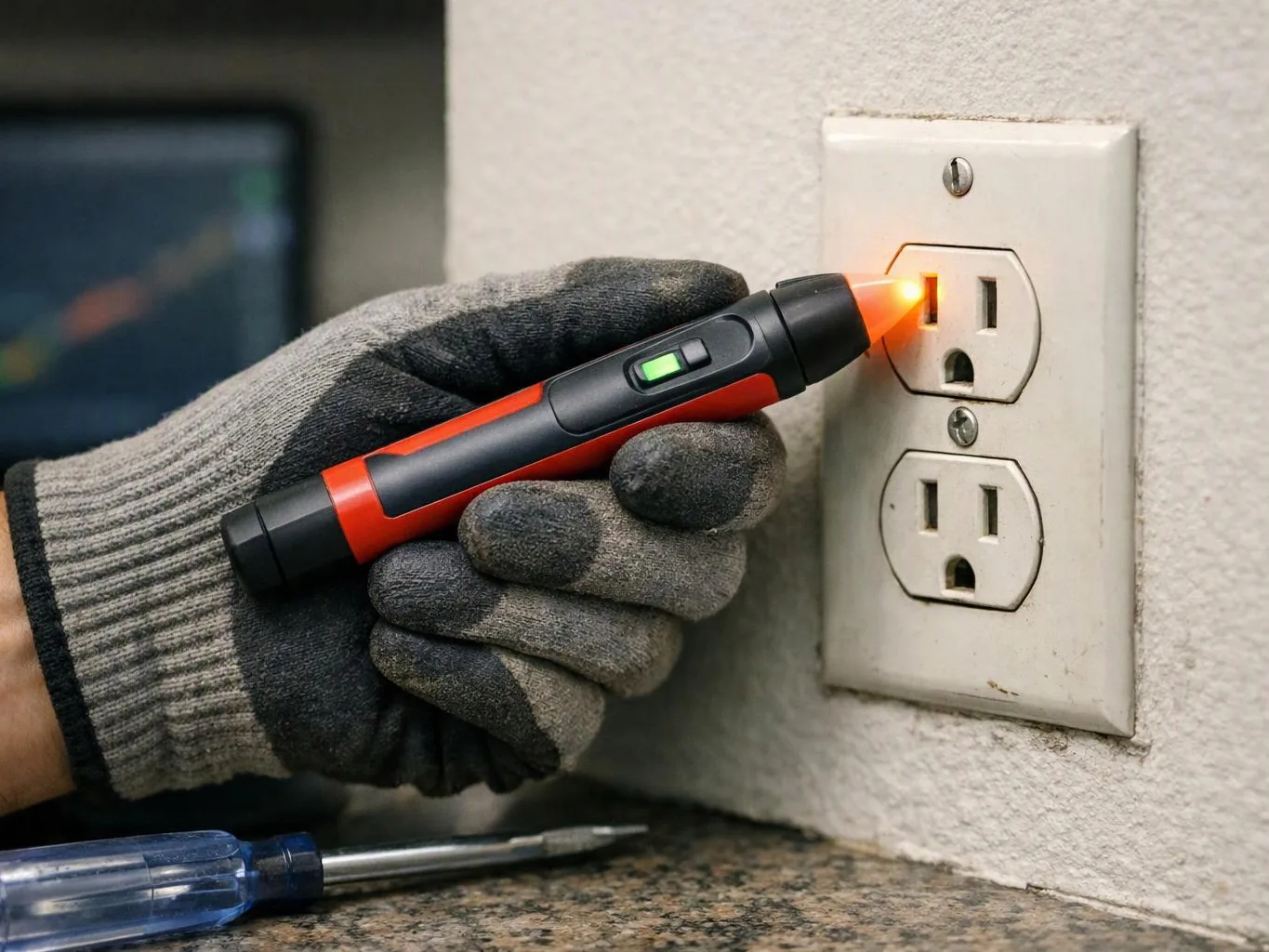
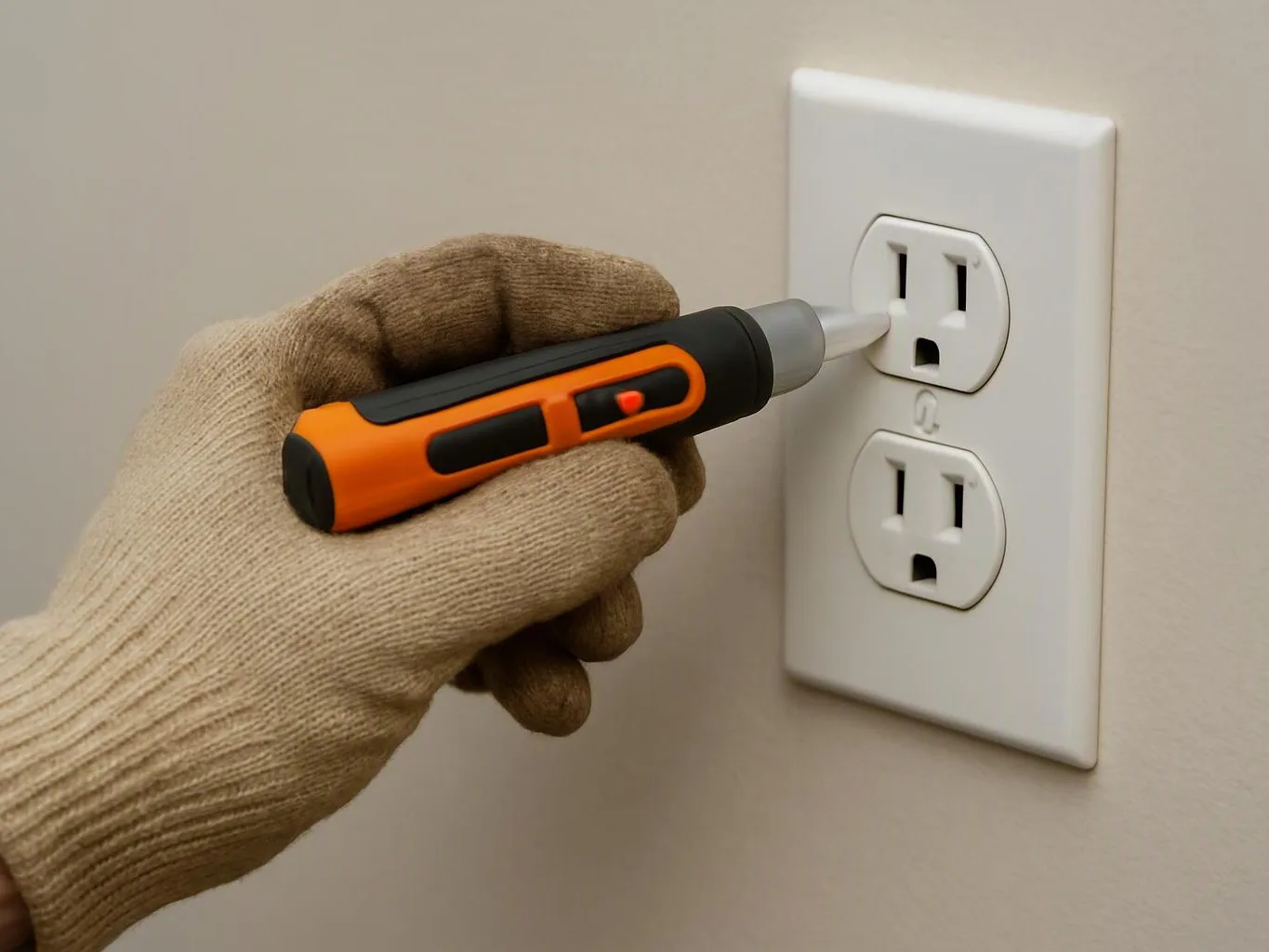
An electrical inspection checks smoke detector wiring, the junction box, the breaker, low-voltage wiring, alarm communication, and grounding. We follow the circuit from its power source to the alarm device and control equipment.
The inspection looks for loose wiring, damaged insulation, an open connection, or a breaker condition that affects system power. We also check whether alarm communication reaches the fire alarm control panel and whether the grounding path is suitable for the equipment.
These checks help separate a smoke alarm maintenance issue from an electrical safety service need. Our findings guide the repair plan and any required detector replacement.
What Happens During Smoke Detector and Fire Alarm Repair?
Smoke detector and fire alarm repair starts with the reported symptom and ends with a system test that confirms the repair. We explain the condition found at each stage before corrective work proceeds.
What Changes the Cost of This Repair?
The cost changes with the number of affected devices, wiring access, circuit condition, replacement requirements, and whether the fault reaches the alarm control equipment; San Bernardino Electrician provides Free Estimates Available before work is planned.
The repair scope may stay limited to a detector or extend through alarm wiring, a power supply, a circuit, or the control panel. Access behind finished surfaces can also affect the work needed to inspect or repair wiring.
Our estimate explains the equipment, parts, testing, and electrical work included so you can understand what the proposed repair covers.
When Should You Call San Bernardino Electrician?
Call San Bernardino Electrician when a hardwired detector, interconnected alarm, or fire alarm panel continues to malfunction after safe user checks. We provide a professional diagnosis when the issue may involve electrical safety or system communication.
A persistent alarm fault can involve a hidden connection, circuit interruption, backup battery, or control-panel signal. Our team tests the connected equipment before selecting a repair.
What Can You Safely Check Before Service?
You can complete simple visual and user-level checks without opening electrical equipment or changing alarm wiring. Stop and contact San Bernardino Electrician if the check reveals an electrical hazard.
How Can You Request the Right Service?
Request smoke detector service or fire alarm repair by describing the symptom, device location, alarm type, and any panel message. We use those details to prepare for the right electrical inspection and device testing.
Tell us whether the equipment is a hardwired alarm, an interconnected smoke detector, or part of a larger fire alarm system. Include recent battery changes, power interruptions, false alarms, and visible fault indicators.
San Bernardino Electrician can review the reported condition, explain the repair estimate, and identify whether the work involves detector replacement, alarm wiring, circuit testing, or control equipment.
Questions About Smoke Detector and Fire Alarm Repair
Can a hardwired smoke detector cause repeated false alarms?
Yes, a hardwired smoke detector can cause repeated false alarms when the device, circuit, wiring, power supply, or connected alarm system has a fault. San Bernardino Electrician tests the detector and the wider circuit to identify the source.
Why does a smoke detector keep chirping after the battery is replaced?
A smoke detector can keep chirping after battery replacement because of a power interruption, loose connection, backup battery issue, end-of-life condition, or internal device fault. We test the power supply and alarm wiring before recommending replacement.
Can one faulty detector affect interconnected smoke alarms?
Yes, one faulty detector can affect interconnected smoke alarms when it sends an incorrect signal or disrupts the shared alarm circuit. We test the affected device, connections, and system response.
What should I do if a fire alarm panel shows a fault?
A fire alarm panel showing a fault needs prompt system diagnosis, especially when the cause is not clear from safe user checks. Record the panel message, avoid disconnecting the system, and contact us for alarm panel testing and repair.