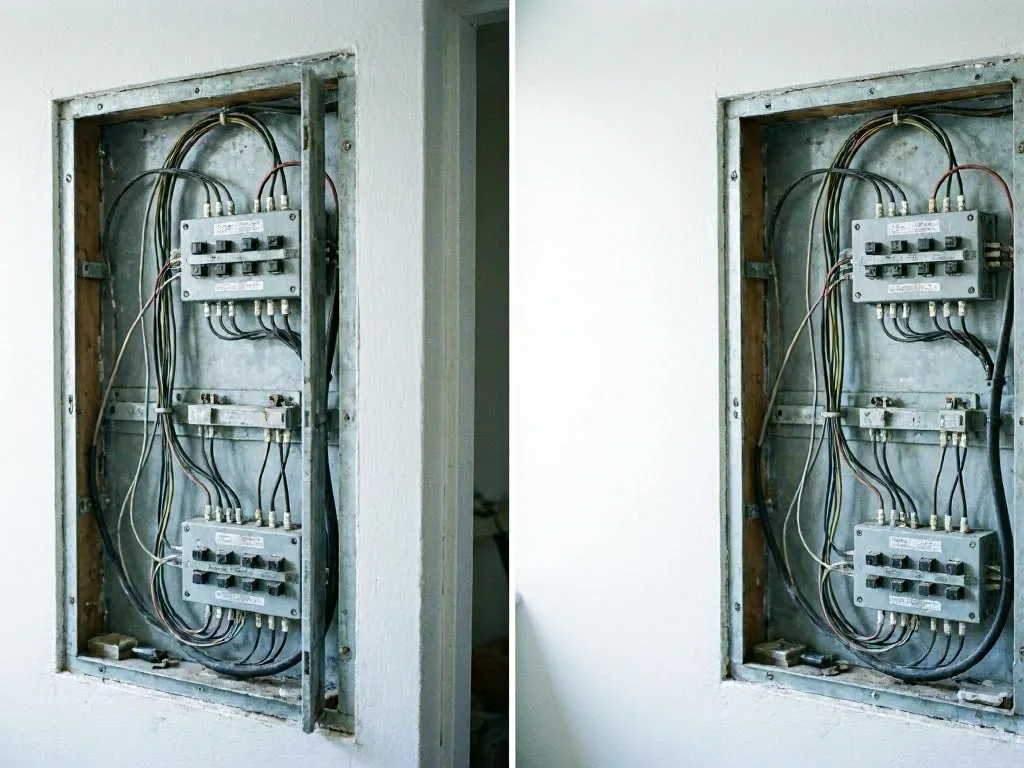
Your Commercial Electrical Maintenance Checklist Before a Service Visit
A commercial electrical maintenance checklist helps facility managers prepare for service visits. Confirm the request and list affected circuits or fixtures. Clear access to electrical panels and gather past service records. Note recent failures and other warning signs. During the visit, provide approved access and explain the symptoms. Don’t try to make repairs yourself. Afterward, review the findings, repairs, test results, and follow-up dates. This process supports safer circuit breaker repair, lighting repair, and fire alarm service. It can also reduce delays. SanBernardino-Electrician.com helps teams plan electrical work around normal business hours.
Get a Free Estimate
Why Use a Commercial Electrical Maintenance Checklist?
Commercial electrical maintenance checklists keep key details in one place. They cover access, safety steps, equipment, and service needs. Facility managers can explain symptoms and protect daily operations.
A written plan turns a broad complaint into useful details. “The lights fail” gives little information. Note the floor, fixture type, failure time, and other power loss. These details help the technician find the right circuit, panel, or control system.
The checklist also supports workplace safety. It reminds staff to protect restricted rooms and plan shutdowns. It keeps people away from hot, damaged, or live equipment. It supports facility care and electrical safety. It doesn’t replace qualified electrical work.
Use the same record for planned care and urgent calls. Repeated breaker trips may point to a wider problem. Failed emergency lights can show the same issue. Alarm messages may also need more study.24 Hour Electrician may help with urgent safety concerns after hours. Planned work can follow during an approved service window.
Before the Electrician Arrives: Preparation Checklist
Before an electrical service visit, document the symptoms and affected equipment. Clear access to panels and fixtures. Gather past service records. Notify staff and building occupants. These steps give the electrician useful facts. They also reduce delays during circuit breaker, lighting, or fire alarm service.
Use the lists below as a practical commercial electrical service checklist. Adjust them for your building and work hours. Follow your security rules and protect key equipment. Don’t open panels or remove covers. Don’t test live parts yourself.
Before
During
After
Small service visits may fit within one short work window. Larger buildings may need several planned shutdowns. The time depends on access, tests, parts, and system type. It also depends on whether people must stay inside.
What Should the Electrician Inspect During the Visit?
An electrician should inspect the reported circuit, panel, wiring, safety parts, and connected load. The review should match the reported symptoms. It may also cover grounding, panel labels, heat damage, loose connections, and overloaded circuits.
The inspection should link the symptom to the right equipment. A failed outlet may involve a branch circuit. A dark lighting zone may involve controls, wiring, or a power issue. A visual check alone cannot prove safe operation. The technician should record suitable test results.
Tell the technician about equipment that cannot shut down without planning. Servers, refrigeration, production machines, and security systems may need a controlled shutdown. Some sites may need temporary power or another visit.
Circuit Breaker and Panel Checks
Circuit breaker and panel checks look for trip patterns and heat. They also check damaged parts, loose connections, bad labels, overloads, and faults. The electrician decides if a reset is safe. Circuit breaker repair, part replacement, wiring work, or more testing may be needed.
Testing may check overload protection, an arc fault, a short circuit, or a ground fault. The technician may inspect wire ends, bus connections, the panel case, grounding, and labels. A breaker that trips often needs a cause found.
A business may request Circuit Breaker Repair in San Bernardino after losing production power several times. The right step is diagnosis, not repeated resets. An overloaded circuit may need load changes, wiring work, equipment repair, or an upgrade.
Lighting and Fire Alarm System Checks
Commercial lighting and fire alarm checks cover failed fixtures, lamps, drivers, switches, and emergency lights. They also cover alarm panels, detectors, pull stations, horns, strobes, and system links. The provider should record test results. The report should list needed repairs or added specialist work.
Lighting checks may cover dimmers, sensors, damaged wires, mounting, and light output. Lighting Repair may include emergency units that fail a test. A commercial lighting maintenance checklist should list fixture locations and dark areas.
Life-safety checks may include the fire alarm control panel and smoke detectors. They may also include pull stations, horns, strobes, and other alarm devices. Fire alarm service must follow site rules and current requirements. Don’t silence, disconnect, or bypass a device without approved direction.
Red Flags to Report Before Service
Report electrical warning signs before routine service begins. Burning odors, sparks, smoke, water, hot panels, and repeated trips may signal danger. Alarm trouble signals may also need fast action. Keep people away and follow your emergency steps.
If smoke, fire, active arcing, or danger exists, move people away. Follow the building’s emergency response process. Don’t wait for a planned visit. Don’t touch wet electrical equipment. Tell the provider what happened. Say if emergency responders or building managers were contacted.
How to Document the Service Visit Afterward?
After the visit, record the symptom, equipment, findings, repairs, and test results. Note remaining risks and needed follow-up. A clear record helps teams track repeat failures. It also helps them plan service and rank repairs.
Ask for notes that another technician can understand. Use equipment labels, room names, panel numbers, and dates. Don’t write vague notes like “fixed lights.” Keep reports, service records, photos, test forms, and repair advice with the building records.
| Record field | What to note | Why it matters |
|---|---|---|
| Reported symptom | Date, time, location, frequency, and work conditions | Shows the pattern for later checks |
| Inspection report | Equipment checked and visible or measured conditions | Builds a clear service history |
| Testing record | Tests completed, results, and systems not tested | Shows the limits of the visit |
| Repair recommendation | Parts, repair scope, risks, and priority | Helps plan needed work |
| Follow-up schedule | Next inspection, repair date, shutdown, or watch task | Keeps open work from being missed |
Before closing the work order, confirm each system’s status. Note which systems work and which remain limited. A clear handoff helps staff respond if the symptom returns.
Questions to Ask Before Approving Repairs
Before approving repairs, ask what failed and what work is needed. Ask which equipment will be affected. Ask how the repair will be tested. Also ask if any temporary problem will remain.
Ask if the repair fixes the cause or only the visible symptom. Confirm that the new part fits the equipment. Ask if a controlled shutdown is needed. Find out which areas may lose power. For fire alarm work, ask how normal service will return. Ask how staff will receive updates during an alarm outage.
Ask what tests will follow the work and what records you’ll receive. Ask which signs should lead to another call. If the fix is temporary, request a written deadline or watch plan. This keeps temporary work from replacing needed maintenance.
Questions About 24 Hour Electrician
What Should Be Included in a Commercial Electrical Maintenance Checklist?
A commercial electrical maintenance checklist should include the service request and affected equipment. Add symptoms, panel or room numbers, access steps, records, notices, and safety concerns. Include test questions, repair findings, and follow-up dates. List key business loads and shutdown limits.
How Do I Prepare for a Commercial Electrical Inspection?
Gather inspection reports and service records. Identify affected areas and clear equipment access. Confirm approved contacts and notify occupants. Record recent failures. Arrange access to locked electrical rooms. Never remove covers or test live parts before inspection.
What Should I Check Before an Electrician Services a Commercial Building?
Check the service area, equipment access, work hours, and security rules. Notify occupants and list key business loads. Note planned shutdown needs. Report burning odors, sparks, water, repeated trips, or alarm trouble before routine work begins.
How Often Should Commercial Electrical Systems Be Maintained?
There’s no single schedule for every building. The right schedule depends on equipment age, use, setting, maker guidance, and system needs. It also depends on past problems. Set regular checks through your facility plan. Arrange an earlier review after failures or warning signs.
What Are the Warning Signs of a Commercial Electrical Problem?
Warning signs include burning smells, smoke, hot panels, buzzing, crackling, and sparks. Water near equipment, flickering lights, and repeat trips also signal trouble. Unexplained outages and alarm messages need attention. Keep people away and arrange qualified service.
Related Resources
Signs You Need Circuit Breaker Repair in San Bernardino, CA
signs you need circuit breaker repair
When You Need ItWhen to Call an Electrician for Burning Smells and Hot Outlets in San Bernardino, CA
when to call an electrician for burning smell from outlet
When You Need ItElectrical Wiring Warning Signs: When San Bernardino Homes Need an Electrician
warning signs electrical wiring needs to be replaced
When You Need ItSigns Your Outdoor and Landscape Lighting Has Electrical Damage in San Bernardino, CA
signs outdoor lighting wiring is bad