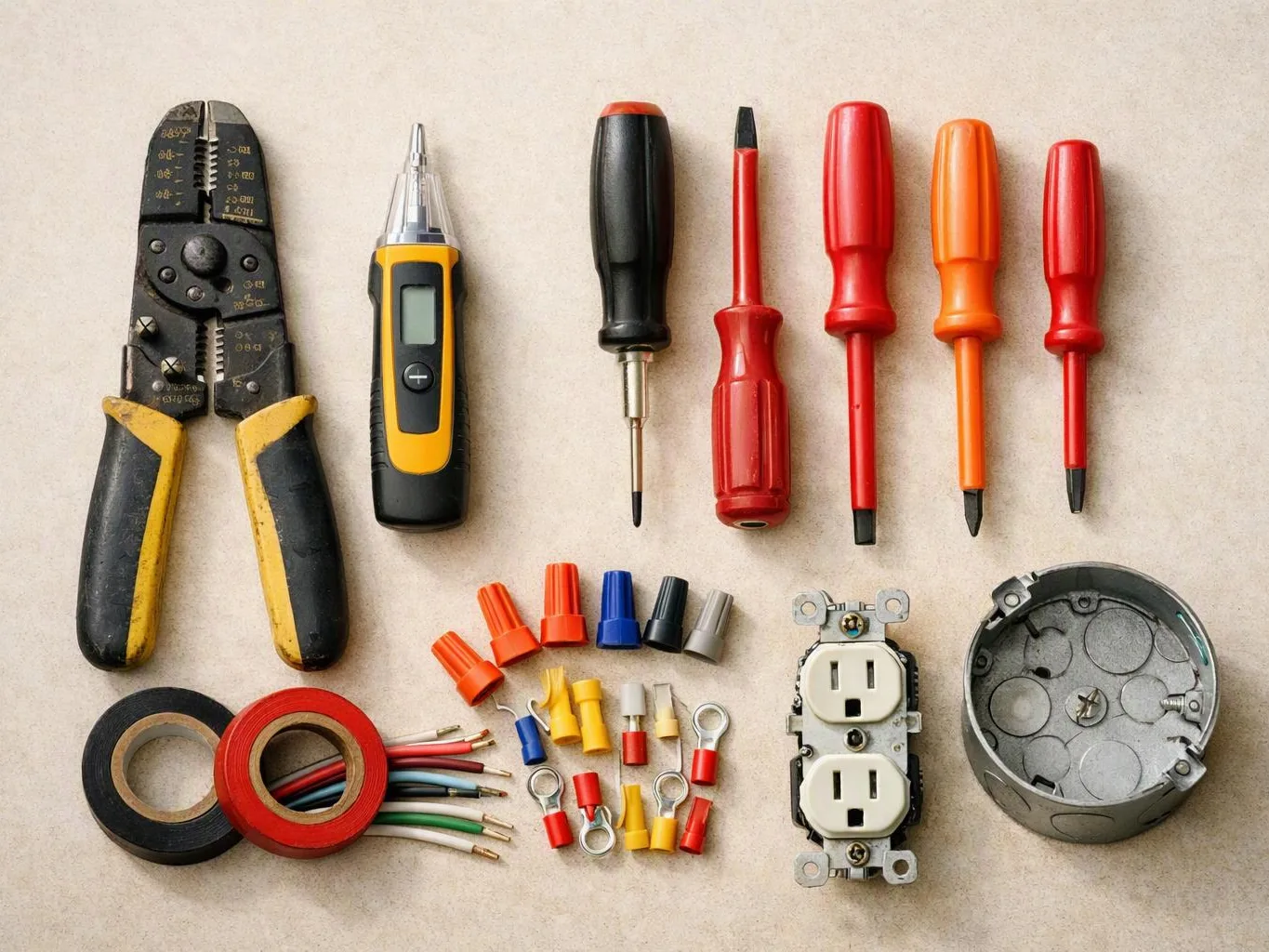
Commercial Electrical Maintenance Checklist Before a Service Visit
Commercial electrical maintenance checklists help organize records, access, safety concerns, equipment symptoms, and follow-up needs before a visit; San Bernardino Electrician uses these details to prepare for circuit breaker repair, lighting repair, and fire alarm service.
Get a Free EstimateWhat to Gather Before Commercial Electrical Maintenance
Commercial electrical maintenance preparation begins with gathering records, documenting symptoms, and identifying the person who can provide access and approvals. San Bernardino Electrician uses this information to understand the commercial property before our service visit.
Collect electrical maintenance records, equipment documentation, and service history in one place. Include panel schedules, equipment manuals, prior repair notes, inspection findings, and any open maintenance concerns.
Identify a site contact who knows the building operations and can approve access to restricted areas. The site contact can also explain when symptoms occur and which equipment may be affected.
Before the Service Visit: Complete This Checklist
Use this pre-service electrical checklist to organize the building before our team arrives. The goal is to provide useful information without opening equipment or attempting electrical repairs.
Keep employees away from exposed or damaged equipment while the area is being prepared. We will determine which systems require testing after reviewing the records and site conditions.
Which Electrical Problems Should You Document First?
Electrical problem documentation should cover recurring breaker trips, flickering or failed lighting, unusual odors, power interruptions, and fire alarm trouble signals before the visit.
Write down what happened, where it happened, and whether the problem affects one area or multiple areas. Photos of safe, visible conditions can help us connect the reported symptom to the affected circuit or equipment.
Note any overheating electrical equipment, unusual sounds, damaged wiring, or changes after recent equipment installation. We use these details to focus electrical troubleshooting and protect building operations during the inspection.
During the Service Visit: Help the Electrical Inspection Run Smoothly
Service-day preparation helps our crew inspect the right systems while limiting disruption to building operations. Keep the site contact available to explain symptoms and approve access when needed.
We will explain safety concerns before testing or repair work begins. Our team also uses the available records to avoid unnecessary disruption and to trace the affected circuit carefully.
How We Use Your Information During the Visit
Reported symptoms, service history, and site conditions help us focus testing on affected electrical systems and define the repair scope.
For circuit breaker repair, we review the panel, related wiring, connected loads, and signs of recurring circuit stress. For lighting repair, we trace the lighting system from controls to fixtures and the affected circuit.
For fire alarm service, we review the fire alarm control panel, connected devices, and documented trouble signals. Our electrical testing supports fault diagnosis and helps us explain which repairs or follow-up work the building needs.
After the Visit: Record Repairs and Maintenance Findings
Post-visit records preserve what we found and help facility teams plan future maintenance. Keep the service report with the building’s electrical maintenance records.
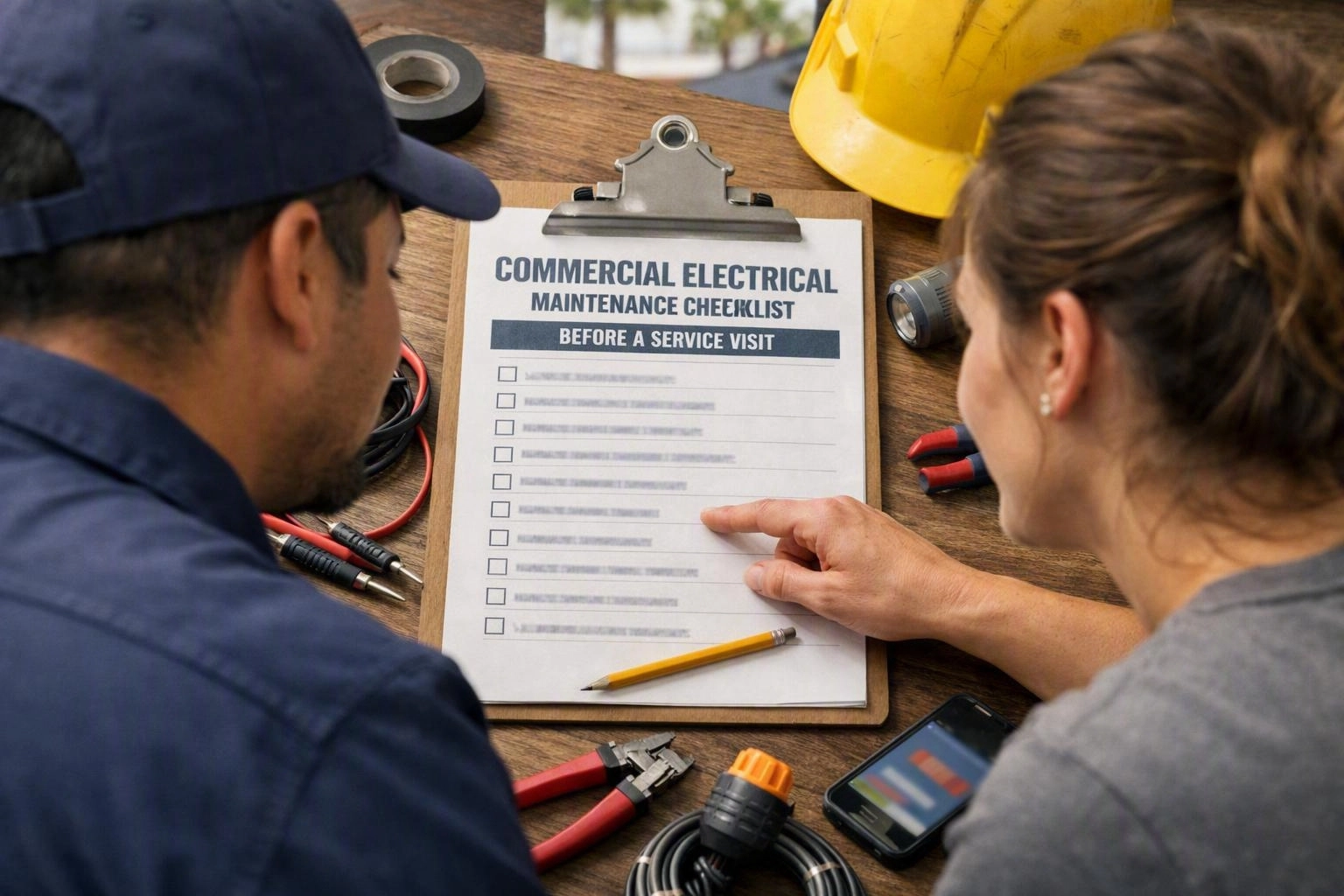
We use these records to make future electrical troubleshooting more focused. Clear repair documentation also helps building teams recognize repeat problems before they affect operations.
What Red Flags Need Attention Before the Visit?
Smoke, burning odors, sparking, hot electrical equipment, and repeated breaker trips require prompt attention and should be reported before the scheduled visit.
Do not open electrical panels or remove covers to investigate a red flag. We will assess the equipment and determine the safe next step.
When Should You Stop Using Affected Electrical Equipment?
Electrical equipment that smokes, sparks, overheats, or shows visible damage should be taken out of use until we assess it.
Stop using damaged wiring, sparking equipment, and equipment with signs of overheating. Keep people away from the affected area and follow the building’s emergency procedures when needed.
Equipment isolation should not create an unsafe attempt to reach switches, panels, or disconnects. We can assess the condition, explain the electrical safety concern, and help coordinate the work around business operations.
How to Prepare for a Clear Repair Quote
A clear repair quote depends on the affected equipment, access conditions, testing needs, replacement requirements, and the approved scope of work; Free Estimates Available.
Share the equipment symptoms, maintenance records, and access requirements before we prepare the quote. We review whether the work involves circuit breaker repair, lighting repair, fire alarm service, replacement parts, or additional electrical testing.
Our quote explains the proposed repair scope and the work needed to address the reported condition. Contact us through our contact page to arrange the next step.
Which Commercial Electrical Service Fits the Problem?
Commercial electrical service selection depends on the equipment showing symptoms and the system affected. The table below connects common electrical symptoms with the service category we use to investigate them.
| Service category | Electrical symptoms | What we review |
|---|---|---|
| Circuit breaker repair | Breaker trips, loss of power, or an affected circuit | Panels, breakers, wiring, connected loads, and test results |
| Lighting repair | Flickering lights, failed fixtures, or control problems | Fixtures, controls, power connections, and lighting circuits |
| Fire alarm service | Fire alarm trouble signal or system notification | Fire alarm control panel, devices, wiring, and service records |
Our team uses the reported symptoms to choose the right testing path. We then explain the findings and define the repair scope for the affected commercial electrical system.
Questions About Commercial Electrical Service Preparation
What information should I give the electrician before a commercial service visit?
San Bernardino Electrician needs the affected equipment, equipment symptoms, service history, maintenance records, access requirements, and the site contact’s details before the visit.
Can employees use equipment while commercial electrical maintenance is underway?
Employees can use equipment only when our team confirms that use is safe and does not interfere with testing or repair work. Equipment with smoke, sparks, overheating, or visible damage should remain out of use.
What should a commercial electrical service report include?
A commercial electrical service report should include the affected systems, reported symptoms, inspection findings, testing completed, replaced components, repair recommendations, and follow-up work.
How should a business document recurring electrical problems?
A business should record the location, affected equipment, symptom, operating conditions, power interruptions, and prior service for each recurring problem. Photos of safe visible conditions and a dated maintenance log can help us identify patterns.
San Bernardino Electrician uses organized records, safe access, and clear symptoms to make commercial electrical maintenance more focused. Contact us to plan the service visit and discuss the repair scope.
Related Resources
Signs You Need Circuit Breaker Repair in San Bernardino, CA
When You Need ItWhen to Call an Electrician for Burning Smells and Hot Outlets in San Bernardino, CA
When You Need ItElectrical Wiring Warning Signs: When San Bernardino Homes Need an Electrician
When You Need ItSigns Your Outdoor and Landscape Lighting Has Electrical Damage in San Bernardino, CA