Dead Electrical Outlet With No Power: Troubleshooting and Repair
A dead electrical outlet with no power may result from a tripped circuit breaker, GFCI trip, loose wiring, or failed receptacle; San Bernardino Electrician can diagnose the circuit, explain the repair, and provide Free Estimates Available.
Get a Free Estimate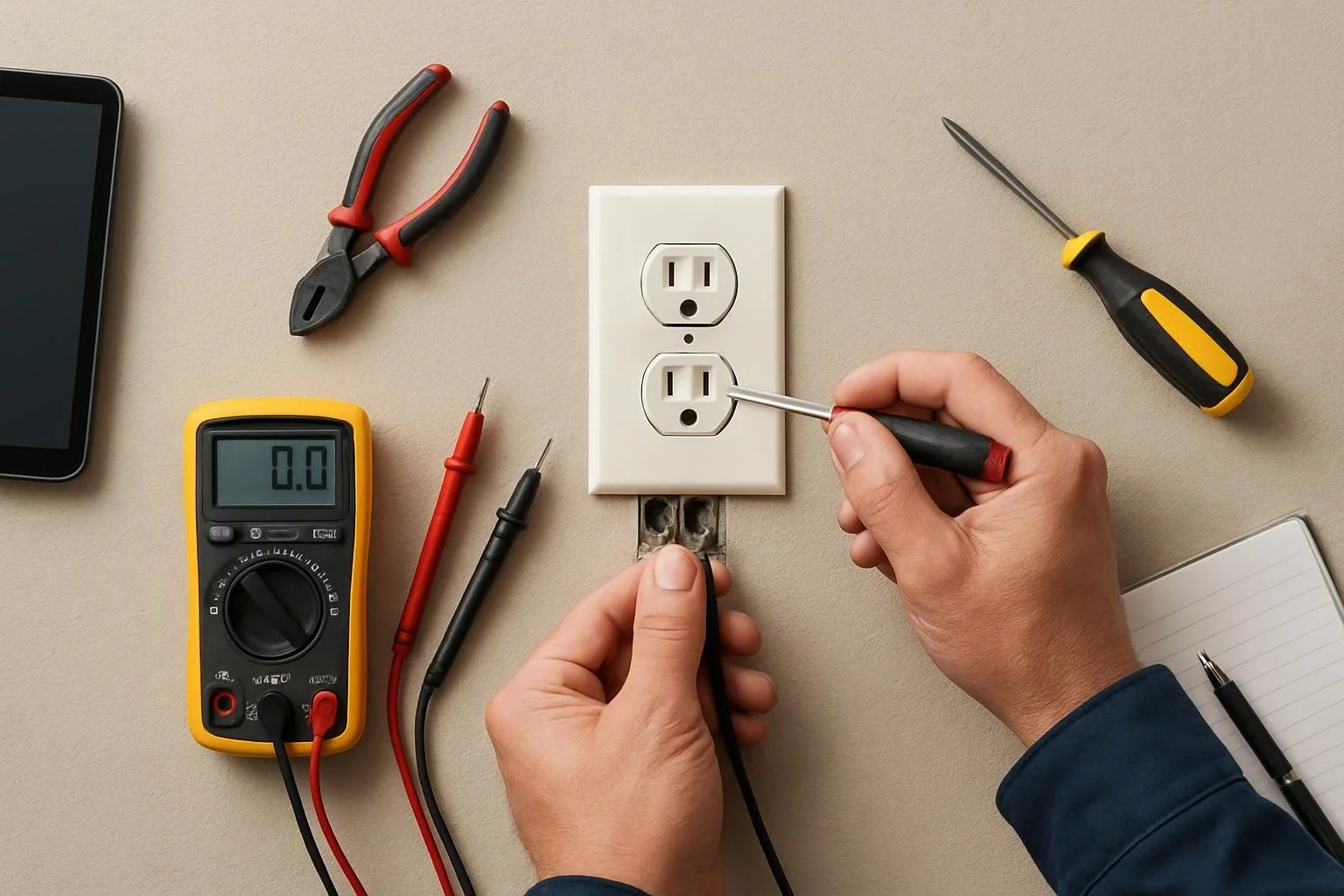
What Does a Dead Electrical Outlet Mean?
A dead electrical outlet is a receptacle that does not deliver power to a connected device, even when the device and plug work correctly.
An electrical receptacle connects to a branch circuit that carries power from the electrical panel. When the outlet has no voltage, the cause may be upstream protection, an open circuit, a wiring fault, or a failed receptacle.
What Are the Signs of a Dead Outlet?
A dead outlet usually shows a clear loss of power or physical signs that the receptacle needs attention.
We treat heat, odor, scorch marks, and unusual sounds as warning signs. Stop using the outlet and arrange an inspection when these conditions appear.
What Should You Check Before Calling for Outlet Repair?
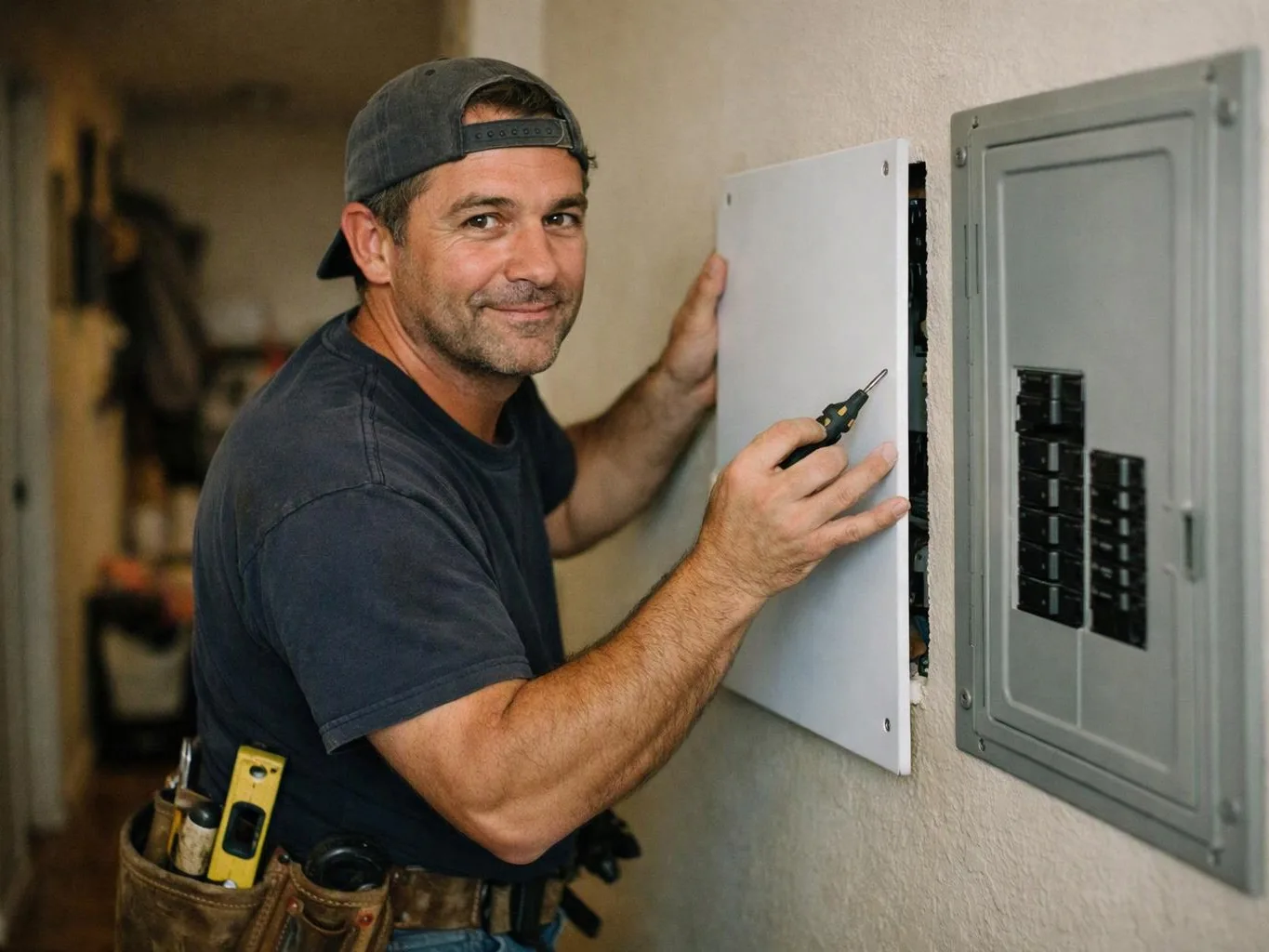
You can safely check the plug, a nearby GFCI outlet, and the electrical panel, but San Bernardino Electrician should diagnose wiring or panel faults.
Do not remove the receptacle cover or probe the outlet with an improvised object. Our team uses proper outlet testing equipment when the safe checks do not restore power.
What Commonly Causes an Outlet to Lose Power?
An outlet can lose power when circuit protection operates or when a connection fails along the branch circuit.
We trace the power loss to the failed component instead of replacing parts without testing. A repeated trip can point to a deeper wiring fault or circuit problem.
How We Diagnose a Dead Electrical Outlet
We diagnose a dead electrical outlet by tracing power from the electrical panel through the circuit, testing the receptacle, and checking upstream connections.
Our team begins with outlet testing and uses a voltage tester to identify whether power reaches the receptacle. We check the circuit breaker, GFCI protection, and electrical panel before examining the branch circuit.
When the protection is working, we inspect accessible wiring connections and compare the outlet with nearby devices on the same circuit. This process helps us locate a loose connection, failed receptacle, or open section of electrical wiring.
How Is a Dead Outlet Repaired?
We repair a dead outlet by correcting the confirmed fault, which may involve replacing the receptacle, restoring a wiring connection, or repairing the circuit protection.
A receptacle replacement addresses a failed outlet when the wiring and circuit protection test correctly. We secure the electrical connection and verify that the device receives power after the repair.
Wire repair may be needed when a loose or damaged conductor causes the open circuit. When the fault involves a breaker or fuse box, we provide Circuit Breaker Repair or Fuse Box Repair based on the confirmed condition.
When Is a Dead Outlet an Electrical Safety Hazard?
A dead outlet is an electrical safety hazard when it shows heat, scorching, sparking, burning odor, shock, or other signs of damaged wiring.
Sparking, scorch marks, and a burning smell can indicate overheating or arcing behind the receptacle. Turn off the related circuit if you can do so safely and keep the outlet unused.
Electrical shock, damaged wiring, or heat at the faceplate also requires prompt attention. We isolate the unsafe circuit, locate the fault, and complete the needed repair.
How Can You Prevent Outlet Power Problems?
Outlet power problems are easier to prevent when circuit use, protection, and visible wear receive regular attention.
We can inspect recurring power loss when prevention steps do not solve the problem. Repeated trips or repeated outlet failures deserve circuit diagnosis.
What Changes the Repair Quote for a Dead Outlet?
The repair quote changes according to the failed component, wiring access, circuit protection, and whether the fault extends into the electrical panel; we provide Free Estimates Available after assessing the outlet and circuit.
A simple receptacle replacement has different work requirements from a wiring fault hidden behind finished surfaces. The condition of the circuit breaker, fuse box, or GFCI outlet can also change the repair plan.
Our assessment covers diagnostic work, the confirmed cause, the parts involved, and the access needed to complete the electrical repair. We explain the recommended work before proceeding.
How to Arrange Dead Outlet Repair
San Bernardino Electrician can assess the dead outlet, identify the source of the power loss, explain the required repair, and provide Free Estimates Available.
Contact us for electrical diagnosis when a breaker will not reset, a GFCI will not restore power, or an outlet remains nonworking after safe checks. We can address dead outlet repair, circuit breaker repair, and fuse box repair based on the condition we find.
Use our contact page to arrange an assessment and receive a clear explanation of the next step.
Questions About a Dead Electrical Outlet
Can a tripped GFCI cause another outlet to lose power?
Yes, a tripped GFCI can remove power from other outlets connected downstream on the same circuit. San Bernardino Electrician checks the GFCI and downstream wiring when resetting the device does not restore power.
Why does one outlet stop working while other outlets still have power?
One outlet can stop working while other outlets have power because of a failed receptacle, loose connection, or open circuit at that point. We test the affected outlet and trace the branch circuit to locate the interruption.
Should I reset a circuit breaker if an outlet has no power?
Yes, you can reset a circuit breaker once if the panel and outlet show no signs of heat, odor, or damage. Stop if the breaker trips again, and have us check the circuit for an overload, wiring fault, or failed receptacle.
Can a bad outlet trip the circuit breaker?
Yes, a bad outlet can trip the circuit breaker when an internal fault or damaged connection creates an unsafe current path. We test the receptacle and circuit before restoring protection.
Is a dead outlet safe to use if there are no visible marks?
No, a dead outlet should remain unused until the cause is known, even when no visible marks appear. Hidden loose wiring, a failed receptacle, or an upstream protection issue can still create an electrical safety concern.
Related Resources
Signs You Need Circuit Breaker Repair in San Bernardino, CA
When You Need ItWhen to Call an Electrician for Burning Smells and Hot Outlets in San Bernardino, CA
When You Need ItElectrical Wiring Warning Signs: When San Bernardino Homes Need an Electrician
When You Need ItFlickering Lights: How to Know When You Need an Electrician