Electrical Sparks From an Outlet, Switch, or Panel: Emergency Repair Guide
Electrical sparks from an outlet, switch, or panel require immediate caution: stop using the affected equipment, keep away from smoke or heat, and call San Bernardino Electrician to inspect and repair the electrical fault.
Get a Free Estimate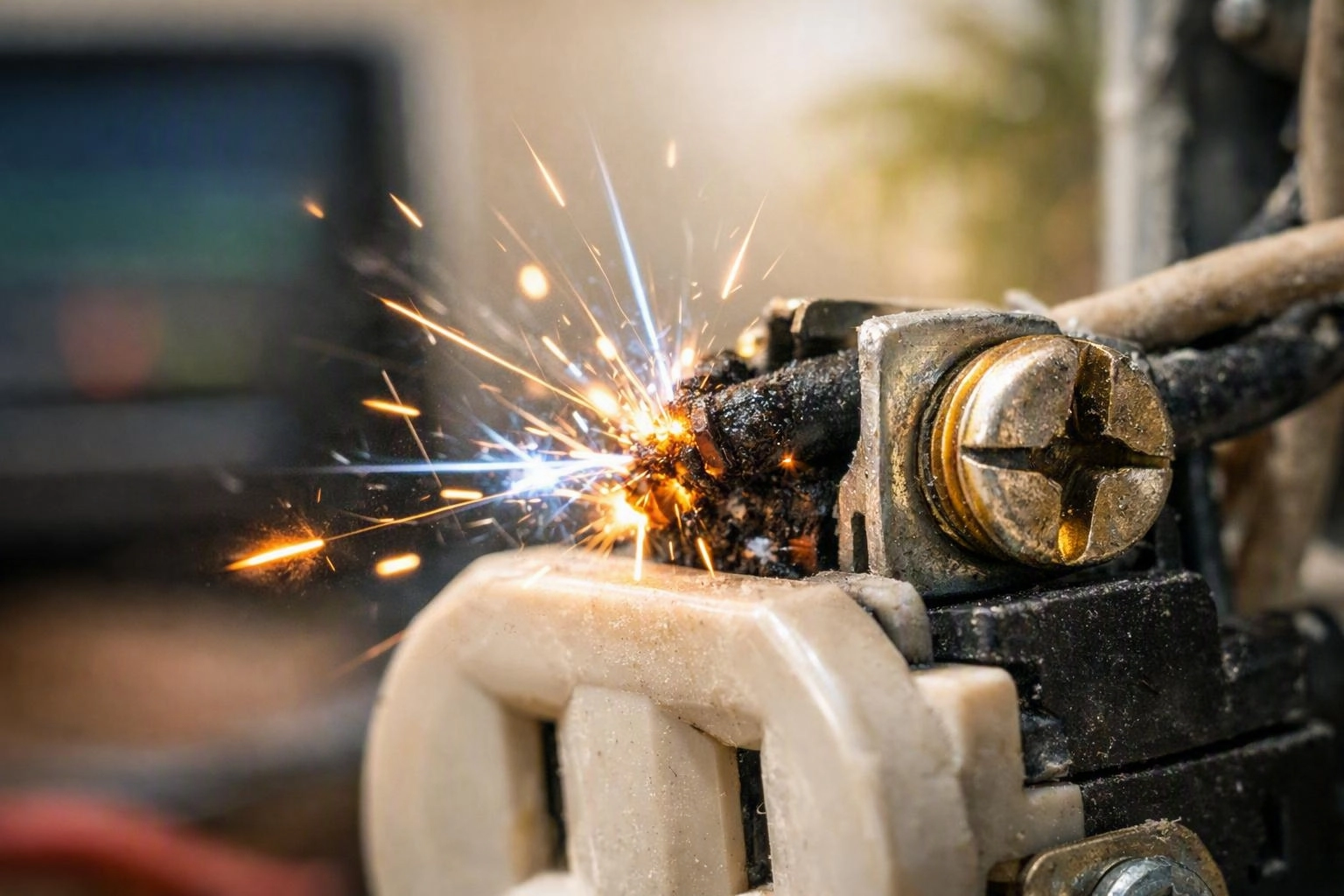
What Should You Do When an Outlet, Switch, or Panel Sparks?
Electrical sparks require immediate caution: stop using the affected device, move away from smoke or heat, and shut off power only when doing so is safe. San Bernardino Electrician can inspect the fault and identify the repair needed.
Do not touch exposed wiring, remove a panel cover, or try to hold a loose part in place. If flames or heavy smoke are present, leave the area and contact emergency services before arranging electrical repair.
What Signs Show That a Spark Needs Electrical Repair?
A spark needs electrical repair when it appears with heat, damage, unusual sounds, or circuit problems. These signs can point to electrical arcing, a loose connection, or a damaged wire.
We treat smoke from an outlet, melting plastic, and a hot electrical panel as urgent warning signs. Our team traces the affected circuit before deciding whether the repair involves a component or the electrical wiring.
Why Do Electrical Outlets, Switches, and Panels Spark?
Electrical sparks usually come from a loose connection, damaged wiring, an overloaded circuit, or a failing electrical component.
We inspect the surrounding components because a visible spark may not be the original fault. A sparking outlet can involve the receptacle, terminal screw, ground wire, or wiring connection behind the box.
How We Inspect an Electrical Spark Problem
Electrical inspection identifies the fault source, tests related components, and defines the repair needed before work begins. San Bernardino Electrician inspects the affected circuit and explains the findings clearly.
Our team starts with a visual check of the outlet, light switch, electrical panel, and accessible wiring. We then use voltage testing and continuity testing as appropriate to evaluate the circuit safely.
We check the circuit breaker and trace the branch circuit to the suspected wiring connection. Our inspection can show whether the problem involves a loose terminal, damaged insulation, an overloaded circuit, or a component that no longer operates correctly.
We explain the repair scope before beginning work. When the issue involves breaker damage, our Circuit Breaker Repair service can address the affected protective device.
When Should You Stop Using the Circuit Completely?
Stop using the circuit completely when sparks occur with smoke, flame, heat, burning odors, melting, repeated breaker trips, or visible damage.
Smoke, flame, melting plastic, or a burning odor can indicate an electrical fire risk. A hot electrical panel or a tripped circuit breaker that trips again after reset also requires caution.
Do not reset a breaker repeatedly when the circuit continues to trip. If an electrical shock has occurred, move away from the equipment and seek medical help when needed, then arrange an inspection with San Bernardino Electrician.
Which Electrical Repair May Be Needed?
The needed electrical repair depends on the failed part and the condition of the connected wiring. We confirm the fault before selecting a repair so the visible spark is not treated without addressing its cause.
| Observed problem | Possible repair |
|---|---|
| Breaker trips, overheats, or shows damage | Circuit breaker repair |
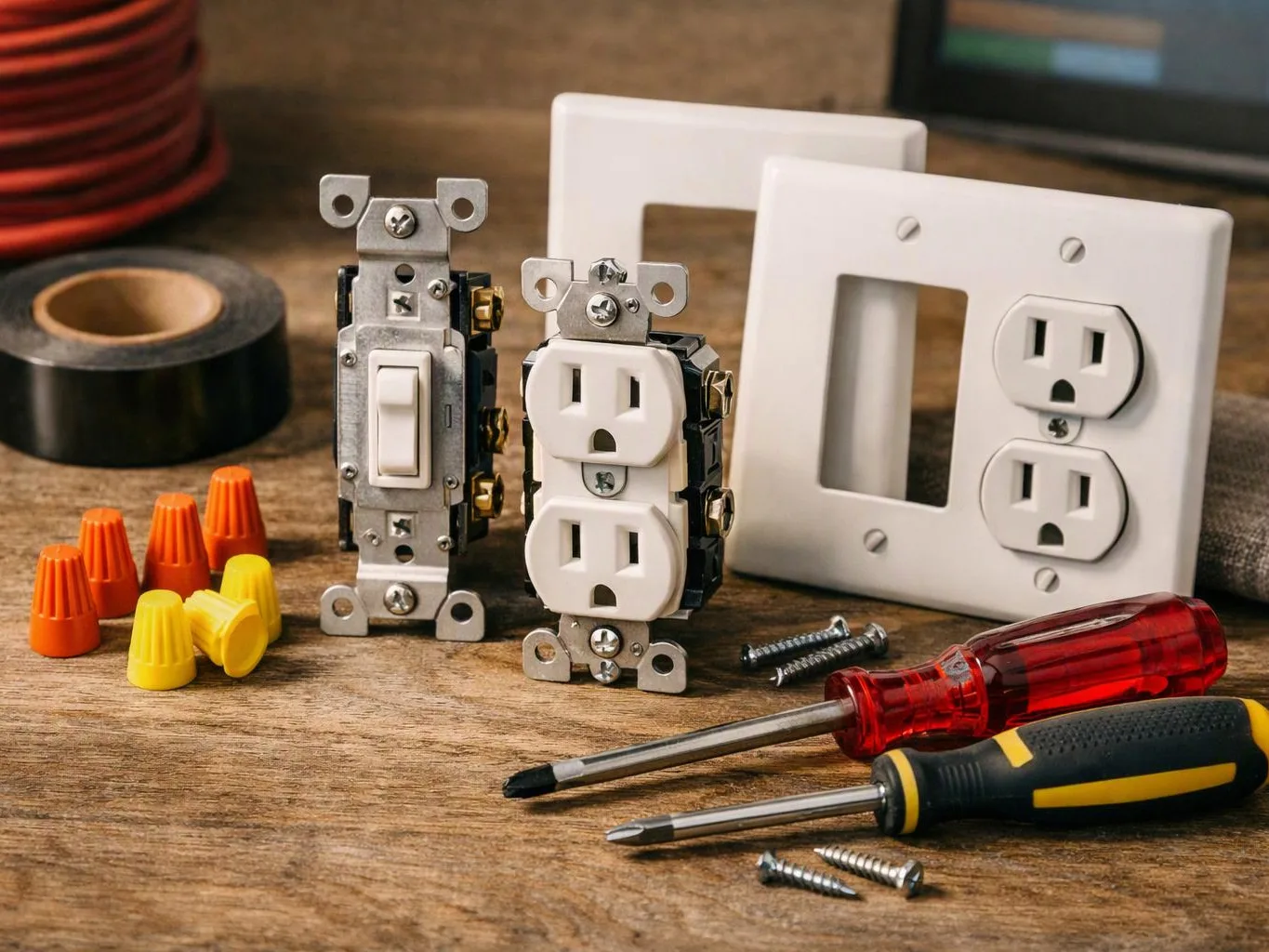
| Outlet sparks, feels warm, or has burn marks | Outlet replacement and wiring inspection |
| Switch crackles, sparks, or feels loose | Light switch repair or switch replacement |
| Light fixture or lighting circuit sparks | Lighting repair and wiring testing |
| A compatible lamp fails or the fixture continues to arc | Light bulb replacement or fixture repair |
| Damaged insulation or a loose branch connection | Wiring repair |
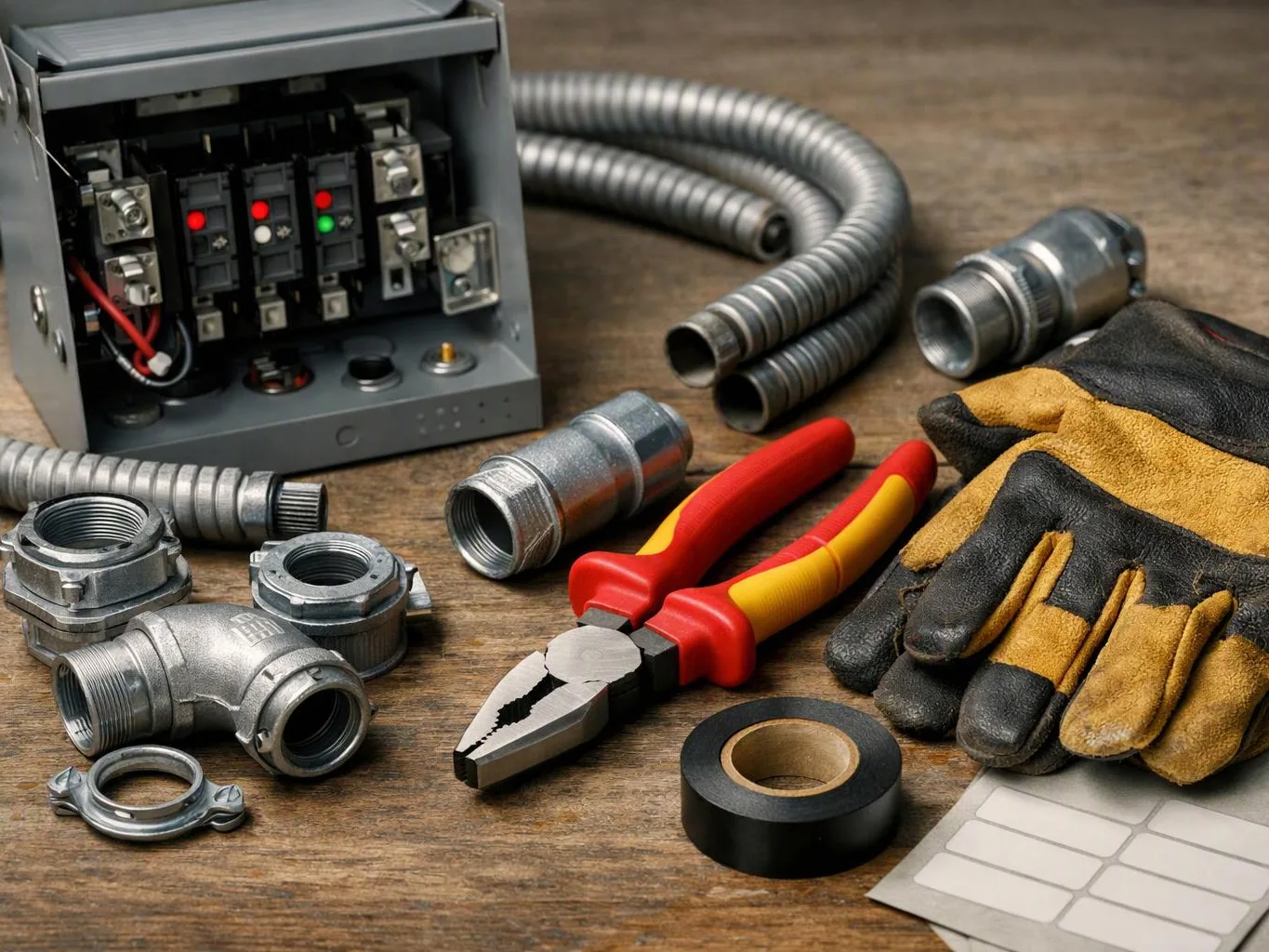
| Arcing or heat inside the panel | Electrical panel repair |
Some sparks come from a worn outlet or switch, while others point to a branch circuit or panel problem. We inspect the complete affected path before completing outlet replacement, lighting repair, or wiring repair.
How Can You Prevent Sparks From Returning?
Preventing electrical sparks starts with managing electrical load and keeping outlets, cords, and fixtures in good condition. We can identify conditions that place stress on the circuit during an electrical maintenance visit.
Do not cover a warning sign by replacing a fuse, changing wiring, or repeatedly resetting a circuit breaker without finding the cause. Our team can inspect recurring flickering lights, a crackling outlet, or a switch spark before the condition worsens.
What Changes the Cost of Repairing an Electrical Spark?
Electrical spark repair cost depends on the fault location, component condition, wiring access, and whether the repair involves a breaker, outlet, switch, or panel.
A simple accessible component issue has a different repair scope from damaged wiring inside a wall or an electrical panel fault. We also consider whether the circuit needs further testing after the visible component is repaired.
Our team reviews the inspection findings, the required parts, the wiring condition, and the access needed for the work. We provide an exact quote after assessing the affected system, and free estimates are available.
How Do You Arrange an Electrical Spark Inspection?
Electrical spark inspection begins when you contact San Bernardino Electrician with the spark location, visible symptoms, and any recent breaker activity.
Tell our team whether the issue involves a sparking outlet, sparking light switch, sparking breaker panel, smoke, heat, flickering lights, or a tripped breaker. These details help us determine whether the visit may involve circuit breaker repair, lighting repair, or light bulb replacement.
We inspect the affected area, explain the repair estimate, and discuss the safest next step before work begins. Use our contact page to arrange an inspection for an electrical fault.
Questions About Electrical Sparks
Can a sparking outlet cause a fire?
Yes, a sparking outlet can cause a fire when the spark comes from electrical arcing, damaged wiring, heat, or a loose connection. San Bernardino Electrician inspects the outlet and connected circuit to identify the hazard.
Should I reset a breaker after an outlet sparks?
No, you should not reset a breaker when the outlet shows smoke, heat, burn marks, or continued sparking. Keep away from the circuit and arrange an inspection so the cause can be tested safely.
Why does a light switch spark when turned on?
A light switch can spark when a loose connection, worn switch, damaged wire, or connected lighting load creates electrical arcing. We inspect the switch, wiring connection, and lighting circuit before choosing light switch repair or replacement.
Is a small spark when plugging in a device always dangerous?
No, a small momentary spark is not always dangerous, but repeated sparks, crackling, heat, burning odor, or scorch marks require inspection. Stop using the outlet when warning signs appear.
Can changing a light bulb stop a light fixture from sparking?
Changing a compatible light bulb may resolve a bulb fault, but it will not correct damaged wiring, a faulty socket, or a loose connection. Stop using the fixture and arrange lighting repair when sparking continues.
Related Resources
Signs You Need Circuit Breaker Repair in San Bernardino, CA
When You Need ItWhen to Call an Electrician for Burning Smells and Hot Outlets in San Bernardino, CA
When You Need ItElectrical Wiring Warning Signs: When San Bernardino Homes Need an Electrician
When You Need ItSigns Your Outdoor and Landscape Lighting Has Electrical Damage in San Bernardino, CA