Emergency Electrician Insurance Claims in San Bernardino, CA
Emergency electrician insurance claims in San Bernardino are supported by clear damage documentation, insurer coordination, an adjuster-ready repair scope, and final invoices; San Bernardino Electrician checks the affected electrical system, documents needed repairs, and provides an estimate for the claim process.
Get a Free Estimate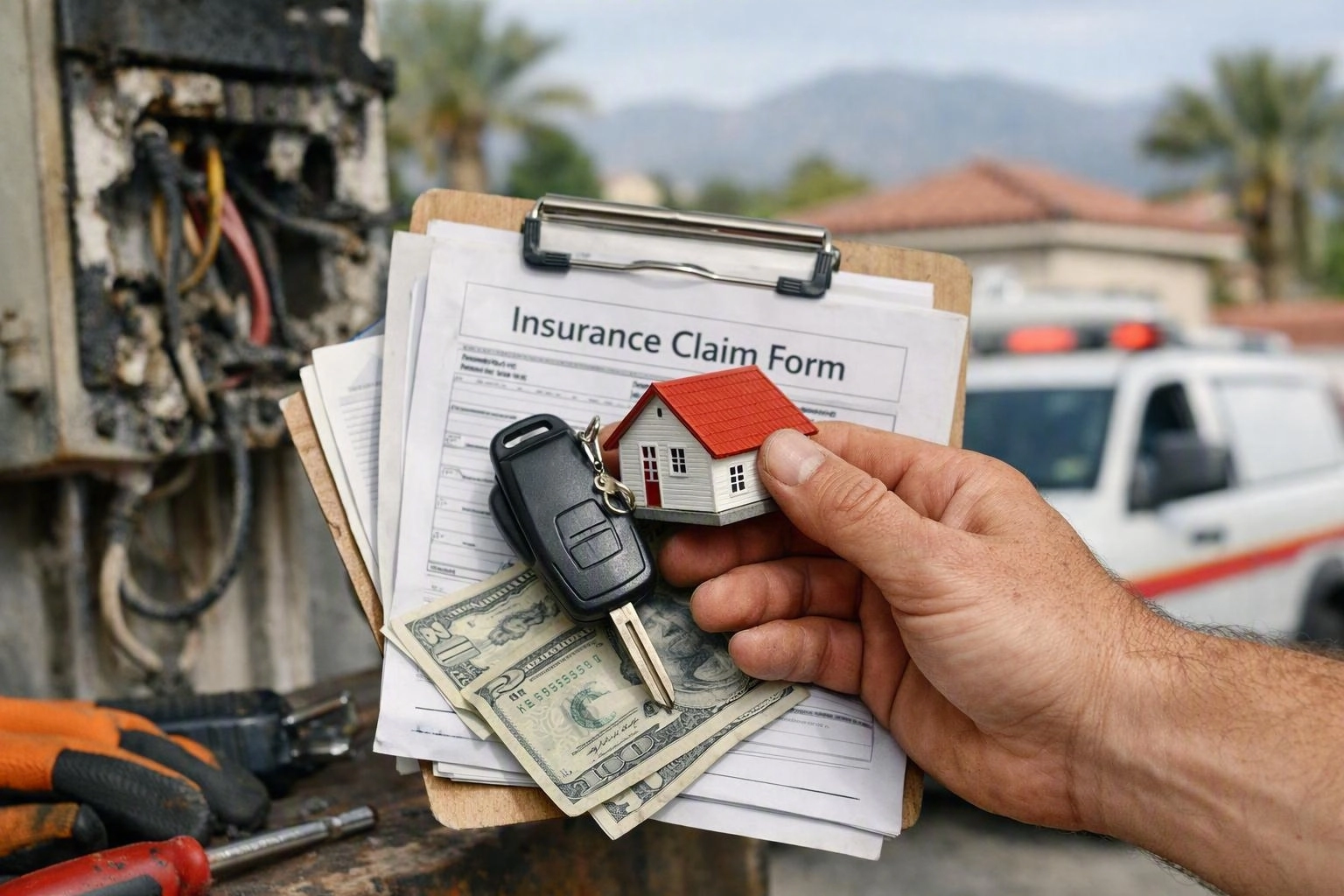
Emergency electrical repair supports insurance claim documentation and repair coordination in San Bernardino, CA when the electrical condition, cause, and required work are recorded clearly. We focus on safe assessment first, followed by organized records that help explain the property damage.
What Emergency Electrical Damage Can Support an Insurance Claim?
Emergency electrical damage can support a claim when the documented condition, cause, and required repair match the policy's covered loss terms.
Electrical damage may involve a circuit breaker, fuse box, smoke detector, fire alarm, lighting system, or connected property. We inspect the affected components and record visible damage, unsafe conditions, and the repair needed to restore safe operation.
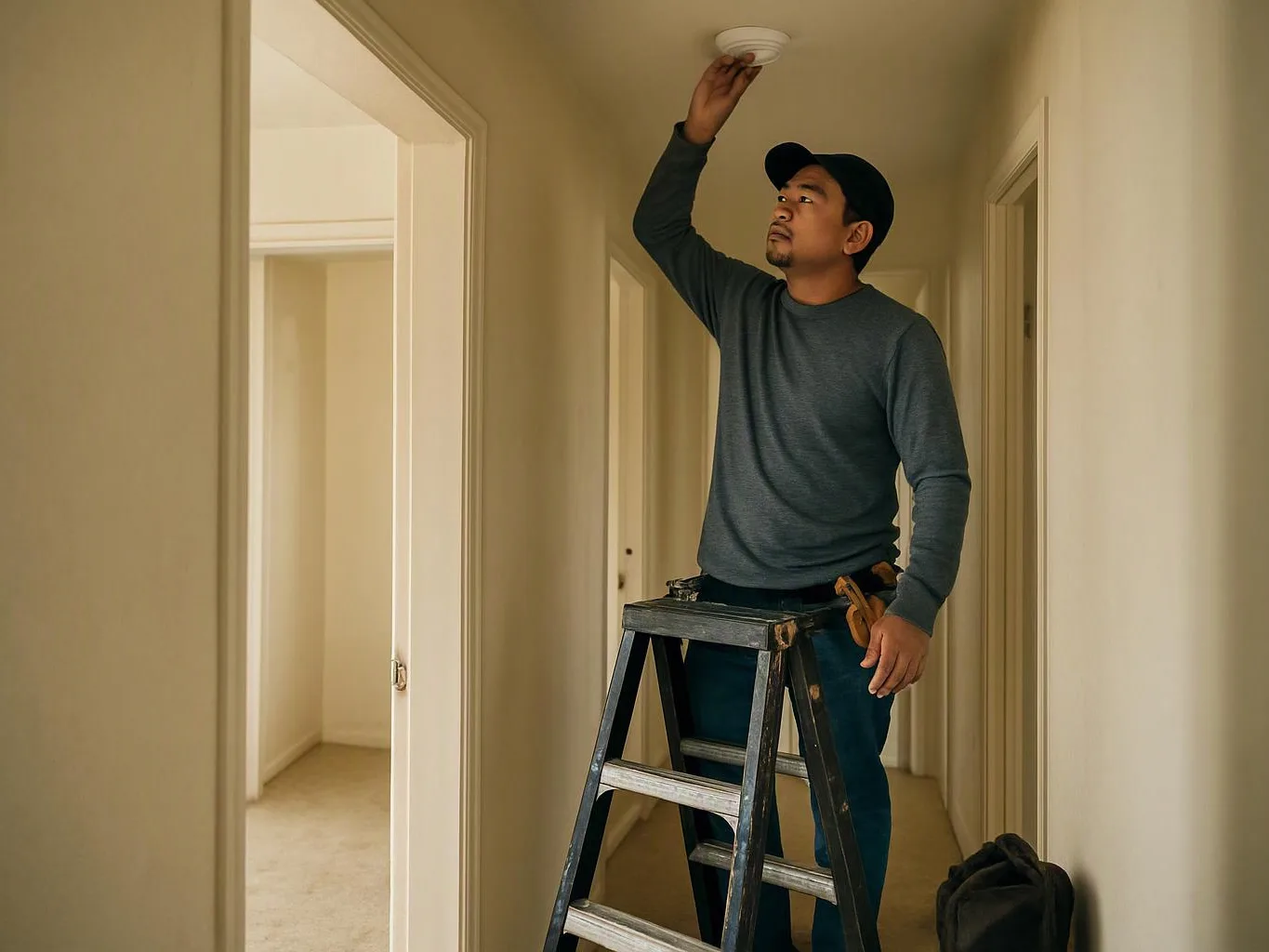
Circuit Breaker Repair or Fuse Box Repair may appear in the repair scope when those components are damaged or unsafe. Smoke detector repair, fire alarm repair, and lighting installation may also be included when the documented loss affects those systems.
How We Document the Electrical Damage
Electrical inspection gives us the starting point for damage documentation. We examine the circuit breaker, fuse box, smoke detector, fire alarm, lighting system, wiring, and related electrical panel components that may have been affected.
Our team records the observed condition and separates confirmed damage from items that need further electrical troubleshooting. We use written findings and repair photographs to connect the condition to the proposed work without promising insurance coverage.
When fire damage, a power outage, or another event affects property systems, we document safety concerns before repair planning. This record helps the insurance company and insurance adjuster understand why each part of the repair scope is included.
What to Do After an Emergency Electrical Loss
The insurance-claim process moves from documenting the damage to contacting the insurer, coordinating an adjuster inspection, preparing the scope and estimate, obtaining approval, completing the work, and reviewing the final invoice.
Keep the affected area safe and avoid disturbing damaged electrical components unless immediate action is needed to prevent danger. We can help organize the electrical findings for the claim file while the insurance company reviews the loss.
What Our Insurance-Claim Electrical Estimate Includes
Our electrical estimate explains the observed damage, the repair scope, the affected electrical components, and the work needed to restore safe operation; Free Estimates Available.
We describe the electrical troubleshooting needed to confirm the fault and identify related safety concerns. The estimate may cover circuit breaker repair, fuse box repair, fire alarm service, or lighting installation when those services match the documented condition.
Repair scope details can include component work, access needs, testing, and the records we prepare after completion. San Bernardino Electrician uses the available findings to keep the estimate clear for the property owner and insurance adjuster.
Which Electrical Services May Appear in the Claim Scope?
The claim scope may include electrical services that directly address documented damage or a safety condition. We match each service to the affected component and the repair evidence.
| Service | When it may appear |
|---|---|
| Circuit breaker repair | The breaker shows damage, unsafe operation, or a fault linked to the documented loss. |
| Fuse box repair | The fuse box has affected components or conditions that require safe repair. |
| Smoke detector repair | Smoke detection equipment is damaged or does not operate safely after the event. |
| Fire alarm repair | Fire alarm components require repair because of documented electrical damage. |
| Fire alarm service | The system needs troubleshooting, testing, or related service to restore safe operation. |
| Lighting installation | A damaged light fixture or lighting circuit requires replacement or installation work. |
Which Mistakes Can Jeopardize an Electrical Insurance Claim?
Claim documentation can become harder to review when damage evidence is changed, discarded, or separated from the electrical findings. We help preserve a clear record before repair work changes the condition.
How San Bernardino Conditions Can Affect Emergency Electrical Documentation
Lower-elevation developed properties in San Bernardino can face high electrical demand that contributes to breaker trips and reveals weaknesses in circuits, panels, wiring, or dedicated circuits. We diagnose the cause before listing a breaker or panel repair in the claim scope.
High-demand equipment may also make dedicated-circuit assessment relevant to the electrical damage documentation. Our inspection connects observed conditions to the work needed for safe operation.
Foothill and upland properties can face wildfire and outage exposure that makes urgent electrical damage assessment important after an interruption. We document the condition of exposed systems and complete an electrical safety inspection when the event may have affected safe operation.
What Records Should You Keep After the Electrical Repair?
The insurance claim file should retain the damage record, inspection findings, approved scope, repair documentation, and final invoice.
Keep the repair photographs with the work scope and any notes from the electrical inspection findings. These records show what we observed, what the approved work covered, and how the completed electrical repair addressed the documented condition.
Our final invoice belongs with the claim file after the work is reviewed. A complete record helps connect the original property damage to the completed repair and final review.
When Should You Contact San Bernardino Electrician About a Claim?
Contact San Bernardino Electrician when an electrical emergency has created damage that needs safe assessment, documented repair planning, or an insurer-ready estimate.
We can assess the affected system after a power outage, fire damage, or another electrical loss and explain which findings belong in the repair scope. Contact us before non-emergency work changes the damage evidence when it is safe to wait for the insurance adjuster inspection.
Request an estimate when the insurance company needs a clear description of the electrical repair, affected components, and records required for the claim file.
Questions About Emergency Electrical Insurance Claims
Can an electrician provide documentation for an insurance claim?
Yes, San Bernardino Electrician can document electrical damage, inspection findings, the repair scope, photographs, and the final invoice for an insurance claim file.
Should I wait for the insurance adjuster before making an emergency electrical repair?
Yes, wait for the insurance adjuster when the area is safe and the repair is not needed to prevent immediate danger or additional damage.
What should I do if an electrical emergency creates additional property damage?
Protect people from electrical hazards, document the additional property damage, contact the insurance company, and arrange an electrical safety assessment before non-emergency repairs.
Can fire alarm or smoke detector repairs be included in an electrical claim?
Yes, fire alarm or smoke detector repairs can appear in an electrical claim when the documented damage and policy terms support including the affected equipment.
What changes the estimate for an insurance-related electrical repair?
The estimate changes with the documented cause, affected components, access needs, troubleshooting findings, repair scope, and work needed to restore safe operation.
San Bernardino Electrician provides emergency electrical repair, damage assessment, claim-ready documentation, and a clear repair estimate for affected properties.
Contact San Bernardino Electrician about your electrical insurance claim
Related Resources
Signs You Need Circuit Breaker Repair in San Bernardino, CA
When You Need ItWhen to Call an Electrician for Burning Smells and Hot Outlets in San Bernardino, CA
When You Need ItElectrical Wiring Warning Signs: When San Bernardino Homes Need an Electrician
When You Need ItFlickering Lights: How to Know When You Need an Electrician