Emergency Fuse Box Repair for Older Homes
Emergency fuse box repair for older homes addresses overheating, repeated fuse failures, damaged wiring, and unsafe loss of power; San Bernardino Electrician checks the fuse box, identifies the fault, and completes the appropriate repair or replacement.
Get a Free Estimate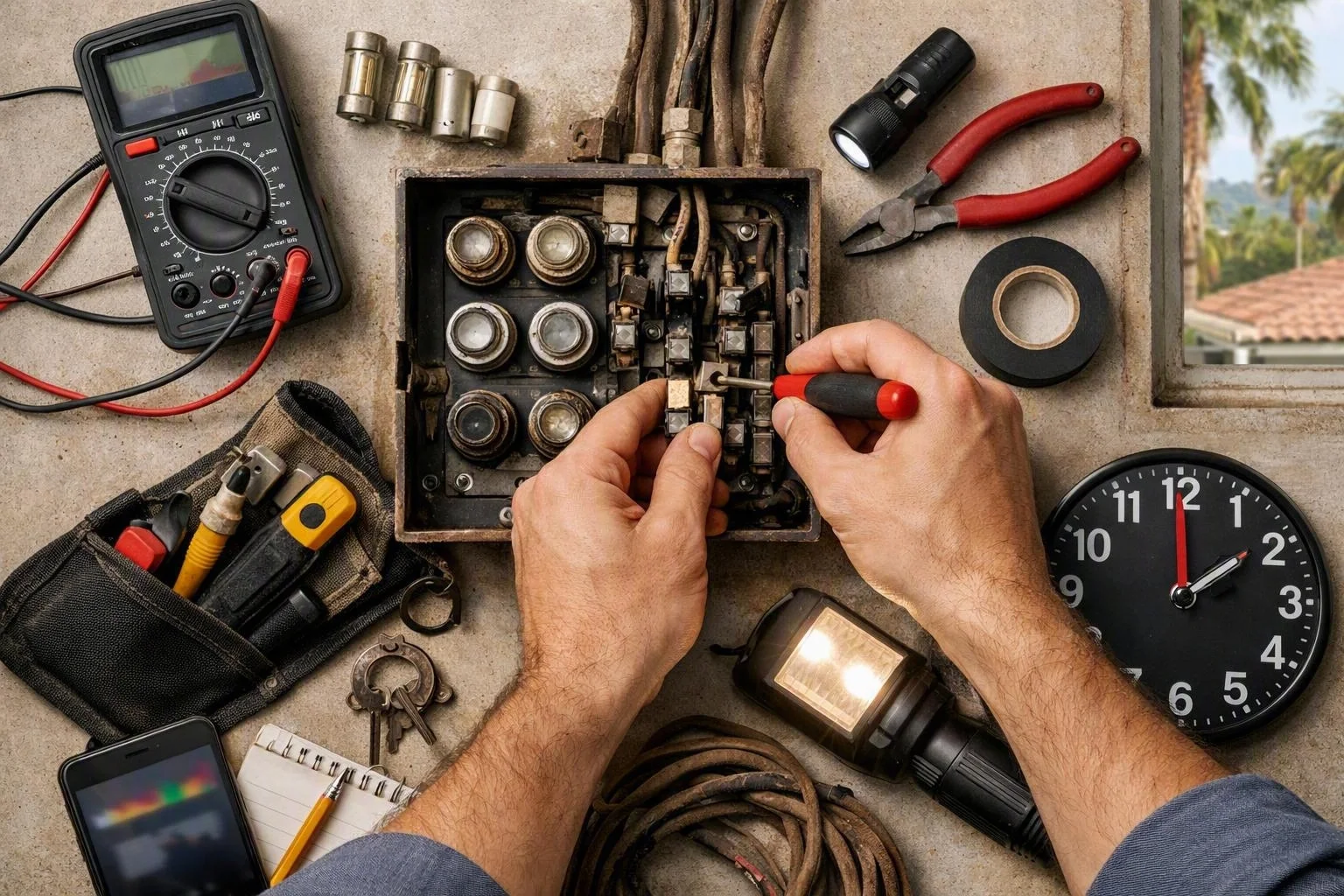
Why Older Homes Need Emergency Fuse Box Repair
Emergency fuse box repair is needed when an older electrical system shows heat damage, repeated fuse failures, burning odors, sparking, or unsafe loss of power. We inspect the affected fuse box and connected electrical wiring before restoring service.
What We Check Before Repairing an Older Fuse Box
Fuse box repair starts with tracing the fault through the panel, wiring, connections, and connected circuits before we select a safe repair. Our team checks the fuse panel, service entrance, branch circuits, and electrical connections for heat damage or loose points.
We also examine grounding, neutral connections, service conductors, and wire insulation. This fault diagnosis helps us identify whether the problem is limited to a fuse socket or involves damaged wiring and connected circuits.
Which Older-Home Electrical Needs Differ by Customer?
Older-home customers usually need more attention to aging wiring, fuse compatibility, access, and future electrical demand than customers in newer homes. The right inspection focus depends on who uses the property and why the electrical condition matters.
| What is being compared | Homeowners | Other customers |
|---|---|---|
| Main concern | Safe daily use and reliable power | Property condition, tenant needs, or purchase decisions |
| Inspection focus | Fuse compatibility, wiring condition, and grounding | Documentation, access, and wider electrical safety |
| Future demand | Planned appliances, lighting, and home improvements | Rental use, resale plans, or buyer expectations |
| Likely decision | Targeted repair or a safer long-term upgrade | Repair planning, property evaluation, or replacement planning |
What Matters Most During an Emergency Repair
Emergency fuse box repair should prioritize safe isolation, correct fuse protection, fault identification, and controlled power restoration. We keep the affected circuit separated while checking why the protection device operated.
Common Challenges With Fuse Boxes in Older Homes
Older fuse boxes can be difficult to repair when aging wiring, inaccessible connections, incompatible fuses, or limited circuit capacity are involved. Our crew identifies these conditions before choosing a fuse panel repair or a broader solution.
When a Fuse Box Repair May Need a Larger Electrical Solution
Fuse box repair may require a broader electrical solution when the panel or connected wiring cannot safely support the home's electrical load. We use a load assessment to review present demand, planned equipment, circuit condition, and available capacity.
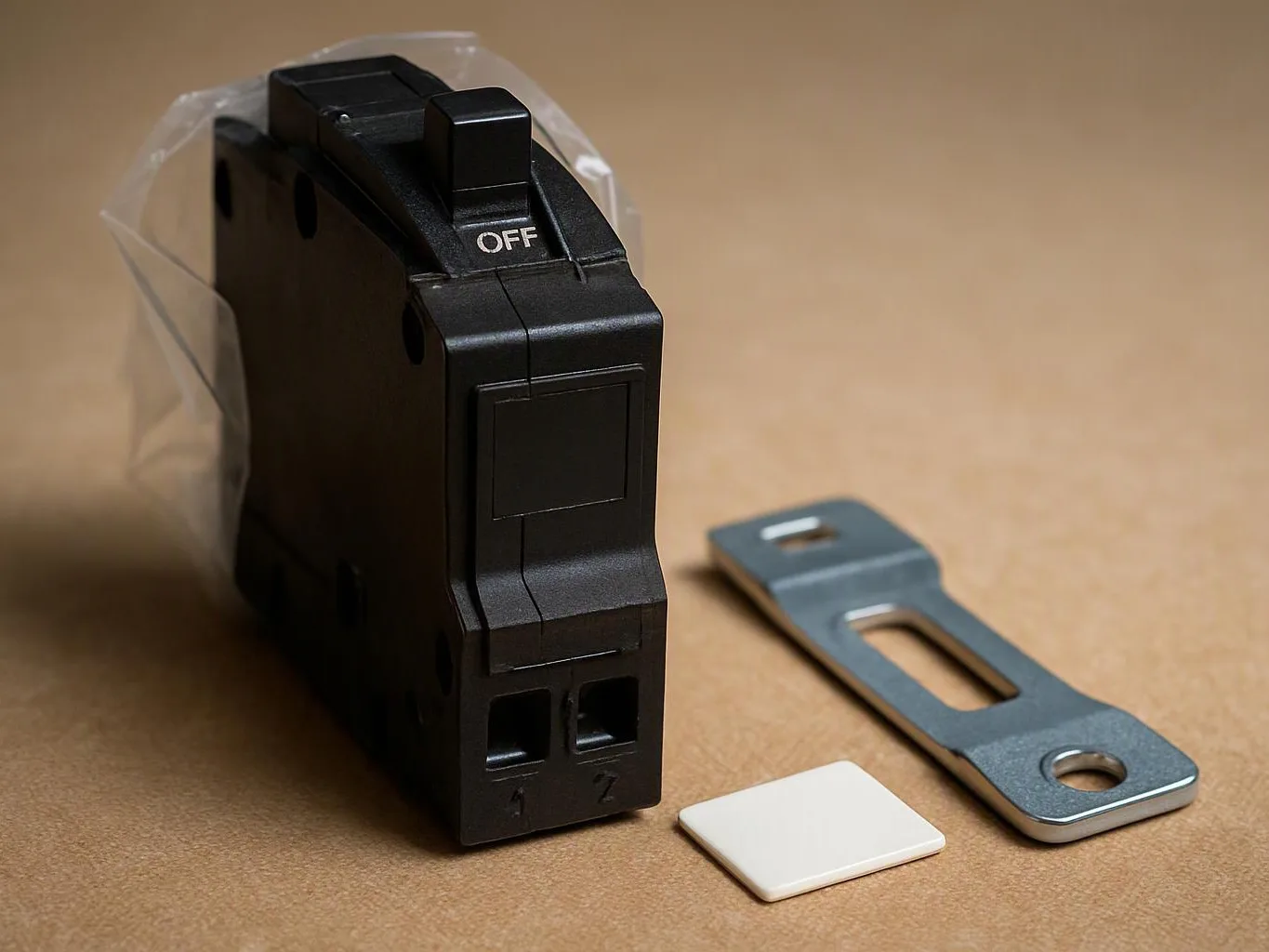
A fuse box replacement may be appropriate when the panel is damaged, obsolete, or difficult to protect correctly. An electrical panel upgrade to a circuit breaker panel may also be considered when the home needs improved circuit control and additional capacity.
Rewiring may be necessary when insulation, hidden connections, or branch circuits create ongoing safety concerns. We review code compliance as part of the repair decision and explain which work is needed for safe operation.
How We Handle an Emergency Fuse Box Repair
Our team handles emergency fuse box repair by making the area safe, diagnosing the fault, repairing the affected components, and testing the electrical system before restoring service.
What the Estimate Covers
Free Estimates Available; our estimate should explain the observed fault, recommended repair, required parts, access conditions, and testing included in the work.
We review the repair scope, replacement parts, wiring condition, panel access, and electrical testing needed for the job. The cost depends on the affected components, the condition of connected wiring, and whether targeted repair or replacement work is required.
How Fuse Box Repair Connects to Lighting and Breaker Problems
Fuse box faults can affect lighting and breaker behavior when a shared circuit, damaged connection, or upstream supply problem interrupts power. We trace the affected lighting circuits and connected loads to separate a local fault from a wider supply issue.
Flickering lights may result from a loose connection, an open circuit, or an overloaded circuit. Circuit breaker repair may be needed when a newer breaker panel is also showing trips linked to the same wiring fault.
What You Can Safely Do Before Help Arrives
You can move away from smoke, sparks, exposed conductors, and water near electrical equipment while avoiding contact with damaged components. Protecting people from the electrical emergency comes before examining the fuse box.
Questions Homeowners Ask About Older Fuse Boxes
Older fuse boxes raise practical questions about lighting, fuse replacement, circuit breakers, and home safety. Our answers focus on safe decisions and the inspection needed to identify the real fault.
A fuse box is a protective electrical enclosure that uses fuses to interrupt excessive current. The condition of the fuse box, fuse sockets, grounding, and connected electrical wiring determines whether repair is appropriate.
Questions About Emergency Fuse Box Repair for Older Homes
Can an old fuse box cause flickering lights?
Yes, an old fuse box can cause flickering lights when a loose connection, damaged fuse socket, shared circuit, or upstream supply fault interrupts power. We inspect the lighting circuit and fuse panel to locate the cause.
What should I do if my fuse box smells like burning?
A burning smell from a fuse box means you should move away from the equipment, avoid touching it, and seek urgent electrical help. San Bernardino Electrician can inspect the panel, isolate the fault, and identify heat-damaged wiring or connections.
Can I replace a blown fuse myself?
No, replacing a blown fuse is not safe when the cause of the failure is unknown, the panel is hot, or wiring is damaged. We inspect the circuit and confirm the correct fuse rating before completing fuse replacement.
When should an old fuse box be replaced with a circuit breaker panel?
An old fuse box should be replaced with a circuit breaker panel when the panel is damaged, obsolete, lacks safe capacity, or cannot properly protect the home's electrical load. We complete a load assessment and review the wiring before recommending a panel upgrade.
Why does the same fuse keep blowing in an older home?
The same fuse keeps blowing when an overloaded circuit, short circuit, damaged wiring, or faulty connected equipment continues to draw excessive current. We isolate the circuit and trace the fault before selecting a repair.
San Bernardino Electrician provides emergency fuse box repair with a safety-first inspection, clear repair scope, and controlled power restoration. Contact us to discuss the fault and request an estimate.
Related Resources
Signs You Need Circuit Breaker Repair in San Bernardino, CA
When You Need ItWhen to Call an Electrician for Burning Smells and Hot Outlets in San Bernardino, CA
When You Need ItElectrical Wiring Warning Signs: When San Bernardino Homes Need an Electrician
When You Need ItSigns Your Outdoor and Landscape Lighting Has Electrical Damage in San Bernardino, CA