How Fast Can a 24-Hour Electrician Arrive and Finish the Repair?
A 24-hour electrician may arrive within 30 to 120 minutes. An emergency electrical repair may take 1 to 4 hours after diagnosis. Simple lighting, fuse, or smoke detector repairs may finish quickly. Circuit breaker and fuse box problems can take longer. Hidden wires, missing parts, limited access, and safety risks may add time. The electrician first makes the area safe. Next, the electrician finds the fault and explains the repair plan. The completed work is tested before the call ends. Severe damage, rewiring, utility issues, or permits may require another visit.
Get a Free Estimate
24 Hour Electrician service puts safety first. It doesn't promise a rushed repair time.
At SanBernardino-Electrician.com, we ask about your symptoms and access needs. We also ask about any safety risks. Clear details help our team bring the right tools. They can also provide a better arrival window.
The 24-hour electrician response time differs from the repair time. Both depend on the problem, access, parts, and safety tests. Dispatch time covers travel to your property. Repair time starts after the electrician begins the inspection.
How Quickly Can a 24-Hour Electrician Arrive?
Emergency electrician response time may range from 30 to 120 minutes. This estimate assumes a nearby technician is available. Call volume, traffic, weather, and fault severity can change it. Accurate access details also matter. Same-day emergency electrician service is often possible. A confirmed dispatch gives the best arrival window.
People often search “24 hour electrician how quickly can they come?” No careful provider can promise one arrival time before reviewing the problem. Smoke from a panel may raise the call's priority. Power loss in one room may receive a different priority. A medical device or whole building outage may need faster action.
Tell us if all power is out or only some power is lost. Mention flickering lights, warm outlets, or a tripped circuit breaker. Also report buzzing, sparks, or a burning smell. Tell us where the panel sits and if a gate is locked. Let us know if the affected room is easy to reach. These details help the team plan the call.
Traffic and weather can delay an accepted service call. A utility power outage can cause another delay. The electrician may not restore power until the utility repairs its equipment. The electrician can still inspect your home system. They can make it safe or return after power comes back.
Keep people and pets away from the problem area. Don't open a panel or touch damaged wires. Leave at once if you see active smoke or fire. Then contact emergency services. Arrange a service call after the danger is under control.
How Long Does an Emergency Electrical Repair Take?
Emergency electrical repair commonly takes 1 to 4 hours after diagnosis. A simple repair may take less than one hour. Hidden wire damage can take longer. Fire damage, missing parts, and unsafe conditions can also add time. Some problems need follow-up work.
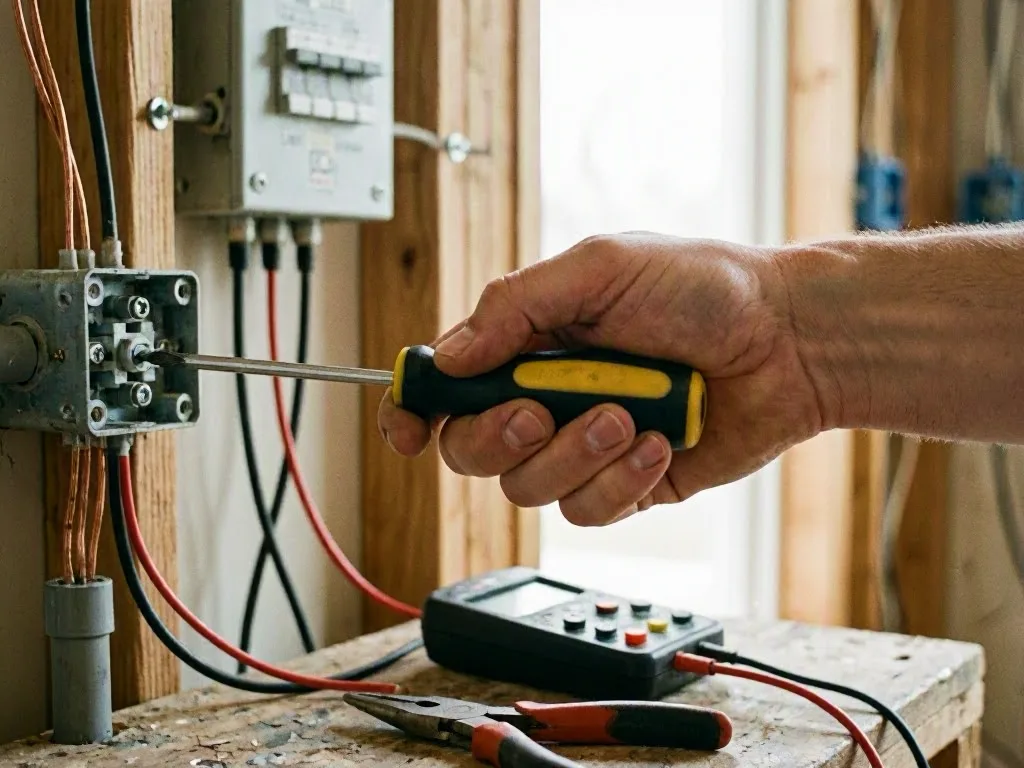
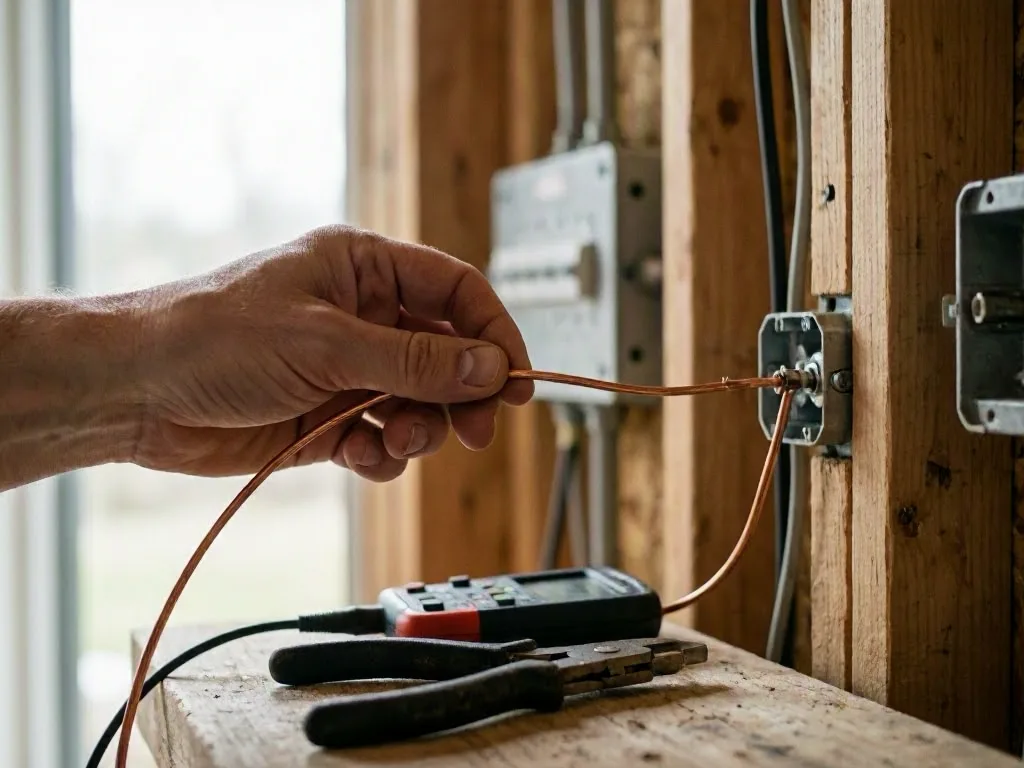
The work clock starts with an electrical safety check. It doesn't start with part replacement. The technician may shut off power and inspect the electrical panel. They may also test voltage and trace the fault. These steps show the true repair needs.
| Project scope | Typical duration after diagnosis | What may affect the time |
|---|---|---|
| Simple | Less than 1 to 2 hours | Easy fixture access, clear fault, common part |
| Average | About 2 to 4 hours | Circuit tracing, panel work, tests, or several devices |
| Complex | More than 4 hours or a second visit | Hidden wires, fire damage, rewiring, permits, or special parts |
These ranges are typical. They aren't a promise. A lighting repair.smoke detector repairmay finish in one visit. This depends on sound wiring and available parts.fuse box repair may take longer. Old boxes, damaged connections, or a panel upgrade may add work.
A temporary safe repair may bring back limited service. It may not fix the full problem. For example, the team may isolate a damaged branch circuit. This can happen until workers reach hidden wires. Larger rewiring projects may need planning and permits. Utility faults may also need another visit.
How Long Does a Circuit Breaker Repair Take?
Circuit breaker repair may take 1 to 3 hours. This estimate applies when the panel is easy to reach. It also assumes the cause is clear. A simple replacement may take less time. Repeated trips need more testing. The cause could be an overload, short circuit, loose connection, appliance, or cable.
The technician won't just reset the breaker. The circuit needs a full safety check. The technician checks voltage and connections. They also look for heat damage. If the breaker trips again, the fault may be hidden. It could be inside a wall, appliance, or another circuit point.
An overloaded circuit may need less electrical load. A short circuit must be found before power returns. Panel work can also take longer. Missing labels, crowded wires, corrosion, and heat damage cause delays.
Ask “how long does a circuit breaker repair take?” Share the panel location first. Then explain what the breaker does. Does it trip right away or after several minutes? Does it refuse to reset? These details help identify the likely problem.
What Makes an Emergency Repair Faster or Slower?
Emergency repair duration depends on six main factors. These include the fault, access, parts, wiring, power shutoff, and testing. Clear symptoms can shorten the visit. Hidden damage and old equipment can add time. Utility problems can delay both arrival and repair.
Speed must never replace safe work. Our crews may stop and isolate a circuit. They may also suggest a return visit. This can happen when the problem points to a larger risk.
Share the breaker behavior and visible damage when you call. Tell us how many outlets or lights have lost power. Also explain the access conditions. Don't remove covers or expose wires. A safe description helps more than a risky inspection.
What Happens During an Emergency Electrical Repair?
Electrical safety assessment comes first. An emergency electrician checks for immediate hazards. The electrician shuts off power when needed. Suitable tools help locate the electrical fault. The technician explains the repair scope next. The team completes an approved repair when possible. Power returns only after safe testing. The circuit, fixture, breaker, fuse box, or smoke detector is checked before leaving.
The electrician first asks what happened. They ask what changed before the problem started. They may look for an outage, burning smell, sparks, heat, water, or damaged insulation. They may also check the device that failed. This history helps guide the tests.
Next comes power isolation. The technician may shut off a local circuit. They may use the main disconnect instead. Voltage testing confirms whether wires still carry power. This protects people and workers. It also prevents work on a live circuit.
After finding the fault, we explain the repair estimate. We also explain your available choices. A code-compliant repair may replace a breaker or fixture. It may repair a connection or secure loose wiring. A damaged safety device may need replacement. Rewiring or permit work needs more planning. We explain why that work isn't a quick part swap.
We connect the symptom to its cause. We don't treat only the visible result. For example, a tripped breaker may signal an overloaded circuit. Replacing it alone could let the danger return.
Final testing shows whether the repair works safely. The electrician may test voltage and switches. They may check the breaker, fuse, and connections. They may also test a smoke detector. The area should be left safe. Any needed follow-up should be explained clearly.
When Should You Stop Waiting and Call an Emergency Electrician?
Electrical fire risk needs immediate action. Call an emergency electrician for a burning smell or smoke. Call for sparks, a hot outlet, or repeated breaker trips. Exposed wires and damaged panels also need help. Power loss with visible damage needs urgent attention. A failed smoke detector is another reason to call.
Evacuate first if there is fire or active smoke. Then contact emergency services. Don't stay inside to find the source. After everyone is safe, an electrician can inspect the system. They can advise about an emergency shutoff. Never enter a dangerous area to reach it.
Don't keep resetting a circuit breaker. Don't touch sparking outlets or wet electrical items. Stay away from loose wires and damaged panels. You may shut off the main disconnect if it is safe to reach. Don't enter smoke, water, or fire to reach it. Leave the power off and wait for trained help.
A failed smoke detector needs prompt attention. The rest of the home may still have power. The device may need a battery or replacement. It may also need wiring repair or system testing. Silence doesn't prove that the detector is safe.
Questions About 24 Hour Electrician
24 Hour Electrician How Quickly Can They Come?
A 24-hour electrician may arrive in 30 to 120 minutes. This assumes a nearby technician is available. Traffic, weather, call volume, fault severity, and access can change the window.
What Is the Typical Emergency Electrician Response Time?
The typical emergency electrician response time ranges from 30 to 120 minutes. This applies when a nearby technician is available. A confirmed dispatch gives a more accurate arrival window.
Can I Get a Same Day Emergency Electrician?
Yes, same-day emergency electrician service is often possible. Availability depends on current calls, technician location, and travel conditions. It also depends on the urgency of the electrical problem.
How Long Does an Emergency Electrical Repair Take?
An emergency electrical repair commonly takes 1 to 4 hours after diagnosis. Lighting or detector work may finish sooner. Hidden wires, fire damage, missing parts, or rewiring may need more time. Some jobs need another visit.
How Long Does a Circuit Breaker Repair Take?
A circuit breaker repair may take 1 to 3 hours. This applies when the cause is clear and the panel is easy to reach. Repeated trips, short circuits, damaged wires, or old panels can add time.
Describe the symptoms and breaker behavior when you call. Mention visible damage and access issues. We can then separate travel, diagnosis, repair, and safety testing.
Contact our electrical team to discuss an urgent electrical problem.
Related Resources
Signs You Need Circuit Breaker Repair in San Bernardino, CA
signs you need circuit breaker repair
When You Need ItWhen to Call an Electrician for Burning Smells and Hot Outlets in San Bernardino, CA
when to call an electrician for burning smell from outlet
When You Need ItElectrical Wiring Warning Signs: When San Bernardino Homes Need an Electrician
warning signs electrical wiring needs to be replaced
When You Need ItSigns Your Outdoor and Landscape Lighting Has Electrical Damage in San Bernardino, CA
signs outdoor lighting wiring is bad