Outlet Repair or a Dedicated Circuit: Finding the Right Solution
Outlet repair suits a damaged or loose receptacle when the existing circuit is adequate, while dedicated circuit installation suits an appliance that needs separate capacity or has recurring overload symptoms. San Bernardino Electrician checks the outlet, wiring, load, and panel before recommending the safer solution.
Get a Free EstimateHow Outlet Repair and Dedicated Circuit Installation Differ
Outlet repair addresses a localized receptacle or connection problem, while dedicated circuit installation adds a separate supply for equipment that needs more capacity or isolation. We compare the branch circuit, appliance load, wiring, and panel before choosing either electrical service.
The right option depends on the fault, the equipment requirements, and the condition of the existing electrical system. Our team also explains the quote scope, project steps, and maintenance needs before work begins.
| Factor | Outlet Repair | Dedicated Circuit Installation | Planning Note |
|---|---|---|---|
| Cost drivers | Receptacle condition, connection repairs, and access to wiring | Panel capacity, wire routing, breaker, and receptacle type | We review the work before preparing a quote |
| Project timeline | Usually limited to the affected outlet and branch-circuit connection | Includes circuit planning, routing, panel work, and testing | Access and routing affect the work plan |
| Maintenance | Monitor the repaired receptacle for heat, looseness, or damage | Monitor the appliance circuit, breaker, and receptacle | Safe operation depends on correct load use |
| Best use case | A localized receptacle or connection fault | A major appliance or recurring shared-circuit overload | The appliance nameplate guides the decision |
What Outlet Repair Can Solve
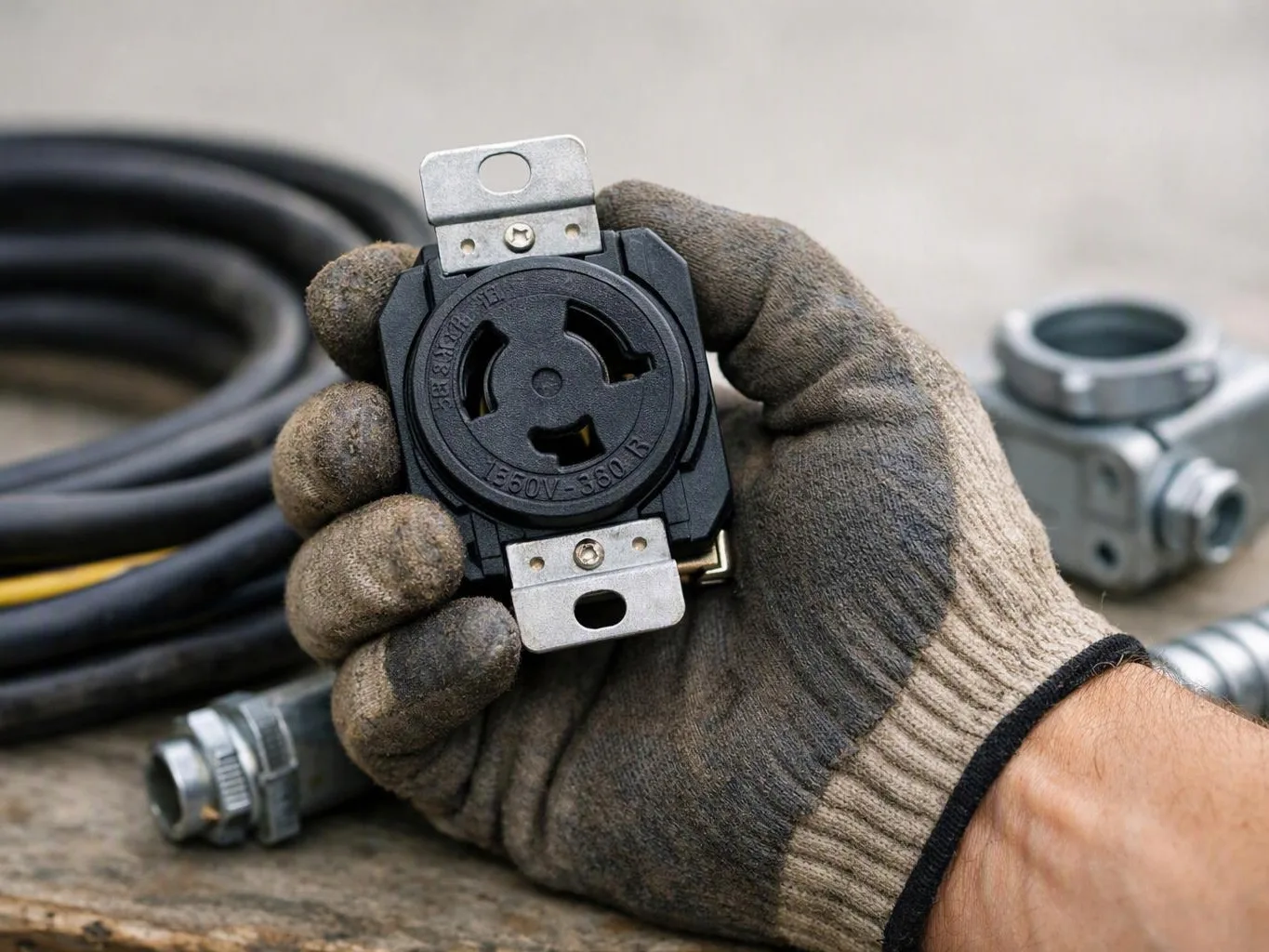
Outlet repair can solve a damaged, loose, warm, sparking, or improperly connected receptacle when the branch circuit and wiring are otherwise suitable. We inspect the outlet, terminals, grounding path, and nearby wiring before completing a repair or receptacle replacement.
A damaged faceplate can expose the receptacle to further impact. Burn marks, a loose outlet, or a failed backstab connection can point to a poor electrical connection. We correct the connection and confirm grounding when the existing circuit is appropriate.
GFCI receptacle repair and standard receptacle replacement may involve different testing requirements. Our team checks the device type and circuit behavior before selecting the replacement.
Advantages of Outlet Repair
Outlet repair focuses on the affected receptacle when testing shows that the existing branch circuit can safely serve the connected equipment. This keeps the work focused on the localized fault.
Best for a localized receptacle fault with suitable branch-circuit wiring and no evidence of excessive appliance load.
Best for a Localized Receptacle Problem
A damaged receptacle, loose terminal, or faulty wall outlet is best suited to outlet repair when the branch circuit passes testing. We trace the connection and check for hidden heat or grounding concerns before restoring use.
A receptacle that fails while other devices operate normally may still have a wiring fault behind the box. Our crew tests the circuit instead of treating the visible device as the only possible cause.
When a Dedicated Circuit Is the Better Solution
Dedicated circuit installation is the better solution when a major appliance needs its own branch circuit or when shared demand causes repeated trips, dimming, heat, or unreliable operation. We review the circuit breaker, appliance load, voltage drop, and electrical panel before recommending circuit separation.
A continuous load can place steady demand on shared wiring. An overloaded circuit may also cause a tripped breaker or warm receptacle. We assess the load and wiring to determine whether a dedicated branch circuit is appropriate.
Panel capacity matters because a new circuit needs a suitable breaker position and compatible equipment. Our team checks the panel before planning wire routing or a dedicated receptacle.
Advantages of Dedicated Circuit Installation
A dedicated circuit separates a high-demand appliance from other connected devices. This can reduce shared demand and support more reliable equipment operation when the panel and wiring support the plan.
Best for large appliances or high-demand equipment that requires separate electrical capacity.
Best for Equipment That Needs Separate Electrical Capacity
A large appliance or high-demand equipment is best served by a dedicated receptacle when its electrical load exceeds what shared use can safely support. We use the nameplate rating and manufacturer requirements to guide the circuit plan.
Separate capacity may also help when shared equipment causes voltage drop, dimming, or repeated breaker trips. Our team confirms that the electrical panel, wire size, grounding, and route match the equipment needs.
Which Safety Signs Need Electrical Troubleshooting?
Electrical troubleshooting is needed when an outlet is hot, discolored, sparking, buzzing, damaged, or linked to repeated breaker trips because the visible receptacle may not be the only fault. We stop at the symptom and test the receptacle, branch circuit, breaker, and wiring.
Scorch marks and a burning odor can indicate heat at a terminal or within the box. A shock hazard can also result from failed grounding or damaged insulation. Our team checks the source before recommending repair or circuit modification.
Do not keep resetting a breaker that trips during normal use. Repeated trips can signal an overloaded circuit, a wiring fault, or an appliance problem that needs testing.
How We Decide Between Repair and a New Circuit
Our decision follows an electrical inspection that separates a receptacle defect from a branch-circuit or panel-capacity problem. We explain the finding before recommending outlet repair or a new circuit.
What Appliance Plans Should Include Before Installation?
Appliance planning should confirm the manufacturer's electrical requirements, the available panel capacity, the circuit route, the receptacle type, and the grounding arrangement before installation begins. We use the nameplate rating to match the appliance with the planned circuit.
The plan should identify circuit voltage, wire size, breaker requirements, and the location of the dedicated receptacle. Our team also reviews wire routing and access so the installation fits the building and equipment layout.
When an appliance is being added to an existing room, we check whether the current outlet and branch circuit can support it. If not, we plan a dedicated branch circuit that meets the equipment requirements.
What Changes the Cost of This Electrical Work?
The cost of this electrical work depends on whether the issue is localized, how much troubleshooting is required, the condition and accessibility of the wiring, panel capacity, and the equipment requirements. We provide a Free Estimates Available quote after reviewing the work.
Outlet repair cost drivers include the receptacle type, damaged connections, grounding condition, and access to the electrical box. Dedicated circuit installation cost drivers include wire routing, panel work, breaker selection, receptacle type, and the appliance load.
Our quote scope explains the recommended repair or installation, the parts involved, the wiring work, and the testing included. You can request an assessment through Outlet Repair service options.
How to Prepare for an Outlet or Circuit Assessment
Preparation helps our team connect the symptoms to the correct circuit and appliance demand. Gather the information below before the assessment.
When Should You Stop Using the Outlet?
Electrical safety requires you to stop using an outlet immediately when it produces smoke, sparks, a burning smell, unusual heat, or visible damage, and arrange electrical troubleshooting before restoring use.
Stop using the outlet after water exposure and keep people away from the area. Do not touch damaged parts or repeatedly reset the circuit breaker. We inspect the outlet and related wiring to identify the cause.
If the condition creates an immediate danger, move away from the area and contact appropriate emergency services. After the area is safe, San Bernardino Electrician can assess the electrical fault and explain the repair path.
Questions About Outlet Repair and Dedicated Circuits
Can a bad outlet cause a breaker to trip?
Yes, a bad outlet can cause a breaker to trip when damaged connections, arcing, grounding faults, or connected equipment create unsafe current flow. San Bernardino Electrician tests the receptacle and branch circuit to identify whether the outlet or another part of the circuit is responsible.
Does a new appliance always need a dedicated circuit?
No, a new appliance does not always need a dedicated circuit. The decision depends on the appliance requirements, load, existing circuit capacity, receptacle type, and manufacturer instructions. We complete a load assessment before recommending circuit separation.
Can I replace an outlet without changing the circuit?
Yes, you can replace an outlet without changing the circuit when the branch-circuit wiring, grounding, breaker, and load are suitable. We test those conditions before completing receptacle replacement.
What should I do if an outlet feels warm?
Stop using a warm outlet, unplug connected equipment if it is safe to do so, and arrange electrical troubleshooting. We check for loose connections, overload, damaged wiring, and receptacle failure before the outlet is used again.
How does an electrician determine whether a circuit is overloaded?
We determine whether a circuit is overloaded by reviewing connected equipment, appliance nameplate ratings, breaker behavior, wiring condition, and measured circuit performance. Our load assessment shows whether outlet repair is suitable or a dedicated branch circuit is needed.
When an outlet symptom may involve wiring, load, or panel capacity, San Bernardino Electrician can inspect the system, explain the options, and prepare a Free Estimates Available quote for the recommended electrical work.