How to File a Homeowners Insurance Claim for Electrical Damage
Insurance claims for electrical damage begin with documenting the loss safely, contacting your insurer, preserving evidence, and arranging an inspection and repair; San Bernardino Electrician can assess circuit breakers, fuse boxes, and lighting systems and provide a clear estimate for the claim process.
Get a Free EstimateElectrical damage can affect a home’s wiring, electrical panel, outlets, switches, light fixtures, and other connected equipment. We help connect the visible damage to a clear repair scope for the insurance process.
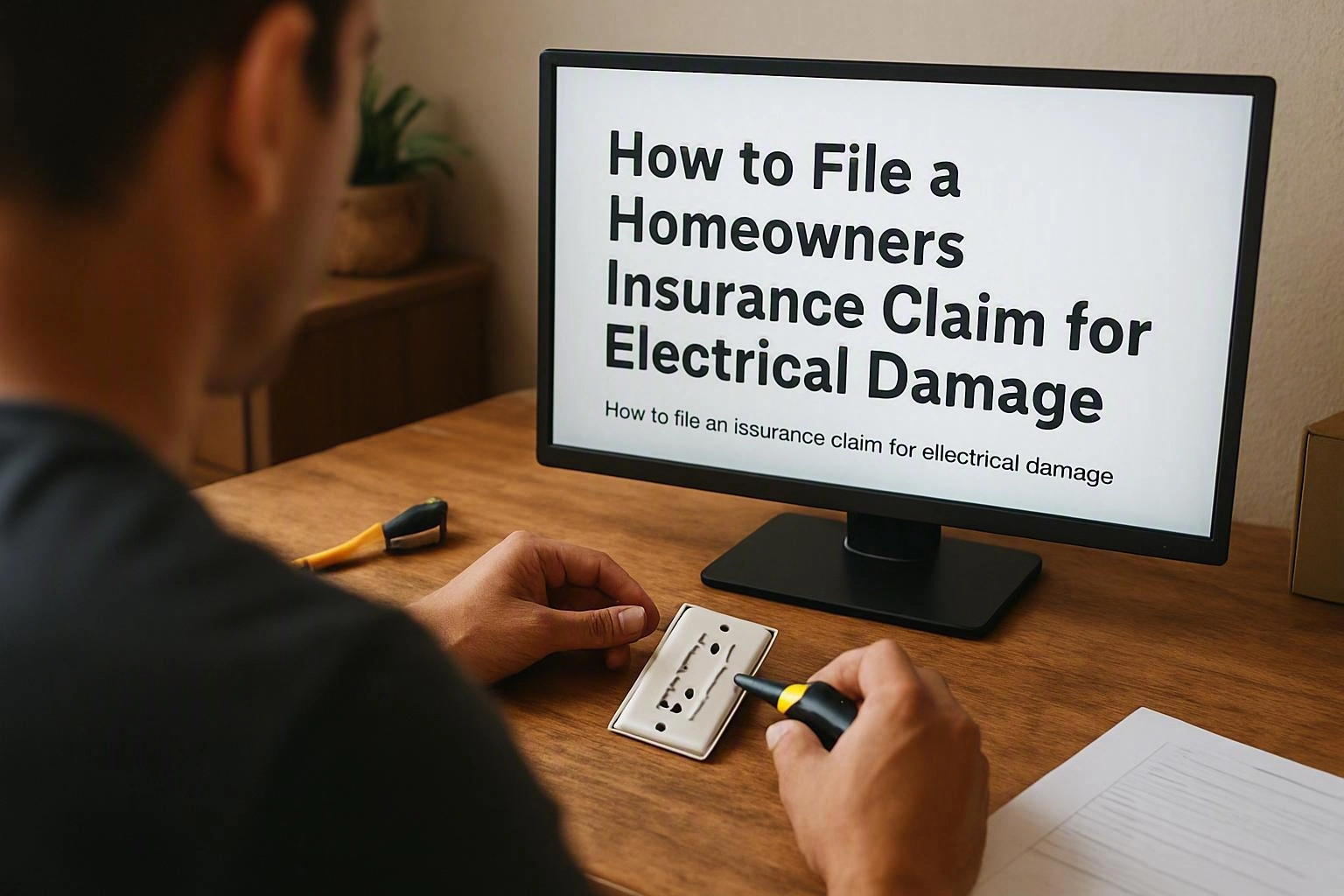
When Electrical Damage May Qualify for an Insurance Claim
Electrical damage may qualify for a homeowners insurance claim when the loss results from a covered event and the policy does not exclude the cause or affected equipment.
Homeowners insurance often reviews the cause of loss before reviewing the damaged component. A covered peril may include an event named in the policy, while a policy exclusion may remove certain causes, equipment, or conditions from coverage.
The deductible also affects how the claim proceeds because the policyholder may be responsible for that portion of the covered loss. We document the condition of the circuit breaker, fuse box, wiring, or lighting system without promising that the insurer will approve coverage.
What to Do Immediately After Electrical Damage
Electrical safety comes first after damage, so shut off power only when it is safe, avoid touching damaged equipment, and preserve the area for documentation and inspection.
Power outages, smoke, heat, or visible damage can create a fire hazard. We assess the condition before repair work begins and help identify whether a safe shutdown is possible.
How to File an Insurance Claim for Electrical Damage
Filing an insurance claim for electrical damage requires documenting the loss, contacting the insurer, coordinating the adjuster inspection, confirming the repair scope and estimate, obtaining approval, completing the work, and submitting the final invoice for review.
We organize our electrical findings around the insurer’s claim process so the damage documentation and proposed work are easy to review.
Our team can provide Free Estimates Available for the repair scope so the electrical findings are clearly separated from coverage decisions made by the insurer.
What Evidence Supports an Electrical Damage Claim?
Damage documentation for an electrical claim includes clear photographs, videos, records of the event, relevant maintenance documents, and an electrical inspection describing the visible damage and likely cause.
Photographs should show both close details and the surrounding property damage. Videos can help show flickering lights, repeated breaker activity, or other conditions that may not remain visible during the inspection.
Receipts and maintenance records can help establish the condition of affected equipment before the event. We prepare an inspection report that describes what we found, what appears damaged, and what work the repair scope requires.
How an Electrical Repair Estimate Supports the Claim
An electrical repair estimate supports a claim by connecting the documented damage to the required scope of work, materials, labor, and safety corrections.
Our estimate can separate circuit breaker repair, fuse box repair, and lighting repair when those systems have different damage or access requirements. It can also identify replacement materials and code compliance work needed to restore a safe electrical system.
The estimate does not decide whether the homeowners insurance policy covers the loss. It gives the claims adjuster a clear basis for comparing the observed condition with the proposed repair.
Mistakes That Can Jeopardize an Electrical Damage Claim
Coverage-voiding mistakes can make the claim review harder and may affect how the insurer evaluates the loss. Preserve the damaged area while taking reasonable steps to protect people and property from immediate danger.
We document emergency conditions and explain which work is needed for safety before the full repair scope is reviewed.
How to Coordinate Electrical Repairs After Claim Approval
Electrical repairs should follow the approved claim scope, with the repair team documenting completed circuit breaker, fuse box, or lighting work for the final invoice and insurer review.
We compare the approved repair authorization with the observed conditions before work begins. If hidden damage or a necessary safety correction changes the scope, we document the condition and communicate it for review before adding non-emergency work.
Our crew records the completed repairs, replaced materials, and final testing. The final invoice then shows what work was performed and supports the insurer’s closing review.
What Changes the Cost of an Insurance-Related Electrical Repair
Electrical repair cost depends on the damage severity, fault location, condition of the electrical equipment, access required, materials, labor, and the portion covered by the policy; San Bernardino Electrician provides Free Estimates Available for the repair scope.
Damage inside an accessible panel can require a different scope from damage concealed behind finished surfaces. The condition of the panel, wiring access, replacement parts, and code compliance needs can also change the work required.
We inspect the affected system and explain which tasks, parts, and labor appear necessary. You can request an exact estimate from us after the electrical condition and claim scope are documented.
When to Ask for an Electrical Inspection
An electrical inspection is appropriate when damage causes sparking, burn marks, repeated breaker trips, blown fuses, flickering lights, damaged wiring, or other signs of unsafe electrical conditions.
Fire damage and surge damage can affect components that do not fail immediately. We inspect the visible equipment and related circuits to help identify unsafe conditions and define the repair scope.
Stop using equipment that shows heat, smoke, arcing, or damage until the area can be made safe. Contact San Bernardino Electrician so our team can assess the electrical system and prepare documentation for the claim review.
Questions About Homeowners Insurance Claims for Electrical Damage
Can I file a homeowners insurance claim for a tripped circuit breaker?
Yes, a tripped circuit breaker can support a homeowners insurance claim when the trip relates to a covered event and the policy does not exclude the cause. San Bernardino Electrician can inspect the breaker, connected wiring, and affected loads to document whether visible damage is present.
Does homeowners insurance cover electrical wiring damage?
Homeowners insurance may cover electrical wiring damage when a covered peril caused the loss and no policy exclusion applies. We document the wiring condition and likely cause, while the insurer decides coverage.
Should I repair electrical damage before the insurance adjuster arrives?
No, you should not begin non-emergency electrical repairs before the claims adjuster can inspect the damage. Take reasonable steps to stop an immediate safety hazard, preserve evidence, and document the condition first.
What happens if the insurance adjuster and electrician disagree about the repair scope?
A repair-scope disagreement requires clear documentation of the observed damage, safety concerns, required materials, and proposed labor. We can explain our electrical findings and identify which items are needed for a safe repair so the insurer can complete its coverage review.
Can I claim electrical damage caused by a power surge?
Yes, you can report power-surge damage for a coverage review, but approval depends on the homeowners insurance policy, the cause of the surge, and any applicable exclusions. We inspect affected breakers, wiring, outlets, lighting systems, and connected equipment for visible damage.
What should I do if electrical damage creates an immediate safety hazard?
Leave the area and contact emergency services when smoke, fire, exposed energized wiring, or another immediate danger is present. After the immediate hazard is addressed, avoid touching damaged equipment and contact San Bernardino Electrician for an electrical safety assessment.
Insurance claim support for electrical damage starts with safe documentation and a clear repair scope. Contact San Bernardino Electrician through our contact page so we can assess the affected electrical system and prepare the information needed for insurer review.
Related Resources
Signs You Need Circuit Breaker Repair in San Bernardino, CA
When You Need ItWhen to Call an Electrician for Burning Smells and Hot Outlets in San Bernardino, CA
When You Need ItElectrical Wiring Warning Signs: When San Bernardino Homes Need an Electrician
When You Need ItSigns Your Outdoor and Landscape Lighting Has Electrical Damage in San Bernardino, CA