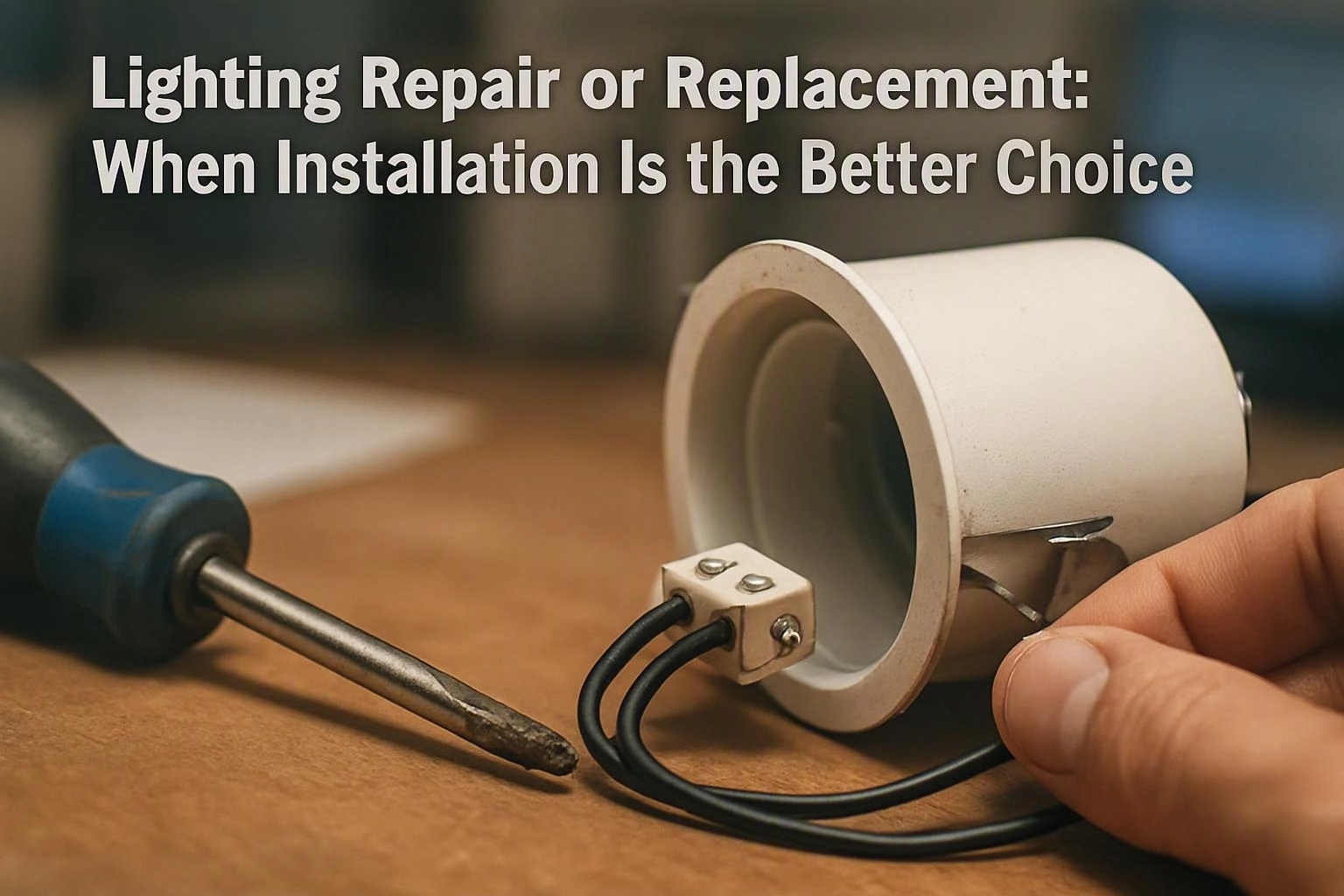
Lighting Repair or Replacement: When Installation Is the Better Choice
Lighting repair or replacement depends on the fault, fixture condition, safety risk, compatibility, and expected reliability; San Bernardino Electrician checks the existing system and recommends repair, replacement, or installation based on those conditions.
Get a Free EstimateShould You Repair or Replace Your Lighting?
Lighting repair is appropriate when the existing fixture and wiring remain safe and serviceable, while replacement or installation is better when the fault involves damaged equipment, poor compatibility, or recurring failure.
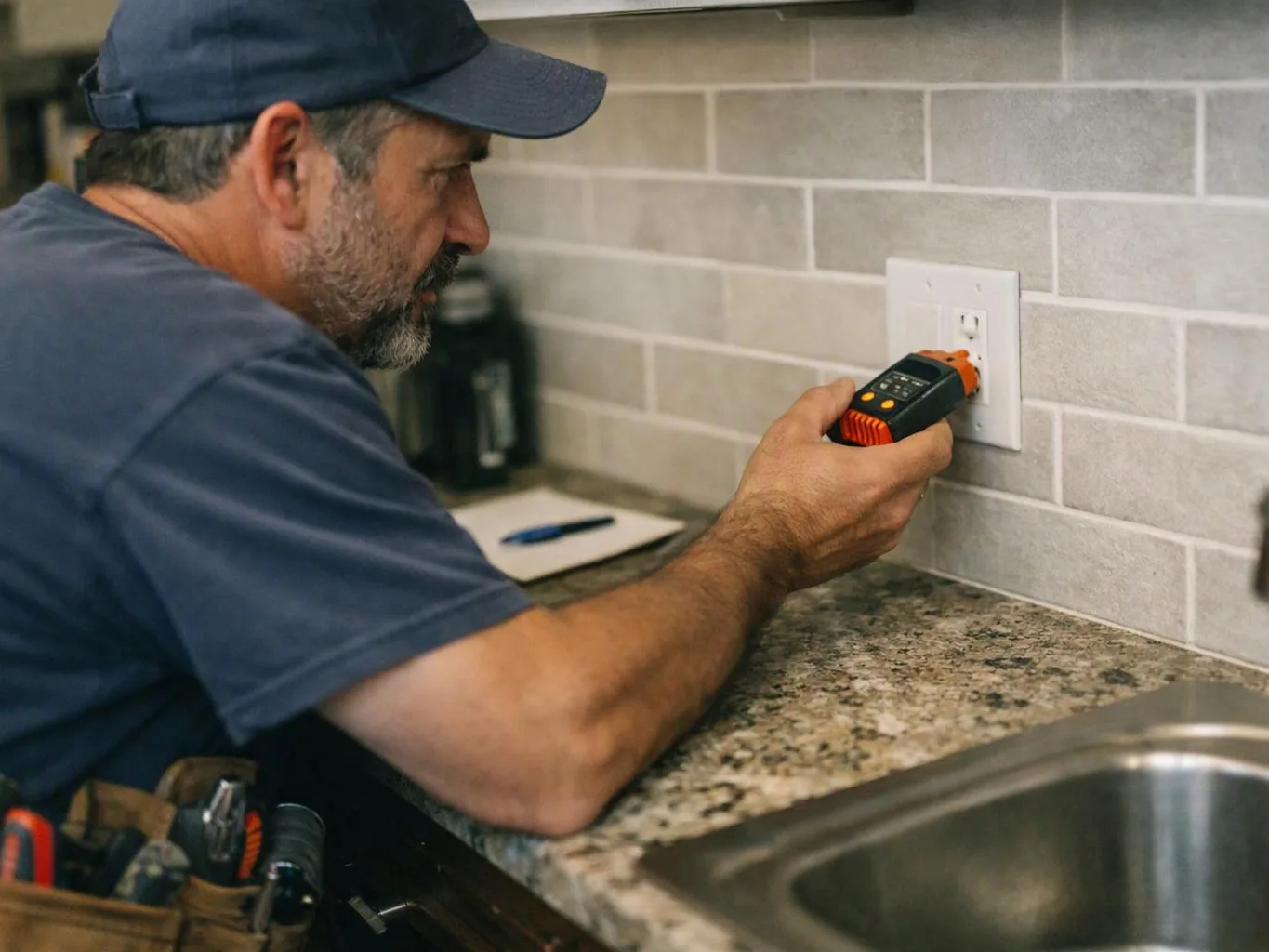
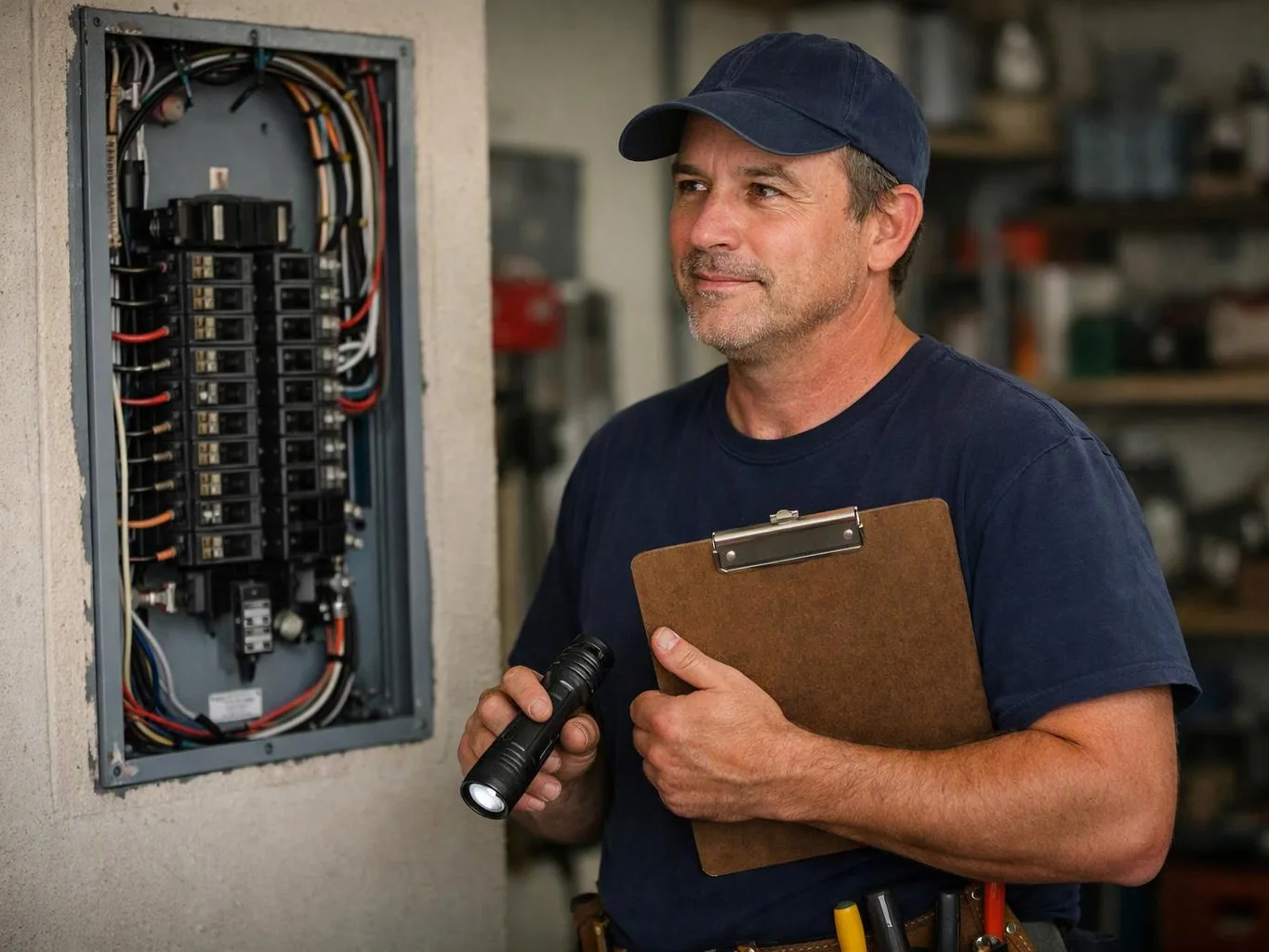
We inspect the electrical fault and the light fixture before making a repair decision. A sound fixture with an isolated problem may need a switch, socket, bulb, or connection repair. A worn fixture may make replacement the safer installation choice.
When Is Lighting Replacement Safer Than Repair?
Lighting replacement is safer when the fixture shows heat damage, structural deterioration, repeated electrical faults, or wiring conditions that make continued operation unreliable.
Overheating, burn marks, a burning smell, or a buzzing fixture can indicate an electrical safety concern. Exposed wiring and loose connections can also create unsafe operating conditions.
We check the damaged fixture, its mounting points, and nearby wiring. Obsolete lighting may also have poor fixture compatibility with modern controls or LED lighting, so we plan a replacement that suits the existing circuit.
When Does Lighting Repair Still Make Sense?
Lighting repair makes sense when the fault is isolated, the fixture is in sound condition, and the existing installation can safely support continued use.
Our team identifies the failed part and tests the circuit connection before repairing it. Common repair situations include the following:
When Do You Need Both Lighting Repair and Installation?
Lighting repair and installation belong in the same project when the existing electrical system needs correction before it can safely support a new fixture.
We plan the repair work and the installation requirements together so the finished lighting layout operates as intended. These situations commonly require both services:
How Do Lighting Repair and Installation Work Together?
Lighting repair and installation work together as a planned sequence when the existing system must be made ready for a new or replacement fixture.
Our team connects the repair scope to the installation scope so the work addresses both the immediate fault and the intended lighting result.
What Does San Bernardino Electrician Check Before Recommending a Solution?
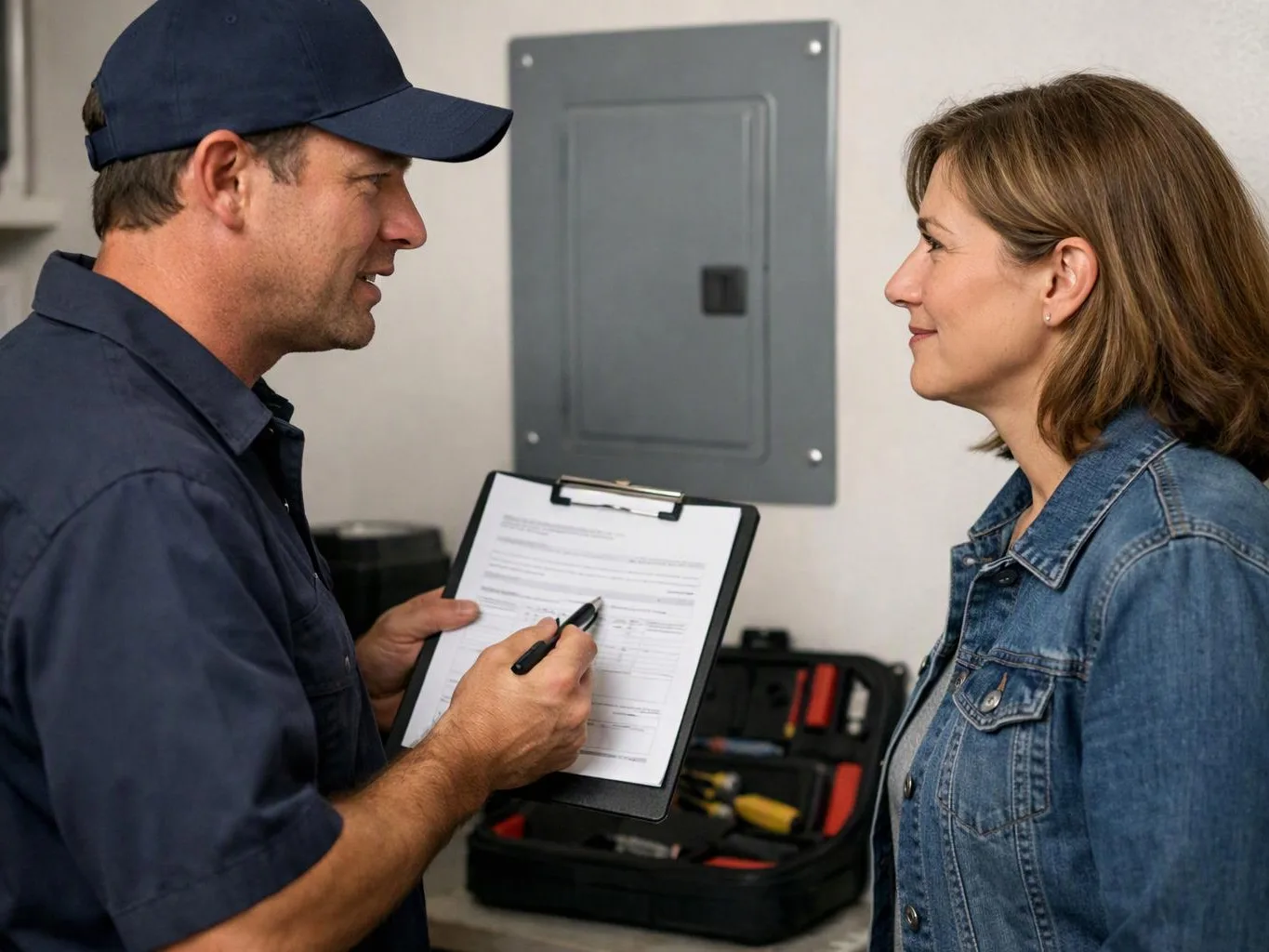
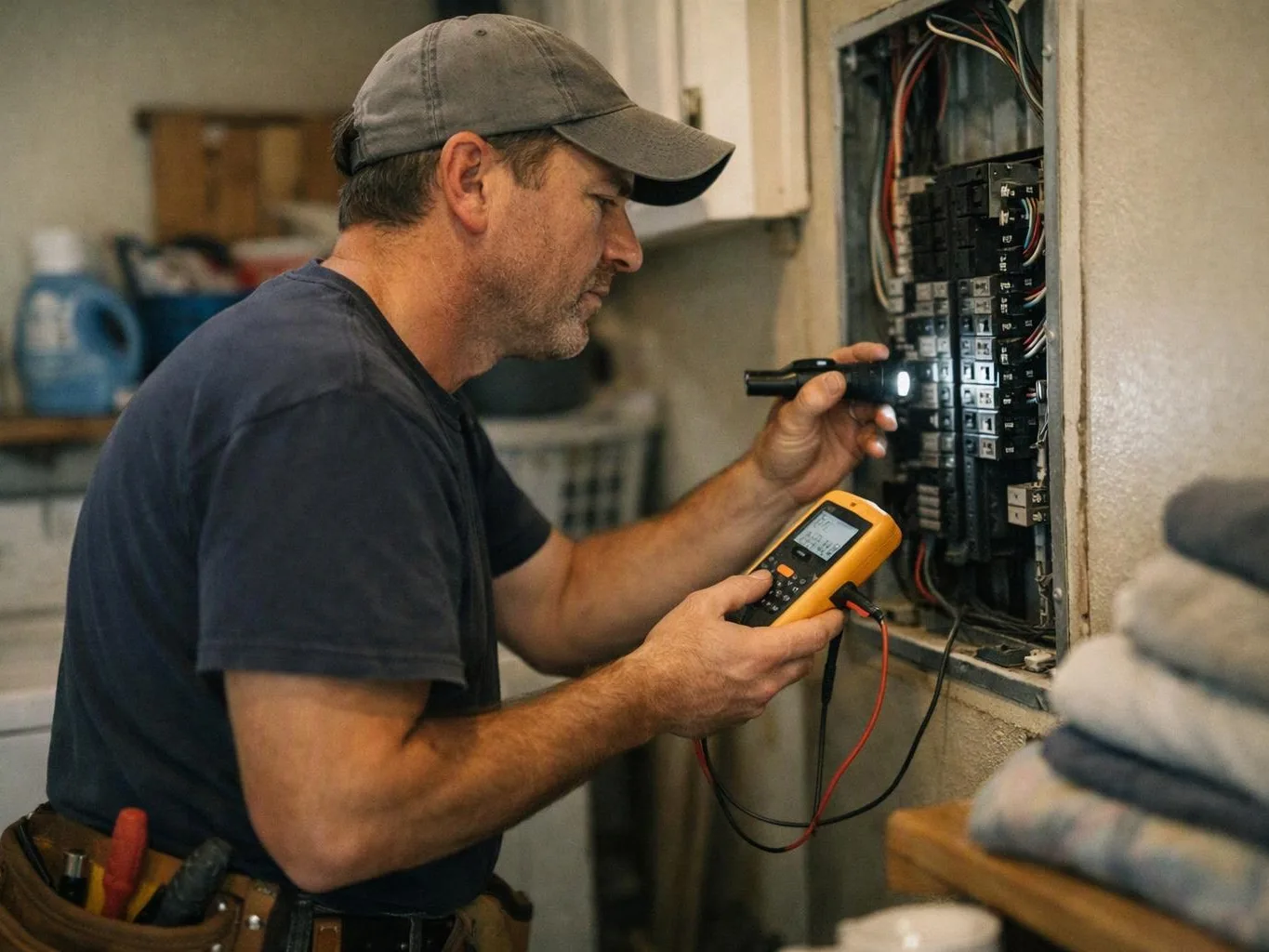
San Bernardino Electrician checks the fixture, wiring, controls, circuit, and safety conditions before recommending repair, replacement, or installation.
Our inspection follows a clear sequence so the repair decision reflects the full electrical system.
How Is the Lighting Work Scoped and Quoted?
The lighting quote depends on the fault location, fixture type, access, wiring condition, circuit work, and whether the project requires repair alone or installation with related electrical changes.
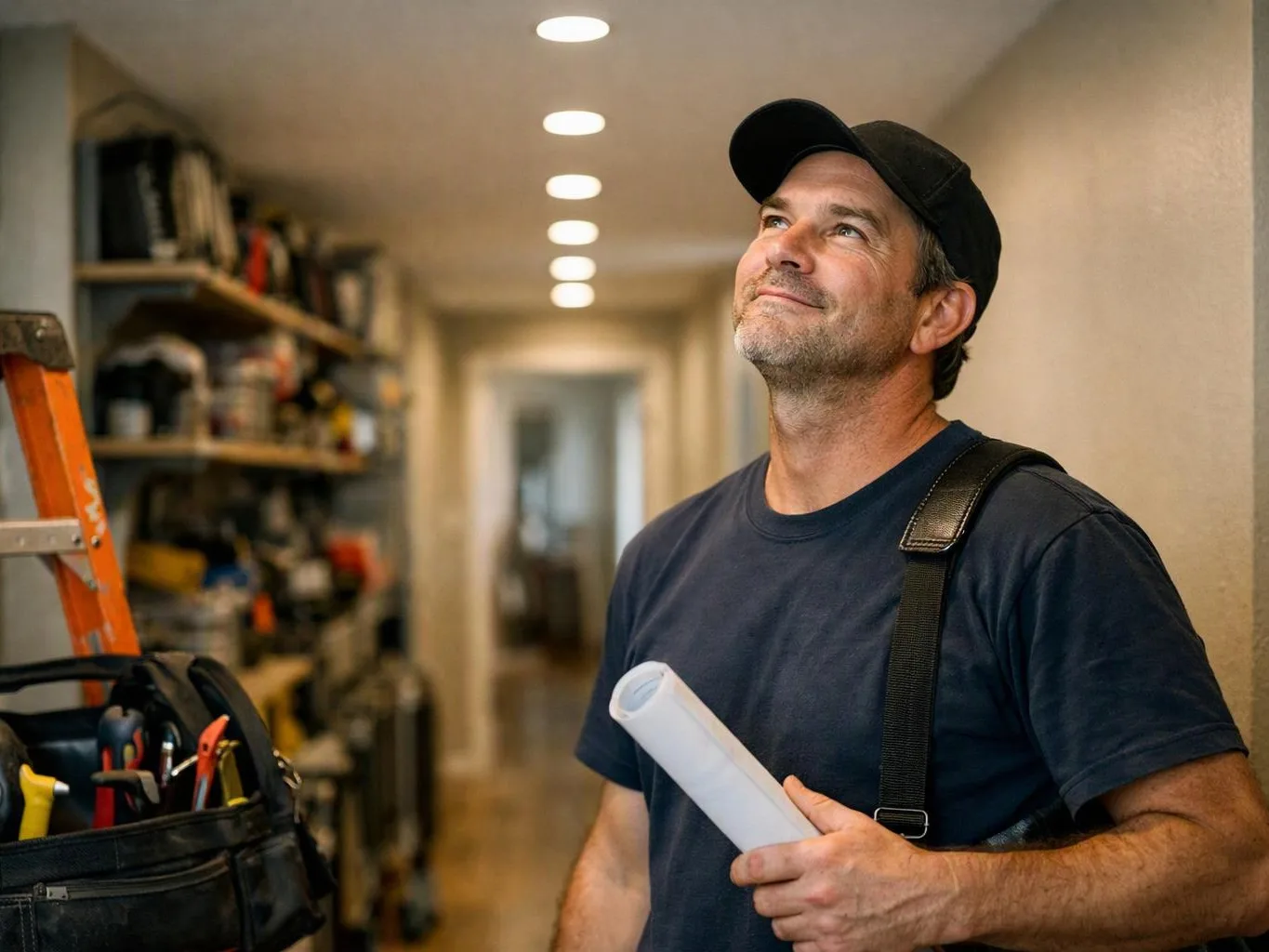
We define the lighting installation scope by reviewing the new or replacement fixture, switch control, mounting point, and material selection. The repair scope may include a loose connection, damaged wiring, socket repair, dimmer repair, or circuit preparation.
Access conditions can change the work because ceiling spaces, junction boxes, and existing wiring may require different preparation. We explain the included work and cost drivers before you approve the quote. Free Estimates Available.
What Should You Do Before Lighting Work Begins?
Before lighting work begins, turn off the circuit breaker if the fixture shows damage, unusual heat, smoke, or other electrical hazards.
You can identify the affected light switch and note when flickering lights, lights turning off, or a tripped breaker occur. You can also record the fixture type and take a visible photo from a safe position.
Do not touch exposed wiring, loose parts, or a fixture with a burning smell. We inspect the condition and confirm the safe installation requirements before starting electrical work.
Questions About Lighting Repair, Replacement, and Installation
Can a flickering light be repaired, or should the fixture be replaced?
San Bernardino Electrician can repair a flickering light when testing shows an isolated connection, bulb, socket, or switch fault; replacement is safer when the fixture has heat damage, damaged wiring, or repeated failure.
Is it better to replace old light fixtures with LED fixtures?
Replacing old light fixtures with LED fixtures is better when the existing fixture is obsolete, damaged, inefficient for the intended use, or incompatible with the planned controls.
What does a burning smell from a light fixture mean?
A burning smell from a light fixture can indicate overheating, heat-damaged parts, or a loose electrical connection. Turn off the circuit breaker when safe and contact us for an inspection.
Can a new light fixture use the existing wiring?
A new light fixture can use existing wiring when the wiring, ceiling box, grounding, circuit load, and fixture compatibility support the installation.
Should I replace the switch when I replace the light fixture?
Replace the switch when testing shows wear, damage, poor operation, or incompatibility with the new fixture or dimming controls.
Lighting repair, replacement, and installation decisions should follow the condition of the fixture and the electrical system. Contact San Bernardino Electrician for an inspection and quote that explains the required work.
Request a Lighting QuoteRelated Resources
Signs You Need Circuit Breaker Repair in San Bernardino, CA
When You Need ItWhen to Call an Electrician for Burning Smells and Hot Outlets in San Bernardino, CA
When You Need ItElectrical Wiring Warning Signs: When San Bernardino Homes Need an Electrician
When You Need ItSigns Your Outdoor and Landscape Lighting Has Electrical Damage in San Bernardino, CA