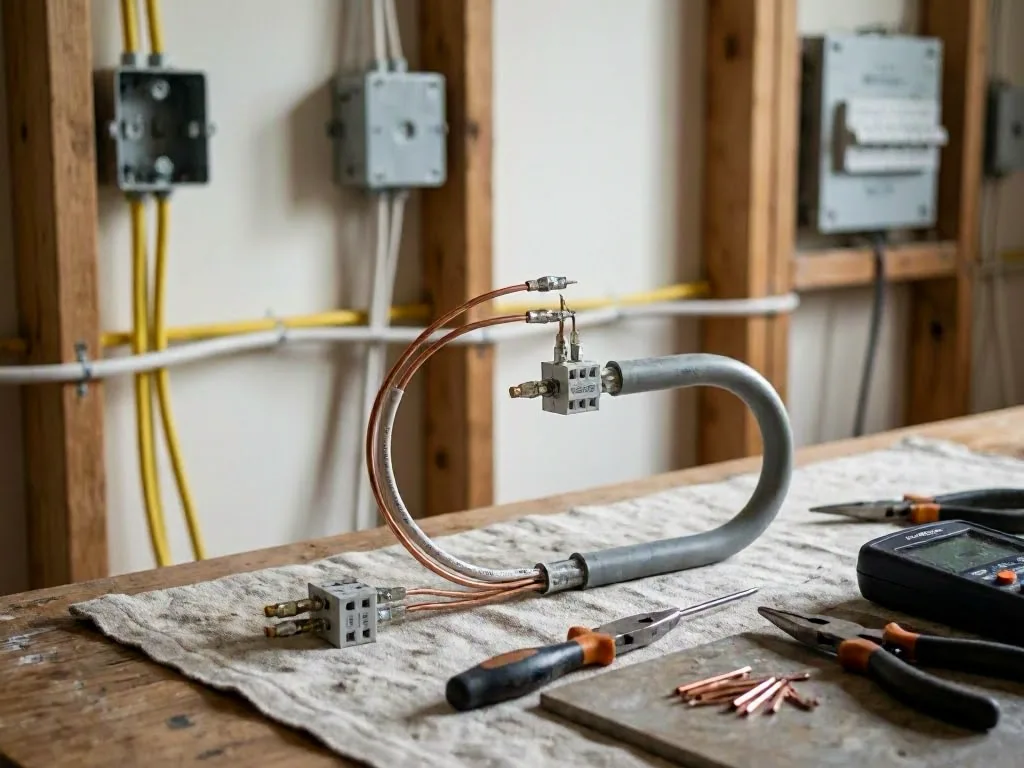
What to Do During a Power Outage: Emergency Electrical Help
A 24-hour electrician can find and fix many power outage problems. These problems include tripped circuit breakers, blown fuses, damaged wiring, and overloaded circuits. Utility equipment can also cause an outage. First, check if nearby homes still have power. Unplug sensitive electronics. Check the electrical panel only when it is dry and safe. Reset a tripped breaker once. Never use a fuse with a higher rating. Call an emergency electrician if power stays off. Call right away if you smell burning or see sparks, heat, water, or exposed wires. Get help if only part of the building has power. Professional help can find circuit breaker or fuse box faults. The team at SanBernardino-Electrician.com offers after-hours guidance. We help homeowners, renters, landlords, and small businesses.
Get a Free EstimateWhat Should You Do First When the Power Goes Out?
A power outage needs a safe first check. Find out if the whole property lost power or only one circuit. Check for utility alerts. Unplug sensitive electronics. Stay away from smoke, sparks, water, heat, and exposed wiring. Call a 24-hour electrician if you see danger or feel unsure.
Stay calm and use a flashlight. Don't use a candle near electrical equipment. Ask if nearby homes also lost power. A wider outage may involve the utility. Dark rooms in one building may show an internal fault.
Check the electrical panel only when the floor is dry. The panel area must also have good light. Don't remove the panel cover. Renters should call the landlord or property manager. Small businesses should close unsafe areas.
Turn off or unplug computers, TVs, and appliances. Leave one light on. You'll know when power returns. Never use a generator indoors. Don't use one in a garage or near doors and windows. Call for emergency electrical service if the cause isn't clear.
What Are the Warning Signs of an Electrical Emergency?
Electrical emergencies often show warning signs first. Burning odors, buzzing, sparks, and heat need quick action. Repeated breaker trips, flickering lights, exposed wires, and shocks also signal danger. Turn off power only when it's safe. Don't touch damaged equipment. Contact an emergency electrician.
Water near outlets, switches, appliances, or the panel adds serious danger. Don't enter standing water to reach a disconnect. Leave the area and call a qualified electrician.
How Can You Tell Whether the Outage Is Inside or Outside?
You can often narrow down the outage source. Check nearby buildings, the electrical panel, and affected circuits. If nearby buildings are dark, the utility may be at fault. If only your property has lost power, an internal issue may need electrician service.
A utility outage starts before power reaches your building. It may affect nearby homes and businesses. Lines, transformers, or other utility equipment may be damaged. Check the utility outage map or call its report line. Never approach fallen lines or damaged poles.
The service entrance is where utility power enters the property. Damage there can cause an outage. A failed main breaker or meter problem also needs professional help. Utility workers may need to assist. Never open sealed equipment or touch incoming wires.
A branch circuit powers one part of a building. It may serve bedrooms, kitchens, offices, or outdoor outlets. If one area is dark, the issue may involve that circuit. Possible causes include an overload, short circuit, or wiring fault. A qualified electrician can find the source.
A basic visit may include checks at several points. These points can include the panel, outlets, and service equipment. The visit time depends on access and damage. Utility work may also affect the time.
How Do You Safely Check a Circuit Breaker or Fuse Box?
You may make a limited visual check of a dry electrical panel. The panel must be easy to reach. Don't remove its cover. Move a tripped breaker fully off and then on once. You may spot a blown fuse without touching wires. Don't force switches or keep resetting a tripping circuit.
A fuse box is an older system that protects circuits from too much current. A modern panel usually uses resettable breakers. Both systems can hide unsafe faults. Replacing a fuse doesn't find the cause. Repeated failure calls.Fuse Box Repair.
What Common Problems Cause a Sudden Power Loss?
Sudden power loss often comes from an overloaded circuit, short circuit, or ground fault. Loose connections and damaged wires can also cause it. These problems can trip safety devices. They can shut off one circuit. They can also cause fires or shocks.
- Overloaded circuit: Too many high-power appliances can trip the breaker.
- Short circuit: A hot wire touches another wire. This causes a fast rise in current.
- Ground fault: Electricity takes an unsafe path to ground. Wet equipment or damaged insulation can cause this.
- A loose connection can heat up under load. It may cause flickering or power loss.
- Old age, pests, work, water, or impact can damage wires. Damaged wires raise fire risk.
Finding the cause matters more than restoring power. A device may cause the fault. The fault may also be inside the panel or walls.
When Should You Call a 24-Hour Electrician?
A 24-hour electrician can help when a breaker won't reset. Call if a fuse keeps blowing. Call when only part of the property loses power. Get help if the panel shows heat, smoke, rust, buzzing, or burning odors. Circuit breaker repair or fuse box repair can find the real fault.
Call for emergency electrical service if nearby properties still have power. This also applies when only certain rooms or outlets are out. A failed branch circuit may cause partial power. Loose wires, damaged service equipment, or meter problems may also be involved.
Get prompt help if the equipment is hard to reach. Call when the panel is wet. Call if you can't find the main disconnect. Homeowners, renters, landlords, and small businesses shouldn't work near damaged covers or live wires.
Our team can inspect the electrical panel and test circuits. We can isolate a faulty load. We can also explain the repair needed. Circuit Breaker Repair in San Bernardino may help when a breaker won't stay on. Older properties may need Fuse Box Repair for unsafe fuse equipment.
A 24 Hour Electrician can respond at night. Urgent service still requires safe steps. Power should return after diagnosis, isolation, and testing. If utility equipment caused the issue, the utility must take over.
Which Power Outage Symptoms Need Professional Diagnosis?
Power outage symptoms can show the likely repair path. One tripped breaker may follow a short overload. Repeated trips, partial power, flickering lights, buzzing, heat, or burning smells need more care. A qualified electrician should check these problems before restoring power.
| Symptom | Possible concern | Safe response |
|---|---|---|
| Partial power outage | Branch circuit, service connection, or panel fault | Limit use and arrange diagnosis |
| Repeated breaker trip | Overload, short circuit, or ground fault | Leave the breaker off |
| Flickering lights | Loose connection or unstable supply | Unplug sensitive devices |
| Voltage fluctuation | Supply or wiring problem | Stop using vulnerable equipment |
| Electrical panel damage | Heat, corrosion, arcing, or enclosure failure | Keep clear and seek urgent help |
These signs don't prove one exact cause. Testing must come first. A technician should test before changing a breaker, fuse, or circuit.
How Can You Prevent Future Power Outages?
Power outage prevention starts with safe electrical use. Avoid overloaded cords and replace damaged devices. Test GFCI protection (shock safety outlets) when needed. Use proper surge protection. Schedule an inspection for repeat trips, flickering, or old panel equipment. These steps can't stop utility outages. They can reduce faults inside your property.
Keep access to the panel clear. Label circuits so you can find faults faster. Landlords should answer tenant reports quickly. Businesses should keep a safe shutdown plan. The plan should cover refrigeration, computers, security systems, and other key equipment.
Questions About 24 Hour Electrician
What Should I Do if My Power Goes Out Suddenly?
Check if nearby properties also lost power. Unplug sensitive electronics and use a flashlight. Check the panel only when it's dry and safe. Don't touch smoke, sparks, water, heat, or exposed wires. Contact the utility for a wide outage. Call an electrician for an internal fault.
How Do I Know if My Breaker Tripped During a Power Outage?
A tripped breaker may sit between on and off. If the panel is dry and easy to reach, move it fully off. Then move it on once. Leave it off if it trips again. Repeat trips may show an overload, short circuit, ground fault, or wiring problem.
Why Does My Power Keep Going Out but My Neighbors Have Electricity?
The problem is likely inside your property. Possible causes include an overloaded branch circuit, damaged wiring, or a loose connection. A failed breaker or blown fuse may also cause it. Stop resetting the breaker and arrange an electrical inspection.
Can a 24-Hour Electrician Fix a Blown Fuse at Night?
An after-hours electrician can inspect the fuse box. The electrician can find the right fuse type and find why it failed. Never use a higher-rated fuse or bypass a fuse. Wiring or service damage may need more repair.
Is It Safe to Reset a Circuit Breaker That Keeps Tripping?
No. Reset a breaker only once when the panel is dry. The panel must show no warning signs. Leave the breaker off if it trips again. Repeat trips may show an overload, short circuit, ground fault, or damaged wiring. A qualified electrician should check it.
Our team can help if you're unsure where the problem starts. Contact us through our contact page for emergency electrical guidance.
Related Resources
Signs You Need Circuit Breaker Repair in San Bernardino, CA
signs you need circuit breaker repair
When You Need ItWhen to Call an Electrician for Burning Smells and Hot Outlets in San Bernardino, CA
when to call an electrician for burning smell from outlet
When You Need ItElectrical Wiring Warning Signs: When San Bernardino Homes Need an Electrician
warning signs electrical wiring needs to be replaced
When You Need ItFlickering Lights: How to Know When You Need an Electrician
how do I know if flickering lights are an electrical problem