What to Expect From a 24-Hour Electrician in San Bernardino, CA
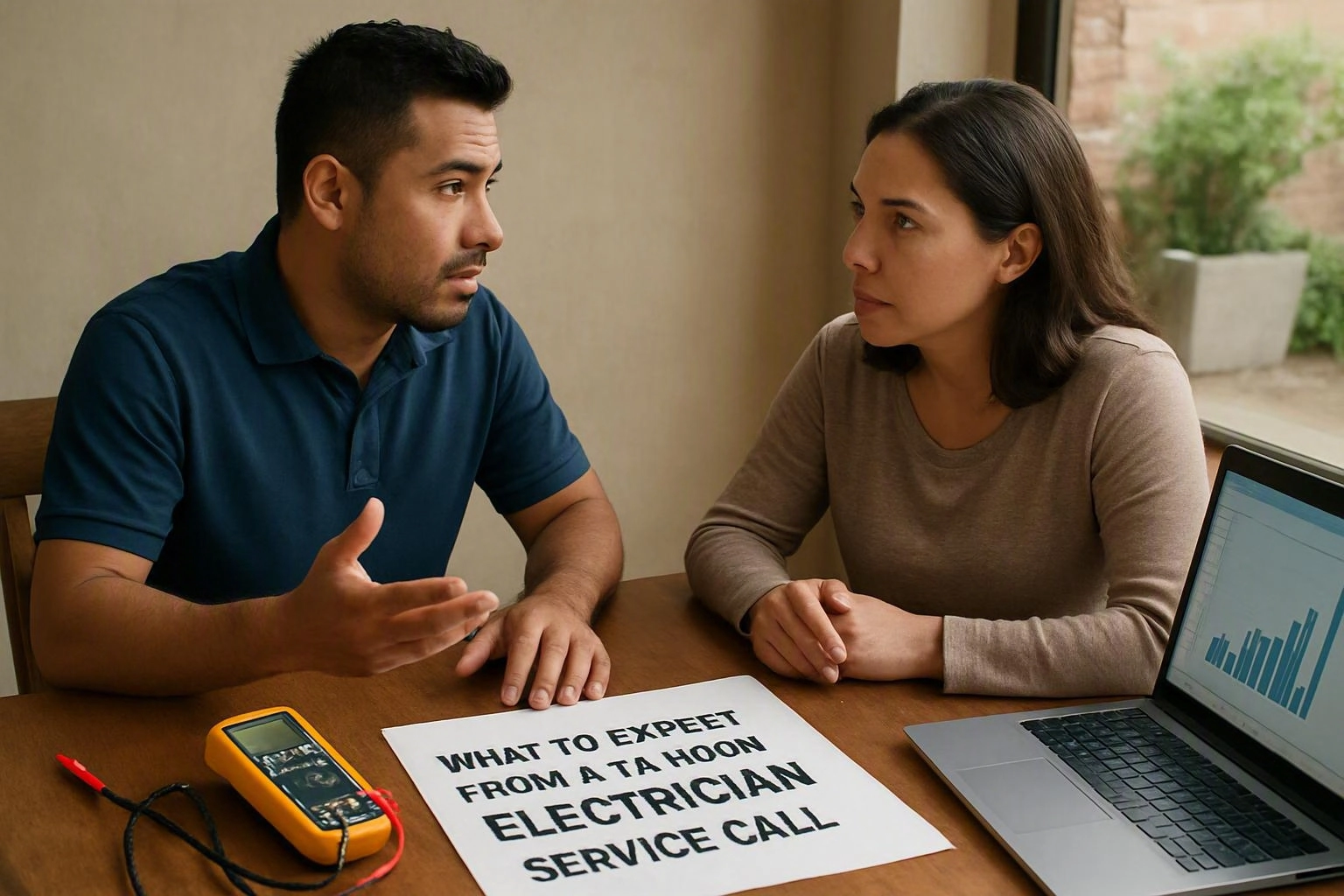
A 24-hour electrician service call usually follows several steps. These steps include intake, arrival, safety checks, diagnosis, pricing, repair, and testing. The electrician service call fee may cover travel or the first visit. The emergency electrician diagnostic fee, labor, parts, and permits may cost extra. Ask if the estimate is free. Ask how labor is billed. Ask if one visit can cover several problems. The technician should explain the work, price, and repair choices first. At SanBernardino-Electrician.com, we explain each step before repairs begin.
Get a Free EstimateHow a 24-Hour Electrician Service Call Works?
A 24-hour electrician service call starts with a phone call and safety check. The technician then arrives, checks the system, and finds the fault. The technician should explain the service call fee and diagnostic fee. Labor and parts should appear as separate costs. Non-emergency work should start only after you approve it.
During intake, we ask what happened and when it started. We also ask about smoke, heat, sparks, burning smells, and exposed wires. We ask about power outages, too. These details help us choose emergency electrical service or a later visit.
We confirm the service area, property type, and access details. We also ask which rooms have problems. A hot Inland Empire summer can cause cooling system issues. It can also point to an overloaded circuit. Safety always comes before speed.
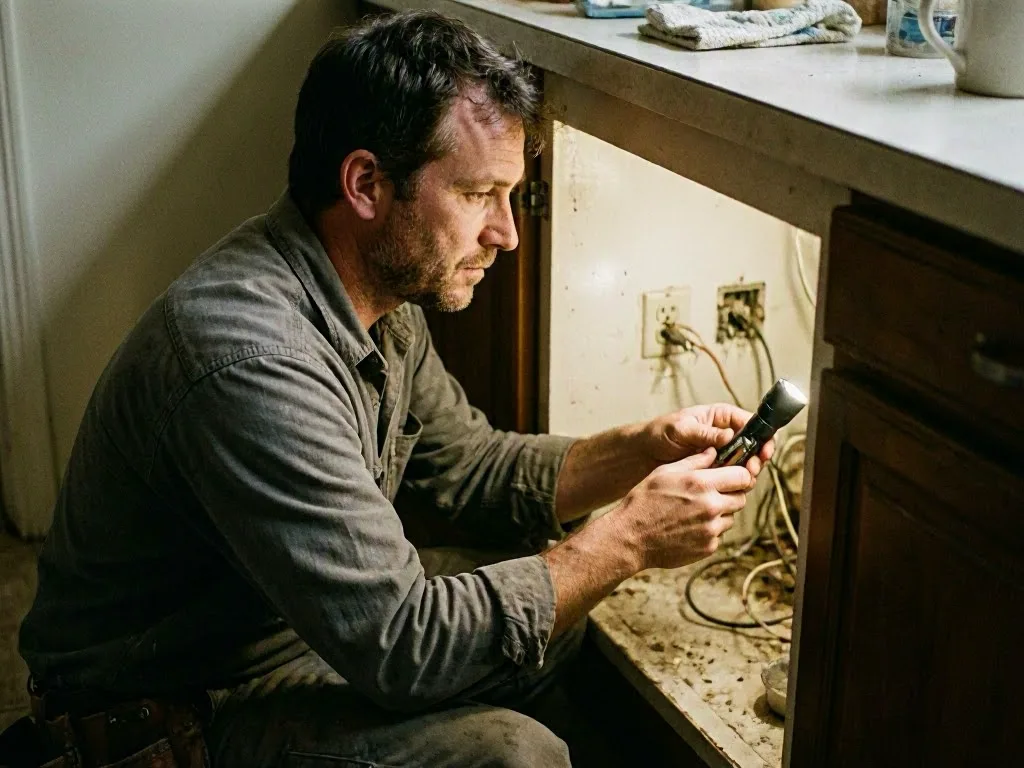
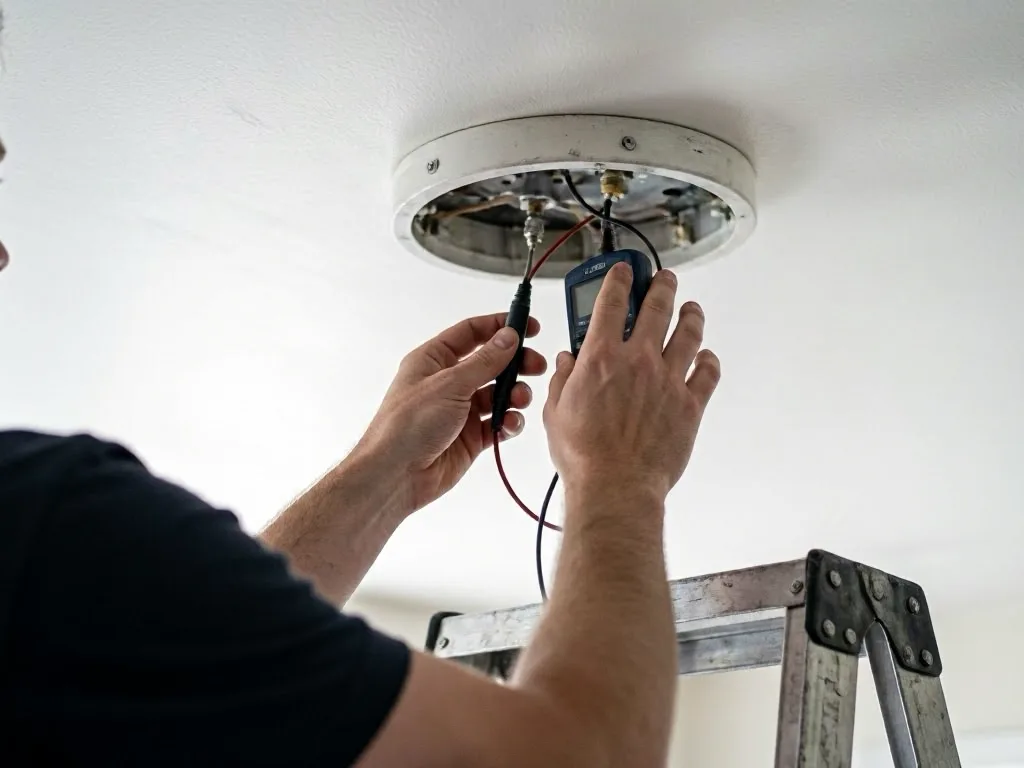
After arrival, the technician checks the property for hazards. This check may include the electrical panel and circuit breaker. It may also include outlets, switches, grounding, and visible wires. Older San Bernardino homes may have hidden wires or old panels. These issues can make diagnosis take longer.
After finding the fault, we explain the repair choices. We also explain any follow-up work. Dry weather and wildfire risks make safe circuits important. Smoke alarm service and fast hazard control may also matter. Work starts after you understand and approve the scope. The technician may take urgent steps to control an active hazard.
The 7 Steps from Emergency Call to Completed Repair
The emergency electrician process has seven main stages. These stages include contact, scheduling, arrival, inspection, diagnosis, price approval, and testing. This process shows when fees are discussed. It also explains why a technician may shut down a circuit first.
These steps may overlap during an active hazard. For example, we may shut down a failing circuit during inspection. This can happen before the full diagnosis ends. A clear process still protects the property. It also keeps urgent safety steps separate from repair approval.
What Does an Electrician Service Call Fee Include?
An electrician service call fee often covers dispatch, travel, arrival, and a first check. An emergency electrician diagnostic fee may cover testing time. Hourly labor, parts, permits, and after-hours work may cost extra. Ask if the estimate is free. Also ask if it is credited toward repairs or billed alone.
Each provider may use these fees in a different way. Some companies use the fee for dispatch and the first visit. Others charge a separate diagnostic fee for testing. Our team should explain each term before work starts. This helps you compare prices fairly.
Ask how the hourly labor rate is measured. Some companies use a minimum charge. Others use hourly blocks or a set repair price. Confirm if travel time and emergency timing cost extra. Ask about troubleshooting and return visits, too.
Parts and labor should appear as separate items when possible. Costs can vary for breakers, switches, outlets, and wires. Smoke alarms, connectors, and other parts may vary, too. Common parts may be ready during the first visit. Special panel parts may need a return visit.
Older equipment and hidden wires can slow diagnosis in San Bernardino, CA. Panel changes and major rewiring may need an electrical permit. They may also need an inspection. Ask if filing, permit work, and inspections appear in the written estimate.
How Long Does an Emergency Electrical Visit Take?
Emergency electrical visit duration depends on the fault and repair size. Access, parts, and testing time also affect the visit. A small repair may finish during one visit. A larger repair may need more testing or another visit. The electrician should explain the timing after diagnosis.
| Project size | Typical duration | What may affect the timeline |
|---|---|---|
| Small | Short service visit | Easy access, common part, and limited testing |
| Average | Several hours | Several circuits, hidden wires, testing, and parts search |
| Large | Extended work or follow-up visit | Panel work, major rewiring, permits, and parts supply |
The table offers general planning help. It is not a promise of repair time. A small repair may take longer if the fault is hidden. It may also take longer if the circuit is unsafe or parts are missing. A large repair may need a planned shutdown and permit. It may also need an inspection or several visits.
Can One Visit Cover Multiple Electrical Problems?
Multiple electrical problems can often be checked during one visit. This works best when each problem is easy to reach. The work must also have a clear scope and ready parts. Lighting, bathroom fan, smoke alarm, and breaker repairs may fit together. Safety issues or permit needs may require another visit.
Tell the technician about every known problem during intake. A flickering light and noisy bathroom fan may seem unrelated. A missing smoke alarm and tripping breaker may share a circuit. Listing each issue helps the crew plan tests and parts.
We can often group simple tasks in easy-to-reach areas. Each task must have the needed approval. For example, we may replace a light switch and test a smoke alarm together. A bathroom fan may need more access. Its wires or vent may be hidden.
A circuit breaker repair may show a larger panel problem. The breaker may trip because of damaged wires. It may also trip because of an overloaded circuit. Replacing the breaker alone may be unsafe. The technician should explain temporary steps and full repairs.
Follow-up work may be needed when walls must open. It may also be needed when parts need ordering. Permits and code checks can add more steps. Older San Bernardino homes may have hidden wires or old equipment. We should explain these limits before giving a final scope.
What to Ask Before Approving Emergency Electrical Work?
A written estimate should list every main cost and task. It should show the service call fee, diagnostic fee, and labor method. It should also show parts, timing, repair scope, and payment terms. Ask which hazards need fast action. Ask if permits or inspections may apply.
These questions help during an after-hours electrician visit. Stress can make details hard to remember. Dry weather and wildfire risks make fast hazard control important. You still deserve a clear explanation of the work. You should also know the likely next steps.
Questions About 24 Hour Electrician
What Is an Electrician Service Call Fee?
An electrician service call fee usually covers dispatch, travel, arrival, and a first check. It may not cover all testing, labor, parts, permits, or follow-up work. Ask what the fee includes. Also ask if it counts toward an approved repair.
What Is an Emergency Electrician Diagnostic Fee?
An emergency electrician diagnostic fee covers testing to find an electrical fault. It may be separate from dispatch or travel costs. Ask if testing is part of the service call. Also ask if it is hourly or credited toward repairs.
Does an Electrician Charge for an Estimate?
Some electricians offer free estimates. Others charge for a service call or diagnostic check. The charge may count toward approved work. It may also be billed separately. Ask before booking and request the answer in writing.
What Is an Electrician's Hourly Rate Plus Parts and Labor?
This means you pay for work time and materials separately. The total may include service, diagnosis, permits, or after-hours fees. Ask about minimum billing and labor blocks.
Can an Electrician Fix Multiple Problems in One Visit?
Often, yes, if the problems are easy to reach and clear. The needed parts must also be available. Lighting, bathroom fan, smoke alarm, and breaker issues may fit together. Hidden wires, complex tests, shutdowns, or permits may require more work.
Related Resources
Signs You Need Circuit Breaker Repair in San Bernardino, CA
signs you need circuit breaker repair
When You Need ItWhen to Call an Electrician for Burning Smells and Hot Outlets in San Bernardino, CA
when to call an electrician for burning smell from outlet
When You Need ItElectrical Wiring Warning Signs: When San Bernardino Homes Need an Electrician
warning signs electrical wiring needs to be replaced
When You Need ItSigns Your Outdoor and Landscape Lighting Has Electrical Damage in San Bernardino, CA
signs outdoor lighting wiring is bad