What causes alarms or failures after installation?
Steam exposure can trigger alarms, while dust buildup, low battery, loose connection, and sensor aging can cause faults. San Bernardino Electrician checks each condition, tests the detector, and explains whether the unit needs adjustment, repair, or replacement.
What does the crew look at first?
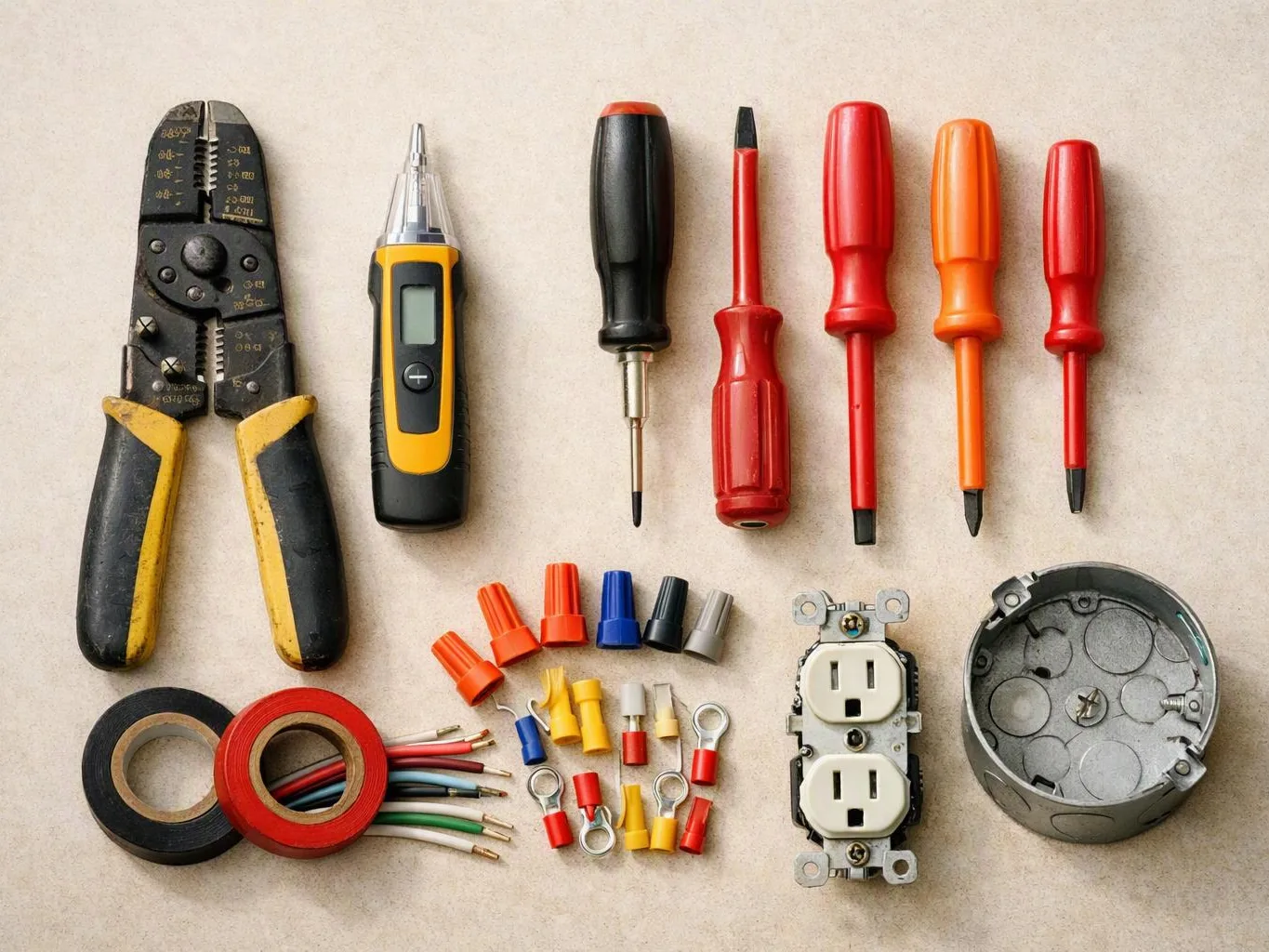
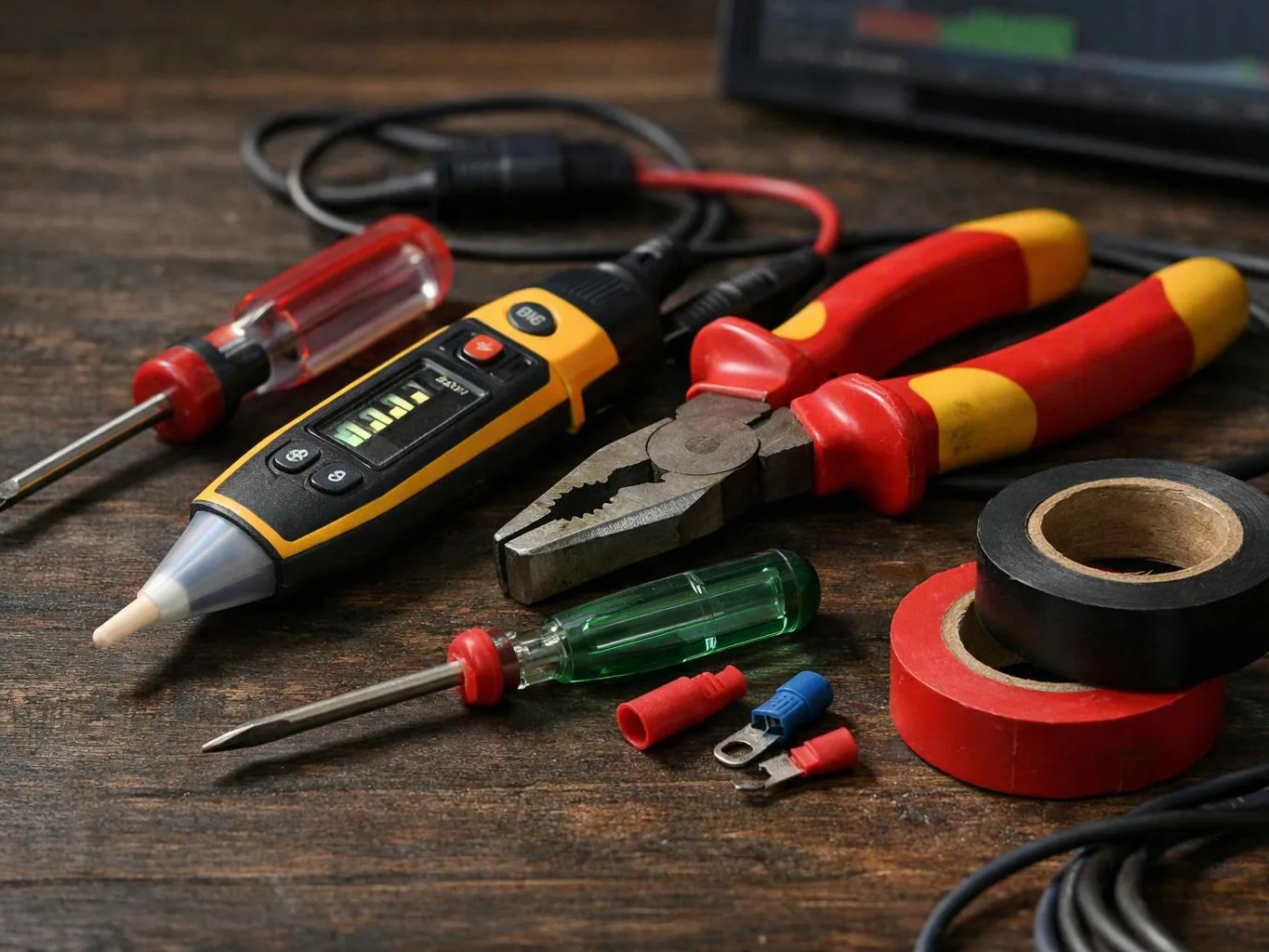
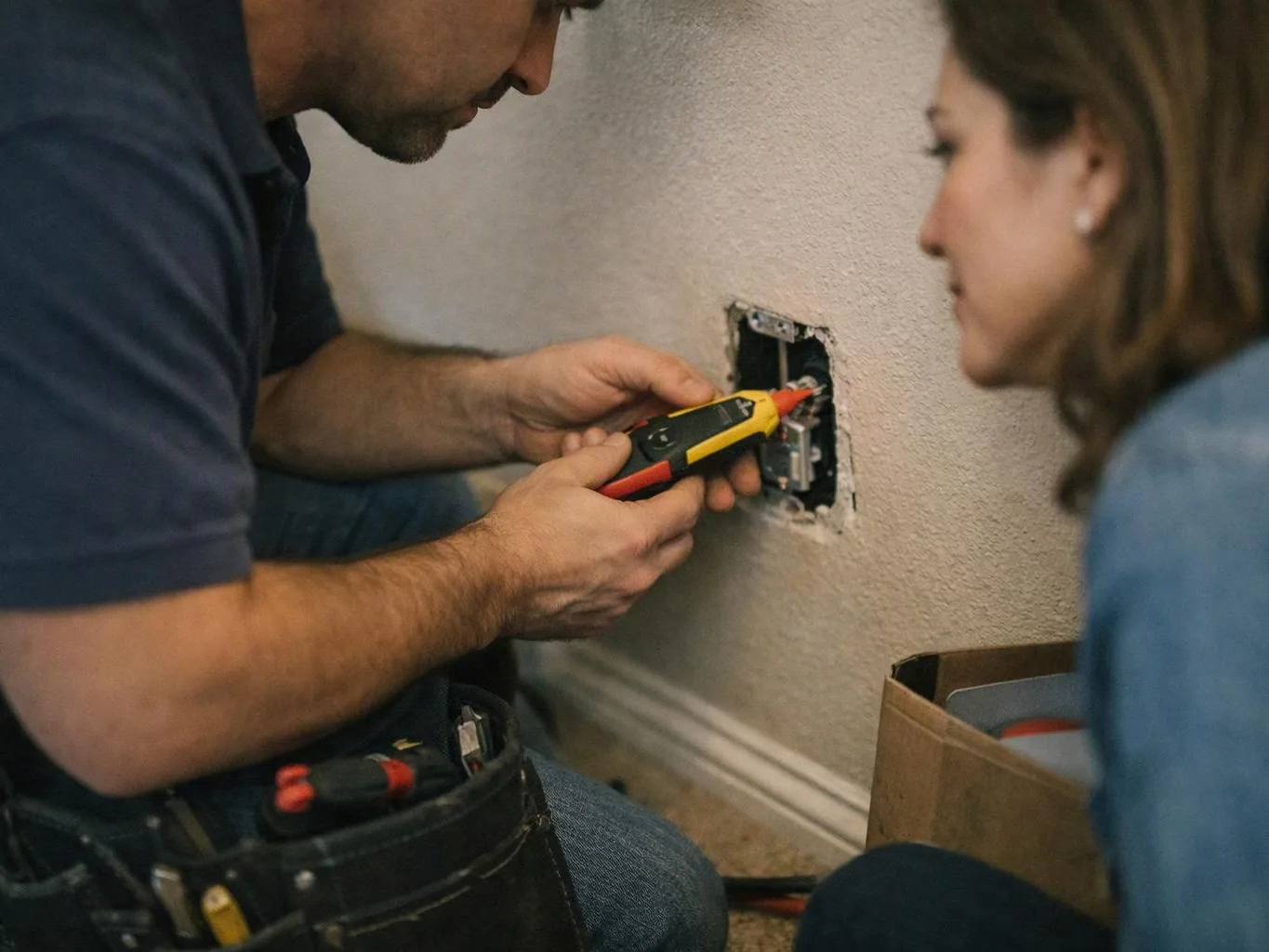
The detector location and power source get checked first. We then inspect the mounting point, battery, wiring, and test control. This order helps separate a detector fault from a connection problem. The findings guide the quote and keep unrelated electrical repairs outside the installation scope unless you approve them.
Who is a good fit for this service?
Homeowners, property managers, and businesses needing a new or replacement detector are good fits. We also help when an existing unit needs connection checks or alarm testing. A wider electrical repair is the better fit when the property has a sparking outlet, burning smell, or buzzing panel.
How does each installation stage work?
The installation follows four stages: inspect the location, set the connection plan, mount the detector, and test the alarm. We check the battery and wiring during the first two stages. The final test confirms the unit responds after the work is complete.
Which part changes the installation quote?
The detector count, mounting access, power source, wiring condition, and added troubleshooting change the quote. We review those items before work begins and provide a free estimate. Detector replacement and wider electrical repairs can require separate scope decisions.
When should a detector receive an assessment?
A detector needs an assessment when it gives repeated false alarms, stays silent during testing, or shows a low-battery warning after a battery change. We inspect the unit and its connection before recommending repair or replacement. In Jurupa Valley, we provide this service for residential and commercial properties.
Why does a new detector stay silent?
A new detector may stay silent because its battery, power connection, or test control has a fault. We check the supply, terminals, battery contact, and alarm response. If the unit still fails after those checks, we explain the replacement or electrical repair scope.