Record the fan symptoms
We note whether the fan is dead, slow, noisy, shaking, or losing light function. These details guide the first checks.
A ceiling fan can fail because of its switch, wiring, motor, light kit, or mounting. We find the fault and explain the repair before work begins.
A repaired fan restores air movement and light control without replacing parts that still work.
A stable mounting point reduces wobble and limits stress on the fan body and ceiling connection.
Testing the switch, wiring, and motor helps separate a fan fault from a wider circuit problem.
Ceiling fan repair is an electrical service that restores safe fan operation by correcting faults in the motor, switch, wiring, mounting, or light kit.
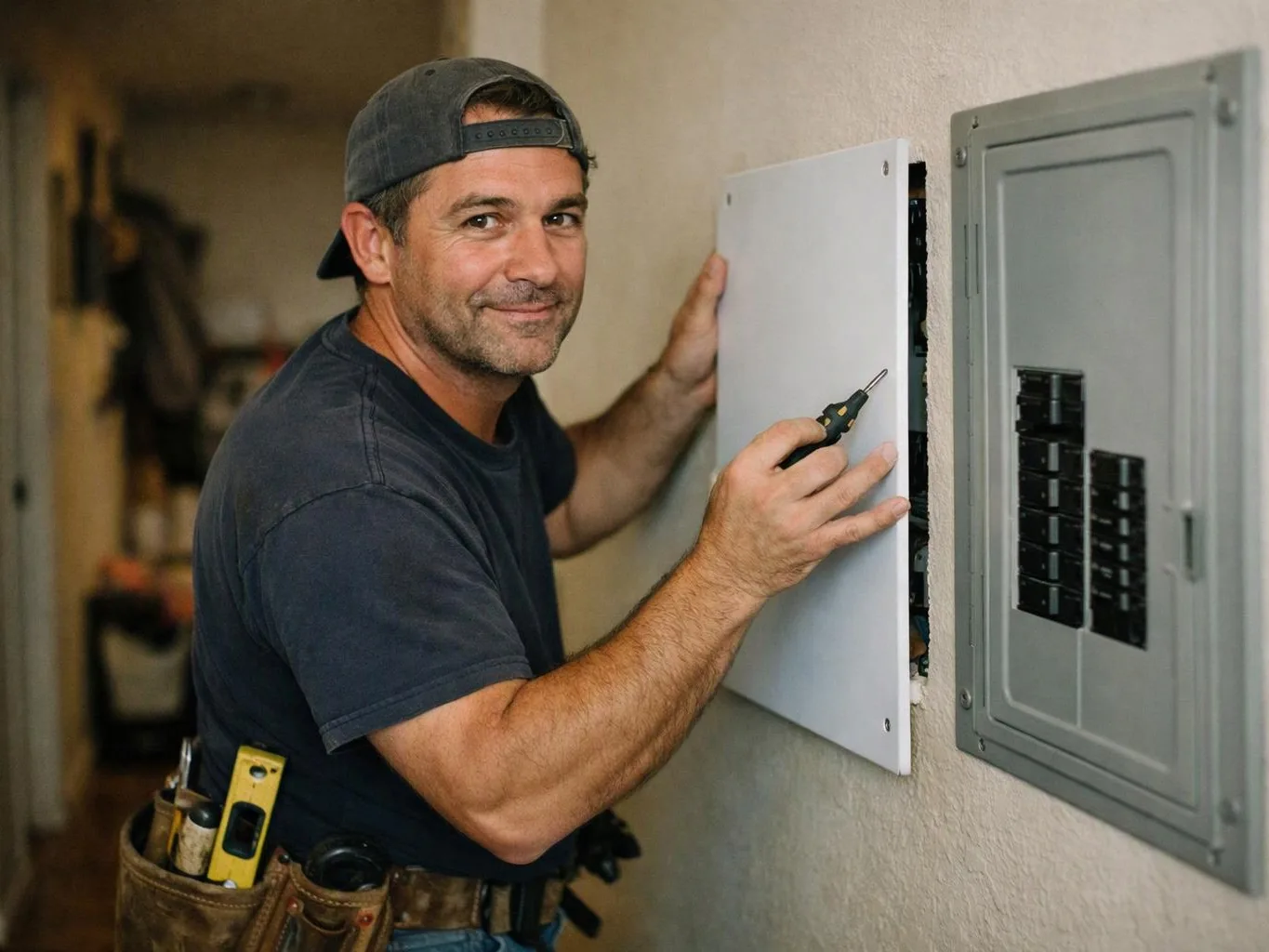
Ceiling fan repair covers the parts that control movement, speed, lighting, and support. We inspect the fan body, blades, downrod, ceiling box, wall switch, and visible wiring. A repair may involve tightening hardware, correcting a connection, replacing a switch, addressing a light kit fault, or testing a motor. The right choice depends on the failed part and the condition of the existing fan. Cost rises when access is difficult, the ceiling box needs correction, wiring is damaged, or several parts fail together. Budgets are often wasted when a motor is replaced before the switch and circuit are tested, so we diagnose the fault first. Our team explains whether repair makes sense for the fan's condition. We also provide a free estimate before work begins, so you can decide with the repair scope in view.
We note whether the fan is dead, slow, noisy, shaking, or losing light function. These details guide the first checks.
We make the circuit safe, then inspect the wall switch, connections, fan body, blades, mounting point, and light kit.
We test the power path and fan controls to separate a switch, wiring, motor, light, or mounting problem.
We describe the needed work and provide a free estimate before starting the repair.
After the repair, we check fan speeds, light operation, stability, switch control, and visible connections.
A few details help us diagnose the fan safely and focus the first visit.
We test the fan, switch, light kit, and circuit before recommending a ceiling fan repair or replacement.
We isolate power, inspect exposed connections, and check fan operation before returning the repaired assembly to use.
We explain the identified fan fault, proposed repair, and estimate before work begins on the property.
Get a clear repair scope for your fan, and urgent requests get priority scheduling.
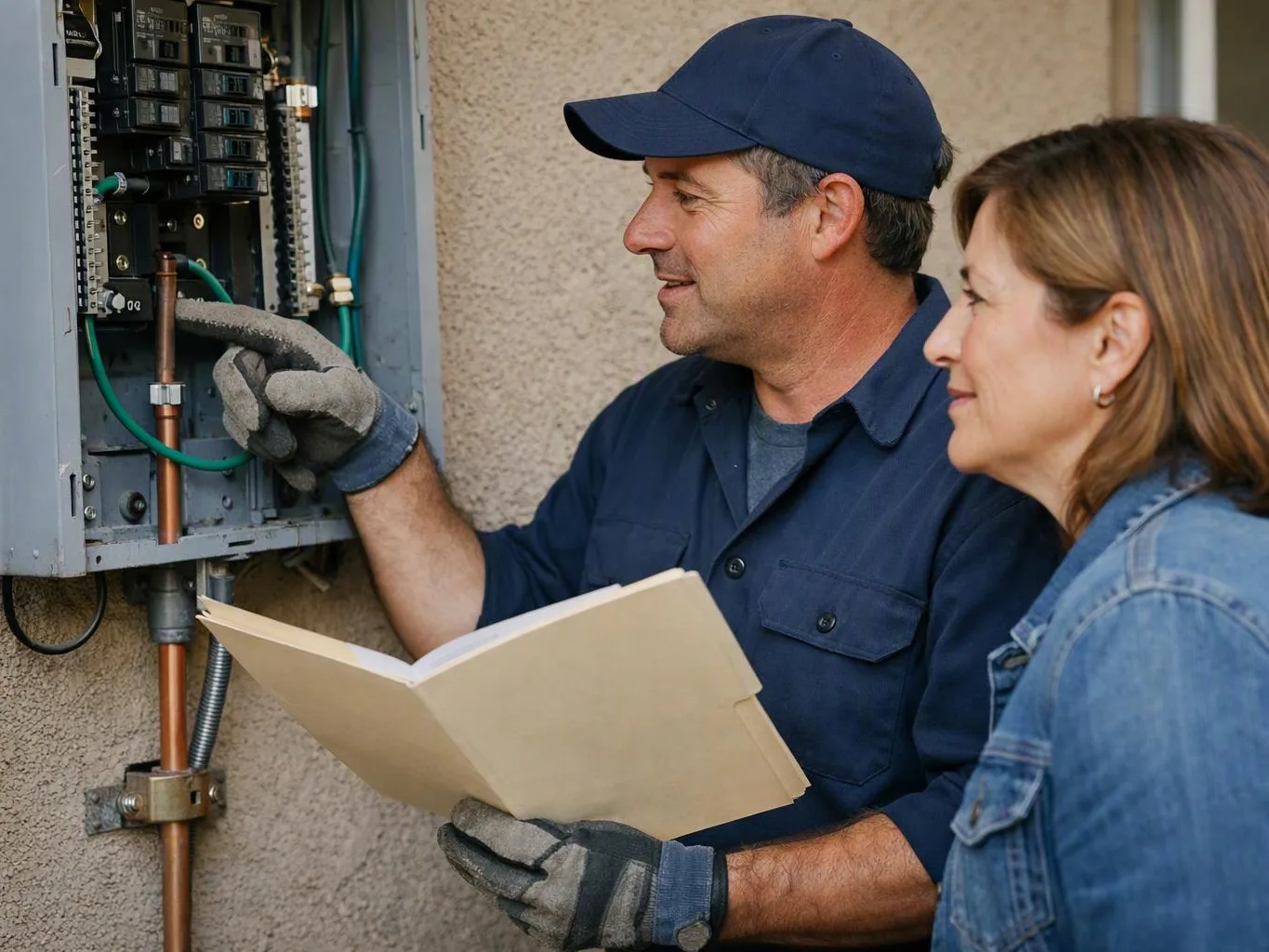
A ceiling fan that stops after the wall switch is used may have a failed switch, loose connection, or motor fault. The key detail is whether the light also stopped, because that helps separate the fan controls from the power feed. Leave the switch off if you notice heat or a burning smell, and tell us what changed before the failure.
A fan that shakes more at higher speed may have loose blade hardware, uneven blades, or a mounting issue. Continued use can place stress on the fan and ceiling connection. Stop the fan, note whether the movement starts at one speed, and request an inspection so we can check the blades, fasteners, and support.
Flickering from a ceiling fan light can come from the bulb, light kit, switch, or wiring. The repair decision depends on whether the fan motor also changes speed or makes noise. Turn the light off if the switch feels warm, then share the bulb type and the symptoms with us before testing begins.